Here Are Some Things You Need To Know About Matcha.
Anna_Yu
Here are some things you need to know about matcha
Matcha has gained tremendous global attention in recent years — not only as a traditional Japanese tea but also as a modern “superfood.” Whether in cafés, skincare products, or high-end packaging design, matcha represents purity, focus, and health. However, few people understand what matcha really is, how it’s made, and why packaging plays such an important role in preserving its flavor, nutrients, and value.
This guide provides a comprehensive explanation of matcha, from its origins and nutritional composition to packaging materials, bag types, and industry trends.
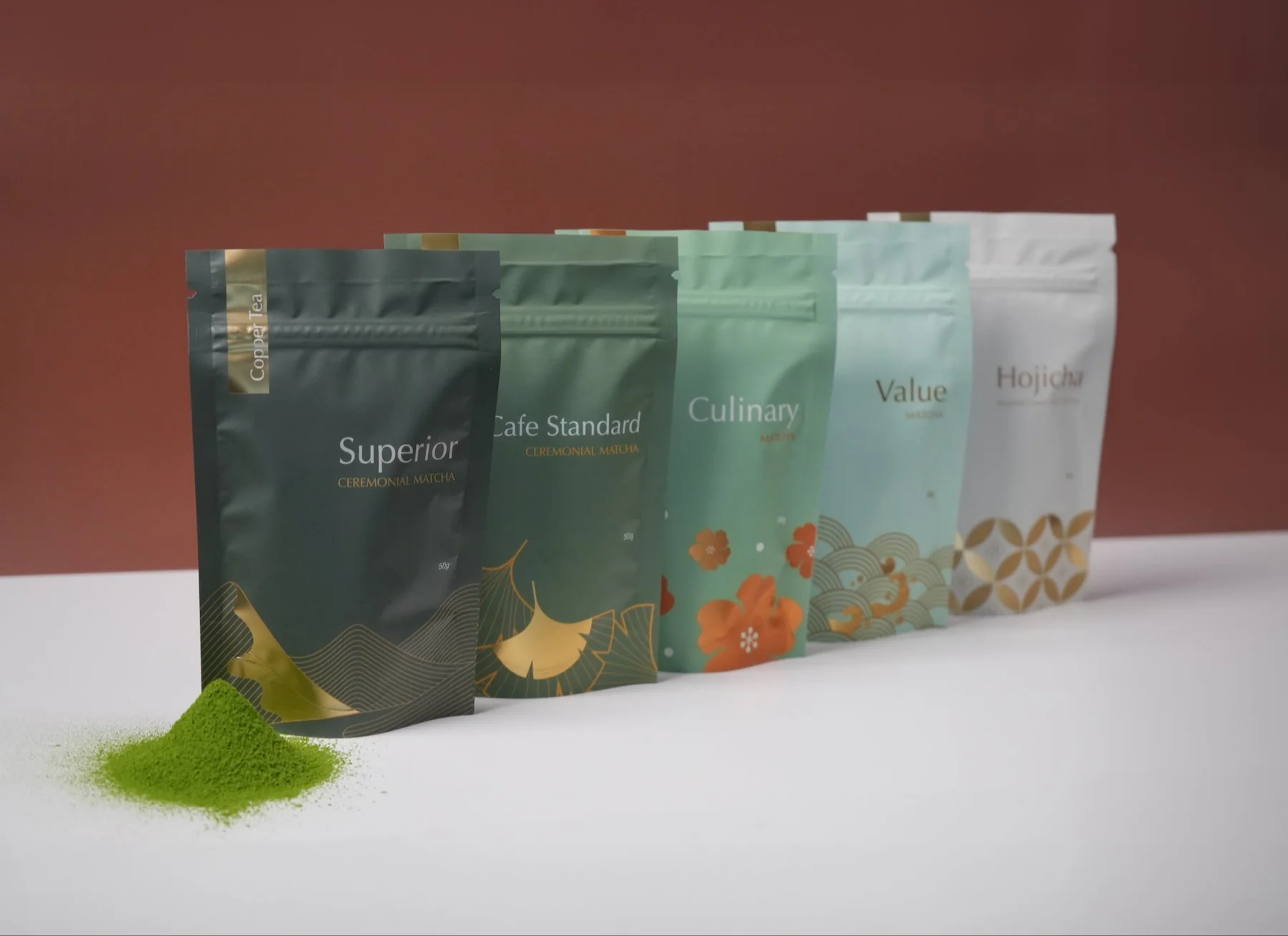
1. What is matcha and how is it made?
Matcha is a type of powdered green tea made from shade-grown tea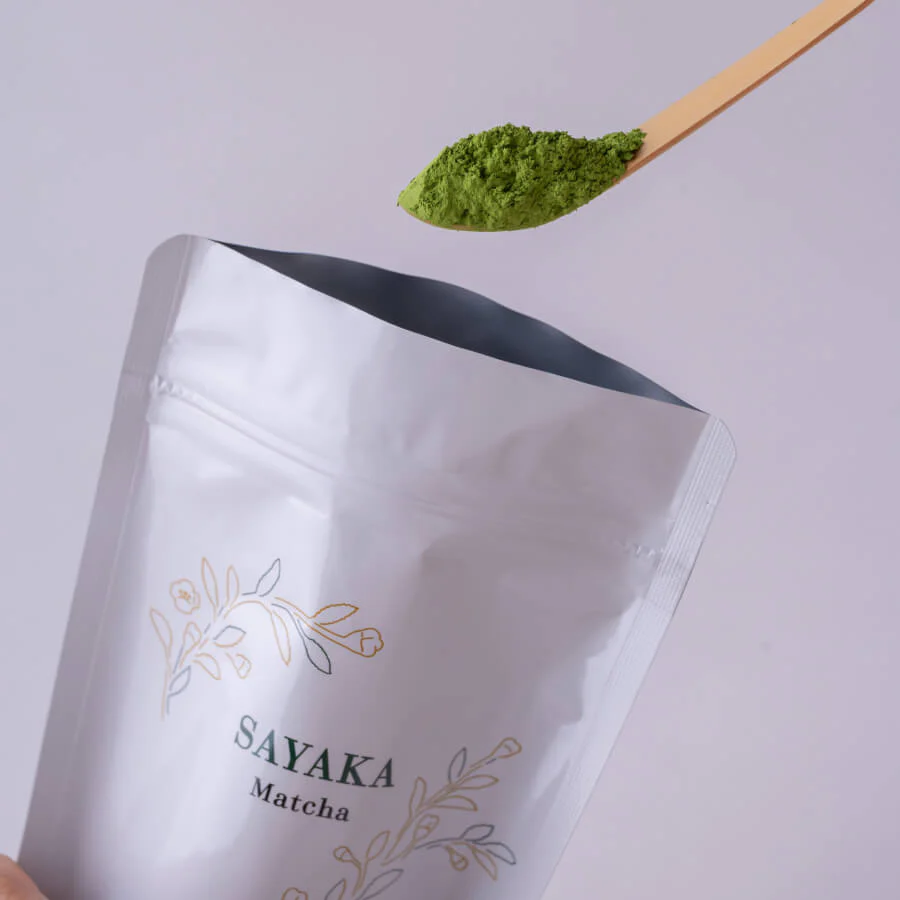
The production process of matcha
-
Shading the tea plants
Approximately three to four weeks before harvest, tea farmers cover the tea bushes with special shading nets. This reduces sunlight exposure by 70–90%, stimulating increased chlorophyll production and the accumulation of amino acids, particularly L-theanine. The shading gives matcha its vibrant green color and umami flavor. -
Harvesting and steaming
Only the youngest and most tender leaves are hand-picked during the first harvest (called Ichibancha). These leaves are then immediately steamed to prevent oxidation, locking in nutrients and the natural green hue. -
Drying and de-veining
The steamed leaves are dried and then stripped of their veins and stems, leaving only the soft parts — this is known as tencha. -
Grinding into fine powder
The dried tencha is ground slowly in granite stone mills to achieve an ultra-fine texture (about 5–10 microns in size). The slow grinding process prevents heat buildup, which could otherwise degrade color and flavor.
Key features of authentic matcha
- Color: Bright, vivid emerald green.
- Texture: Ultra-fine and silky smooth.
- Flavor: Rich umami, mild sweetness, with low bitterness.
- Aroma: Fresh, grassy, slightly creamy.
Today, high-quality matcha is still produced mainly in Japan — particularly in Uji (Kyoto), Nishio (Aichi), and Kagoshima. However, China, Korea, and Taiwan have also entered the matcha market, contributing to global demand growth exceeding 8% CAGR (2022–2030) according to market data.
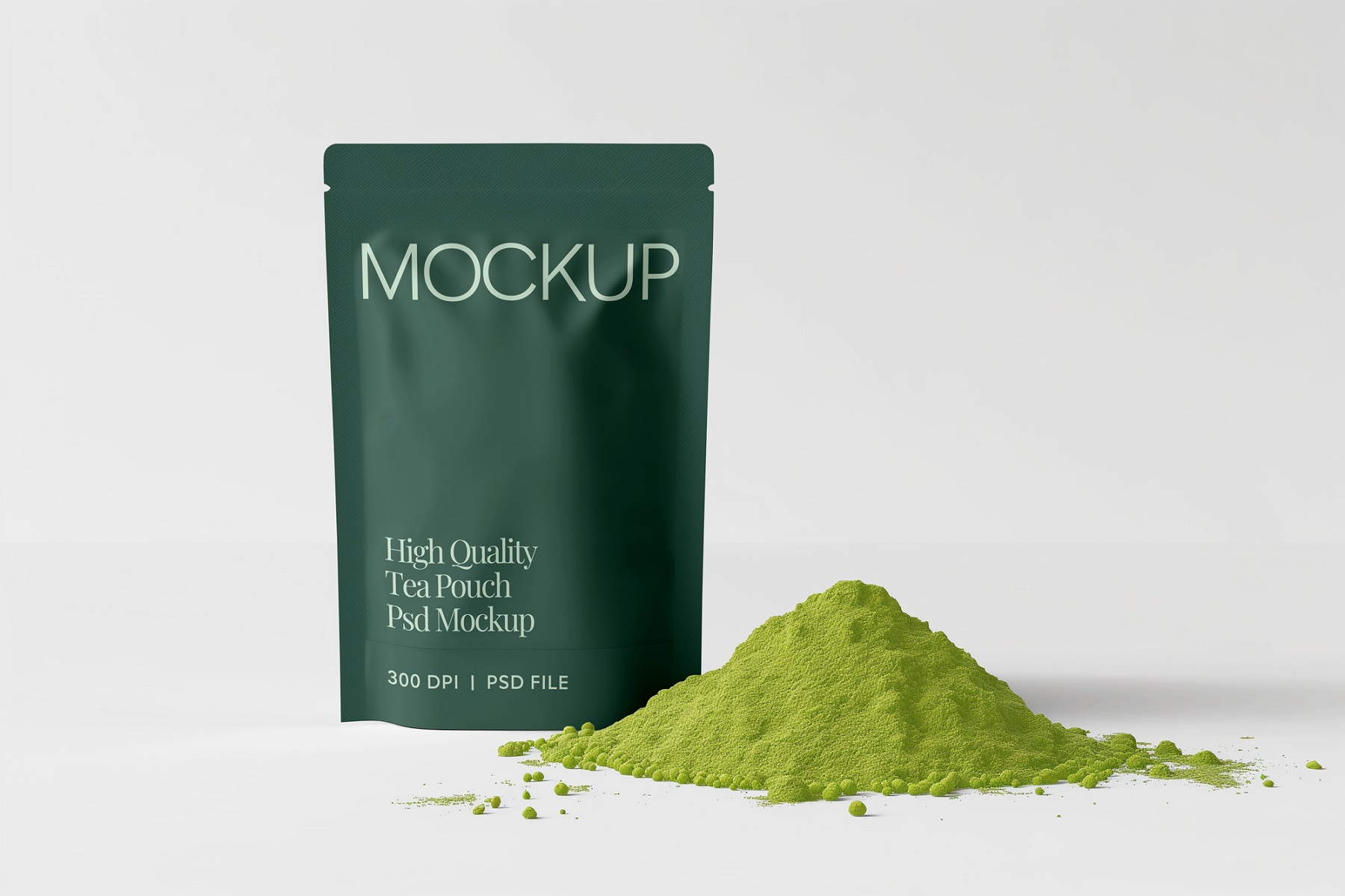
2. What nutrients does matcha contain?
Matcha is more than just a beverage — it’s a powerhouse of nutrients. Because you consume the entire leaf, the nutritional concentration is far higher than that of regular brewed tea.
Nutritional composition of matcha (per 100g)
| Component | Approx. Amount | Function |
|---|---|---|
| Catechins (EGCG) | 10–15 g | Antioxidant, anti-inflammatory, supports metabolism |
| L-Theanine | 1–2 g | Calming effect, improves focus |
| Caffeine | 2–3 g | Boosts energy and alertness |
| Chlorophyll | 1–1.5 g | Detoxification, promotes healthy skin |
| Vitamin C | 60 mg | Supports immune system |
| Fiber | 30 g | Aids digestion |
| Potassium, Iron, Zinc | — | Essential minerals |
Health benefits
-
Antioxidant power
Matcha’s catechin content is 137 times higher than regular green tea. These antioxidants neutralize free radicals, helping protect cells from oxidative damage. -
Improved focus and calmness
The synergy between caffeine and L-theanine provides sustained energy without the jitteriness associated with coffee. -
Detoxification
Chlorophyll helps cleanse the body of toxins, while fiber supports digestive health. -
Metabolism and fat burning
Studies show that EGCG can boost metabolism and enhance fat oxidation by up to 17%, making matcha a popular component of wellness and fitness regimens.
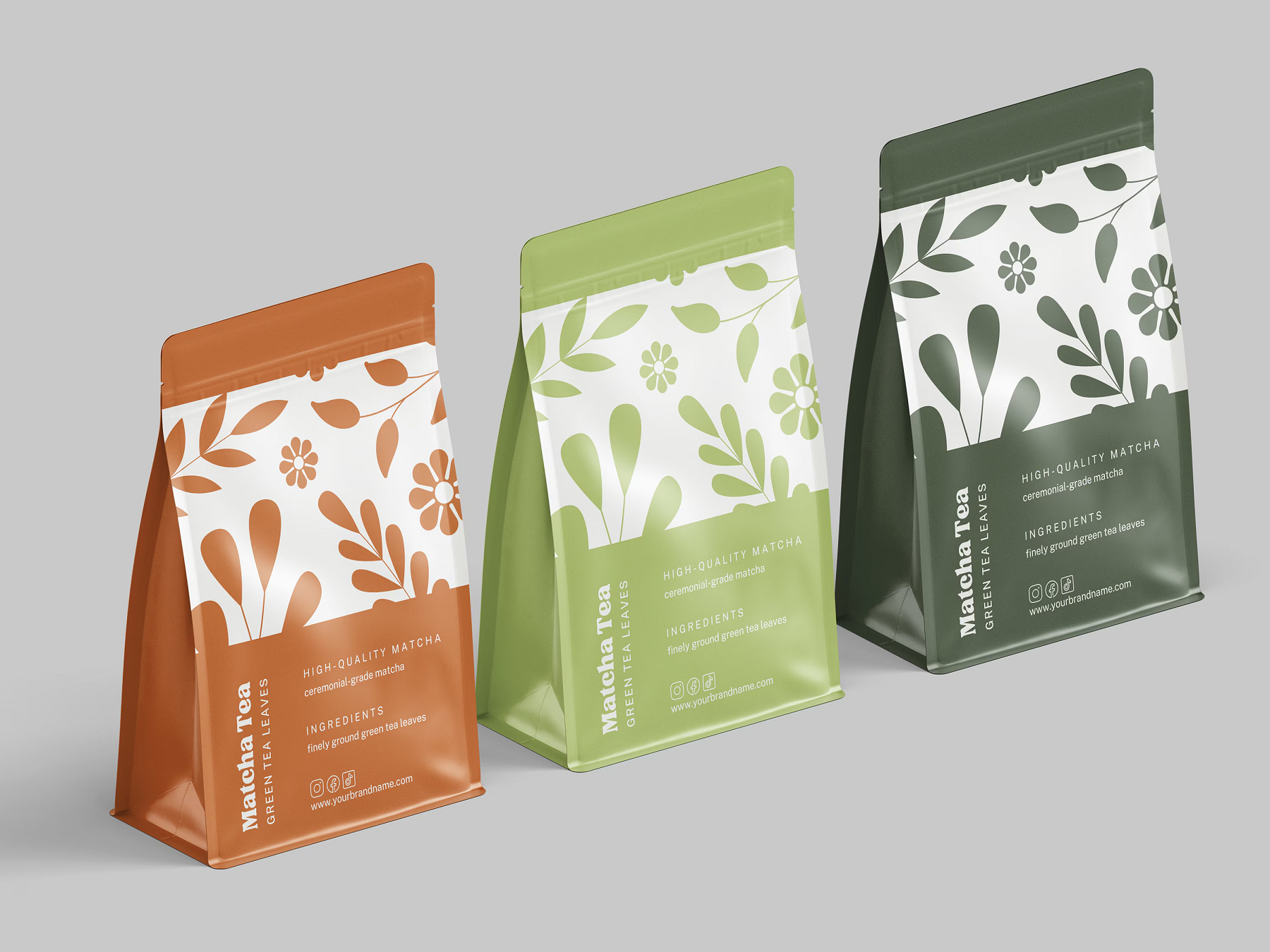
3. What should we pay attention to when packing matcha tea?
Matcha is highly sensitive to light, air, moisture, and temperature. Exposure to these elements can quickly degrade its quality — fading its color, dulling its aroma, and reducing its nutritional value. Therefore, the packaging of matcha is as important as its cultivation.
Key considerations for matcha packaging
-
Light protection
Matcha should be kept in opaque or metallic packaging to prevent UV exposure, which causes oxidation and browning. -
Moisture resistance
Even slight humidity can cause matcha to clump or spoil. Therefore, laminated materials with moisture barriers are essential. -
Oxygen protection
Oxygen accelerates oxidation. Vacuum sealing or nitrogen flushing can extend shelf life by 6–12 months. -
Temperature stability
Packaging should withstand refrigeration or cool storage conditions without deforming or breaking the barrier.
Ideal packaging structures for matcha
| Layer | Material | Function |
|---|---|---|
| Outer Layer | PET or Paper | Provides structure and printability |
| Middle Layer | Aluminum Foil or Metallized Film | Blocks oxygen and light |
| Inner Layer | PE or CPP | Ensures heat sealability and moisture barrier |
A common structure is PET/AL/PE or Paper/AL/PE, combining aesthetics, protection, and recyclability.
4. What types of bags are suitable for packaging matcha?
Different markets and product lines use various bag types depending on the amount, branding, and intended user experience.
Common bag types for matcha packaging
-
Stand-up pouches (Doypacks)
- Ideal for retail and e-commerce.
- Offers great shelf presentation.
- Often includes resealable zippers and matte finishes.
-
Flat pouches
- Suitable for single-use portions or refills.
- Lightweight and easy to ship.
-
Kraft paper bags with window
- Eco-friendly and natural look, popular in organic markets.
- Can include an aluminum inner lining for barrier protection.
-
Tin tie bags
- Common in premium matcha lines.
- Allows consumers to reseal easily while maintaining freshness.
-
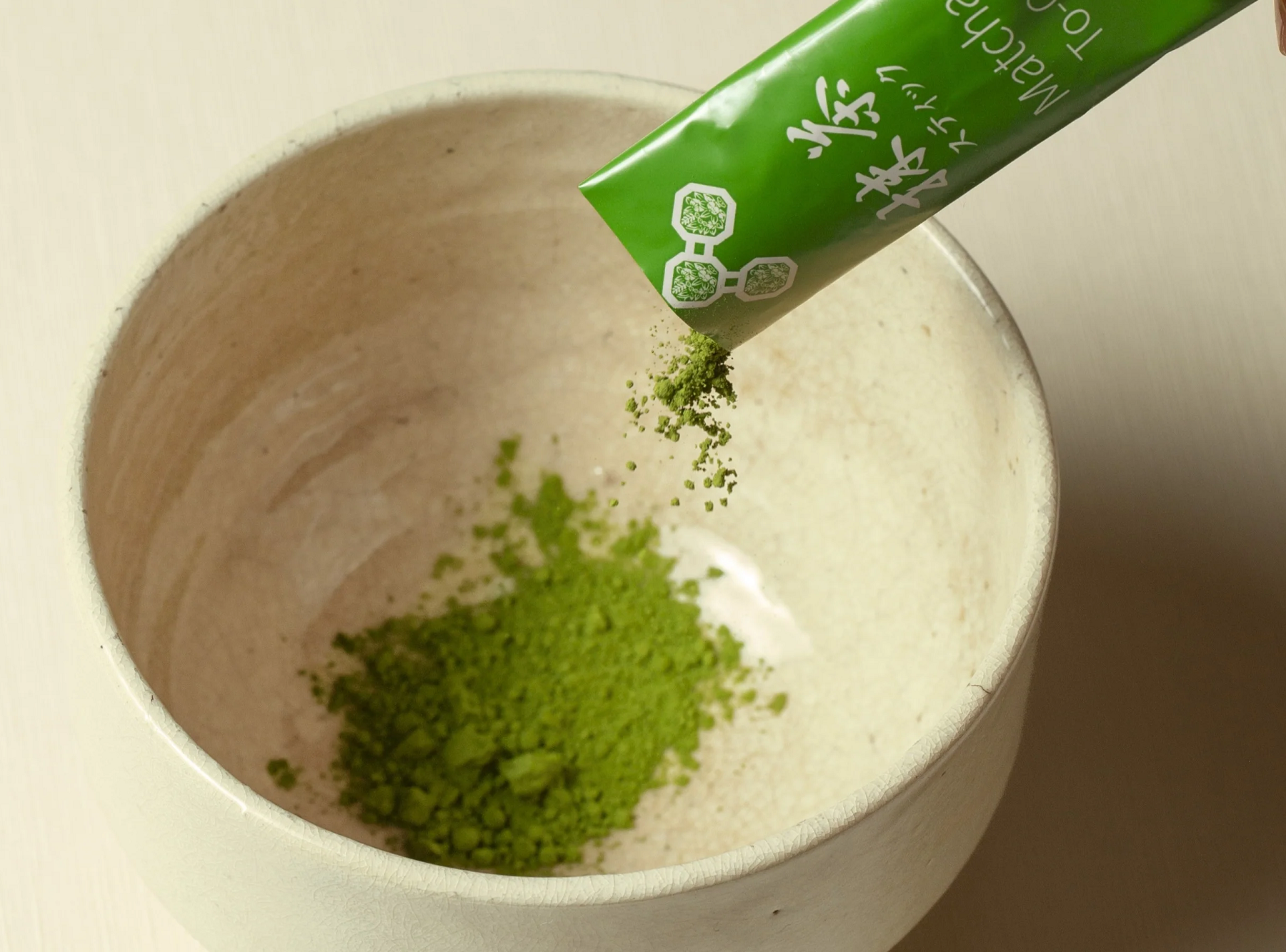
Stick packs or sachets
- Convenient for on-the-go consumption.
- Usually 2–5 grams per stick.
- Requires excellent sealing and uniform filling precision.
-
Aluminum foil bags
- The best protection for long-term storage and export.
- Blocks 100% of light and oxygen, extending product shelf life significantly.
Example packaging combinations
| Type | Common Material | Capacity | Suitable Market |
|---|---|---|---|
| Stand-up pouch | PET/AL/PE | 50–200g | Retail & E-commerce |
| Kraft bag | Paper/AL/PE | 50–100g | Organic & Boutique |
| Stick pack | PET/AL/CPP | 2–5g | Travel & Foodservice |
| Tin can + bag | AL bag inside tin | 100–200g | Premium & Gifts |
5. What are the advantages and benefits of these bagged matcha teas?
High-quality packaging doesn’t just preserve freshness — it enhances brand recognition, consumer trust, and market competitiveness.
1. Preservation and protection
Proper packaging protects matcha from:
- Light-induced degradation
- Oxidation
- Humidity absorption
- Flavor contamination
Well-designed packaging can increase shelf life from 3 months (unprotected) to over 12 months.
2. Brand differentiation
In a crowded market, packaging acts as the first impression. Color contrast, minimalism, metallic finishes, and eco-textures are popular design choices in 2025. Many brands now combine Japanese aesthetics (e.g., gold foil, minimalist calligraphy) with modern convenience (resealable pouches, QR-traceable authenticity labels).
3. Sustainability
The global tea packaging market is shifting toward eco-conscious solutions:
- Recyclable kraft paper laminates
- Compostable films
- Mono-material pouches (e.g., PE/PE)
According to Future Market Insights, green tea and matcha packaging will reach USD 1.3 billion by 2030, driven by sustainable innovations.
4. Consumer convenience
Easy-open zippers, degassing valves (for nitrogen-packed matcha), and resealable seals cater to modern lifestyles. Convenience increases customer retention by up to 25% in premium markets.
5. Aesthetic and emotional appeal
Modern consumers seek not just tea — but experience. High-end matcha packaging often integrates:
- Soft-touch matte laminates
- Minimalist geometric layouts
- Gold or white typography for premium branding
- Visual storytelling about sourcing and purity
6. Future trends in matcha bags
The matcha packaging industry continues to evolve, combining functionality, sustainability, and digital engagement.
1. Smart packaging technologies
- QR codes and NFC tags are used for authenticity verification and interactive storytelling.
- Consumers can scan packaging to see tea farm origins, roasting videos, and brewing tips.
2. Compostable and biodegradable materials
- The demand for PLA (polylactic acid) and cellulose-based films is growing rapidly.
- In 2025, about 22% of matcha pouches are expected to be fully compostable or recyclable.
3. Premiumization and personalization
- Custom print runs and digital printing allow smaller brands to create unique designs cost-effectively.
- Limited editions, seasonal blends, and personalized packaging are driving growth in e-commerce sales.
4. Minimalist luxury
- Simple color schemes (green, white, beige) and eco textures continue dominating design trends.
- Brands are moving from glossy finishes to matte, tactile surfaces that align with natural authenticity.
5. Export-oriented packaging improvements
- As matcha demand expands in North America and Europe, export packaging standards now focus on extended shelf life and compliance with FDA and EFSA food safety regulations.
Conclusion
Matcha is more than just finely ground tea — it’s a cultural symbol and a product of precise craftsmanship. To preserve its natural vitality and health benefits, appropriate packaging is crucial. From aluminum-foil pouches to eco-friendly kraft bags and nitrogen-sealed sachets, every packaging type plays a vital role in maintaining matcha’s freshness, color, and aroma.
As sustainability and smart packaging technologies continue to shape the global market, brands that invest in high-quality, innovative packaging solutions will stand out. In essence, the story of matcha extends beyond the tea itself — it’s also written in the design, material, and integrity of its packaging.