How Do You Choose the Right Packaging for Your Mushroom Powder?
Anna_Yu
How Do You Choose the Right Packaging for Your Mushroom Powder?
Mushroom powder has gained significant popularity in recent years due to its nutritional benefits, versatility, and growing use in functional foods, beverages, and dietary supplements. Whether used as a seasoning, health supplement, or ingredient in processed foods, mushroom powder requires careful packaging to maintain its quality, prevent contamination, and ensure a long shelf life.
As a finely milled, low-moisture product, mushroom powder is highly sensitive to environmental factors—especially humidity, oxygen, and light. Exposure to moisture can lead to clumping and microbial growth, while oxygen can degrade nutrients and flavor over time. Therefore, selecting the right packaging solution is critical for preserving product integrity.
Flexible packaging has become the preferred choice for mushroom powder due to its excellent barrier performance, lightweight structure, and strong customization capabilities. With the right materials, structure, and functional features, manufacturers can effectively protect the product while enhancing brand appeal. This guide explores the best packaging types, materials, and features to help you choose the most suitable solution for mushroom powder.

1. What Types of Flexible Packaging Are Best for Mushroom Powder Products?
Different packaging formats are suitable depending on product positioning and usage.
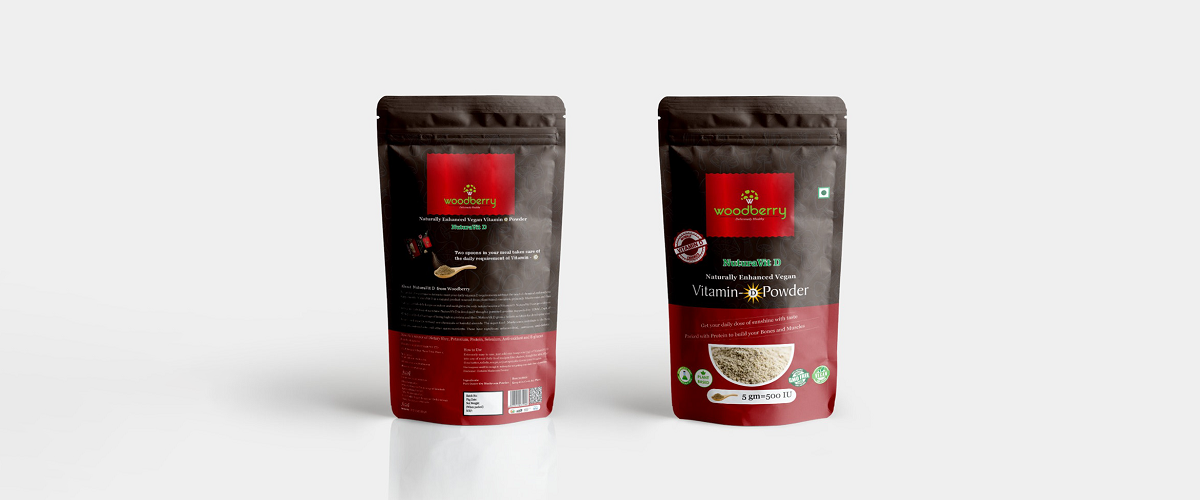
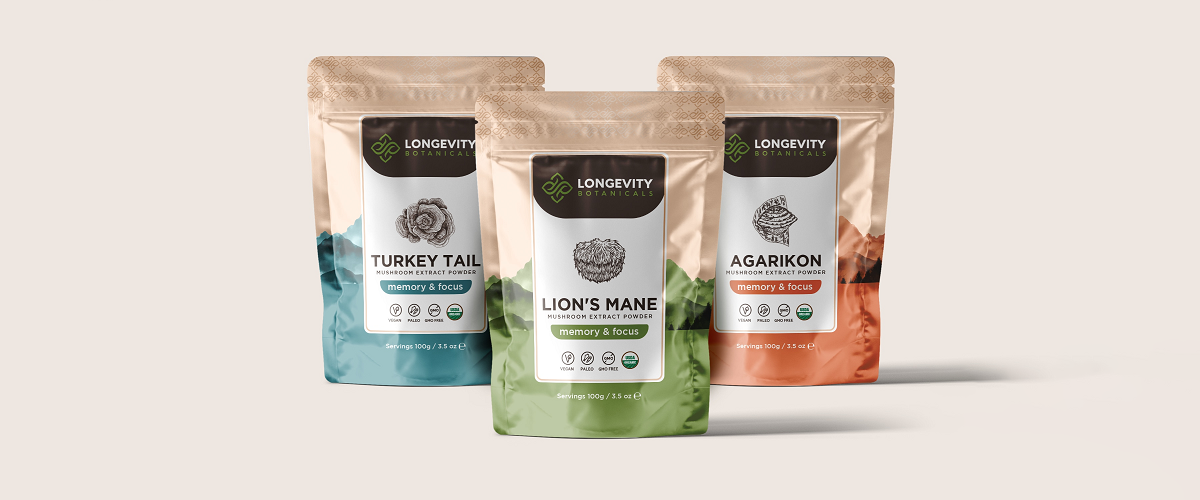
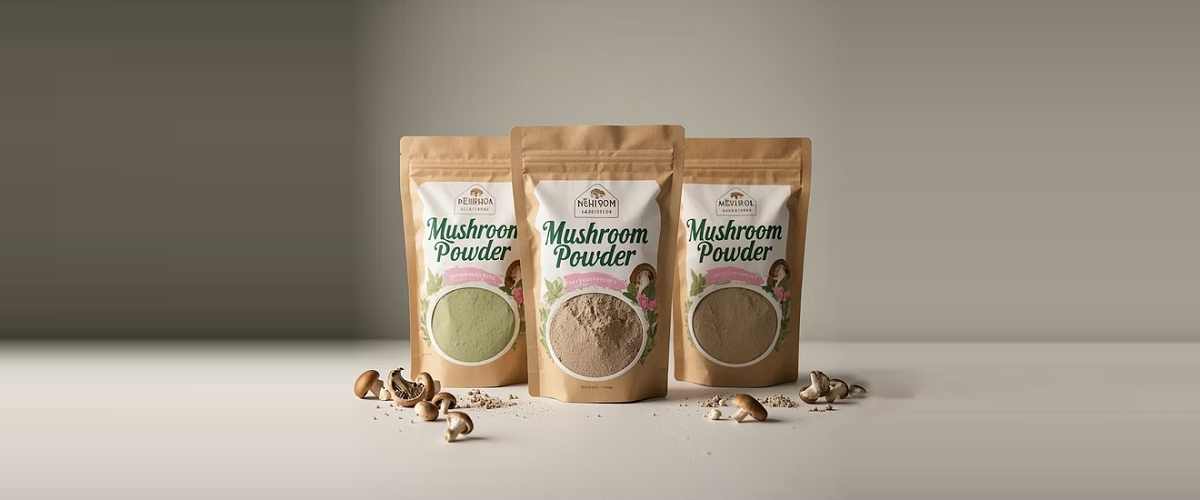
Stand-Up Pouches (Doypack)
- Ideal for retail packaging
- Strong shelf presence
- Suitable for resealable designs
Flat Pouches
- Cost-effective
- Common for single-use or sample packs
Gusseted Bags
- Suitable for bulk packaging
- Ideal for foodservice or industrial use
Sachets
- Perfect for portion control
- Convenient for on-the-go consumption
2. How Does Packaging Protect Mushroom Powder from Moisture and Clumping?
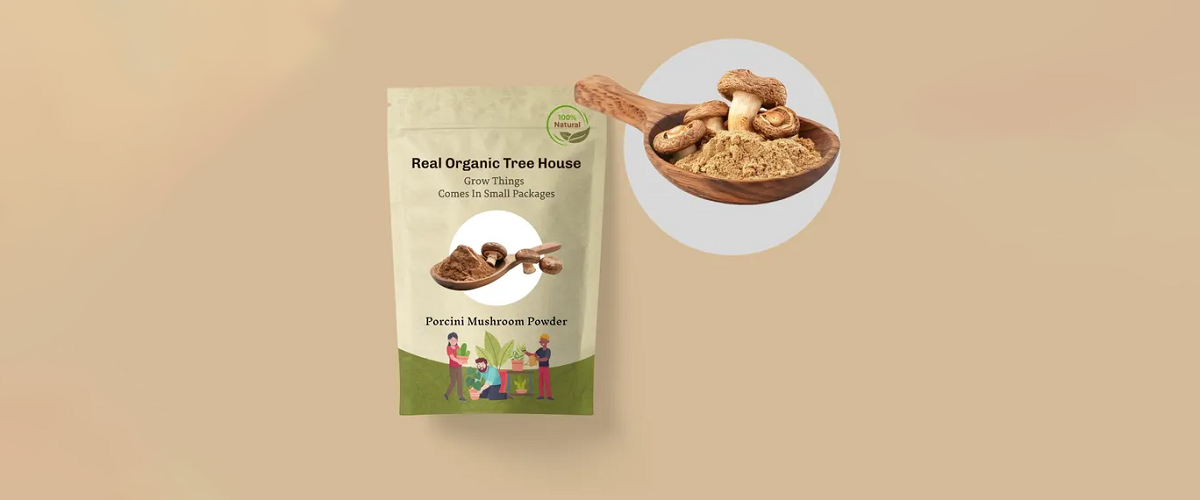
Mushroom powder must be protected from environmental exposure.
Moisture Barrier Protection
Prevents humidity from entering the package, avoiding clumping.
Airtight Sealing
Maintains a stable internal environment and prevents contamination.
Oxygen Control
Reducing oxygen exposure helps preserve:
- Nutritional value
- Flavor
- Color
Light Protection
Opaque or foil-based packaging prevents degradation caused by light.
3. Which Materials Offer the Best Barrier Protection for Powdered Foods?
Material selection is essential for maintaining product quality.
PET (Polyethylene Terephthalate)
- Strong and durable
- Excellent printability
- Suitable outer layer
PE (Polyethylene)
- Excellent sealing properties
- Flexible inner layer
Aluminum Foil
- Superior barrier against moisture, oxygen, and light
- Ideal for high-value or sensitive products
Metallized Films (MPET)
- Enhanced barrier performance
- Cost-effective alternative to foil
NY (Nylon)
- High puncture resistance
- Suitable for bulk packaging
Typical Laminated Structures
| Structure | Features | Applications |
|---|---|---|
| PET/PE | Cost-effective | Standard mushroom powder |
| PET/MPET/PE | Enhanced barrier | Retail and export |
| PET/AL/PE | Maximum protection | Premium or sensitive products |
| PET/NY/PE | Strong and durable | Bulk packaging |
4. What Packaging Features Improve Shelf Life and Product Stability?
Functional features play a key role in preserving mushroom powder quality.
Airtight Heat Sealing
Prevents air and moisture from entering the package.
Resealable Closures
Zipper features allow repeated use while maintaining freshness.
Desiccant Integration
Moisture absorbers help control humidity inside the package.
Easy-Open Design
Tear notches improve user convenience.
Nitrogen Flushing
Replacing oxygen with nitrogen extends shelf life and prevents oxidation.
5. Flexible Packaging for Mushroom Powder: Key Factors for Storage, Transport, and Export
A well-designed packaging strategy ensures product quality across the supply chain.
Storage Conditions
Packaging must protect against humidity and temperature fluctuations.
Transportation Efficiency
Lightweight packaging reduces shipping costs and improves logistics.
Shelf Life Optimization
High-barrier materials and proper sealing extend product stability.
Export Compliance
Packaging must meet international food safety and labeling standards.
Branding and Shelf Appeal
Custom printing and modern design enhance product visibility and consumer trust.
FAQ
Why does mushroom powder clump?
Moisture absorption is the main cause of clumping.
What is the best packaging for mushroom powder?
High-barrier flexible packaging such as PET/MPET/PE or PET/AL/PE structures is ideal.
Is resealable packaging necessary?
Yes. It helps maintain freshness after opening.
Can mushroom powder packaging be eco-friendly?
Yes. Sustainable materials and recyclable structures are increasingly available.
Conclusion
Choosing the right packaging for mushroom powder is essential to maintaining product quality, preventing clumping, and extending shelf life. Flexible packaging offers an effective solution by combining strong barrier protection, lightweight efficiency, and customizable design. By selecting appropriate materials, incorporating high-performance features such as airtight sealing and resealable closures, and considering storage and transport conditions, manufacturers can ensure product stability and enhance consumer satisfaction. As demand for functional and powdered foods continues to grow, well-designed flexible packaging will play a critical role in supporting product success in both domestic and international markets.