How Does Coffee Packaging Affect Flavor And Freshness?
Anna_Yu
How Does Coffee Packaging Affect Flavor And Freshness?
Coffee is an agricultural product with a highly complex chemical makeup, and every element of its handling—from harvesting, processing, roasting, grinding, storing, to packaging—plays a direct role in determining how long its aroma, flavor, and freshness last. While many consumers focus primarily on roast date, grind size, or brewing technique, professional roasters and packaging experts know that packaging is just as important. Packaging is not merely a protective container; it is a highly engineered preservation system designed to delay degradation, block external contaminants, slow oxidation, and maintain the sensory profile that roasters work so hard to develop.
In the world of specialty coffee, even small errors in packaging can result in massive losses in aroma compounds, flavor quality, and shelf life. Oxygen, moisture, UV light, and heat are the four major enemies of roasted coffee, and the right packaging must provide barriers against all of them. Meanwhile, packaging also influences user experience—whether buyers can reseal the bag, whether the bag maintains structural integrity after several openings, and whether the design communicates brand value.
As consumer expectations evolve and the global coffee market becomes more competitive, more roasters are switching to advanced multilayer flexible packaging. From degassing valves to high-barrier films to eco-friendly materials, packaging now plays an essential strategic role in product differentiation, market positioning, and flavor retention. This detailed guide explores the science of coffee spoilage, how packaging preserves flavor, how to select the appropriate bag structure, what materials work best, and what future trends brands should prepare for.

1. The Scientific Principles Behind Coffee Spoilage
Coffee spoilage occurs because roasted beans contain hundreds of volatile aromatic compounds that rapidly degrade when exposed to the environment. Understanding the underlying mechanisms helps clarify why packaging matters so much.
1.1 Oxidation
Once coffee beans are roasted, they begin releasing CO₂ and become highly sensitive to oxygen. Oxidation:
- breaks down lipids
- destroys volatile aroma compounds
- causes stale or rancid flavors
- accelerates flavor flattening
Even a small amount of O₂ inside a package can shorten shelf life dramatically. This is why oxygen barrier films and degassing valves are essential.
1.2 Moisture Absorption
Coffee beans and grounds are hygroscopic—they readily absorb humidity. When moisture enters:
- flavor becomes dull
- mold can develop in extreme conditions
- extraction becomes inconsistent
- shelf life decreases
High-barrier packaging prevents water vapor transmission (WVTR) and protects coffee in humid climates.
1.3 UV and Light Degradation
Light—especially UV—destroys aromatics and alters lipids. Clear packaging without UV protection is dangerous for coffee quality.
1.4 Loss of CO₂
CO₂ plays an important role:
- protects the beans from oxygen
- contributes to crema in espresso
- helps preserve aroma molecules
Roasted beans degas naturally, and improper packaging can trap excess pressure (causing bags to burst) or allow CO₂ to escape too quickly (leading to flavor loss).
1.5 Temperature Fluctuations
Heat accelerates every chemical reaction involved in spoilage. This is why storing coffee in hot warehouses, sunlight, or near stoves shortens shelf life even with good packaging.
2. How Can Packaging Maintain Flavor and Freshness?
Professional coffee packaging is designed as a multi-barrier system protecting against oxygen, moisture, light, and physical damage. Here are the key functions.
2.1 Oxygen Barrier Technologies
Modern coffee bags use multilayer laminations with extremely low OTR (oxygen transmission rate):
- Aluminum foil
- Metallized PET (MPET)
- EVOH barrier layers
- Nylon (PA) structures
High-barrier layers reduce oxygen permeability and can extend shelf life from weeks to 12 months or more.
2.2 Moisture Barrier Protection
WVTR (water vapor transmission rate) is equally critical. Materials such as PET, LLDPE, and nylon help minimize moisture absorption.
2.3 Degassing Valves
A one-way valve allows CO₂ to escape while blocking oxygen.
Benefits include:
- preventing bag swelling or rupture
- maintaining flavor stability
- allowing coffee to be packaged immediately after roasting
Without valves, roasters must wait days before packaging, losing valuable freshness.
2.4 UV and Light Protection
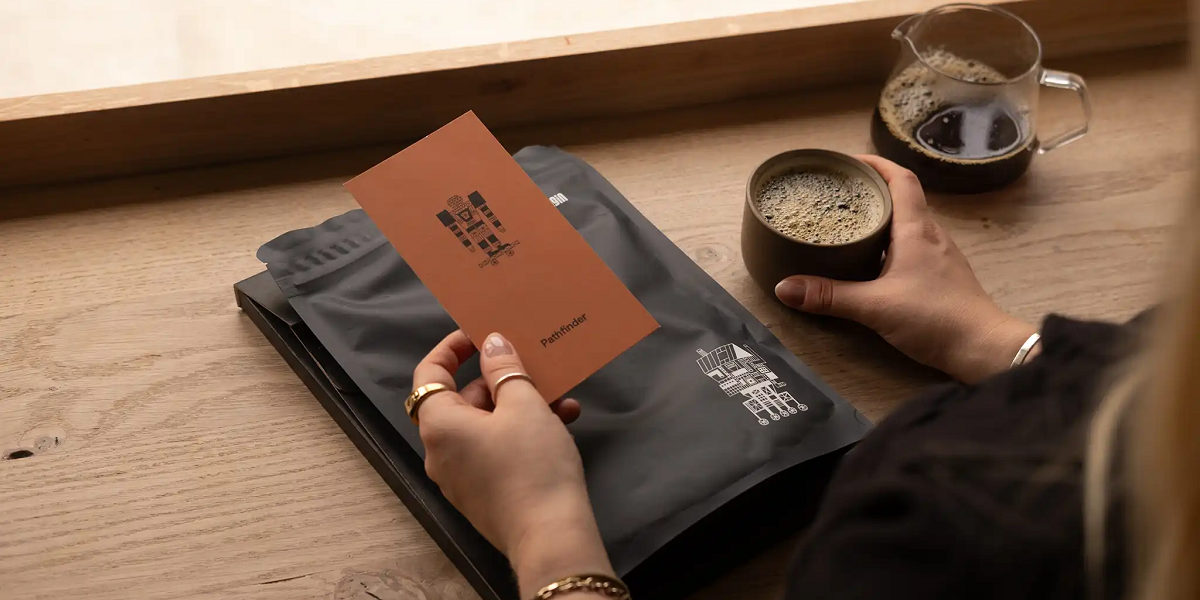
Metalized films and foil layers serve as strong UV shields. Matte finishes and tinted films also help reduce light exposure.
2.5 Resealable Features
A zipper or tin-tie helps preserve freshness after opening by minimizing oxygen re-entry.
2.6 Structural Integrity
Stand-up pouches and flat-bottom pouches maintain shape, protect against crushing, and support shelf display—an important commercial benefit.

3. How to Choose the Right Coffee Packaging Bag Type?
Different bag structures influence freshness, cost, usability, and brand impression. Here are the most common types.
3.1 Stand-Up Pouch
- Popular for medium-sized retail coffee
- Supports zippers, valves, and matte finishes
- Good for specialty coffee brands
3.2 Flat Bottom Pouch
- Premium appearance
- Highly stable on shelves
- Multi-panel printing maximizes branding
- Excellent for high-end whole bean coffee
3.3 Side-Gusset Bag
- Traditional style for larger volumes
- Used widely in wholesale coffee packaging
- Economical and space-efficient
3.4 Box Bottom Bag
Often considered the luxury variant of flat-bottom bags.
- Very strong branding presence
- Great for subscription coffee products
3.5 Pillow Pouch
- Cheapest option
- Used for small single-serve packs
- Not ideal for long-term storage
3.6 Sachets for Instant Coffee
- Small, lightweight, convenient
- Often paired with high-barrier foil structures
4. How to Choose the Materials for Coffee Packaging?
Material selection determines barrier properties, shelf life, sustainability, and cost.
4.1 PET
- Provides stiffness
- Good print quality
- Strong oxygen and moisture barrier
4.2 PE (LLDPE, LDPE)
- Heat-sealable layer
- Flexible and durable
- Food-safe
4.3 Nylon (PA)
- Excellent puncture resistance
- Needed for heavy, dense coffee bags
4.4 Aluminum Foil
- The highest barrier
- Zero light penetration
- Ideal for long-term storage or international shipping
4.5 Metallized PET (MPET)
- Lower cost alternative to foil
- Silver reflective appearance
- Good oxygen/light barrier
4.6 Kraft Paper Laminations
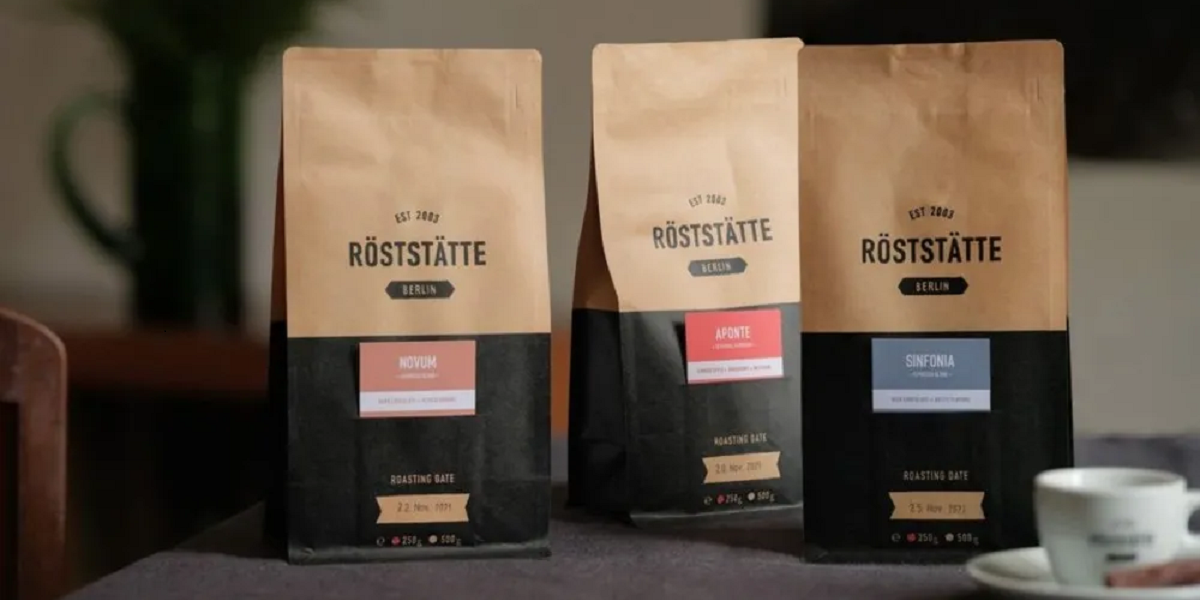
- Natural, eco-friendly appearance
- Must be laminated with inner barrier films
- Adds stiffness and improves perceived value
4.7 Eco-Friendly Materials
- Recyclable PE structures
- Compostable PLA options
- Paper-based options with barrier coatings
- Resealable recyclable zippers
Each option offers different balance points among performance, sustainability, and cost.
5. Future Trends in Coffee Packaging
The coffee packaging industry evolves with market expectations, sustainability regulations, and new technology.
5.1 Fully Recyclable Mono-Material Films
Instead of multilayer laminations (PET/ALU/PE), brands shift to:
- PE/PE recyclable films
- PP/PP recyclable films
- Barrier coatings replacing aluminum
5.2 Compostable Packaging
PLA, PBAT, kraft paper with plant-based coatings—ideal for eco-conscious brands.
5.3 Smart Packaging
- Oxygen indicators
- QR code traceability
- NFC chips for origin authentication
5.4 Premium Textures
Matte varnish, soft-touch finish, holographic films, or tactile patterns enhance brand image.
5.5 Lightweighting
Thinner films reduce waste, cost, and carbon footprint.
5.6 Transparent Coffee Windows with Barriers
Innovative clear barrier films allow visibility without sacrificing freshness.
FAQ
1. Why does coffee go stale so quickly?
Because roasted coffee contains fragile aromatic compounds that react with oxygen, moisture, heat, and light.
2. Do all coffees need a degassing valve?
Whole beans—yes. Ground coffee may require it depending on roast level.
3. Is aluminum foil always the best material?
Foil provides the highest barrier, but sustainable and recyclable alternatives are increasingly viable.
4. How long can coffee stay fresh in good packaging?
With proper high-barrier packaging:
- Whole bean: 6–12 months
- Ground coffee: 3–6 months
5. Can transparent bags preserve coffee freshness?
Not unless they have strong barrier coatings and UV protection.
Conclusion
Coffee freshness is a fragile and highly technical challenge. The right packaging—supported by degassing valves, high-barrier films, zipper systems, and strong structural design—plays an essential role in protecting the delicate aromatic compounds that define coffee quality. As consumers become more educated and brands seek greater differentiation, packaging has become both a functional requirement and a strategic marketing tool. Choosing the right materials, the right bag type, and the right preservation features ensures that the coffee customers enjoy matches the roaster’s intended flavor profile. With rising sustainability demands and rapid innovation in barrier technologies, the future of coffee packaging will be more advanced, more eco-friendly, and more aligned with global consumer expectations.