How Flexible Packaging Can Enhance Your Apparel Brand
Anna_Yu
How Flexible Packaging Can Enhance Your Apparel Brand
In today’s highly competitive fashion and apparel market, branding is no longer limited to clothing design, fabric quality, and pricing strategy. Packaging has become a powerful extension of brand identity, customer experience, and perceived value. Whether selling casual wear, sportswear, luxury fashion, or fast fashion products, apparel brands are increasingly using packaging as a key marketing and differentiation tool.
With the rapid growth of e-commerce, social media marketing, and direct-to-consumer (DTC) business models, apparel packaging now plays a crucial role in online visibility, unboxing experience, logistics efficiency, and customer retention. Traditional packaging solutions such as cardboard boxes, simple plastic bags, and generic mailers often fail to meet modern branding, sustainability, and cost optimization requirements.
Flexible packaging has emerged as a modern, adaptable, and cost-effective solution for apparel brands worldwide. Compared with rigid packaging, flexible packaging offers lightweight construction, customizable design, strong protective performance, and excellent compatibility with digital printing and branding strategies. From poly mailers and zipper bags to luxury garment pouches and reusable packaging solutions, flexible packaging enables fashion brands to enhance both operational efficiency and brand perception.
This comprehensive guide explores how flexible packaging can enhance apparel brands by examining branding benefits, packaging formats, protection mechanisms, customization features, and key design and cost optimization factors for sustainable business growth.
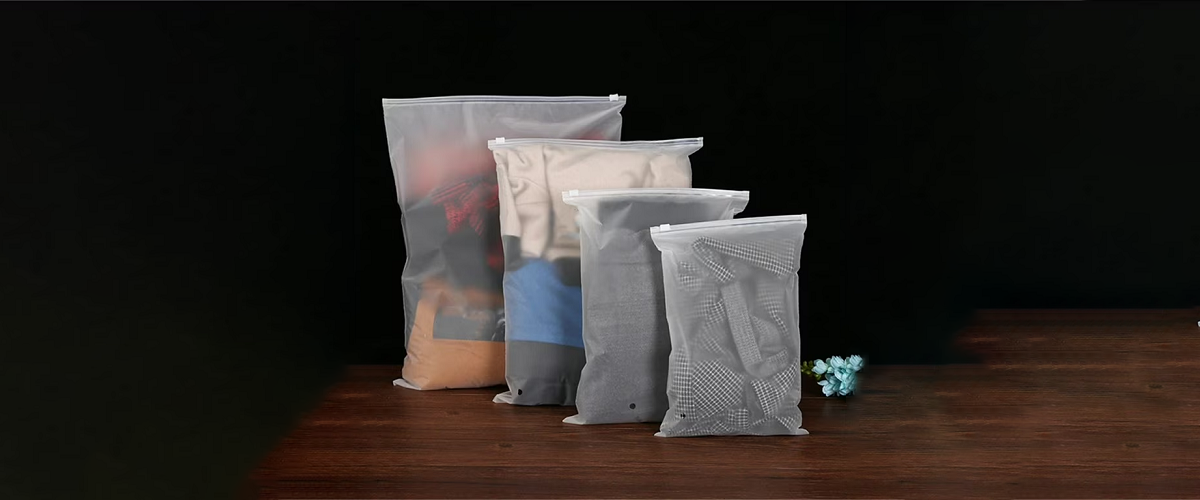
1. How Can Flexible Packaging Improve Branding for Apparel Products?
Flexible packaging directly influences how consumers perceive an apparel brand.
Creating Strong First Impressions
Packaging is often the first physical contact between the brand and the customer. High-quality flexible packaging helps create:
- Professional brand image
- Premium perception
- Emotional connection
Well-designed packaging enhances customer trust from the first interaction.
Supporting Visual Brand Identity
Flexible packaging allows full customization of:
- Brand colors
- Logos and slogans
- Typography and graphics
- Seasonal designs
This strengthens brand consistency across sales channels.
Enhancing Unboxing Experience
Unboxing has become a major part of digital marketing. Attractive flexible packaging improves:
- Social media shareability
- Influencer marketing impact
- Customer engagement
This turns packaging into free promotional content.
Reinforcing Brand Values
Packaging design can communicate:
- Sustainability commitments
- Ethical sourcing
- Minimalist philosophy
- Luxury positioning
Helping consumers emotionally connect with the brand.

2. What Types of Flexible Packaging Are Best for Clothing and Fashion Items?
Different apparel categories require different packaging formats.
Poly Mailers
Poly mailers are the most common flexible packaging for apparel e-commerce.
They are suitable for:
- T-shirts and casual wear
- Activewear
- Underwear and socks
- Lightweight garments
Advantages include low cost, water resistance, and easy customization.
Zipper Garment Bags
Resealable zipper bags are ideal for:
- Premium clothing
- Multi-piece sets
- Reusable packaging strategies
They improve product protection and perceived value.
Vacuum and Compression Bags
These bags are used for:
- Jackets and coats
- Bulk shipments
- International logistics
They reduce volume and transportation costs.
Luxury Flexible Pouches
High-end fashion brands often use:
- Soft-touch laminated pouches
- Matte-finish garment bags
- Drawstring flexible bags
These enhance luxury brand positioning.
Dust-Proof Storage Bags
Used for:
- Formal wear
- Wedding dresses
- Seasonal clothing
They provide long-term storage protection.
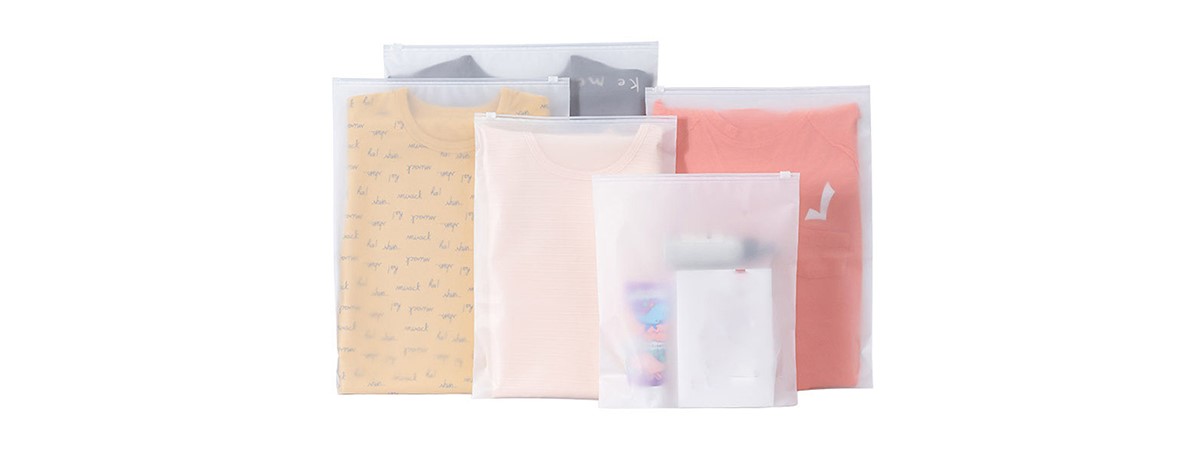
3. How Does Flexible Packaging Protect Apparel During Shipping and Storage?
Protection is essential for maintaining garment quality throughout the supply chain.
Moisture and Water Resistance
Flexible packaging prevents:
- Mold formation
- Fabric odor
- Color bleeding
- Fiber damage
This is especially important in humid environments.
Dust and Contamination Protection
Sealed flexible packaging protects apparel from:
- Dust particles
- Insects
- Industrial pollutants
- Handling contamination
Ensuring hygienic delivery.
Wrinkle and Shape Protection
Proper packaging structure helps reduce:
- Excessive folding
- Crease formation
- Fabric deformation
Maintaining product appearance.
Tear and Puncture Resistance
Multi-layer films provide strong resistance against:
- Transportation damage
- Sorting equipment friction
- Parcel compression
Reducing return rates.
Anti-Static Properties
Special coatings can reduce static buildup, protecting delicate fabrics.
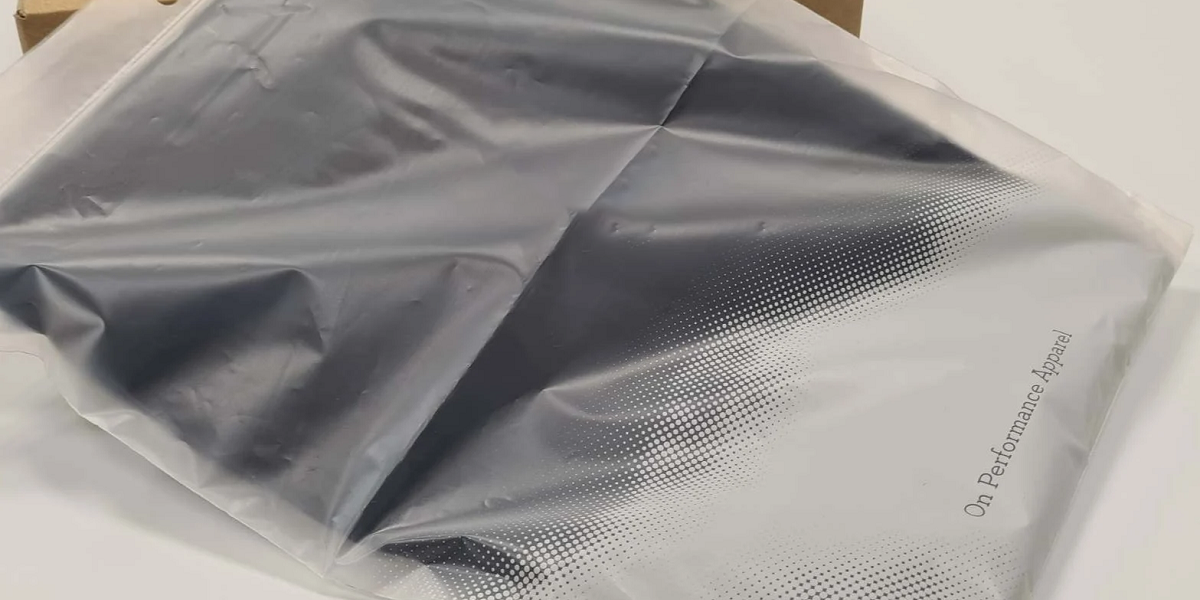
4. What Custom Packaging Features Help Apparel Brands Stand Out Online and Offline?
Customization transforms packaging into a strategic branding tool.
Custom Printing and Digital Graphics
Advanced printing enables:
- High-resolution designs
- Personalized packaging
- Limited-edition collections
- Regional branding
Supporting targeted marketing.
Resealable Closures
Zippers and adhesive strips allow:
- Reusable storage
- Convenient returns
- Improved customer satisfaction
Enhancing usability.
Easy-Open and Reclose Systems
Tear strips and dual-seal designs improve user experience.
QR Codes and Smart Labels
Smart packaging features enable:
- Product authentication
- Styling guides
- Care instructions
- Loyalty programs
Strengthening digital interaction.
Sustainable Customization Options
Eco-friendly features include:
- Biodegradable films
- Recyclable mono-materials
- Reduced material thickness
- Water-based inks
Appealing to environmentally conscious consumers.
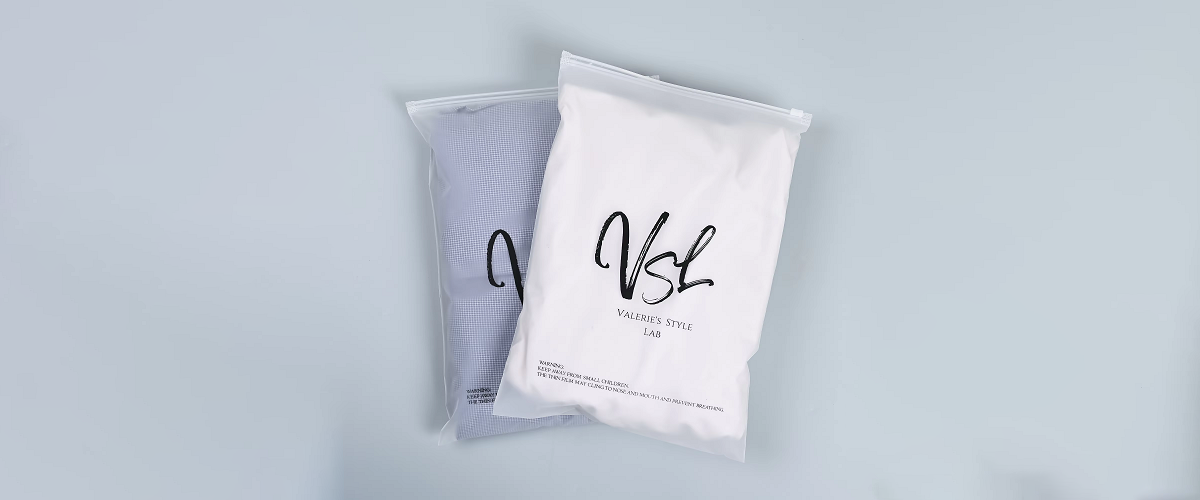
5. Flexible Packaging for Apparel Brands: Key Design and Cost Optimization Factors
Successful apparel packaging requires balancing branding, protection, and cost.
Packaging Cost Structure
Flexible packaging reduces costs by:
- Lower material usage
- Reduced shipping weight
- Lower storage requirements
Improving profit margins.
Logistics and Distribution Efficiency
Optimized packaging improves:
- Packing speed
- Warehouse efficiency
- Shipping density
- International shipping compliance
Supporting scalability.
Sustainability Strategy
Brands increasingly prioritize:
- Reusable packaging models
- Carbon footprint reduction
- Circular economy initiatives
Flexible packaging supports these goals.
Target Market Positioning
Packaging design should align with:
- Fast fashion vs. luxury
- DTC vs. wholesale
- Local vs. export markets
Ensuring consistent brand messaging.
Long-Term Supplier Partnership
Working with reliable packaging suppliers ensures:
- Stable quality
- Design innovation
- Cost control
- Fast lead times
Supporting long-term growth.
Industry Trends in Apparel Flexible Packaging
| Trend | Description | Market Impact |
|---|---|---|
| Reusable mailers | Returnable packaging | Sustainability branding |
| Smart packaging | QR & NFC integration | Customer engagement |
| Minimalist design | Clean aesthetics | Premium perception |
| Customization | Personalized packs | Loyalty improvement |
| Eco materials | Recyclable films | Regulatory compliance |
FAQ
Is flexible packaging suitable for luxury apparel brands?
Yes. Premium laminated pouches and custom finishes support luxury positioning.
Can flexible packaging reduce shipping costs?
Yes. Lightweight construction significantly lowers transportation expenses.
Are poly mailers durable enough for international shipping?
High-quality multi-layer mailers are suitable for global logistics.
Does flexible packaging support sustainable fashion branding?
Yes. Recyclable and reusable solutions align with eco-conscious branding.
Conclusion
Flexible packaging has become a strategic asset for modern apparel brands seeking stronger branding, better logistics performance, and improved customer experience. By leveraging lightweight materials, customizable designs, protective structures, and smart features, fashion companies can enhance product presentation while optimizing operational costs. In an era where unboxing, sustainability, and digital engagement shape consumer perception, flexible packaging is no longer just packaging—it is a core component of apparel brand success.