How to Choose Cookie and Wafer Packaging
Anna_Yu
How to Choose Cookie and Wafer Packaging
Cookies and wafers are among the most popular snack products worldwide, known for their crisp texture, delicate structure, and appealing flavors. However, these characteristics also make them highly sensitive to environmental factors such as moisture, oxygen, and physical impact. Without proper packaging, cookies can quickly become soft or stale, while wafers are especially prone to breakage due to their fragile layers.
For manufacturers and brands, choosing the right packaging is essential to maintaining product quality, extending shelf life, and delivering a positive consumer experience. Packaging must provide strong barrier protection, prevent mechanical damage, and offer convenience while also supporting branding and shelf appeal.
Flexible packaging has become the preferred solution for cookies and wafers due to its versatility, cost efficiency, and ability to incorporate protective and aesthetic features. From pillow pouches to tray-supported flow wraps, flexible packaging can be tailored to meet different product requirements. This guide explores the best packaging types, materials, and features to help you select the ideal solution for cookies and wafers.
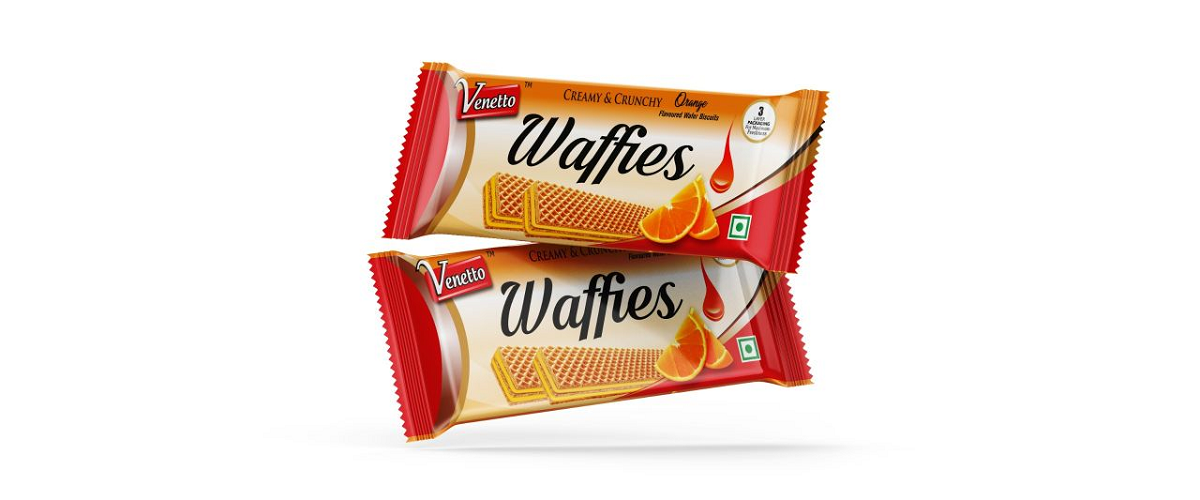
1. What Types of Flexible Packaging Are Best for Cookies and Wafers?
Different packaging formats are suitable depending on product type and positioning.
Flow Wrap (Pillow Pack)
- Common for single-serve or small packs
- High-speed production compatibility
- Cost-effective solution
Tray + Flow Wrap Combination
- Uses an inner tray to protect against breakage
- Ideal for fragile wafers and premium cookies
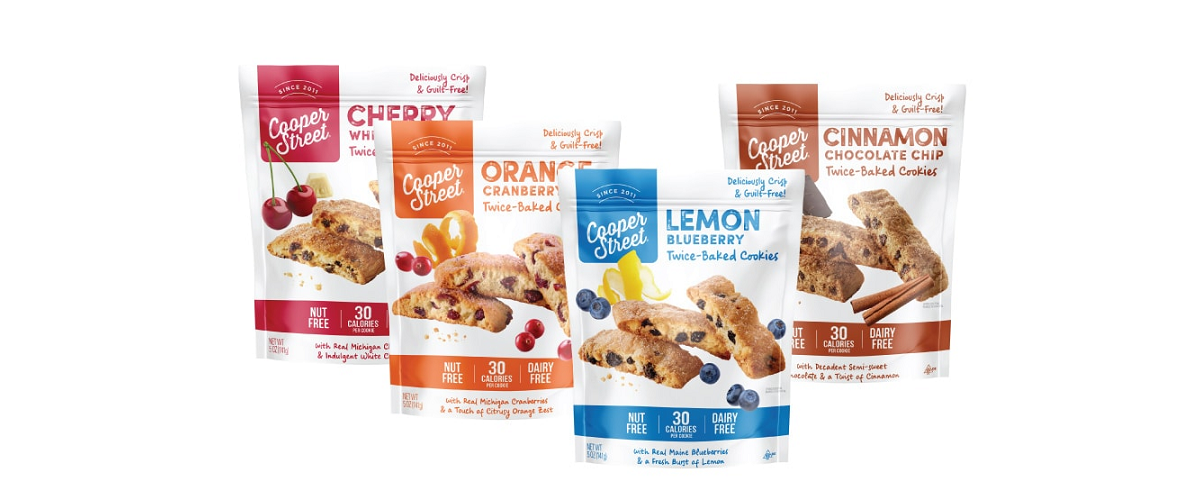
Stand-Up Pouches
- Suitable for premium or resealable products
- Strong shelf presence and branding opportunities
Gusseted Bags
- Ideal for bulk packaging or family-size packs
- Provides higher capacity and stability
Multi-Pack Packaging
- Combines multiple units for convenience and value
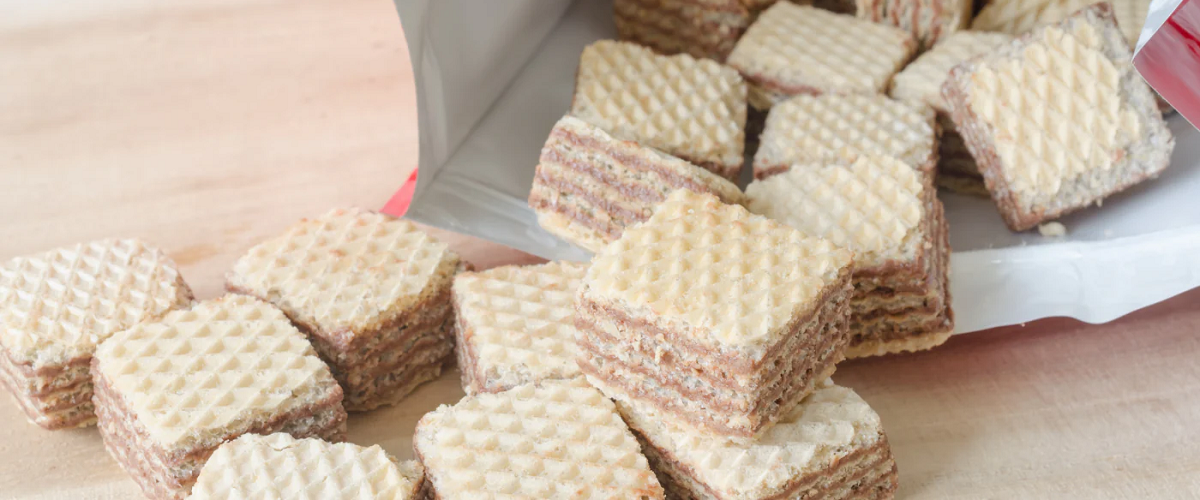
2. How Does Packaging Protect Cookies and Wafers from Breakage and Moisture?
Proper packaging ensures both physical and environmental protection.
Moisture Barrier
Prevents humidity from softening cookies and wafers, preserving crisp texture.
Structural Protection
Packaging formats with trays or thicker films reduce:
- Cracking
- Crushing
- Breakage
Airtight Sealing
Minimizes exposure to air, helping maintain freshness and flavor.
Cushioning Effect
Flexible packaging can absorb minor impacts during transportation.
3. Which Materials Offer the Best Barrier Protection for Crisp Texture and Freshness?
Material selection is key to maintaining product quality.
BOPP (Biaxially Oriented Polypropylene)
- Excellent moisture resistance
- High clarity
- Cost-effective
PET (Polyethylene Terephthalate)
- Strong and durable
- Good printability
- Suitable for outer layers
PE (Polyethylene)
- Excellent sealing properties
- Flexible inner layer
Metallized Films (MPET)
- Enhanced barrier against moisture and oxygen
- Suitable for longer shelf life
Aluminum Foil
- Superior barrier protection
- Ideal for premium or export products
Typical Laminated Structures
| Structure | Features | Applications |
|---|---|---|
| BOPP/PE | Cost-effective | Standard cookies |
| PET/PE | Strong and reliable | Retail packaging |
| PET/MPET/PE | Enhanced barrier | Premium cookies and wafers |
| PET/AL/PE | Maximum protection | High-end or export products |
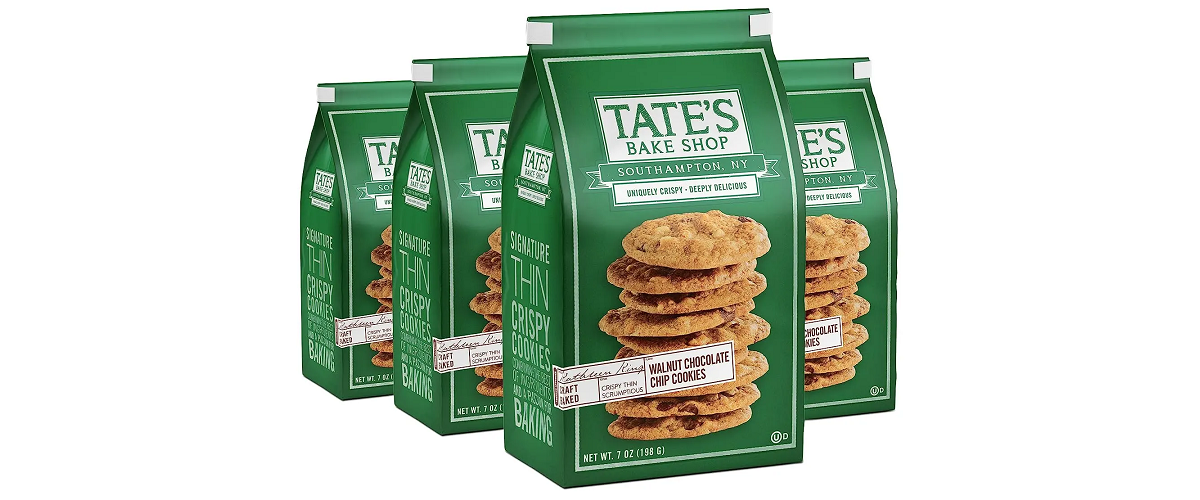
4. What Packaging Features Improve Shelf Life and Consumer Convenience?
Functional features enhance both product performance and user experience.
Airtight Heat Sealing
Prevents moisture and air from entering the package.
Resealable Closures
Zippers allow consumers to maintain freshness after opening.
Easy-Open Design
Tear notches improve accessibility and convenience.
Portion Control Packaging
Individual packs help preserve freshness and reduce waste.
Nitrogen Flushing
Replacing oxygen with nitrogen helps maintain crispness and extend shelf life.
5. Flexible Packaging for Cookies and Wafers: Key Factors for Storage, Transport, and Branding
A well-designed packaging strategy supports the entire supply chain.
Storage Conditions
Packaging must protect against humidity and temperature changes.
Transportation Protection
Durable materials and structural support reduce breakage during shipping.
Shelf Life Optimization
High-barrier materials and proper sealing extend product freshness.
Branding and Shelf Appeal
Custom printing and attractive designs enhance visibility and consumer interest.
Cost Efficiency
Flexible packaging reduces material and transportation costs compared to rigid alternatives.
FAQ
Why do cookies and wafers lose their crispness?
Moisture absorption is the main cause of softening and loss of texture.
What packaging is best for fragile wafers?
Tray-supported flow wrap packaging provides extra protection against breakage.
Which materials are commonly used for cookie packaging?
BOPP, PET, PE, metallized films, and aluminum foil are widely used.
Is resealable packaging necessary?
It is not mandatory but highly recommended for maintaining freshness after opening.
Conclusion
Choosing the right packaging for cookies and wafers is essential to preserving their crisp texture, preventing breakage, and ensuring long shelf life. Flexible packaging offers a versatile and cost-effective solution, combining strong barrier protection with customizable design and convenient features. By selecting appropriate materials, incorporating protective structures, and adding user-friendly elements such as resealable closures, brands can enhance product quality and consumer satisfaction. As competition in the snack market continues to grow, effective packaging will remain a key factor in delivering both performance and visual appeal.