How to Choose Flexible Packaging for Baguettes
Anna_Yu
How to Choose Flexible Packaging for Baguettes
Baguettes are one of the most iconic bakery products in the world. Known for their crisp crust, airy crumb structure, and elongated shape, baguettes present unique packaging challenges compared with standard sliced bread or soft rolls. Whether sold fresh in bakeries, distributed through supermarkets, or exported as par-baked or frozen products, baguettes require carefully selected packaging solutions to maintain crust texture, prevent moisture imbalance, and ensure safe transportation.
Unlike soft bread, baguettes rely on a delicate balance between internal moisture retention and external crust crispness. Excessive moisture accumulation inside packaging can soften the crust, while too much moisture loss can cause staling and crumb hardening. Additionally, their long shape increases the risk of breakage during handling and distribution. Therefore, packaging must provide structural protection, controlled breathability, and sufficient barrier performance depending on the product type.
Flexible packaging has become the preferred solution for baguette products due to its lightweight structure, customizable film properties, cost efficiency, and adaptability to fresh, chilled, or frozen supply chains. By selecting appropriate materials and design features, manufacturers and bakeries can significantly improve product presentation, shelf life, and transportation efficiency.
This comprehensive guide explains how to choose the right flexible packaging for baguettes, focusing on packaging types, material balance, freshness preservation, retail presentation, and storage considerations.
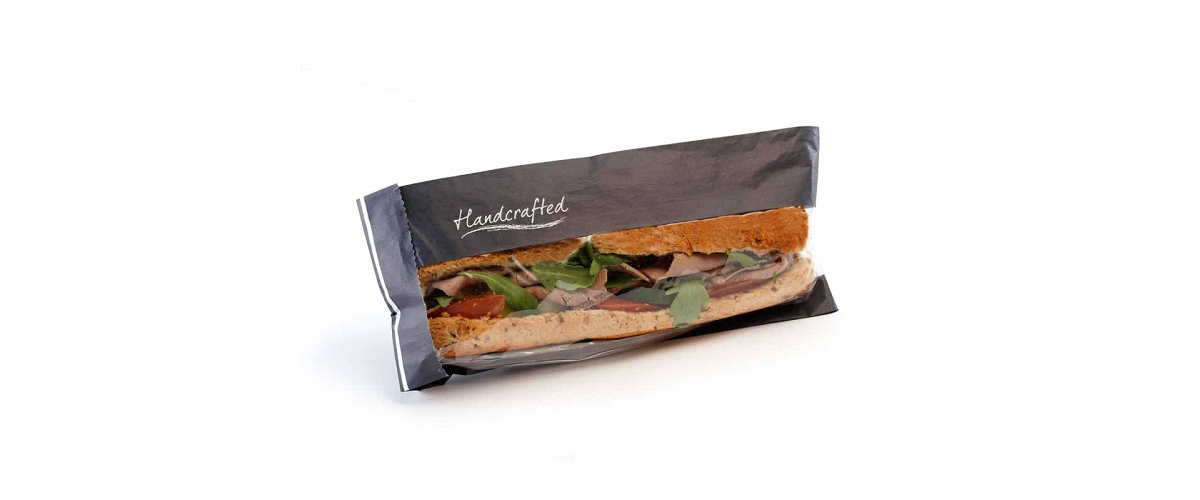
1. What Types of Flexible Packaging Are Best for Baguette Products?
Different baguette formats require different packaging approaches.
Perforated Poly Bags
Commonly used for:
- Fresh bakery baguettes
- In-store daily production
- Short shelf life products
Micro-perforations allow controlled air exchange, helping maintain crust crispness.
Flow Wrap Packaging
Suitable for:
- Supermarket distribution
- Semi-automatic production lines
Provides moderate protection while maintaining product visibility.
Paper-Plastic Composite Bags
Often used for:
- Artisan baguettes
- Premium bakery positioning
These combine natural paper appearance with internal moisture protection.
Stand-Up Pouches (Frozen or Par-Baked)
Ideal for:
- Frozen baguettes
- Export distribution
Offer stronger moisture barrier and better stacking stability.
Shrink Film (Selective Use)
Applied to:
- Par-baked products
- Controlled moisture retention
Helps reduce contamination risk during transportation.
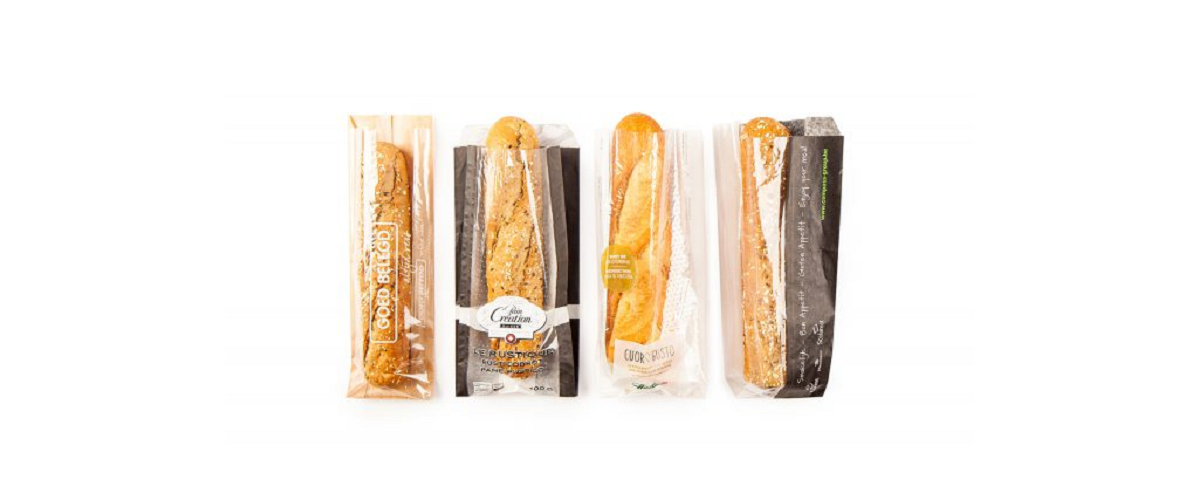
2. How Does Flexible Packaging Help Maintain Baguette Freshness and Crust Texture?
Baguette freshness depends on moisture balance.
Controlled Breathability
Fresh baguettes release steam after baking. Proper perforation:
- Prevents condensation
- Reduces crust softening
- Maintains crisp texture
Moisture Retention for Crumb
Packaging must:
- Minimize excessive water loss
- Prevent rapid staling
- Maintain internal softness
Protection from External Humidity
High environmental humidity can:
- Soften crust
- Encourage mold growth
Packaging structure must match climate conditions.
Prevention of Mechanical Damage
Flexible films protect against:
- Surface scratches
- Breakage during stacking
- Transportation pressure
Especially important for long baguette shapes.
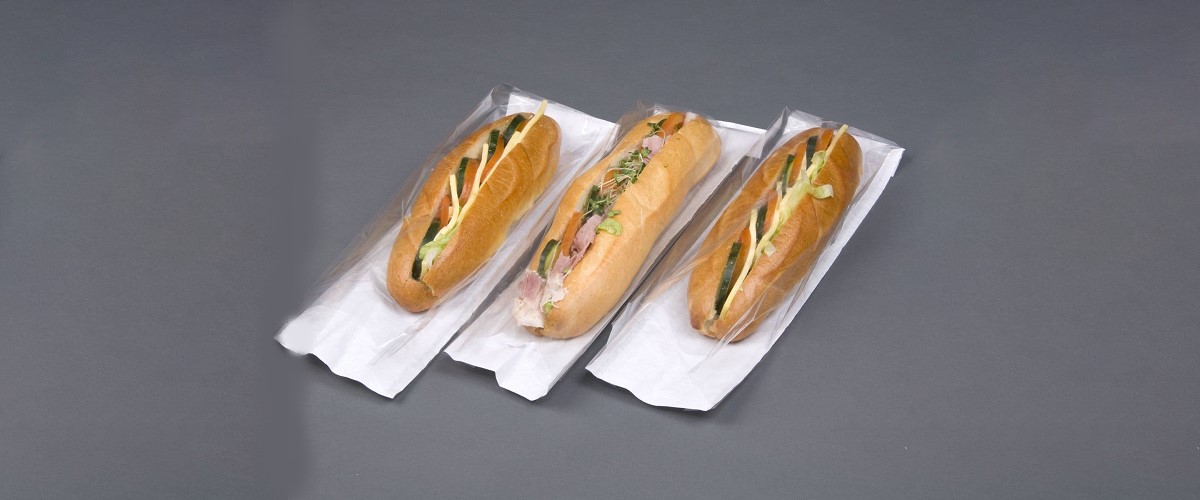
3. Which Packaging Materials Offer the Right Balance Between Breathability and Protection?
Material selection depends on product type.
LDPE (Low-Density Polyethylene)
Common for:
- Fresh bread
- Short shelf-life distribution
Offers flexibility and moderate moisture barrier.
BOPP Films
Provide:
- Better clarity
- Stronger mechanical strength
- Controlled perforation options
Suitable for retail display.
CPP (Cast Polypropylene)
Offers improved seal strength and clarity for flow-wrapped baguettes.
Paper + PE Laminates
Combine:
- Traditional bakery aesthetics
- Internal moisture resistance
Used for artisan and premium positioning.
High-Barrier Laminates (Frozen Applications)
For frozen or export baguettes:
- PET/PE
- PET/VMPET/PE
Provide low moisture vapor transmission and freezer resistance.

4. What Packaging Features Improve Shelf Life and Retail Presentation?
Modern bakery packaging must combine functionality with branding.
Micro-Perforation Technology
Allows:
- Steam release
- Mold risk reduction
- Crust texture preservation
Crucial for freshly baked baguettes.
Transparent Windows
Enable:
- Visual inspection
- Consumer confidence
- Enhanced shelf appeal
Especially important in supermarket settings.
Easy-Tear Openings
Improve consumer convenience without damaging crust.
Resealable Options (For Frozen Products)
Help:
- Maintain quality after opening
- Support multi-use consumption
High-Quality Printing
Bakery brands often emphasize:
- Artisan heritage
- Natural ingredients
- European origin themes
Matte finishes and kraft-style designs are popular trends.
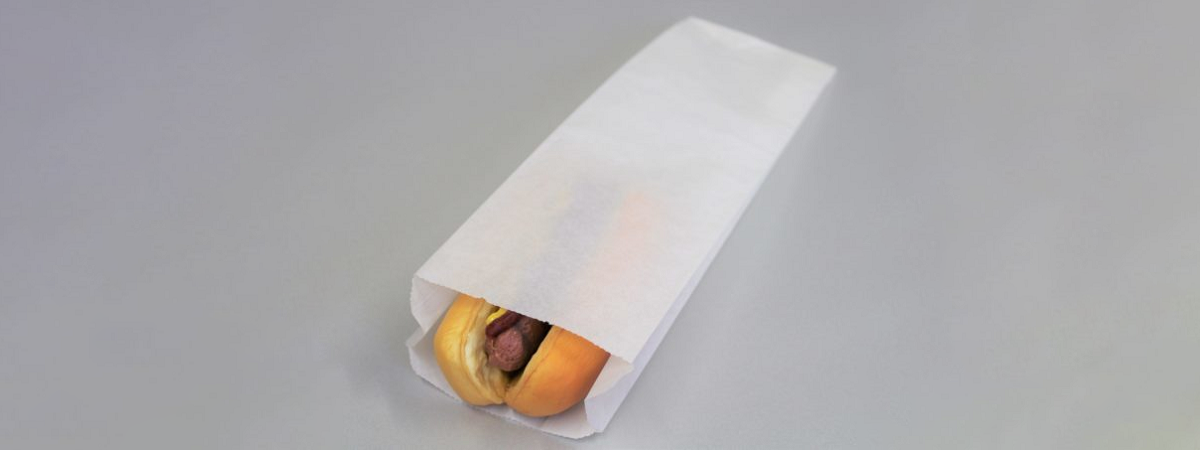
5. Flexible Packaging for Baguettes: Key Factors for Storage and Distribution
Strategic packaging decisions depend on supply chain conditions.
Fresh Daily Distribution
For same-day sales:
- Breathable films
- Minimal barrier
- Cost-effective solutions
Supermarket Shelf Display
Requires:
- Balanced breathability
- Good clarity
- Strong seal strength
Frozen and Par-Baked Export
Requires:
- High moisture barrier
- Freezer resistance
- Strong puncture resistance
Transportation Stability
Long baguette shapes require packaging that:
- Prevents bending
- Minimizes breakage
- Maintains structural integrity
Sustainability Considerations
Increasing demand for:
- Recyclable mono-material films
- Reduced plastic thickness
- Paper-based hybrid packaging
Aligning with environmentally conscious consumers.
Industry Trends in Baguette Flexible Packaging
| Trend | Description | Market Impact |
|---|---|---|
| Micro-perforated films | Controlled breathability | Improved crust texture |
| Paper-plastic composites | Artisan branding | Premium positioning |
| Recyclable PE films | Eco-friendly packaging | Regulatory compliance |
| Frozen export packaging | High-barrier laminates | Global distribution growth |
| Minimalist design | Clean bakery aesthetics | Strong shelf appeal |
FAQ
What is the best packaging for fresh baguettes?
Micro-perforated LDPE or BOPP bags are ideal for maintaining crust crispness.
Should baguettes be fully sealed?
Fresh baguettes require controlled breathability rather than completely airtight sealing.
What packaging is suitable for frozen baguettes?
High-barrier multi-layer laminates with freezer resistance are recommended.
How can packaging prevent baguette staling?
By balancing moisture retention while allowing minimal air exchange.
Conclusion
Choosing the right flexible packaging for baguettes requires a careful balance between breathability and protection. Fresh baguettes need controlled ventilation to preserve crust texture, while frozen or export products demand high moisture barriers and strong structural protection. Flexible packaging provides adaptable solutions that enhance freshness, improve retail presentation, reduce transportation damage, and optimize costs. By aligning material selection and packaging design with distribution strategy and storage conditions, bakery manufacturers can maintain product quality and strengthen competitiveness in both local and international markets.