How to Choose Flexible Packaging for Spanish Olives?
Anna_Yu
How to Choose Flexible Packaging for Spanish Olives?
Spanish olives are a globally recognized product, valued for their rich flavor, diverse varieties, and versatility in culinary applications. Whether sold whole, sliced, stuffed, or marinated, olives are typically preserved in brine or oil, making their packaging requirements significantly different from dry food products. The presence of liquid, salt, and acidity means that packaging must provide excellent sealing, chemical resistance, and barrier performance.
Traditional packaging formats such as glass jars and metal cans have long been used for olives. However, flexible packaging is rapidly gaining popularity due to its lightweight structure, cost efficiency, and adaptability to modern distribution systems. For olive producers and exporters, choosing the right flexible packaging is essential to maintaining product quality, preventing leakage, and ensuring long shelf life.
Flexible packaging solutions such as stand-up pouches and spout pouches offer strong barrier protection while improving convenience and reducing transportation costs. This guide explores the best packaging types, materials, and features for Spanish olives, helping you select the most suitable solution for storage, distribution, and export.
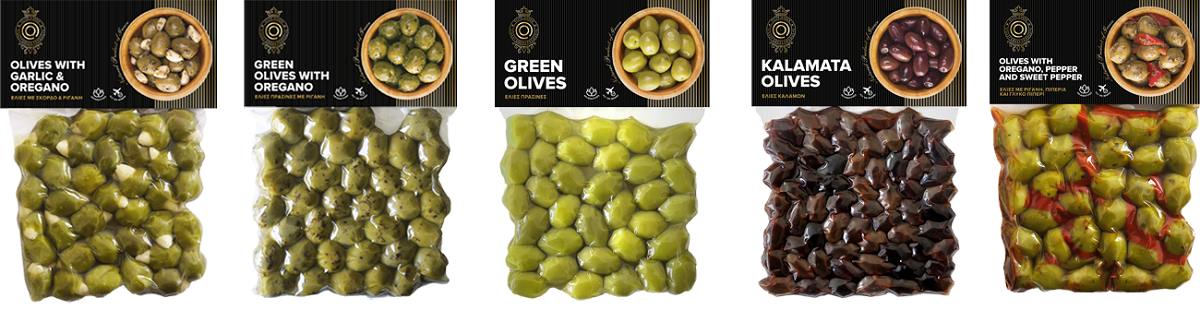
1. What Types of Flexible Packaging Are Best for Spanish Olive Products?
Different packaging formats are suitable depending on product type and usage.
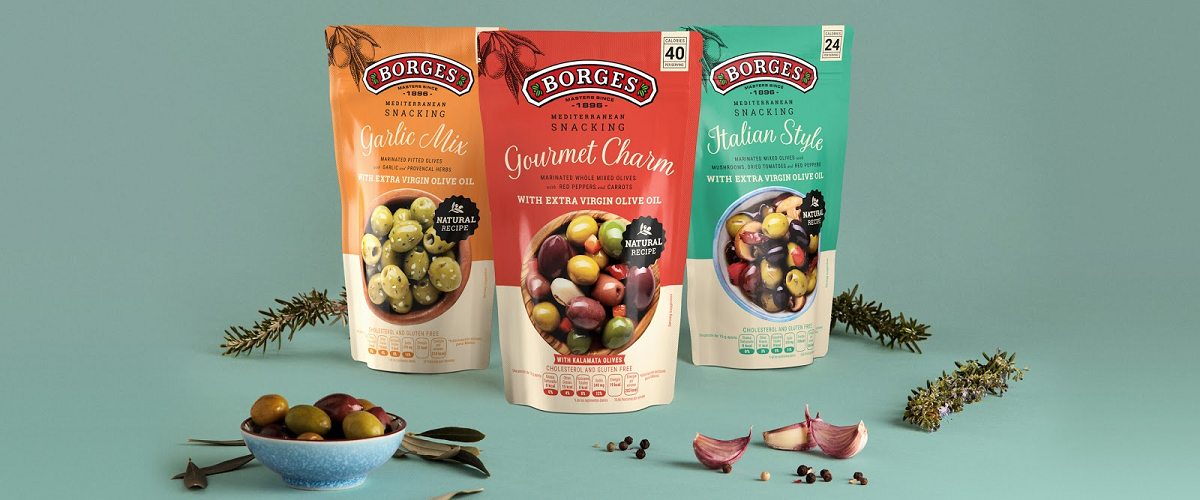
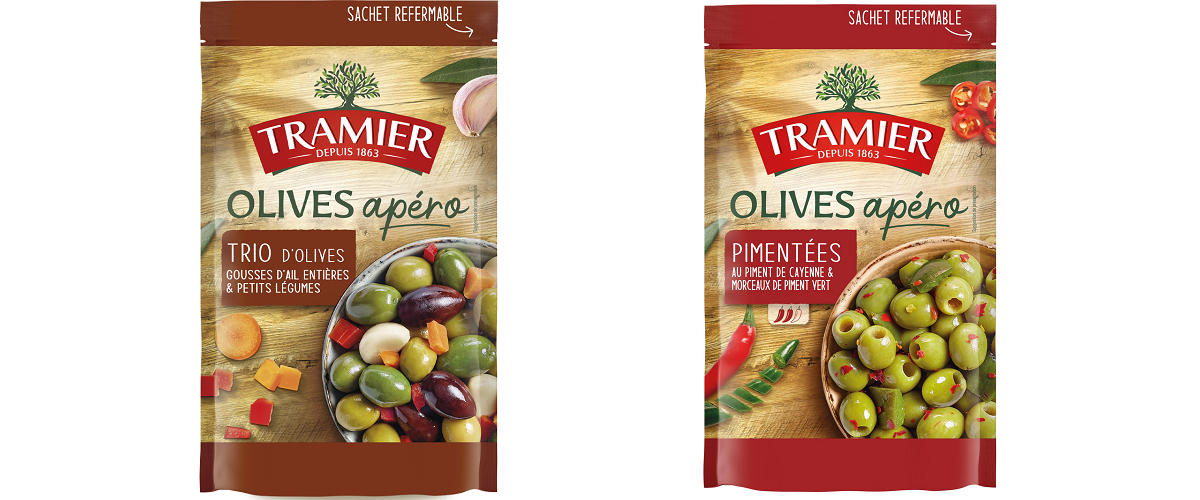
Stand-Up Pouches (Doypack)
- Ideal for retail packaging
- Strong shelf presence
- Suitable for olives in brine or oil
Spout Pouches
- Designed for liquid-containing products
- Easy pouring and resealing
- Suitable for sliced or marinated olives
Vacuum Pouches
- Removes air to extend shelf life
- Suitable for low-liquid or drained olives
Flat Pouches
- Cost-effective solution
- Common for bulk or foodservice packaging
2. How Does Flexible Packaging Handle Brine and Liquid Preservation for Olives?
Olives require packaging that can safely contain liquids.
Leak-Proof Sealing
High-quality seals prevent leakage of brine or oil during storage and transport.
Liquid Resistance
Packaging materials must resist:
- Salt corrosion
- Oil penetration
- Acidic components
Pressure Resistance
Flexible packaging must withstand internal pressure changes during transportation.
Compatibility with Filling Processes
Spout-fill and vacuum-fill systems ensure efficient and hygienic packaging.
3. Which Materials Provide the Best Barrier Protection Against Oxygen and Leakage?
Material selection is critical for preserving olive quality.
PET (Polyethylene Terephthalate)
- Strong and durable
- Excellent printability
- Suitable outer layer
NY (Nylon)
- High puncture resistance
- Ideal for liquid-containing products
PE (Polyethylene)
- Excellent sealing properties
- Chemical resistance
- Suitable inner layer
Aluminum Foil
- Superior barrier against oxygen and light
- Ideal for premium or export products
Metallized Films
- Enhanced barrier performance
- Cost-effective alternative to foil
Typical Laminated Structures
| Structure | Features | Applications |
|---|---|---|
| PET/PE | Cost-effective | Standard olive packaging |
| PET/NY/PE | Strong and puncture-resistant | Liquid-heavy products |
| PET/MPET/PE | Enhanced barrier | Retail and export |
| PET/AL/PE | Maximum protection | Premium or long shelf life products |
4. What Packaging Features Improve Shelf Life and Prevent Contamination?
Functional features are essential for maintaining safety and quality.
Airtight Heat Sealing
Prevents contamination and leakage.
High Barrier Layers
Protect against oxygen and light, preserving flavor and color.
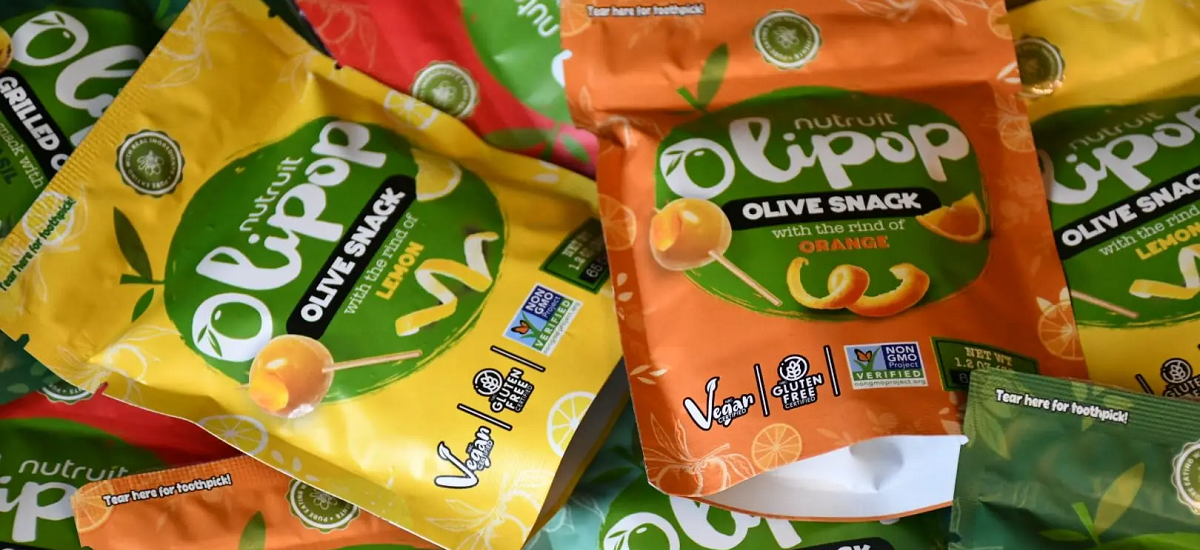
Resealable Closures
Allow consumers to reuse packaging while maintaining freshness.
Tamper-Evident Features
Ensure product safety and build consumer trust.
Anti-Leak Design
Reinforced seals and spout systems minimize the risk of spills.
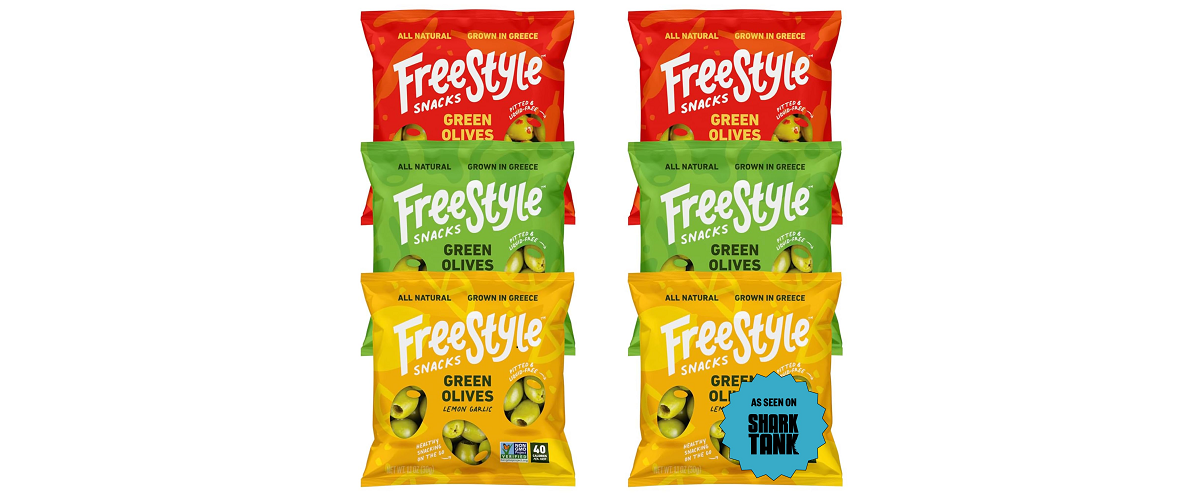
5. Flexible Packaging for Spanish Olives: Key Factors for Storage, Transport, and Export
A well-designed packaging strategy supports product performance across the supply chain.
Storage Stability
Packaging must withstand varying temperatures and humidity levels.
Transportation Efficiency
Lightweight flexible packaging reduces shipping costs and improves logistics.
Shelf Life Optimization
Barrier materials and proper sealing extend product lifespan.
Export Requirements
Packaging must comply with international food safety and labeling regulations.
Branding and Shelf Appeal
High-quality printing and modern design enhance market competitiveness.
FAQ
Can olives be packaged in flexible pouches instead of jars?
Yes. Flexible packaging is increasingly used as a lightweight and cost-effective alternative.
Are spout pouches suitable for olives?
Yes. They are ideal for liquid-based olive products, allowing easy pouring and resealing.
What is the main challenge in olive packaging?
Preventing leakage and maintaining product quality in a liquid environment.
Which materials are best for olive packaging?
PET, nylon (NY), PE, aluminum foil, and metallized films are commonly used.
Conclusion
Choosing the right flexible packaging for Spanish olives requires careful consideration of liquid handling, barrier performance, and durability. With the right combination of materials and design features, flexible packaging can effectively prevent leakage, preserve flavor, and extend shelf life while offering significant advantages in cost and transportation efficiency. In addition to its functional benefits, flexible packaging provides strong opportunities for branding and product differentiation. As global demand for convenient and sustainable packaging grows, flexible solutions are becoming an increasingly important choice for olive producers and exporters.