How to Choose High-Quality Flexible Packaging for Yogurt Cubes
Anna_Yu
How to Choose High-Quality Flexible Packaging for Yogurt Cubes
Yogurt cubes have become increasingly popular as a nutritious snack and ingredient for breakfast cereals, trail mixes, freeze-dried fruit blends, and children's snacks. Depending on the manufacturing process, yogurt cubes may be freeze-dried, dehydrated, or made from yogurt-coated fruit pieces. Their crispy texture, creamy flavor, and nutritional appeal make them attractive to health-conscious consumers. However, these products are highly sensitive to moisture, oxygen, and contamination, making high-quality flexible packaging essential for maintaining freshness and product quality.
One of the biggest challenges in packaging yogurt cubes is preserving their crisp texture. Even a small amount of moisture can quickly soften the cubes, reducing their crunch and negatively affecting the eating experience. Oxygen exposure may also lead to flavor deterioration, oxidation of dairy ingredients, and reduced nutritional quality over time. As premium snack products continue to gain popularity, consumers also expect attractive packaging that is convenient, portable, and environmentally responsible.
Flexible packaging has become the preferred solution for yogurt cube products because it offers outstanding barrier protection, lightweight transportation, customizable printing, and cost-effective production. Whether packaging retail snack portions, breakfast toppings, or bulk food ingredients, flexible packaging provides the versatility needed to protect product quality while enhancing brand value. This guide explores the key considerations for choosing high-quality flexible packaging for yogurt cubes.
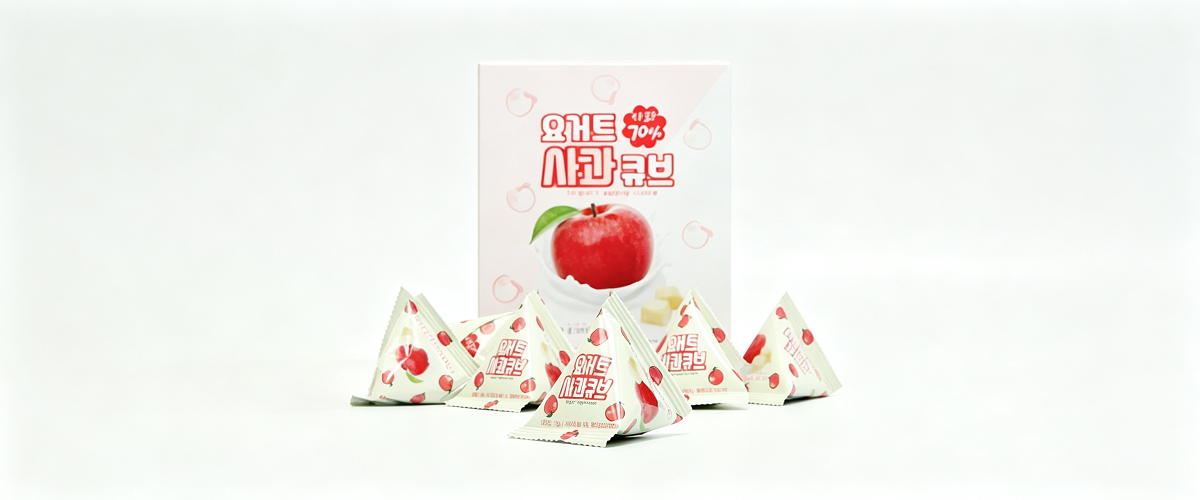
1. What Types of Flexible Packaging Are Best for Yogurt Cube Products?
Different packaging formats are suitable for various market segments and product sizes.
Stand-Up Pouches (Doypack)
- Premium retail presentation
- Excellent shelf visibility
- Compatible with resealable zippers
Flat Pouches
- Cost-effective solution
- Suitable for single-serve snack packs
- Lightweight and easy to transport
Pillow Pouches
- Compatible with automated high-speed packaging
- Ideal for individually portioned products
Side-Gusset Bags
- Larger storage capacity
- Suitable for family-size and foodservice packaging
Bulk Liner Bags
- Designed for industrial food manufacturers
- Suitable for bulk ingredient transportation
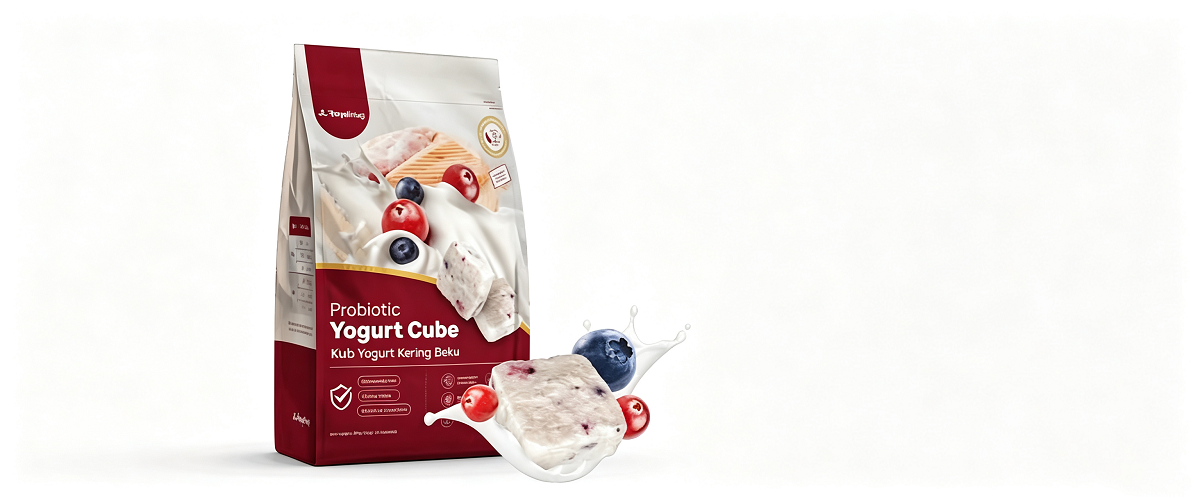
2. How Does Flexible Packaging Protect Yogurt Cubes from Moisture, Oxygen, and Contamination?
Proper packaging is essential for maintaining the quality and stability of yogurt cubes.
Moisture Barrier Protection
Effective moisture control helps prevent:
- Loss of crisp texture
- Product softening
- Clumping
Oxygen Barrier Protection
Reducing oxygen exposure helps:
- Preserve dairy flavor
- Prevent oxidation
- Maintain nutritional quality
Aroma Preservation
Barrier packaging retains the creamy flavor and aroma of yogurt cubes.
Light Protection
UV-resistant materials help reduce flavor degradation and protect sensitive ingredients.
Contamination Prevention
Hermetically sealed packaging protects against:
- Dust
- Insects
- Foreign particles
- Microbial contamination
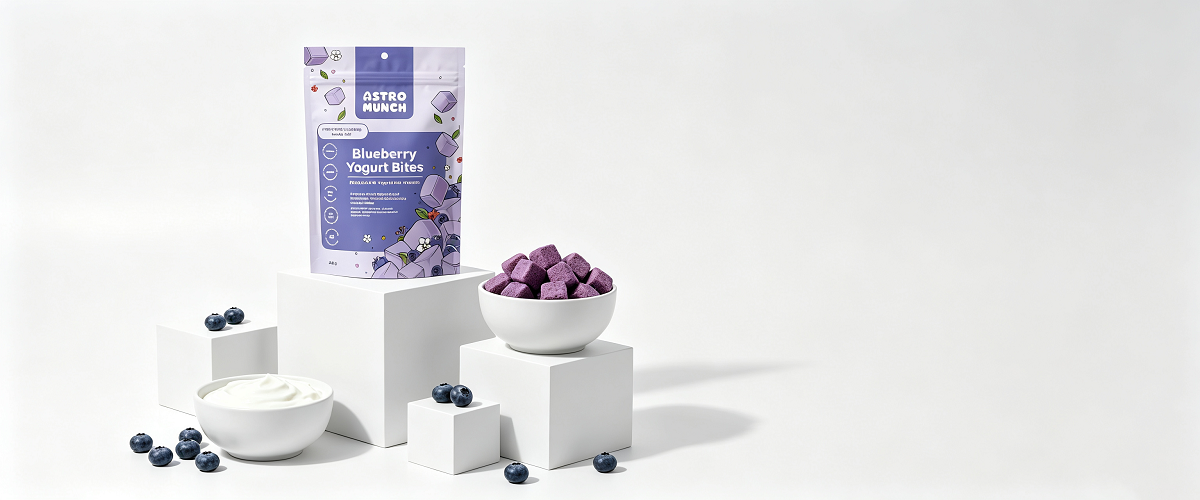
3. Which Packaging Materials Offer the Best Barrier Performance for Yogurt Cubes?
Choosing the right material structure is critical for extending shelf life.
PET (Polyethylene Terephthalate)
- Excellent strength
- Superior print quality
- Durable outer layer
PE (Polyethylene)
- Reliable heat sealing
- Excellent moisture resistance
- Food-safe inner layer
BOPP (Biaxially Oriented Polypropylene)
- Good moisture barrier
- Cost-effective
- Suitable for dry snack packaging
Metallized Films (MPET)
- Enhanced oxygen and moisture protection
- Ideal for premium yogurt cube products
Aluminum Foil Laminates
- Maximum protection against oxygen, moisture, and light
- Recommended for long shelf-life and export packaging
EVOH-Based Structures
- Excellent oxygen barrier
- Suitable for recyclable flexible packaging solutions
Typical Laminated Structures
| Structure | Features | Applications |
|---|---|---|
| BOPP/PE | Economical moisture protection | Standard yogurt cube packaging |
| PET/PE | Durable and attractive | Retail yogurt cube products |
| PET/MPET/PE | Enhanced barrier performance | Premium snack packaging |
| PET/AL/PE | Maximum protection | Long-term storage and export |
| PE/EVOH/PE | Recyclable high-barrier solution | Sustainable packaging applications |
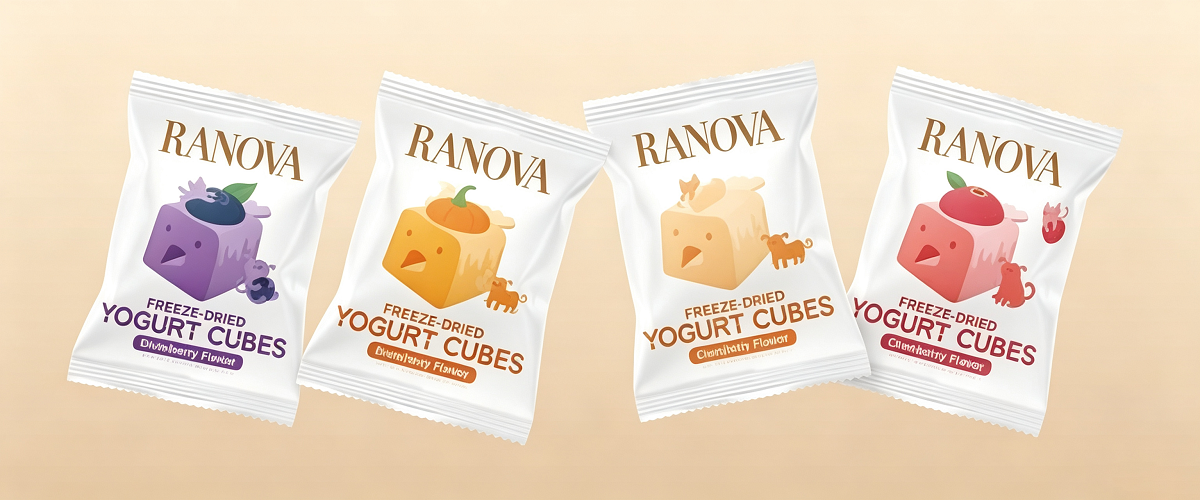
4. What Packaging Features Help Maintain Crisp Texture and Extend Shelf Life?
Functional packaging features enhance both product protection and customer satisfaction.
Resealable Zippers
Allow consumers to preserve freshness after opening.
Easy-Tear Notches
Provide quick and convenient package opening.
Nitrogen Flushing Compatibility
Replacing oxygen with nitrogen helps:
- Maintain crisp texture
- Reduce oxidation
- Extend shelf life
Transparent Windows
Allow customers to inspect product quality while maintaining attractive shelf presentation when barrier requirements permit.
High-Quality Printing
Strengthens brand identity and communicates product information effectively.
Portion-Control Packaging
Individual serving packs improve hygiene, convenience, and freshness.
Reinforced Heat Seals
Enhance package durability during transportation and storage.
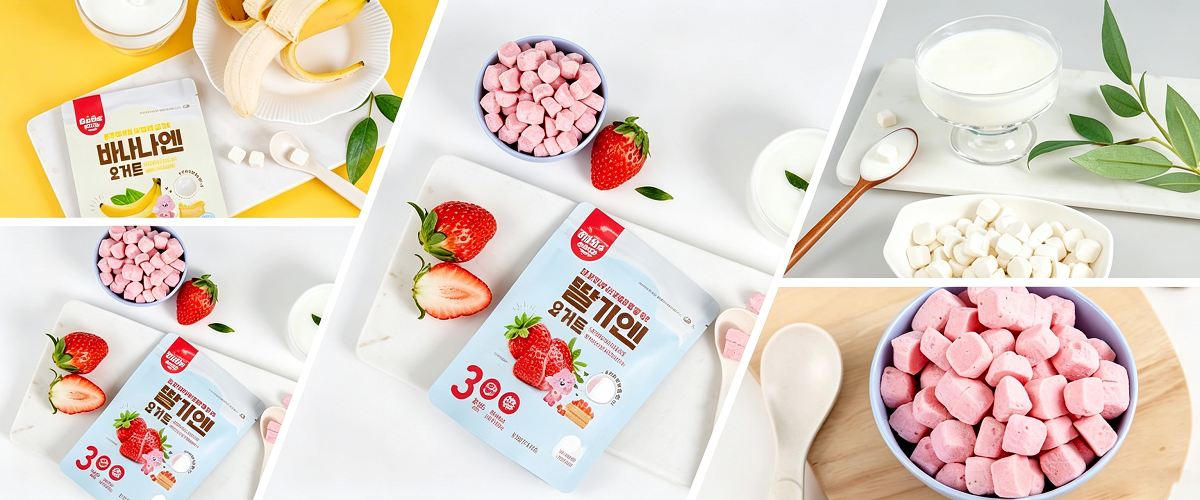
5. High-Quality Flexible Packaging for Yogurt Cubes: Key Factors for Branding, Storage, and Distribution
A successful packaging strategy combines product protection with business performance.
Shelf Life Extension
High-barrier materials help preserve texture, flavor, and nutritional quality.
Transportation Efficiency
Flexible packaging reduces shipping weight, warehouse space, and logistics costs.
Retail Shelf Appeal
Premium graphics, matte finishes, and specialty printing improve product visibility.
Consumer Convenience
Portable, resealable, and portion-controlled packaging enhances the user experience.
Sustainability Opportunities
Recyclable mono-material and EVOH-based structures help support environmental goals.
Export Readiness
Durable packaging maintains product integrity throughout long-distance transportation.
FAQ
Why do yogurt cubes require high-barrier packaging?
Yogurt cubes are highly sensitive to moisture and oxygen, which can quickly reduce crispness, alter flavor, and shorten shelf life.
What packaging format is best for retail yogurt cubes?
Stand-up pouches with resealable zippers are among the most popular choices because they provide freshness protection, convenience, and strong shelf appeal.
Which materials are commonly used for yogurt cube packaging?
PET, PE, BOPP, metallized films, aluminum foil laminates, and EVOH-based structures are widely used depending on barrier and sustainability requirements.
Is nitrogen flushing recommended for yogurt cubes?
Yes. Nitrogen flushing helps reduce oxygen levels inside the package, preserving crispness, preventing oxidation, and extending product shelf life.
Conclusion
Choosing high-quality flexible packaging for yogurt cubes is essential for preserving their crisp texture, creamy flavor, and nutritional value throughout storage and distribution. Because these products are highly sensitive to moisture and oxygen, selecting advanced barrier materials and reliable sealing technologies is critical for maintaining product quality and extending shelf life. Flexible packaging offers an ideal combination of superior barrier protection, lightweight transportation, premium branding opportunities, and consumer-friendly features such as resealable zippers, nitrogen flushing compatibility, and portion packaging. By selecting the right packaging formats, material structures, and sustainable solutions, manufacturers can enhance product performance, reduce waste, strengthen brand competitiveness, and meet the growing global demand for premium healthy snacks.