How to Choose Packaging for Smoked Meat
Anna_Yu
How to Choose Packaging for Smoked Meat
Smoked meat products are valued for their distinctive flavor, rich aroma, and extended shelf life compared to fresh meat. From smoked beef and pork to sausages, bacon, turkey, and specialty deli meats, these products require carefully designed packaging to preserve quality, maintain food safety, and ensure an appealing presentation throughout storage and distribution. While the smoking process helps reduce moisture and enhance preservation, smoked meats remain vulnerable to oxygen exposure, moisture loss, contamination, and oxidation.
As consumer demand for ready-to-eat and premium meat products continues to grow, packaging has become an essential component of product success. Effective packaging not only protects flavor and freshness but also supports regulatory compliance, transportation efficiency, and brand differentiation. Whether products are refrigerated, frozen, vacuum-packed, or sold as shelf-stable items, selecting the appropriate flexible packaging structure is critical.
Flexible packaging has become the preferred solution for many smoked meat manufacturers due to its excellent barrier performance, versatility, and cost efficiency. By choosing suitable packaging formats, materials, and functional features, brands can extend shelf life, improve consumer convenience, and strengthen their market position. This guide explores the key considerations for selecting the right packaging for smoked meat products.
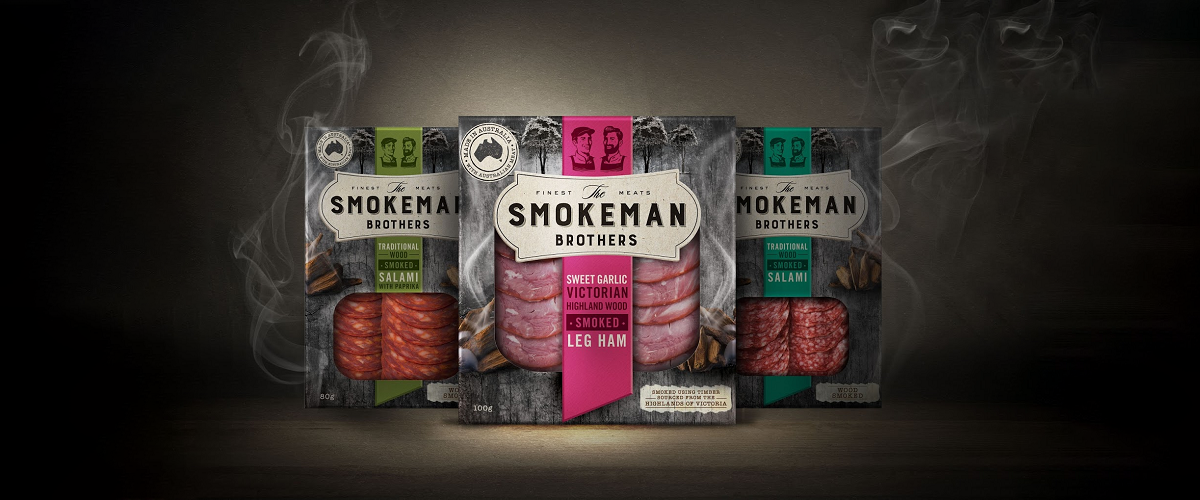
1. What Types of Flexible Packaging Are Best for Smoked Meat Products?
Different smoked meat products require different packaging formats based on shelf-life requirements and distribution channels.
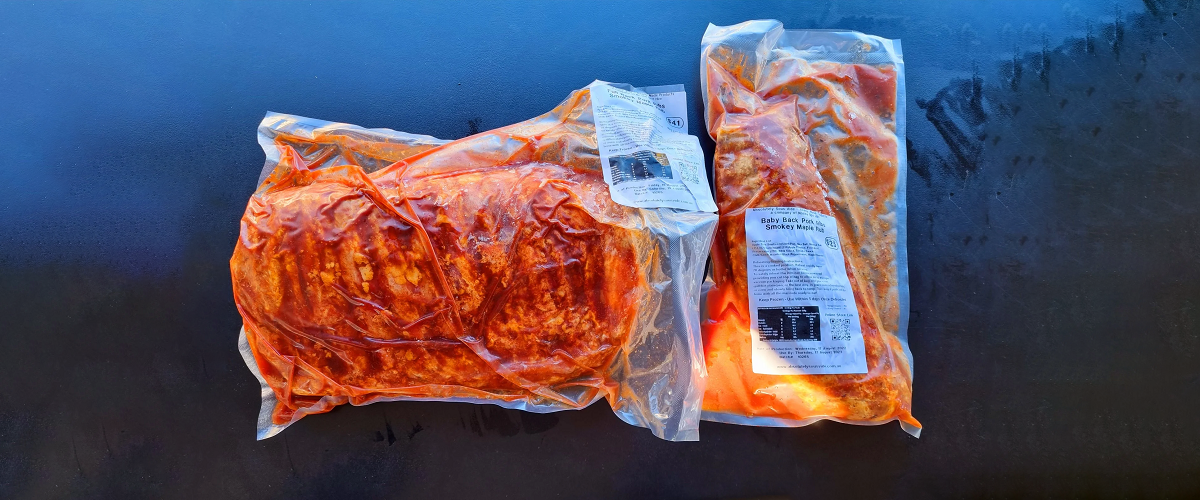
Vacuum Packaging Bags
- One of the most common formats for smoked meat
- Removes air to reduce oxidation
- Extends product shelf life
Thermoforming Flexible Packaging
- Excellent product presentation
- Suitable for sliced smoked meats and deli products
- Compatible with high-volume production
Stand-Up Pouches
- Suitable for smoked meat snacks and jerky-style products
- Excellent shelf visibility
- Compatible with resealable closures
Retort Pouches
- Suitable for shelf-stable smoked meat products
- Withstand heat sterilization processes
Flat Pouches
- Cost-effective solution
- Common for ready-to-eat meat portions
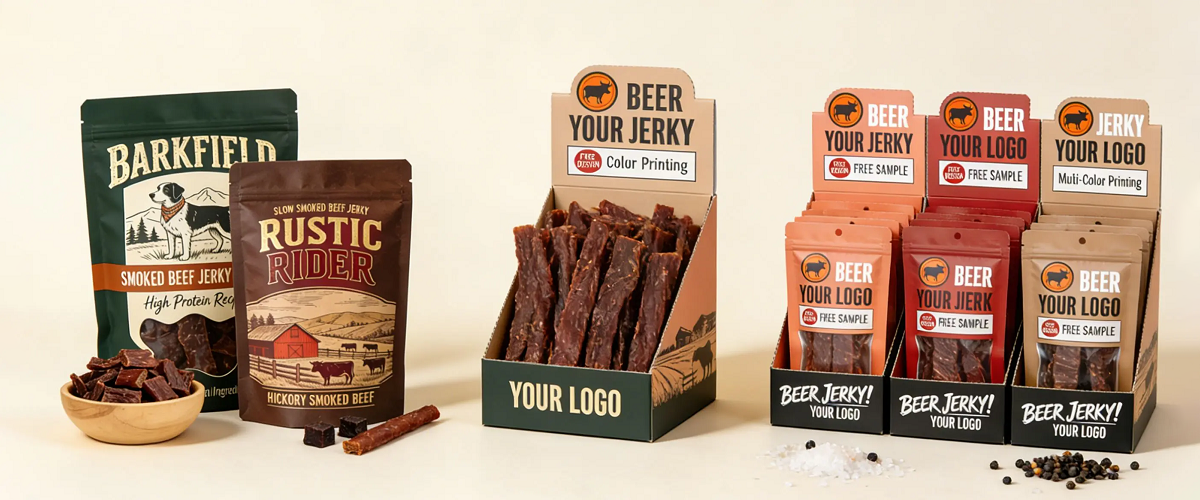
2. How Does Packaging Help Preserve the Flavor and Freshness of Smoked Meat?
Proper packaging is essential for maintaining the sensory qualities of smoked meat.
Oxygen Control
Reducing oxygen exposure helps prevent:
- Fat oxidation
- Flavor deterioration
- Color changes
Aroma Retention
High-barrier packaging preserves the characteristic smoky aroma.
Moisture Management
Packaging helps maintain the desired texture while preventing excessive drying.
Light Protection
UV exposure can accelerate oxidation and reduce product quality.
Contamination Prevention
Airtight packaging protects against bacteria, dust, and environmental contaminants.
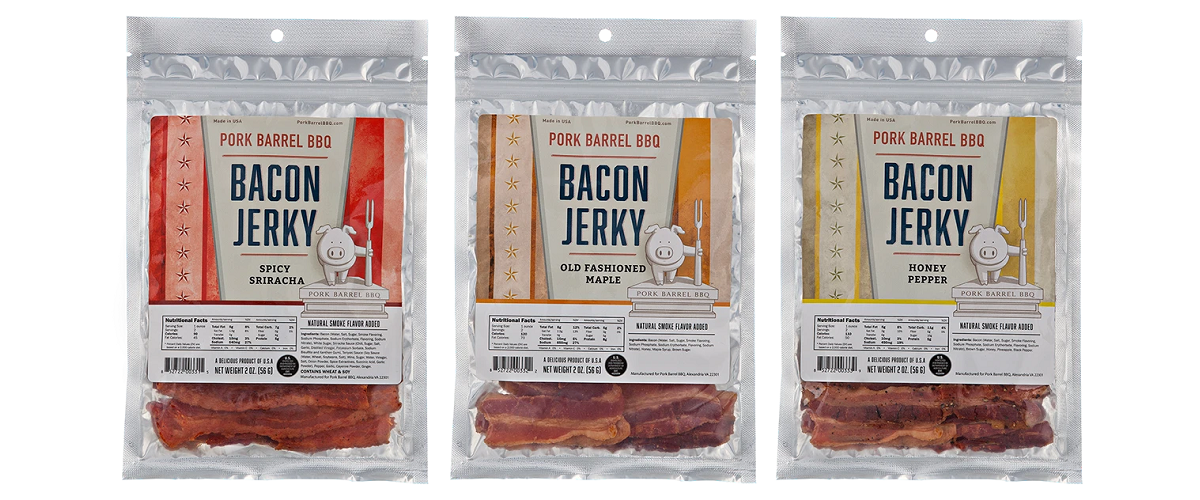
3. Which Barrier Materials Are Most Effective for Smoked Meat Packaging?
Material selection directly impacts shelf life, food safety, and package durability.
PET (Polyethylene Terephthalate)
- Strong mechanical strength
- Excellent printability
- Common outer layer
PE (Polyethylene)
- Excellent heat-sealing performance
- Suitable food-contact layer
Nylon (PA)
- High puncture resistance
- Ideal for vacuum packaging applications
EVOH (Ethylene Vinyl Alcohol)
- Outstanding oxygen barrier performance
- Frequently used in high-barrier structures
Aluminum Foil Laminates
- Superior protection against oxygen, moisture, and light
- Suitable for premium and long shelf-life products
Typical Laminated Structures
| Structure | Features | Applications |
|---|---|---|
| PET/PE | Cost-effective and durable | Standard smoked meat packaging |
| PA/PE | Excellent vacuum packaging performance | Vacuum-sealed smoked meats |
| PET/EVOH/PE | High oxygen barrier | Refrigerated ready-to-eat meats |
| PET/AL/PE | Maximum barrier protection | Premium and export products |
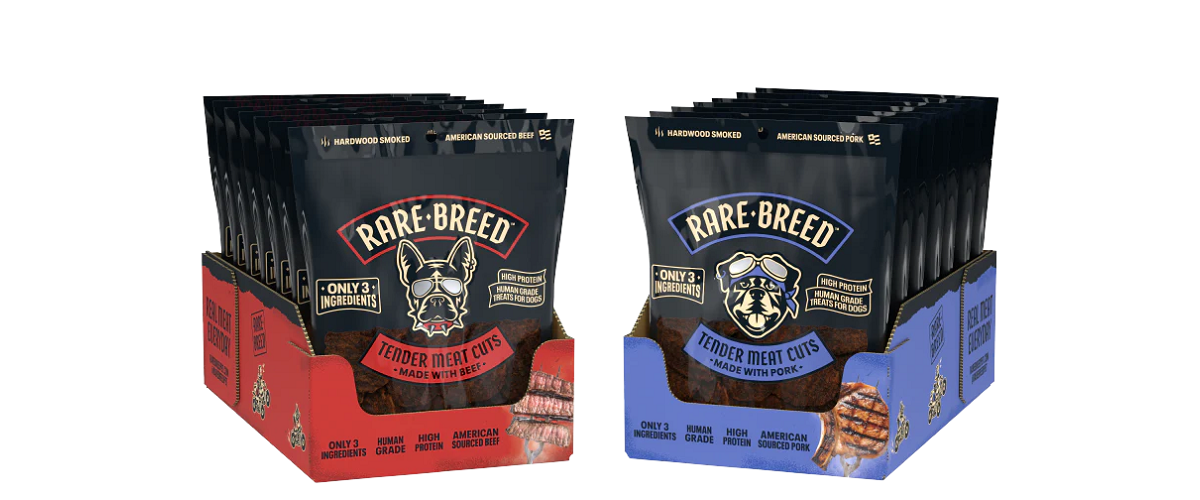
4. What Packaging Features Are Essential for Vacuum-Sealed and Ready-to-Eat Smoked Meats?
Functional packaging features contribute significantly to product safety and consumer satisfaction.
Vacuum-Sealing Capability
Removes oxygen and improves shelf life.
Strong Seal Integrity
Prevents leakage and contamination during storage and transportation.
Easy-Open Features
Tear notches improve convenience for consumers.
Resealable Closures
Useful for sliced smoked meat products intended for multiple uses.
High-Quality Printing
Supports branding and communicates important product information.
Tamper-Evident Features
Help build consumer trust and improve food safety assurance.
5. Smoked Meat Packaging: Key Factors for Shelf Life, Food Safety, and Distribution
A successful smoked meat packaging strategy must balance protection, compliance, and marketing.
Shelf Life Optimization
High-barrier materials help maintain freshness and flavor over extended periods.
Food Safety Compliance
Packaging should meet relevant food-contact and regulatory requirements.
Transportation Protection
Durable packaging reduces damage during shipping and handling.
Retail Shelf Appeal
Professional packaging design enhances product visibility and perceived quality.
Consumer Convenience
Easy-open and resealable features improve the user experience.
Export Readiness
Packaging should withstand long-distance transportation and varying environmental conditions.
FAQ
Why is vacuum packaging commonly used for smoked meat?
Vacuum packaging removes oxygen, reducing oxidation and helping extend shelf life.
What materials are most suitable for smoked meat packaging?
PET, PE, nylon (PA), EVOH, and aluminum foil laminates are widely used.
Does smoked meat require high-barrier packaging?
Yes. High-barrier materials help preserve flavor, color, aroma, and product safety.
Can smoked meat packaging be recyclable?
Yes. Some manufacturers are adopting recyclable mono-material and EVOH-based packaging structures where barrier requirements allow.
Conclusion
Choosing the right packaging for smoked meat is essential for preserving flavor, extending shelf life, and ensuring food safety. Flexible packaging provides an ideal combination of barrier protection, durability, and customization options that meet the needs of modern meat processors and consumers alike. By selecting appropriate packaging formats, high-performance materials, and functional features such as vacuum sealing and resealable closures, manufacturers can effectively protect smoked meat products throughout storage, transportation, and retail display. As demand for premium and ready-to-eat meat products continues to grow, optimized flexible packaging will remain a key factor in maintaining product quality, strengthening brand value, and achieving long-term market success.