How to Choose Squid Strip Packaging
Anna_Yu
How to Choose Squid Strip Packaging
Squid strips are a popular seafood snack product widely consumed across Asia, Europe, and North America. Made from dried, seasoned, or roasted squid, these products are valued for their chewy texture, rich umami flavor, and high protein content. As global demand for seafood snacks continues to grow, squid strip manufacturers face increasing pressure to maintain product freshness, prevent odor leakage, ensure food safety, and comply with international export regulations.
Unlike dry biscuits or standard jerky, squid strips contain residual moisture, salt, proteins, and natural marine oils. These characteristics make them sensitive to moisture fluctuation, oxidation, microbial contamination, and strong odor transfer. Poor packaging can result in texture hardening, surface stickiness, rancidity, mold growth, or unpleasant smell leakage during storage and transportation.
Flexible packaging has become the preferred solution for squid strip products because it offers superior barrier performance, strong sealing integrity, lightweight logistics advantages, and advanced customization options. From single-serve pillow packs to resealable stand-up pouches and high-barrier export bags, flexible packaging provides both functional protection and retail attractiveness.
This comprehensive guide explains how to choose the right squid strip packaging by analyzing packaging types, material selection, barrier requirements, safety features, and strategic factors for long-term storage and global distribution.
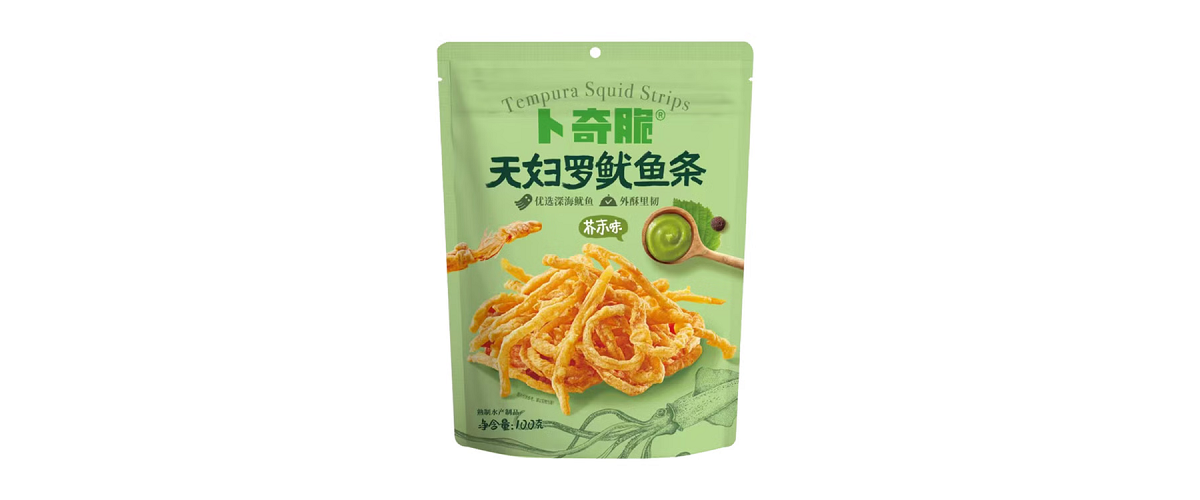
1. What Types of Flexible Packaging Are Best for Squid Strip Products?
The appropriate packaging format depends on product size, moisture level, and sales channel.
Pillow Packs (Flow Wrap)
Commonly used for:
- Single-serve snack portions
- Convenience store sales
- High-speed automated production
They offer cost efficiency and strong sealing performance.
Three-Side Seal Bags
Suitable for:
- Standard retail packs
- Medium-volume packaging
- Export-oriented products
They provide consistent barrier performance and clean presentation.
Stand-Up Pouches (Doypack)
Ideal for:
- Family-size packs
- Resealable snack packaging
- E-commerce distribution
They enhance shelf visibility and consumer convenience.
Flat Bottom Bags
Often used for:
- Premium squid strip brands
- Larger retail volumes
They offer better shelf stability and improved branding space.
Vacuum Packaging (Selective Use)
In certain cases, vacuum packaging helps:
- Reduce oxygen exposure
- Extend shelf life
- Minimize microbial growth
Especially useful for semi-moist products.
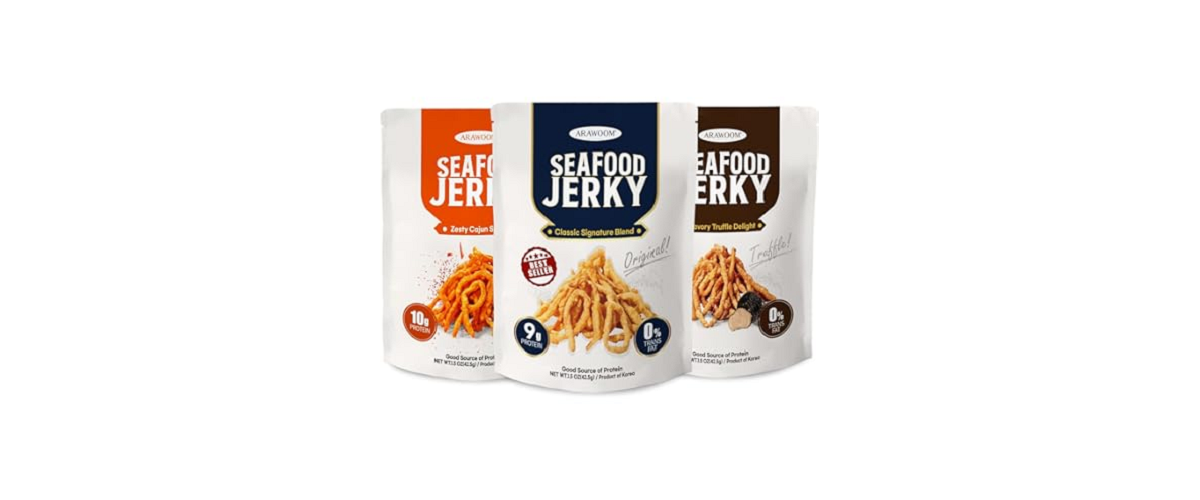
2. How Does Packaging Material Affect Squid Strip Freshness and Shelf Life?
Material selection directly determines product stability.
Moisture Control
Squid strips typically have controlled water activity, but excess moisture can cause:
- Mold growth
- Surface stickiness
- Texture degradation
Low MVTR materials prevent humidity penetration.
Oxygen Barrier Performance
Oxygen exposure leads to:
- Lipid oxidation
- Flavor loss
- Rancid odor development
Low OTR laminates significantly extend shelf life.
Light Protection
Marine oils are sensitive to light. Metallized or foil layers help:
- Block UV exposure
- Prevent discoloration
- Maintain flavor stability
Seal Strength and Integrity
High-quality seals prevent:
- Air ingress
- Odor leakage
- Contamination
Seal reliability is critical for seafood products.
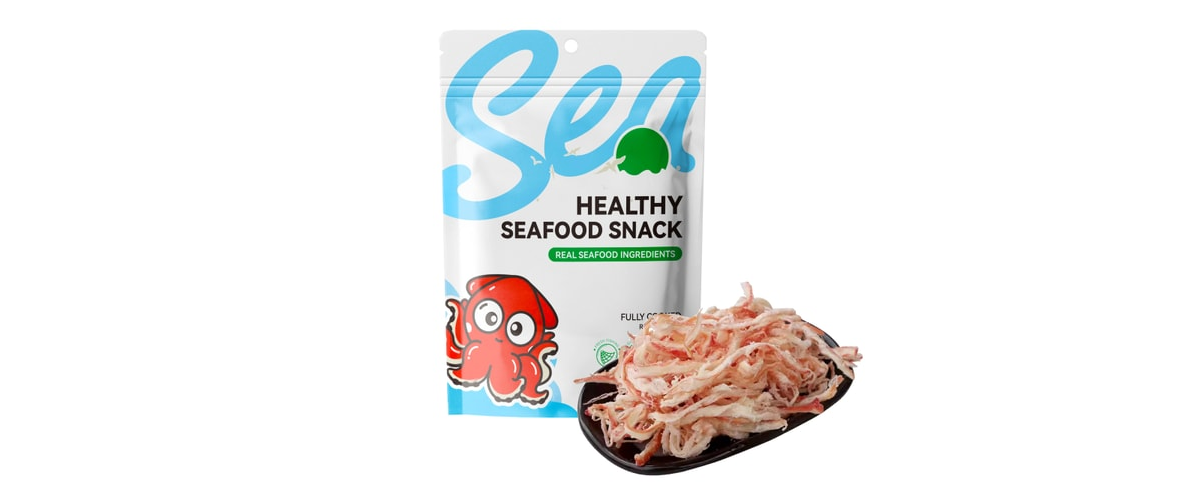
3. Which Barrier Properties Are Essential for Odor and Moisture Protection?
Seafood snacks require higher barrier standards compared with many dry snacks.
Odor Containment
Squid strips have strong marine aromas. Packaging must:
- Prevent external odor absorption
- Avoid internal odor leakage
- Maintain freshness without affecting nearby products
Multi-layer laminates are essential for odor isolation.
High Moisture Barrier (Low MVTR)
Essential to:
- Prevent moisture absorption in humid climates
- Maintain stable water activity
- Reduce clumping and mold risks
Strong Oxygen Barrier (Low OTR)
Important to:
- Slow oxidation
- Protect fats and proteins
- Extend shelf life
Recommended Barrier Structures
| Structure | Barrier Level | Application |
|---|---|---|
| BOPP/CPP | Moderate | Short shelf-life products |
| PET/PE | Medium | Standard retail |
| PET/VMPET/PE | High | Premium retail |
| PET/AL/PE | Very High | Export & long storage |
High-barrier structures are strongly recommended for international shipping.

4. What Packaging Features Improve Product Safety and Retail Appeal?
Functional packaging design improves both safety and market competitiveness.
Resealable Zippers
Important for:
- Multi-use consumption
- Freshness after opening
- Reduced food waste
Highly preferred in modern snack markets.
Nitrogen Flushing (MAP)
Modified atmosphere packaging:
- Reduces oxygen levels
- Slows oxidation
- Extends shelf life
Especially useful for export and long-distance logistics.
Easy-Tear Notches
Enhance user experience without compromising seal strength.
Transparent Windows (Controlled Size)
Allow consumers to:
- Inspect product quality
- Build trust
While maintaining sufficient barrier protection.
High-Impact Printing
Seafood snack packaging often emphasizes:
- Ocean imagery
- Premium textures
- Bold color contrast
Enhancing shelf visibility.
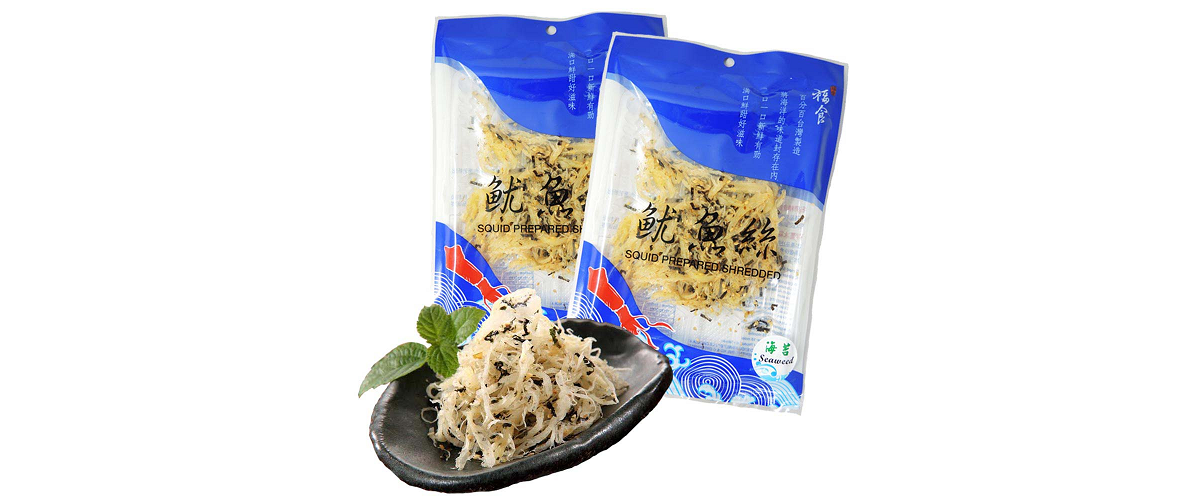
5. Flexible Packaging for Squid Strips: Key Factors for Long-Term Storage and Export
Long-term success depends on strategic packaging decisions.
Shelf-Life Targets
Typical shelf life for squid strips:
- 6–9 months (standard retail)
- 9–12 months (high-barrier packaging)
- 12+ months (foil + MAP export products)
Packaging structure must match the intended market.
Climate and Transportation Conditions
Export products must withstand:
- High humidity sea freight
- Temperature fluctuations
- Long storage durations
High-barrier laminates are essential.
Food Safety and Compliance
Packaging must meet:
- FDA / EU food-contact regulations
- Migration standards
- Labeling requirements
Critical for global trade.
Cost Optimization
Metallized film (VMPET) offers strong protection at lower cost compared to full aluminum foil laminates.
Sustainability Considerations
Emerging trends include:
- Recyclable mono-material films
- Reduced material thickness
- Eco-friendly ink systems
Balancing environmental responsibility with performance.
Industry Trends in Squid Strip Flexible Packaging
| Trend | Description | Market Impact |
|---|---|---|
| Resealable packs | Increased zipper adoption | Convenience growth |
| MAP technology | Oxygen reduction | Shelf-life extension |
| High-barrier films | Export expansion | Quality consistency |
| Eco materials | Recyclable laminates | Sustainability branding |
| Premium finishes | Matte & metallic effects | Brand differentiation |
FAQ
What is the best packaging for squid strips?
High-barrier stand-up pouches with nitrogen flushing are ideal for retail and export.
Does squid strip packaging require aluminum foil?
For long-term export or high-humidity regions, aluminum foil laminates are recommended.
How can packaging prevent odor leakage?
Multi-layer laminates with strong oxygen and aroma barriers effectively contain marine odors.
Is resealable packaging necessary?
For multi-serve products, resealable zippers significantly improve convenience and freshness retention.
Conclusion
Choosing the right squid strip packaging requires careful consideration of moisture control, oxygen barrier performance, odor containment, and sealing reliability. Flexible packaging offers the ideal combination of technical protection, lightweight logistics, retail appeal, and cost efficiency. By selecting appropriate laminate structures, incorporating modified atmosphere technology, and optimizing design for export conditions, manufacturers can extend shelf life, enhance product safety, and strengthen brand competitiveness in the global seafood snack market.