How to Choose the Right Bag for Tea?
Anna_Yu
How to Choose the Right Bag for Tea?
Tea is a highly aroma-sensitive product that can easily lose its freshness, flavor, and fragrance when exposed to moisture, oxygen, light, or external odors. Whether it is green tea, black tea, herbal tea, oolong tea, or specialty loose-leaf blends, proper packaging plays a critical role in maintaining product quality and extending shelf life. For tea brands, choosing the right packaging bag is not only about protection—it is also essential for branding, consumer convenience, and market competitiveness.
Modern consumers increasingly expect tea packaging to combine functionality with attractive design. Packaging must preserve the tea’s aroma while offering features such as resealability, portability, and premium shelf appeal. At the same time, manufacturers need packaging solutions that are cost-efficient, lightweight, and suitable for retail distribution and export.
Flexible packaging has become the preferred choice for tea products because it provides excellent barrier protection, versatile bag styles, and strong customization capabilities. By selecting the right packaging structure, materials, and functional features, tea brands can effectively protect product freshness while enhancing brand identity and consumer experience. This guide explores the key considerations for choosing the right tea packaging bag.
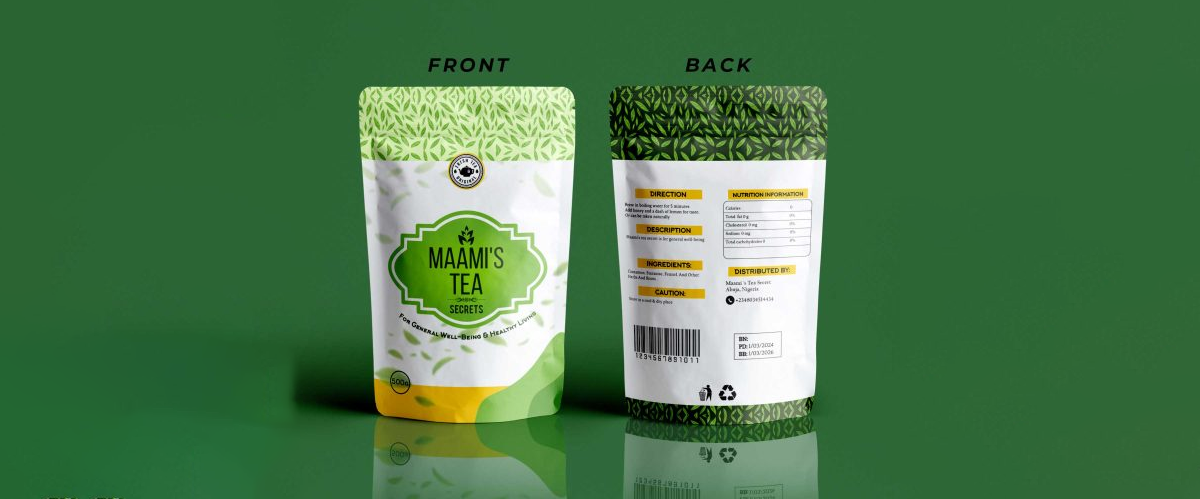
1. What Types of Flexible Packaging Bags Are Best for Tea Products?
Different tea products require different bag styles and packaging formats.
Stand-Up Pouches (Doypack)
- Excellent shelf visibility
- Suitable for loose-leaf tea and premium blends
- Compatible with resealable zippers
Side-Gusset Bags
- Traditional tea packaging format
- High storage capacity
- Suitable for bulk tea products
Flat-Bottom Bags
- Premium appearance and stability
- Larger printable surface area
- Suitable for specialty tea brands
Pillow Pouches
- Cost-effective solution
- Common for tea sachets and entry-level products
Sachets and Stick Packs
- Ideal for single-serve tea products
- Convenient for travel and portion control
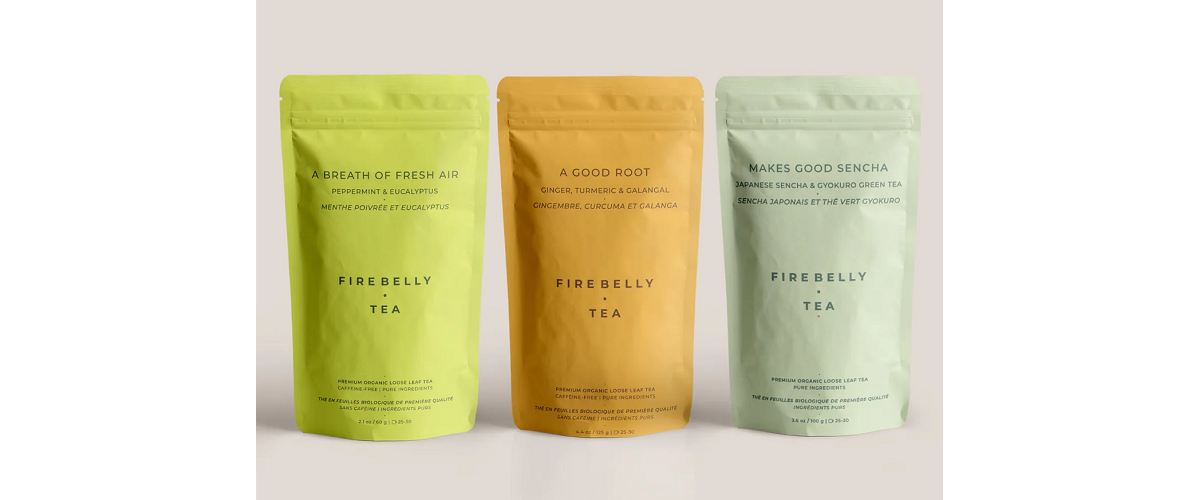
2. How Do Tea Packaging Bags Protect Freshness and Aroma?
Tea packaging must effectively protect against environmental exposure.
Moisture Protection
Tea absorbs moisture easily, which can cause:
- Loss of crispness
- Flavor deterioration
- Mold growth in severe cases
Oxygen Barrier Performance
Reducing oxygen exposure helps preserve:
- Aroma
- Flavor compounds
- Natural color
Light Protection
UV exposure can degrade tea quality over time, especially for green and herbal teas.
Odor Protection
Tea can absorb external odors, making airtight packaging essential.
Airtight Sealing
Strong seals prevent contamination and preserve freshness throughout storage and transportation.
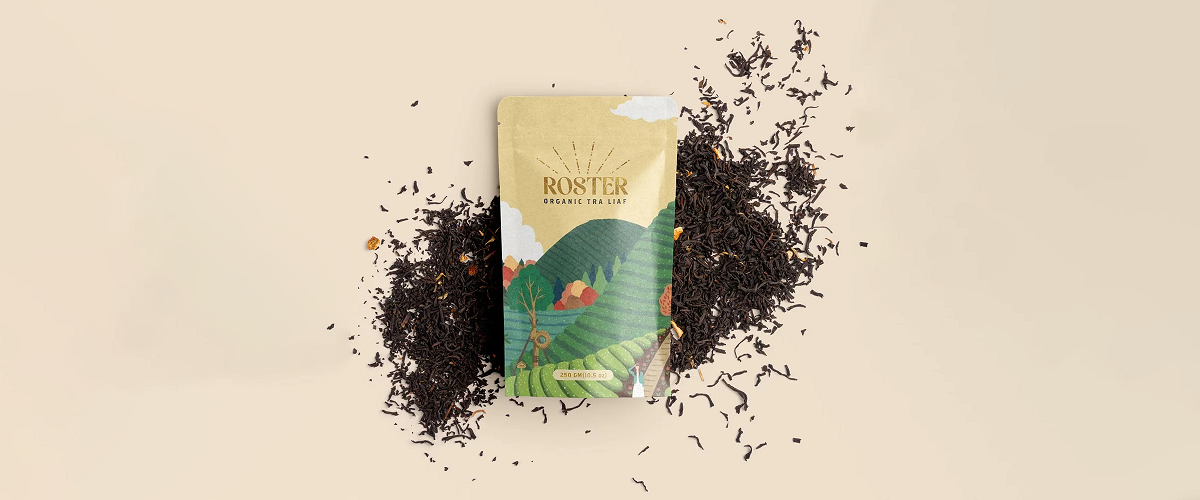
3. Which Packaging Materials Offer the Best Moisture and Oxygen Barrier for Tea?
Material selection directly impacts tea shelf life and product quality.
PET (Polyethylene Terephthalate)
- Strong and durable
- Excellent printability
- Common outer layer
PE (Polyethylene)
- Excellent sealing performance
- Flexible inner layer
Aluminum Foil
- Superior moisture, oxygen, and light barrier
- Ideal for premium tea products
Metallized Films (MPET)
- Enhanced barrier performance
- Cost-effective alternative to foil
Kraft Paper Laminates
- Natural and eco-friendly appearance
- Popular for artisanal and organic tea brands
Typical Laminated Structures
| Structure | Features | Applications |
|---|---|---|
| PET/PE | Cost-effective | Standard tea packaging |
| PET/MPET/PE | Enhanced aroma protection | Premium retail tea |
| PET/AL/PE | Maximum freshness barrier | Specialty and export tea |
| Kraft/PET/PE | Natural appearance with durability | Organic and artisanal tea brands |
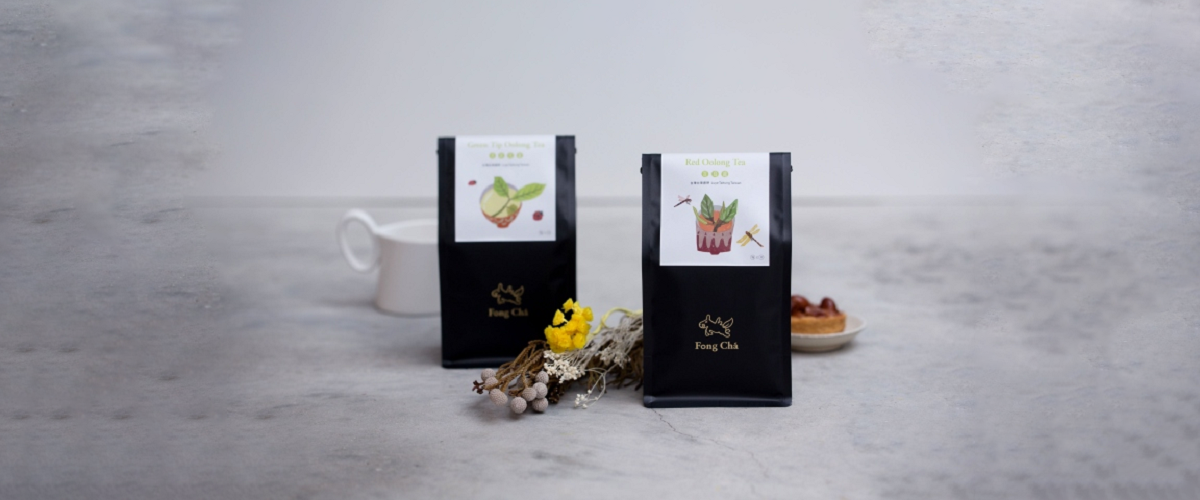
4. What Features Should You Consider When Choosing Tea Packaging Bags?
Functional features improve both product protection and consumer experience.
Resealable Zippers
Help maintain freshness after opening.
Easy-Tear Openings
Improve accessibility and convenience.
One-Way Degassing Valves
Sometimes used for specialty teas with roasted ingredients.
Transparent Windows
Allow consumers to view the tea product while maintaining shelf appeal.
High-Quality Printing
Supports premium branding and product differentiation.
Sustainable Packaging Options
Recyclable and eco-friendly materials are increasingly preferred by consumers.
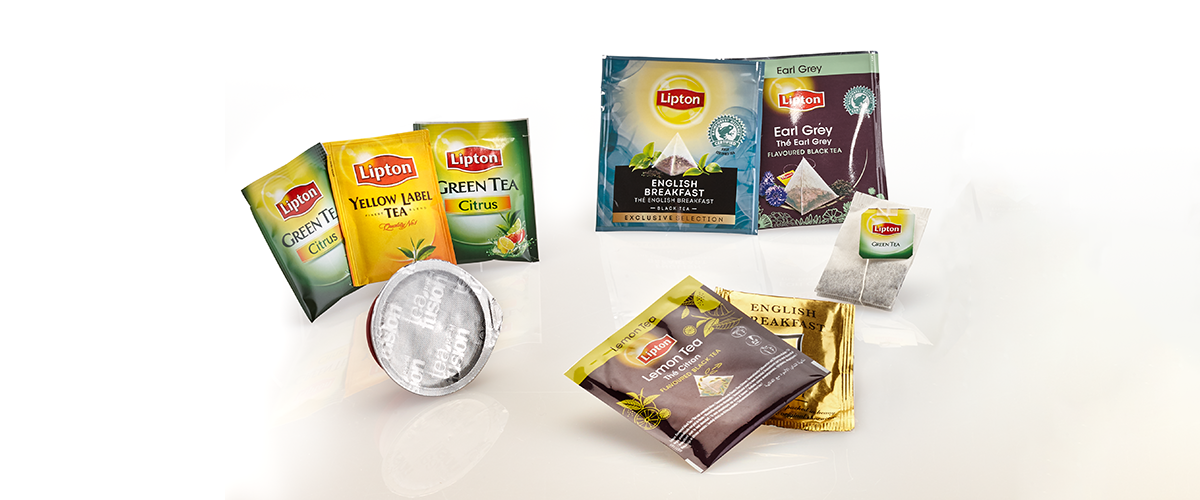
5. Tea Packaging Bags: Key Factors for Shelf Life, Branding, and Consumer Convenience
A successful tea packaging strategy balances protection, aesthetics, and practicality.
Shelf Life Optimization
High-barrier materials and airtight sealing extend freshness.
Retail Shelf Appeal
Premium finishes and attractive graphics improve visibility.
Brand Differentiation
Customized bag designs help brands stand out in competitive markets.
Transportation Efficiency
Flexible packaging reduces storage and shipping costs.
Consumer Convenience
Resealable and portion-controlled packaging improves user experience.
FAQ
Why does tea require high-barrier packaging?
Tea is highly sensitive to moisture, oxygen, and odors, which can quickly affect flavor and aroma.
What materials are best for tea packaging bags?
PET, PE, aluminum foil, metallized films, and kraft laminates are commonly used.
Are resealable tea bags necessary?
Yes. Resealable closures help preserve freshness after opening.
Can tea packaging be sustainable?
Yes. Many tea brands now use recyclable or paper-based flexible packaging solutions.
Conclusion
Choosing the right bag for tea is essential for preserving freshness, protecting aroma, and enhancing brand presentation. Flexible packaging provides an ideal solution by combining strong barrier performance, lightweight efficiency, and versatile customization options. By selecting suitable bag styles, high-barrier materials, and functional features such as resealable closures and premium finishes, tea brands can effectively maintain product quality while improving consumer convenience and retail competitiveness. As demand for premium and sustainable tea products continues to grow, high-performance flexible tea packaging will remain a critical factor in successful product positioning and long-term brand development.