How to Choose the Right Flexible Packaging for Salmon Skin Snacks
Anna_Yu
How to Choose the Right Flexible Packaging for Salmon Skin Snacks
Salmon skin snacks have rapidly gained popularity as a premium, high-protein snack thanks to their crispy texture, rich seafood flavor, and nutritional benefits, including collagen and omega-3 fatty acids. Whether baked, fried, or air-dried, salmon skin snacks require carefully designed packaging to preserve their signature crunch, prevent oxidation of natural oils, and maintain food safety throughout storage and distribution. Choosing the right flexible packaging is therefore essential for protecting product quality and maximizing shelf life.
Compared with many traditional snack foods, salmon skin snacks contain a relatively high level of unsaturated fats, making them especially vulnerable to oxygen, moisture, light, and heat. Exposure to these environmental factors can cause rancidity, flavor deterioration, texture softening, and reduced nutritional value. At the same time, manufacturers must deliver attractive packaging that supports branding, convenience, and retail competitiveness in an increasingly crowded snack market.
Flexible packaging has become the preferred solution for salmon skin snacks because it offers outstanding barrier performance, lightweight transportation, customizable printing, and excellent production efficiency. By selecting the appropriate packaging formats, high-barrier materials, and functional features, brands can protect product freshness while creating a premium consumer experience. This guide explains the key factors to consider when choosing flexible packaging for salmon skin snack products.
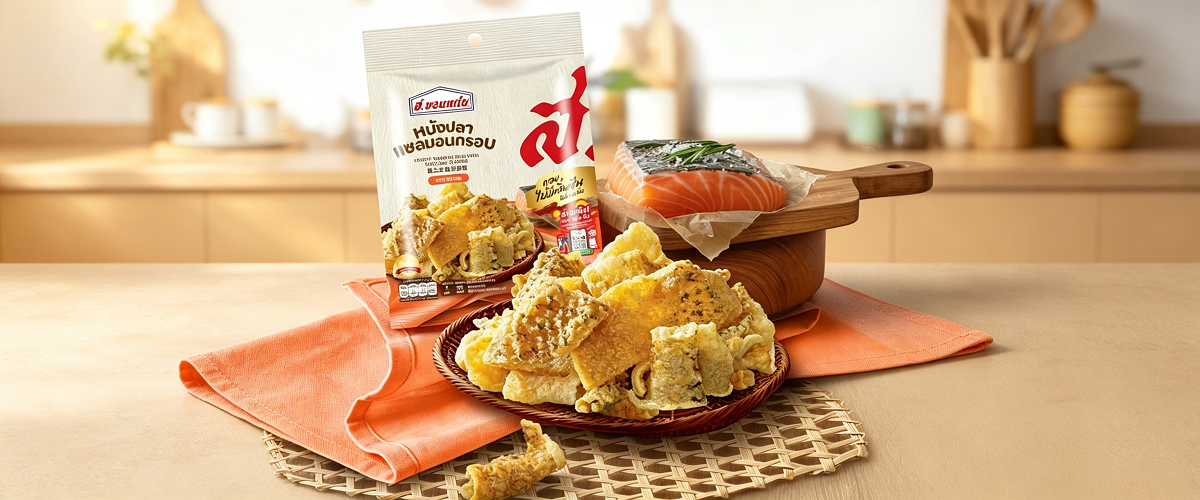
1. What Types of Flexible Packaging Are Best for Salmon Skin Snack Products?
Different packaging formats are suitable for various product sizes and sales channels.
Stand-Up Pouches (Doypack)
- Premium shelf appearance
- Excellent product visibility
- Compatible with resealable zippers
Flat Pouches
- Cost-effective packaging option
- Suitable for single-serve snack packs
- Lightweight and efficient for transportation
Pillow Pouches
- Compatible with high-speed automated packaging
- Common for mass-market snack production
Quad Seal Bags
- Excellent structural stability
- Suitable for premium retail packaging
Multi-Pack Flexible Packaging
- Ideal for family-size products and promotional packs
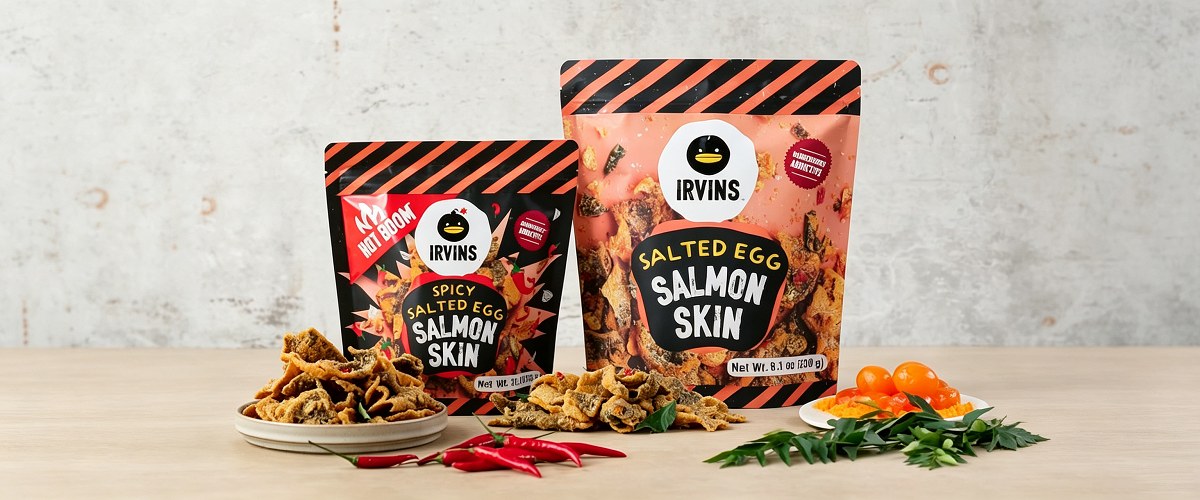
2. How Does Flexible Packaging Help Preserve the Crispness and Freshness of Salmon Skin Snacks?
Proper packaging is critical for maintaining product quality throughout its shelf life.
Moisture Barrier Protection
Moisture absorption can result in:
- Loss of crisp texture
- Softening
- Reduced consumer satisfaction
Oxygen Barrier Protection
Limiting oxygen exposure helps prevent:
- Oxidation of natural fish oils
- Rancidity
- Flavor deterioration
Aroma Preservation
High-barrier packaging helps retain the characteristic roasted seafood flavor.
Light Protection
Blocking UV light reduces oxidation and protects product quality.
Contamination Prevention
Hermetically sealed packaging minimizes exposure to dust, bacteria, and foreign particles.
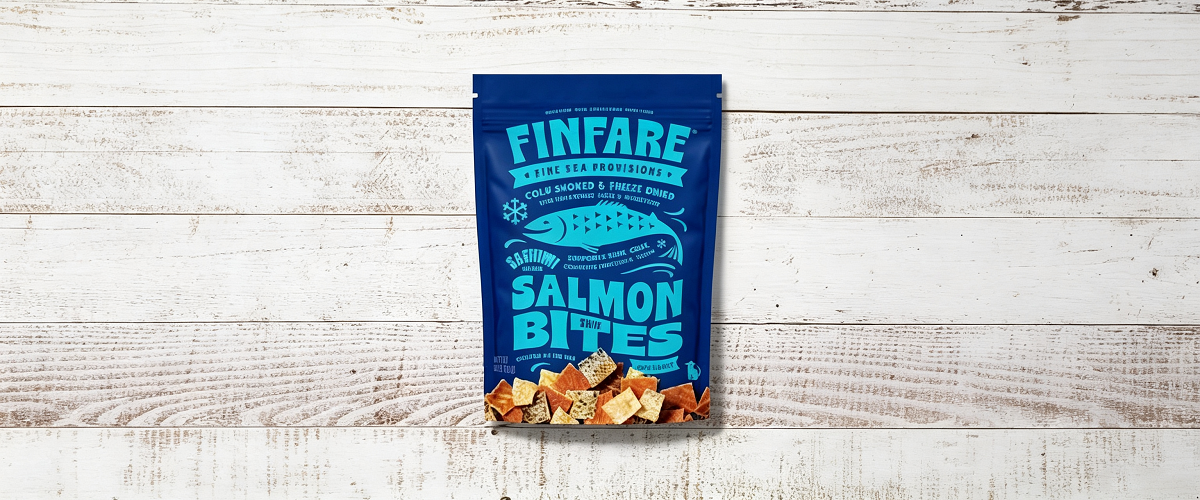
3. Which Packaging Materials Provide the Best Moisture, Oxygen, and Oil Barrier Protection?
Material selection plays a vital role in preserving freshness and extending shelf life.
PET (Polyethylene Terephthalate)
- Excellent mechanical strength
- Superior print quality
- Durable outer layer
PE (Polyethylene)
- Reliable heat-sealing performance
- Excellent moisture resistance
- Safe food-contact layer
Metallized Films (MPET)
- Strong oxygen and moisture barrier
- Cost-effective high-barrier solution
Aluminum Foil Laminates
- Outstanding protection against oxygen, moisture, oil migration, and light
- Ideal for premium and export products
EVOH-Based Structures
- Excellent oxygen barrier
- Suitable for recyclable packaging systems
Typical Laminated Structures
| Structure | Features | Applications |
|---|---|---|
| PET/PE | Durable and economical | Standard salmon skin snacks |
| PET/MPET/PE | Enhanced moisture and oxygen protection | Premium retail products |
| PET/AL/PE | Maximum barrier protection | Long shelf-life and export packaging |
| PE/EVOH/PE | Recyclable high-barrier structure | Sustainable packaging solutions |
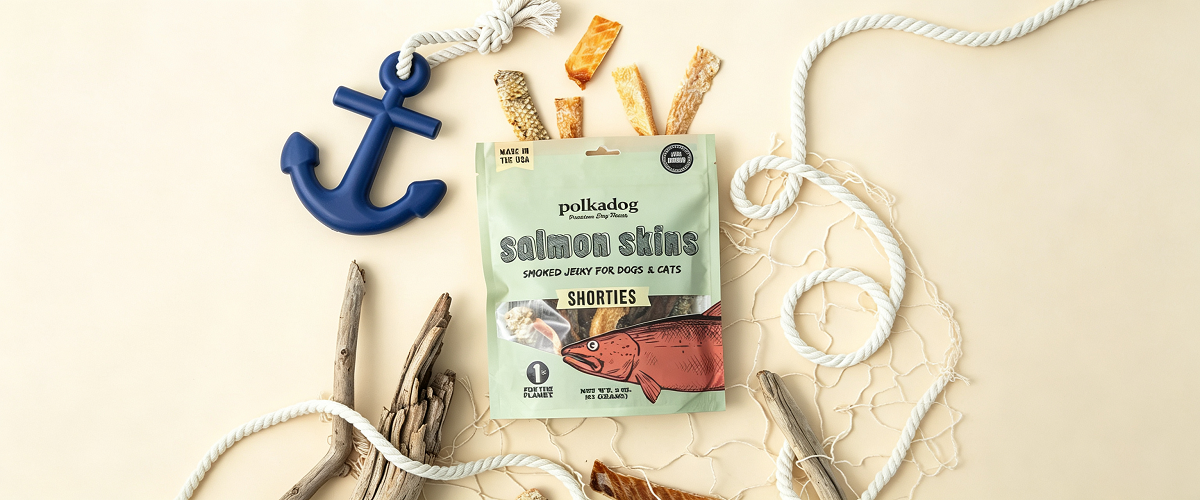
4. What Packaging Features Improve Shelf Life and Consumer Convenience?
Modern packaging should protect the product while providing a better user experience.
Resealable Zippers
Allow consumers to maintain freshness after opening.
Easy-Tear Notches
Provide quick and convenient package opening.
Nitrogen Flushing Compatibility
Replacing oxygen with nitrogen helps:
- Preserve crispness
- Reduce oxidation
- Extend shelf life
Oil-Resistant Inner Layers
Help prevent grease migration and maintain package appearance.
Transparent Windows
Allow consumers to view product quality while maintaining attractive shelf presentation when barrier requirements permit.
High-Quality Printing
Supports premium branding and strengthens shelf impact.
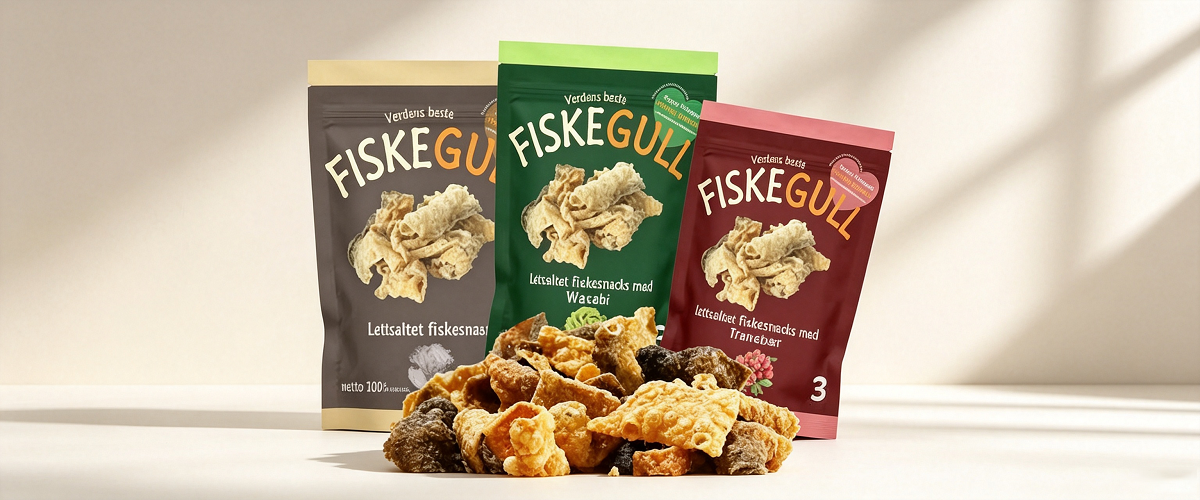
5. Flexible Packaging for Salmon Skin Snacks: Key Factors for Branding, Storage, and Distribution
A successful packaging strategy combines product protection with marketing effectiveness.
Shelf Life Extension
High-barrier materials preserve texture, flavor, and nutritional value.
Transportation Efficiency
Flexible packaging reduces shipping weight and warehouse space requirements.
Retail Shelf Appeal
Premium graphics and specialty finishes help products stand out.
Consumer Convenience
Resealable and portable packaging improves usability and repeat purchases.
Sustainability Opportunities
Recyclable mono-material and EVOH-based packaging structures support environmental initiatives.
Export Readiness
Durable packaging withstands long-distance transportation while maintaining product integrity.
FAQ
Why do salmon skin snacks require high-barrier packaging?
Because they contain natural oils that are highly susceptible to oxidation and moisture can quickly destroy their crispy texture.
What packaging format is most suitable for salmon skin snacks?
Stand-up pouches with resealable zippers are one of the most popular options because they combine excellent shelf appeal, freshness protection, and convenience.
Which materials are commonly used for salmon skin snack packaging?
PET, PE, metallized films, aluminum foil laminates, and EVOH-based structures are widely used depending on barrier and sustainability requirements.
Is nitrogen flushing recommended for salmon skin snacks?
Yes. Nitrogen flushing significantly reduces oxygen inside the package, helping maintain crispness, prevent oxidation, and extend shelf life.
Conclusion
Choosing the right flexible packaging for salmon skin snacks is essential for preserving crisp texture, maintaining rich seafood flavor, and protecting valuable nutrients throughout storage and distribution. Because these snacks are particularly sensitive to moisture and oxidation, high-performance barrier materials combined with functional packaging features such as nitrogen flushing, resealable zippers, and oil-resistant inner layers provide optimal product protection. Flexible packaging also offers excellent branding opportunities, transportation efficiency, and consumer convenience while supporting evolving sustainability goals. As the global demand for premium, protein-rich snack products continues to expand, innovative flexible packaging will remain a critical factor in ensuring the quality, marketability, and long-term success of salmon skin snack brands.