How to Choose the Right Flexible Packaging for Your Fresh Snack Shop
Anna_Yu
How to Choose the Right Flexible Packaging for Your Fresh Snack Shop
Fresh snack shops have become increasingly popular as consumers seek healthier, more convenient food options for busy lifestyles. From freshly cut fruits and vegetables to sandwiches, salads, sushi, baked goods, meat snacks, and ready-to-eat meals, fresh snack products require packaging that not only attracts customers but also preserves freshness, ensures food safety, and enhances the overall eating experience. Choosing the right flexible packaging is therefore an essential part of operating a successful fresh snack business.
Unlike shelf-stable snacks, fresh foods are highly sensitive to oxygen, moisture, temperature changes, and microbial contamination. Inadequate packaging can quickly lead to quality deterioration, shorter shelf life, food waste, and dissatisfied customers. At the same time, modern consumers expect packaging that is convenient to carry, easy to open, visually appealing, and environmentally responsible. As competition in the fresh food market continues to intensify, packaging has become a key factor in both product protection and brand differentiation.
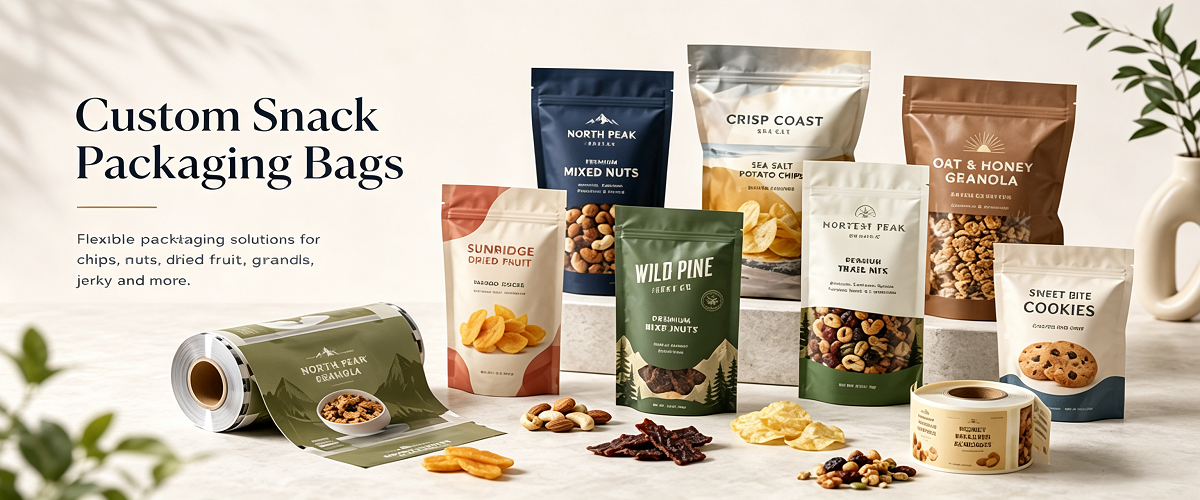
Flexible packaging offers an ideal solution by combining excellent barrier performance, lightweight transportation, customizable designs, and cost-effective production. Whether serving individual snack portions or family-sized meal packs, fresh snack shops can choose from a wide range of packaging formats, materials, and functional features to meet different product requirements. This guide explores the key factors to consider when selecting flexible packaging for fresh snack products.
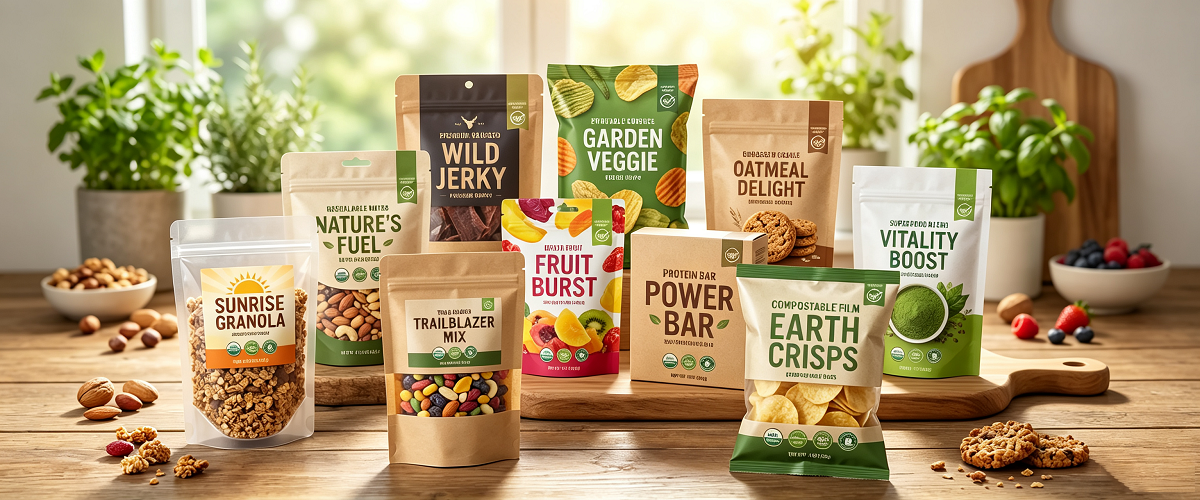
1. What Types of Flexible Packaging Are Best for Fresh Snack Products?
Different fresh snack categories require packaging formats that balance product protection, presentation, and convenience.
Stand-Up Pouches
- Attractive retail appearance
- Suitable for fresh fruits, vegetables, nuts, and salads
- Compatible with resealable zippers
Flat Pouches
- Cost-effective solution
- Ideal for sandwiches, bakery products, and snack portions
- Lightweight and easy to transport
Vacuum Packaging Bags
- Extend freshness by removing oxygen
- Suitable for cooked meats, deli products, and ready-to-eat foods
Modified Atmosphere Packaging (MAP) Pouches
- Replace internal air with protective gas mixtures
- Help extend the shelf life of fresh foods without preservatives
Spout Pouches
- Ideal for smoothies, yogurt, soups, sauces, and other semi-liquid snacks
- Convenient for on-the-go consumption
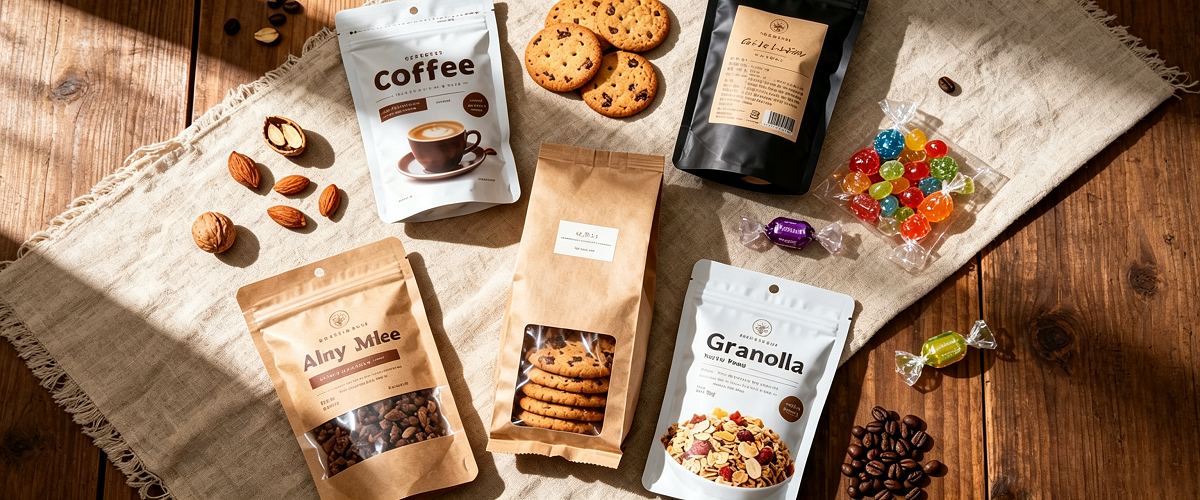
2. How Does Flexible Packaging Help Maintain Freshness and Food Safety?
Proper packaging is essential for preserving the quality of fresh snacks throughout storage and distribution.
Oxygen Barrier Protection
Reducing oxygen exposure helps:
- Slow oxidation
- Preserve color and flavor
- Maintain nutritional quality
Moisture Management
Packaging controls moisture to:
- Prevent dehydration
- Reduce condensation
- Preserve product texture
Microbial Protection
Sealed packaging reduces the risk of contamination from bacteria, dust, and external pollutants.
Temperature Compatibility
Many flexible packaging materials perform well under refrigerated storage conditions.
Leak Prevention
Strong seals prevent liquid leakage from sauces, dressings, or fresh ingredients.
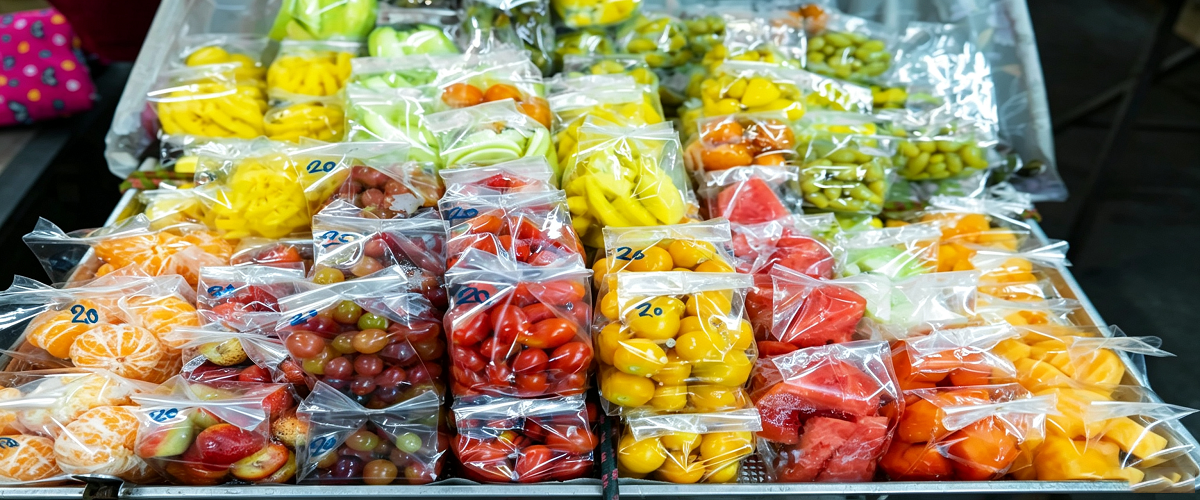
3. Which Packaging Materials Are Most Suitable for Fresh and Ready-to-Eat Snacks?
Material selection depends on the product's moisture content, shelf-life requirements, and storage conditions.
PET (Polyethylene Terephthalate)
- High strength
- Excellent printability
- Common outer layer
PE (Polyethylene)
- Reliable heat sealing
- Excellent moisture resistance
- Safe food-contact layer
Nylon (PA)
- High puncture resistance
- Suitable for vacuum packaging
EVOH (Ethylene Vinyl Alcohol)
- Outstanding oxygen barrier
- Frequently used in MAP packaging
- Supports recyclable packaging structures
Metallized Films (MPET)
- Enhanced moisture and oxygen protection
- Suitable for products requiring extended shelf life
Typical Laminated Structures
| Structure | Features | Applications |
|---|---|---|
| PET/PE | Durable and economical | Bakery products, fresh snacks |
| PA/PE | High puncture resistance | Vacuum-packed meats and ready meals |
| PET/EVOH/PE | Excellent oxygen barrier | MAP fresh foods and salads |
| PET/MPET/PE | Enhanced barrier performance | Premium fresh snack products |
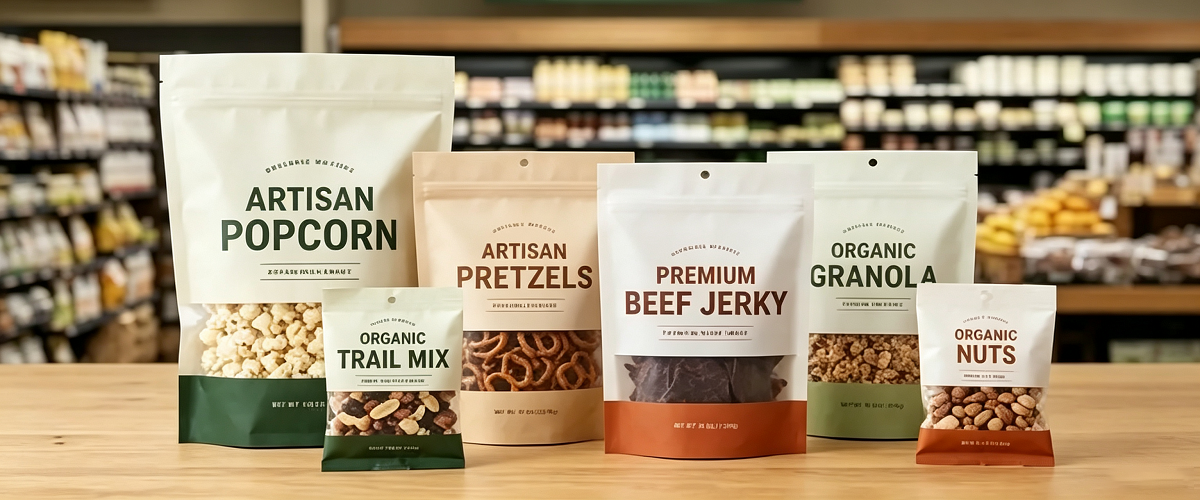
4. What Packaging Features Improve Convenience, Portability, and Customer Experience?
Modern packaging should improve usability while protecting product quality.
Resealable Zippers
Allow customers to enjoy products over multiple occasions while maintaining freshness.
Easy-Tear Notches
Enable quick and convenient package opening.
Transparent Windows
Allow customers to inspect product freshness before purchasing.
Anti-Fog Films
Improve product visibility for refrigerated foods by preventing condensation on package windows.
Carry Handles
Useful for larger meal packs or family-size products.
High-Quality Printing
Supports strong branding and communicates nutritional information clearly.
QR Codes
Provide access to product traceability, sourcing information, and promotional content.
5. Flexible Packaging for Fresh Snack Shops: Key Factors for Branding, Shelf Life, and Cost Efficiency
An effective packaging strategy supports operational success and customer satisfaction.
Shelf Life Extension
Appropriate barrier materials help reduce spoilage and food waste.
Strong Brand Identity
Eye-catching graphics and premium finishes improve product recognition.
Transportation Efficiency
Flexible packaging reduces shipping weight and storage requirements.
Consumer Convenience
Portable, resealable packaging enhances the customer experience.
Sustainability Opportunities
Recyclable mono-material and EVOH-based structures help meet growing environmental expectations.
Cost Optimization
Flexible packaging offers excellent protection while lowering packaging, logistics, and inventory costs compared to many rigid alternatives.
FAQ
Why is flexible packaging suitable for fresh snack shops?
Flexible packaging provides excellent freshness protection, lightweight transportation, attractive presentation, and convenient features for consumers.
What packaging format is best for fresh ready-to-eat snacks?
Stand-up pouches, vacuum bags, and modified atmosphere packaging (MAP) pouches are among the most common choices, depending on the product.
Which materials are commonly used for fresh snack packaging?
PET, PE, nylon (PA), EVOH, and metallized films are widely used because of their durability and barrier performance.
Can flexible packaging help reduce food waste?
Yes. High-barrier materials, vacuum packaging, and MAP technology help extend shelf life, maintain freshness, and reduce spoilage throughout the supply chain.
Conclusion
Choosing the right flexible packaging is essential for fresh snack shops that want to deliver safe, high-quality products while creating a memorable customer experience. By protecting fresh snacks from oxygen, moisture, contamination, and physical damage, flexible packaging helps preserve flavor, texture, appearance, and nutritional value throughout storage and distribution. Selecting suitable packaging formats, high-performance barrier materials, and convenient features such as resealable zippers, anti-fog windows, and MAP compatibility enables businesses to enhance product freshness, strengthen brand identity, and improve operational efficiency. As consumer demand for convenient, healthy, and ready-to-eat foods continues to grow, innovative flexible packaging will remain a key driver of success for modern fresh snack retailers.