How to Choose the Right Flexible Packaging for Your Jerky
Anna_Yu
How to Choose the Right Flexible Packaging for Your Jerky
Jerky products—whether beef jerky, chicken jerky, pork jerky, or plant-based alternatives—are among the most moisture-sensitive, oxygen-sensitive, and shelf-life–dependent snack foods on the market. Because jerky relies on controlled dehydration rather than full sterilization, its quality is highly vulnerable to oxygen exposure, moisture ingress, fat oxidation, and seal failure. Improper packaging can quickly lead to texture changes, off-flavors, mold growth, or reduced shelf life—directly affecting brand credibility and repeat purchases.
In recent years, flexible packaging has become the dominant format for jerky products worldwide. Compared with rigid containers, flexible packaging offers superior barrier performance, lighter weight, lower transportation costs, and greater design flexibility, making it ideal for both retail and e-commerce channels. Resealable features, premium finishes, and high-barrier laminates have also reshaped consumer expectations in the jerky category.
However, choosing the right flexible packaging for jerky is not a one-size-fits-all decision. Different jerky formats, moisture levels, fat content, distribution channels, and target markets demand specific bag types, material structures, and functional features. This guide provides a practical, industry-focused overview to help jerky brands and manufacturers select packaging that protects product quality, extends shelf life, and strengthens market positioning.
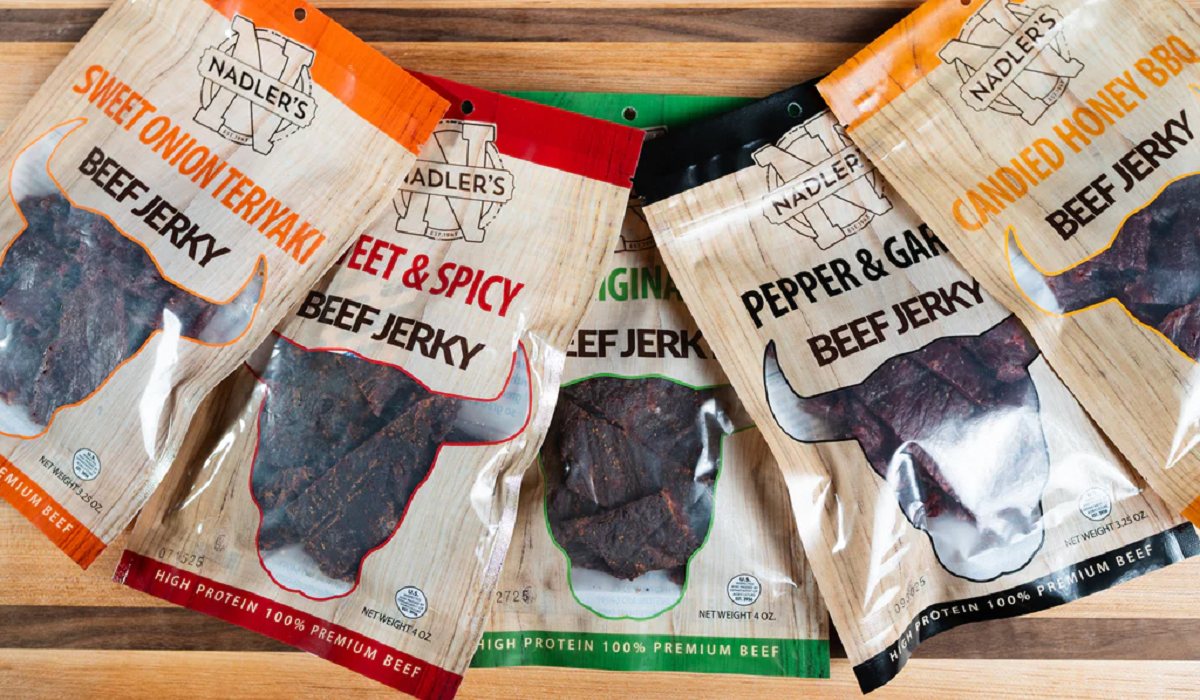
1. What Types of Flexible Packaging Are Best for Jerky Products?
The most suitable flexible packaging for jerky depends on product format, portion size, consumption frequency, and retail environment.
Stand-Up Pouches (Doypacks)
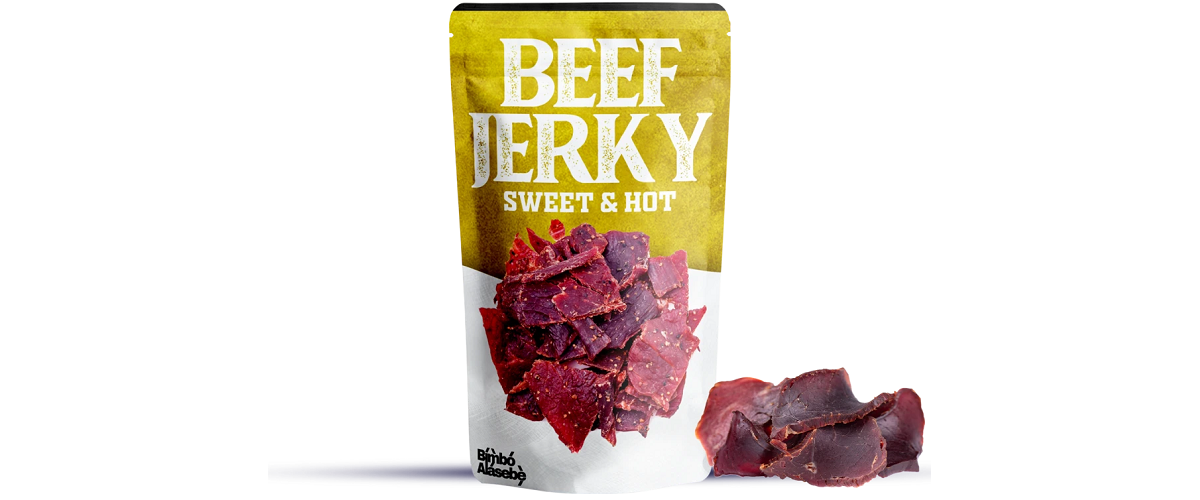
Stand-up pouches are the most common packaging choice for jerky products. They are ideal for:
- Retail beef, chicken, or pork jerky
- Flavored or marinated jerky
- Single-flavor or mixed jerky packs
Their upright structure improves shelf visibility, while compatibility with zippers supports repeated opening and closing.
Flat Bottom Bags (Box Pouches)
Flat bottom bags are widely used for premium and export-oriented jerky brands. Key advantages include:
- Excellent stability for heavier fills
- Five printable panels for branding and regulatory information
- A strong, high-end shelf appearance
These bags are often selected for private-label and specialty jerky products.
Pillow Bags and 3-Side Seal Bags
These formats are typically used for:
- Value-priced jerky
- Foodservice or wholesale packs
- High-speed automated filling lines
They offer cost efficiency but are usually non-resealable unless combined with additional features.
Vacuum and Modified Atmosphere Packaging (MAP)
Vacuum-sealed or nitrogen-flushed flexible packaging is commonly used for:
- Long-shelf-life jerky
- Export shipments
- Products with higher fat content
These formats significantly reduce oxygen exposure and oxidation risk.
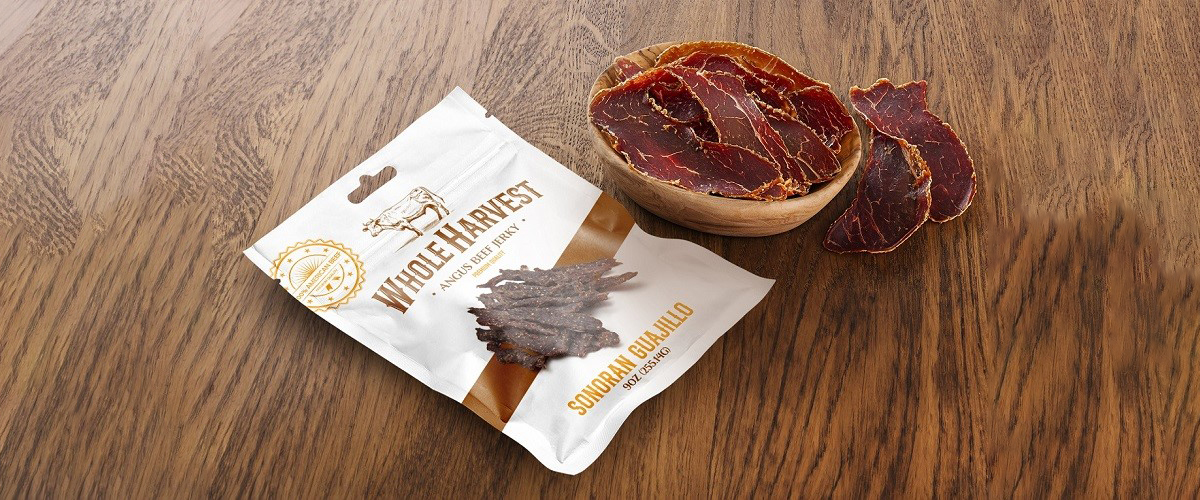
2. How Do Barrier Properties Impact Jerky Freshness and Shelf Life?
Barrier performance is a critical determinant of jerky quality and safety throughout its shelf life.
Oxygen Barrier
Oxygen accelerates:
- Fat oxidation
- Flavor degradation
- Color darkening
High oxygen barrier materials help maintain taste, aroma, and appearance, especially for beef and pork jerky.
Moisture Barrier
Jerky must maintain a carefully controlled moisture level. Poor moisture barriers can cause:
- Rehydration and texture softening
- Microbial growth
- Reduced shelf stability
Effective moisture resistance is essential, particularly in humid climates.
Light Barrier
Exposure to light can degrade fats and seasonings, leading to:
- Off-flavors
- Reduced visual appeal
Metallized or aluminum-based layers offer strong protection against light-induced deterioration.
Seal Integrity
Even the best materials fail if seals are weak. Strong heat seals prevent oxygen and moisture ingress during transportation and storage.
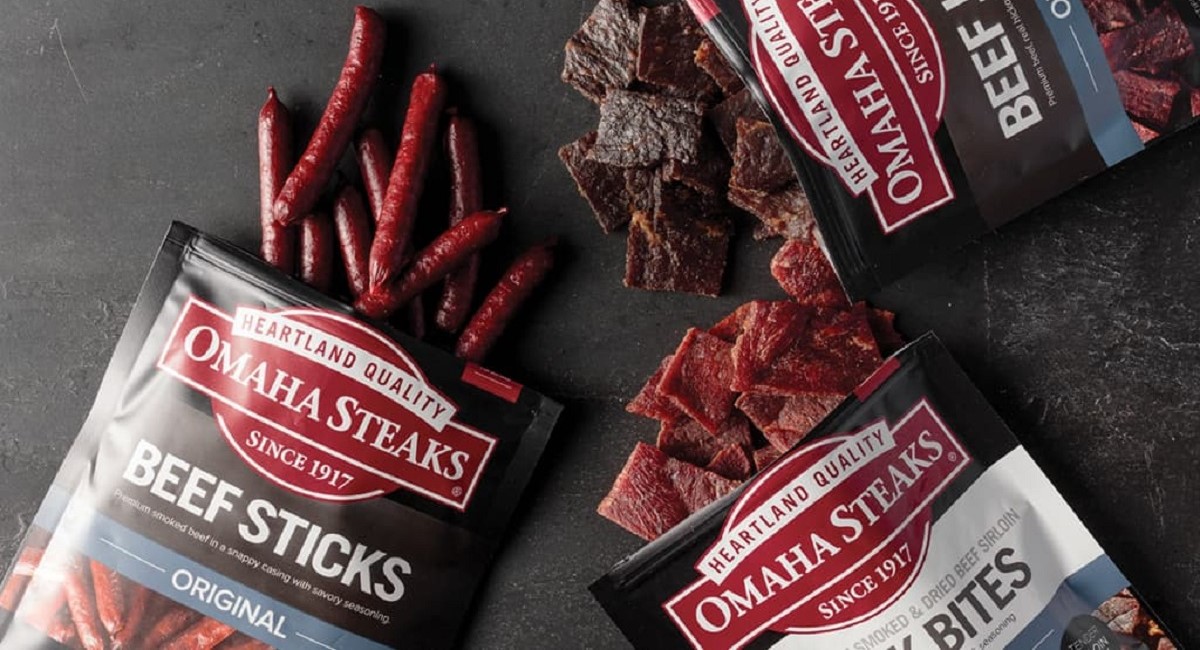
3. Which Packaging Materials Are Most Suitable for Different Jerky Formats?
Material selection should align with fat content, moisture level, shelf-life goals, and cost considerations.
Common Materials Used in Jerky Flexible Packaging
- PET (Polyester): Mechanical strength and high-quality printing
- BOPP: Cost-effective structure and stiffness
- PE / LLDPE: Reliable food-contact sealing layer
- VMPET (Metallized PET): Enhanced oxygen and moisture barrier
- Aluminum Foil (AL): Maximum barrier protection
Material Recommendations by Jerky Type
| Jerky Type | Recommended Structure | Reason |
|---|---|---|
| Low-fat jerky | PET/VMPET/PE | Balanced barrier and cost |
| High-fat jerky | PET/AL/PE | Superior oxidation protection |
| Premium jerky | PET/AL/PE or PET/VMPET/PE | Extended shelf life and premium image |
| Export jerky | PET/AL/PE | Maximum barrier for long transit |
Choosing the right laminate structure directly influences product stability and market acceptance.
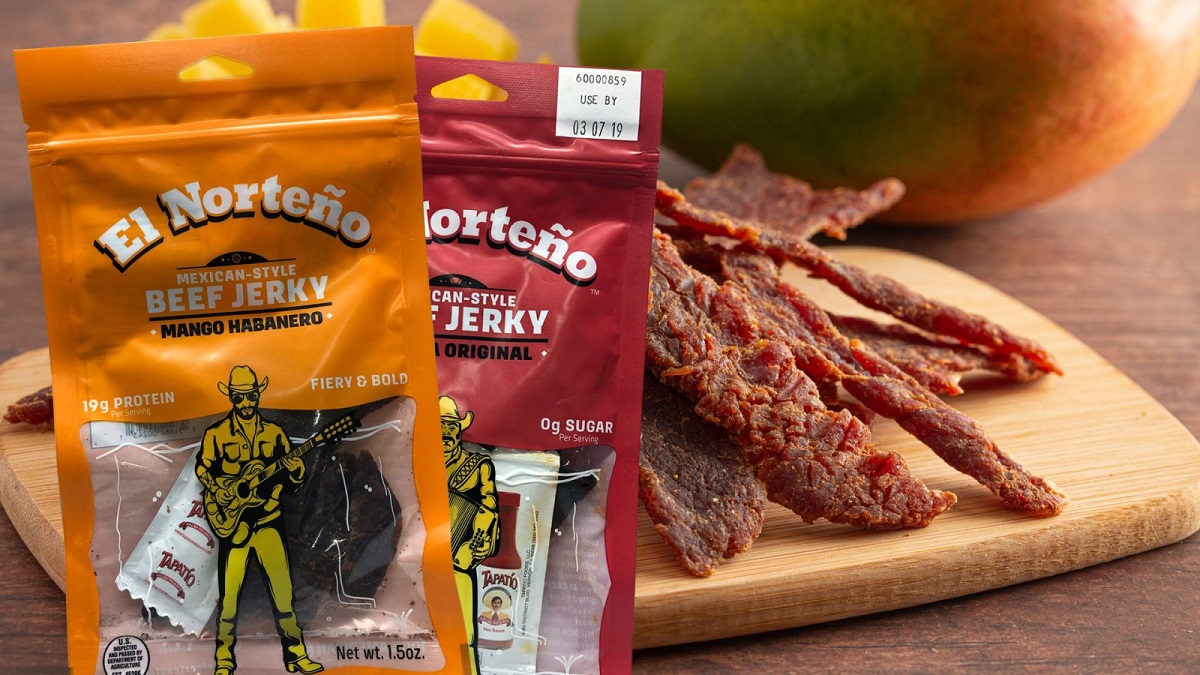
4. What Key Features Should Jerky Flexible Packaging Bags Have?
Functional features play a major role in consumer convenience, freshness retention, and brand differentiation.
Resealable Zippers
Resealable closures are now standard for retail jerky packaging. They help:
- Preserve freshness after opening
- Reduce food waste
- Improve consumer experience
Tear Notches and Easy-Open Design
Controlled opening improves usability and reduces product spillage.
Premium Printing and Finishes
Matte finishes, spot UV, and metallic effects help jerky brands stand out in crowded snack aisles.
Transparent Windows (Optional)
Small windows can showcase product texture and quality, but excessive transparency may compromise shelf life.
Compliance and Label Space
Packaging must accommodate:
- Nutritional facts
- Ingredient lists
- Allergen declarations
- Country-of-origin labeling
This is especially important for export markets.
5. Flexible Packaging for Jerky: Key Factors to Consider for Long-Term Storage and Distribution
Long-term success in the jerky market requires packaging decisions that support both logistics and branding.
Distribution Environment
Jerky sold through e-commerce or exported internationally must withstand temperature fluctuations, vibration, and extended storage periods.
Shelf-Life Targets
Most jerky products require 9–18 months of shelf life. High-barrier flexible packaging is essential to achieve this without preservatives.
Regulatory Compliance
Packaging materials must meet food-contact regulations such as:
- FDA standards (USA)
- EU food packaging regulations
- Local import requirements
Cost Optimization
While aluminum foil laminates provide the best protection, metallized films often offer a strong balance between cost and performance.
Sustainability Trends
Recyclable structures and downgauged materials are gaining importance as sustainability influences purchasing decisions.
FAQ
What is the best flexible packaging for jerky products?
High-barrier stand-up pouches with resealable zippers are the most common choice.
Does jerky need oxygen barrier packaging?
Yes. Oxygen exposure leads to oxidation, flavor loss, and reduced shelf life.
Is vacuum packaging suitable for jerky?
Vacuum and MAP packaging are excellent for long-term storage and export.
Can flexible packaging support jerky e-commerce sales?
Absolutely. Flexible packaging offers durability, lightweight shipping, and strong shelf protection.
Conclusion
Choosing the right flexible packaging for jerky is a strategic decision that directly impacts freshness, shelf life, brand image, and consumer satisfaction. By carefully evaluating bag types, barrier properties, material structures, and functional features, jerky brands can protect product quality while meeting the demands of modern retail and global distribution. In a competitive snack market, high-performance flexible packaging is not just protection—it is a key driver of product success.