How to Choose the Right Packaging for Nutritional Supplements
Anna_Yu
How to Choose the Right Packaging for Nutritional Supplements
The global nutritional supplement market is growing at an unprecedented rate. From protein powders and vitamins to probiotics, herbal capsules, and functional blends, consumers today are more health-conscious, label-aware, and quality-driven than ever before. In this environment, packaging is no longer a simple container—it is a critical part of product safety, regulatory compliance, brand credibility, and consumer trust.
Unlike ordinary food products, nutritional supplements are highly sensitive to external factors such as moisture, oxygen, light, and temperature. Many active ingredients degrade easily, while others can lose potency long before the expiration date if the packaging is poorly designed. At the same time, supplements are subject to stricter regulatory requirements, including tamper evidence, child resistance, labeling accuracy, and traceability.
Flexible packaging has become one of the most widely adopted solutions for nutritional supplements due to its excellent barrier performance, cost efficiency, design flexibility, and adaptability to different product formats. However, choosing the “right” flexible packaging is not a one-size-fits-all decision. The ideal solution depends on the supplement form, target market, regulatory environment, and brand positioning.
This guide provides a comprehensive breakdown of how to choose the right packaging for nutritional supplements. We will explore suitable flexible packaging types, the impact of materials on shelf life, essential safety and compliance features, how packaging influences brand trust, and common mistakes that should be avoided.
1. What Types of Flexible Packaging Are Best for Nutritional Supplements?
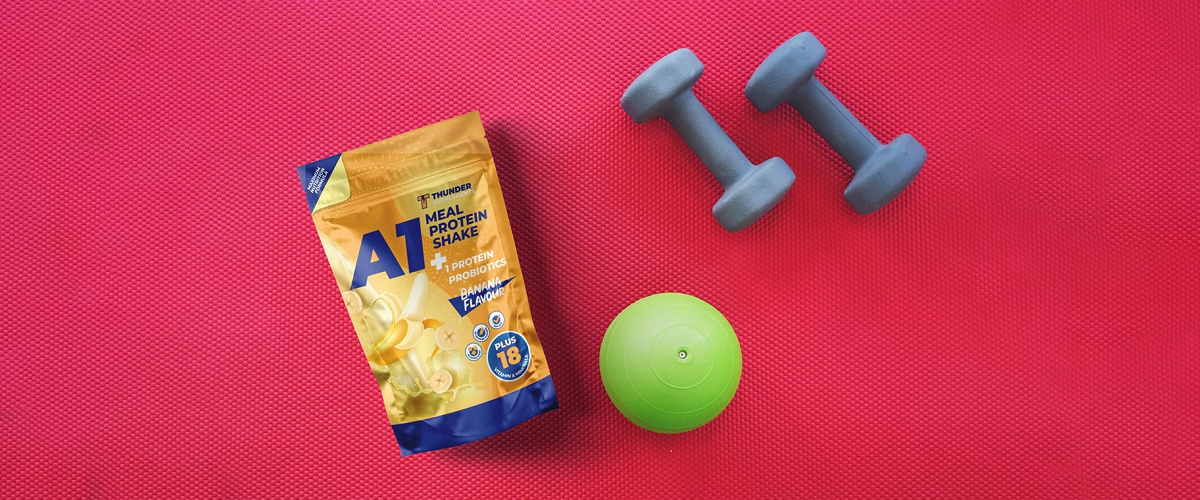
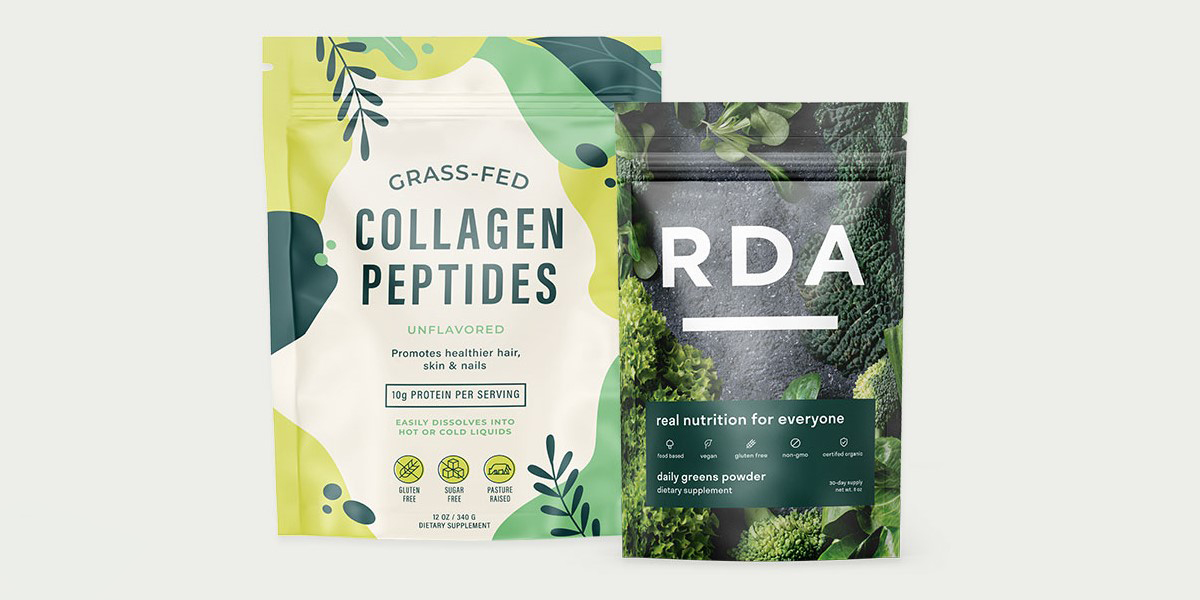
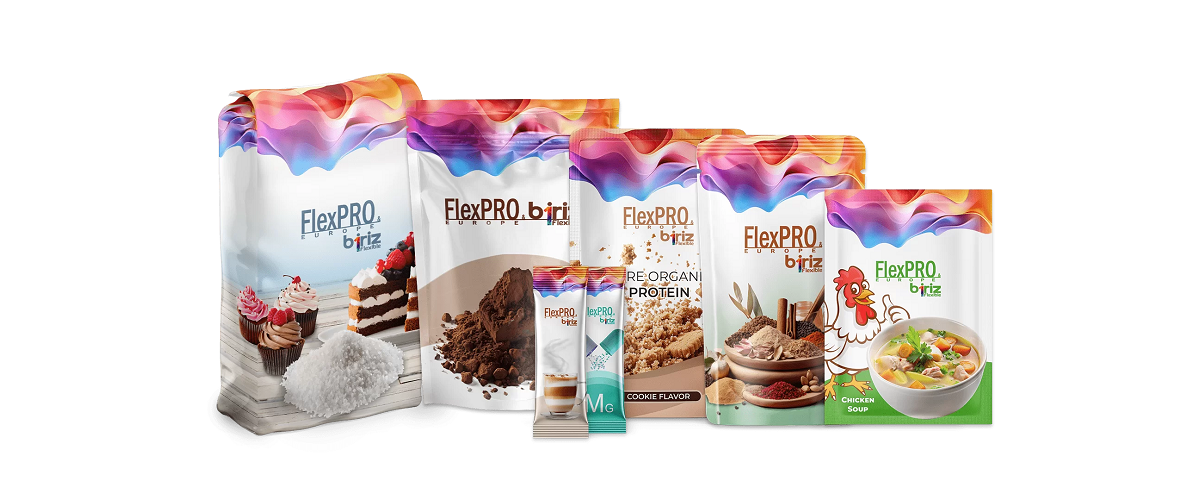
Flexible packaging offers multiple formats that can be adapted to different supplement forms, including powders, capsules, tablets, gummies, and granules. One of the most popular options is the stand-up pouch, which combines shelf presence with functional convenience. Stand-up pouches are commonly used for protein powders, collagen blends, and superfood mixes because they can hold large volumes while remaining lightweight and resealable.
Flat-bottom bags and quad-seal pouches are often chosen for premium nutritional supplements. Their box-like appearance enhances perceived value, while the multiple panels allow for detailed product information, branding, and compliance labeling. These formats are especially effective for products sold in health stores or online premium channels.
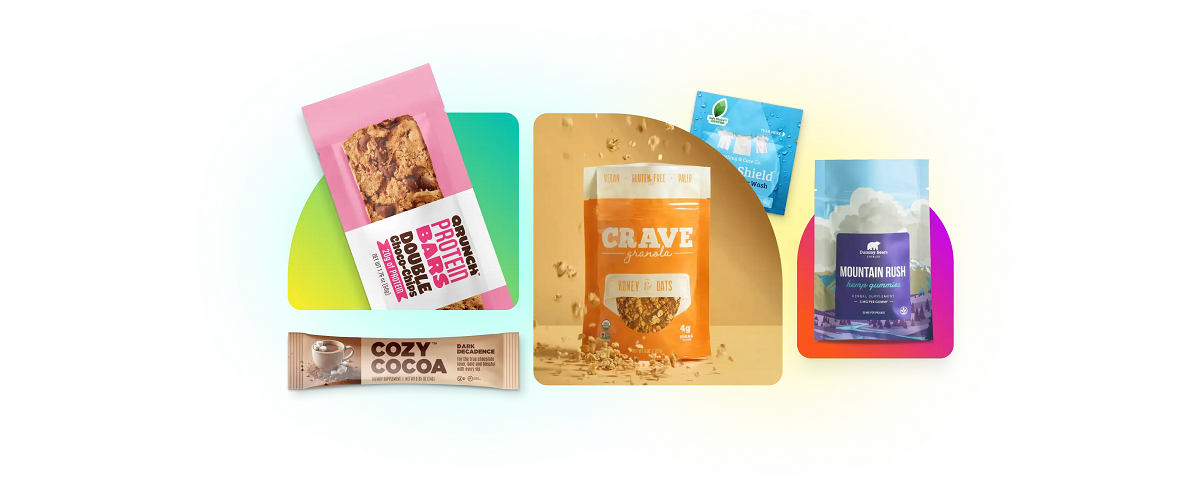
For single-serving or on-the-go supplements, sachet packaging and stick packs are ideal. They offer precise portion control, portability, and high production efficiency. These formats are widely used for probiotics, electrolyte powders, and functional drink mixes.
Three-side seal bags are commonly used for sample packs, trial products, or refills. While simple in structure, they can still deliver strong barrier performance when laminated with appropriate materials.
2. How Does Packaging Material Affect the Shelf Life of Nutritional Supplements?
The shelf life of nutritional supplements is directly influenced by the materials used in packaging. Many supplements are hygroscopic, meaning they absorb moisture easily, which can lead to clumping, microbial growth, or loss of efficacy. Therefore, moisture barrier performance is critical.
Multi-layer laminated structures are widely used to protect supplements. Typical outer layers include PET or BOPP, which provide mechanical strength and high-quality printability. These layers also protect against scratches and environmental damage during transportation.
The barrier layer plays a central role in shelf-life preservation. Aluminum foil offers near-total protection against oxygen, moisture, and light, making it ideal for sensitive formulations such as probiotics or omega-based supplements. Metallized films provide a lighter-weight alternative with good barrier properties and improved sustainability potential.
The inner sealing layer, usually PE or CPP, ensures food safety, seal integrity, and resistance to oils or chemical interactions. Choosing the wrong sealing material can lead to leakage, contamination, or premature product failure.
In short, the right material structure can significantly extend shelf life, reduce spoilage, and maintain product potency throughout the distribution cycle.
3. What Packaging Features Are Most Important for Supplement Safety and Compliance?
Safety and compliance are non-negotiable in nutritional supplement packaging. One of the most important features is tamper-evident design. Consumers must be able to see immediately whether a package has been opened or compromised. Tear notches, security seals, and breakable zipper systems are commonly used to achieve this.
Child-resistant features may also be required, especially for supplements containing iron, melatonin, or high-dose vitamins. Specialized zipper mechanisms or secondary locking systems can help brands comply with safety regulations.
Accurate and legible labeling space is another essential requirement. Flexible packaging must accommodate ingredient lists, nutritional facts, dosage instructions, warnings, batch numbers, and expiration dates without compromising design clarity.
Additionally, all materials, inks, and adhesives must meet food-contact safety standards and local regulatory requirements. Non-compliant packaging can lead to recalls, fines, and long-term brand damage.
4. How Can the Right Supplement Packaging Improve Brand Trust and Consumer Experience?
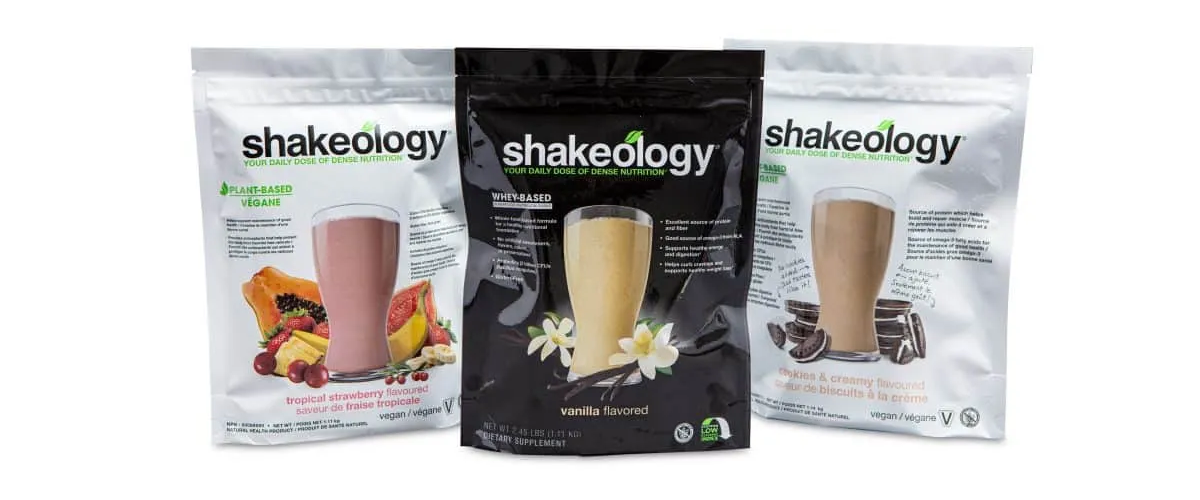
Packaging is often the first physical interaction a consumer has with a nutritional supplement brand. High-quality packaging immediately communicates professionalism, reliability, and product integrity. Clean design, premium materials, and thoughtful functionality all contribute to brand trust.
Resealable features such as zippers significantly improve user experience by allowing consumers to maintain freshness after opening. Easy-tear openings reduce frustration, especially for older consumers or those with limited hand strength.
Transparent windows, when used strategically, can enhance trust by allowing consumers to see the product inside. This is particularly effective for natural or plant-based supplements where visual quality matters.
Sustainable packaging options also play an increasing role in brand perception. Brands that adopt recyclable or reduced-material packaging often gain favor with environmentally conscious consumers, reinforcing long-term loyalty.
5. Common Packaging Mistakes to Avoid When Packaging Nutritional Supplements
One of the most common mistakes is choosing packaging based solely on cost. Low-cost materials may lack sufficient barrier performance, leading to shortened shelf life and customer complaints.
Another frequent error is underestimating regulatory requirements. Insufficient labeling space or missing safety features can result in non-compliance and forced market withdrawal.
Overcomplicated packaging is also a risk. While innovation is valuable, packaging that is difficult to open or reseal can negatively impact user experience.
Finally, ignoring sustainability trends can hurt brand competitiveness. Consumers increasingly expect responsible packaging choices, and brands that fail to adapt may lose market relevance.
FAQ
Is flexible packaging safe for nutritional supplements?
Yes, when produced with food-grade materials and compliant manufacturing processes, flexible packaging is safe and reliable.
Which packaging is best for supplement powders?
Stand-up pouches and flat-bottom bags with high-barrier laminations are the most common choices.
Do supplements always need aluminum foil packaging?
Not always. Metallized films or advanced barrier plastics may be sufficient depending on product sensitivity.
Can flexible supplement packaging be recyclable?
Yes, mono-material and recyclable structures are increasingly available.
Conclusion
Choosing the right packaging for nutritional supplements is a strategic decision that affects product safety, shelf life, regulatory compliance, and brand reputation. Flexible packaging offers unmatched versatility, performance, and design freedom, making it the preferred solution for modern supplement brands. By carefully selecting packaging types, materials, and functional features—and avoiding common mistakes—brands can protect product integrity while building lasting consumer trust in a highly competitive market.