How to Choose the Right Packaging for Tortillas?
Anna_Yu
How to Choose the Right Packaging for Tortillas?
Tortillas are a staple food with deep cultural roots and an increasingly global consumer base. From traditional corn tortillas used in Mexican cuisine to modern wheat tortillas for wraps, burritos, and ready-to-eat meals, tortillas are consumed daily by millions of people around the world. As tortilla consumption grows, so does the importance of proper tortilla packaging. Packaging is no longer just about containment—it directly affects freshness, shelf life, food safety, brand image, and consumer convenience.
Unlike many dry foods, tortillas are highly sensitive to moisture, oxygen, microbial contamination, and mechanical damage. Improper packaging can quickly lead to mold growth, staleness, cracking, or off-flavors. At the same time, consumers expect packaging that is easy to open, resealable, visually appealing, and increasingly sustainable. Retailers and distributors, on the other hand, demand packaging that performs well during transportation, stacking, and long shelf display.
Modern tortilla brands must strike a careful balance between material performance, cost control, sustainability goals, and marketing impact. Flexible packaging has become one of the most widely adopted solutions, offering superior barrier properties, design flexibility, and efficiency compared to rigid alternatives. However, choosing the right packaging requires a clear understanding of tortilla characteristics, storage conditions, and consumer expectations.
In this guide, we will take a comprehensive look at tortilla packaging—from what it is, to its key characteristics, material selection, and the most suitable bag types. Whether you are launching a new tortilla product or upgrading existing packaging, this article will help you make informed, future-ready decisions.
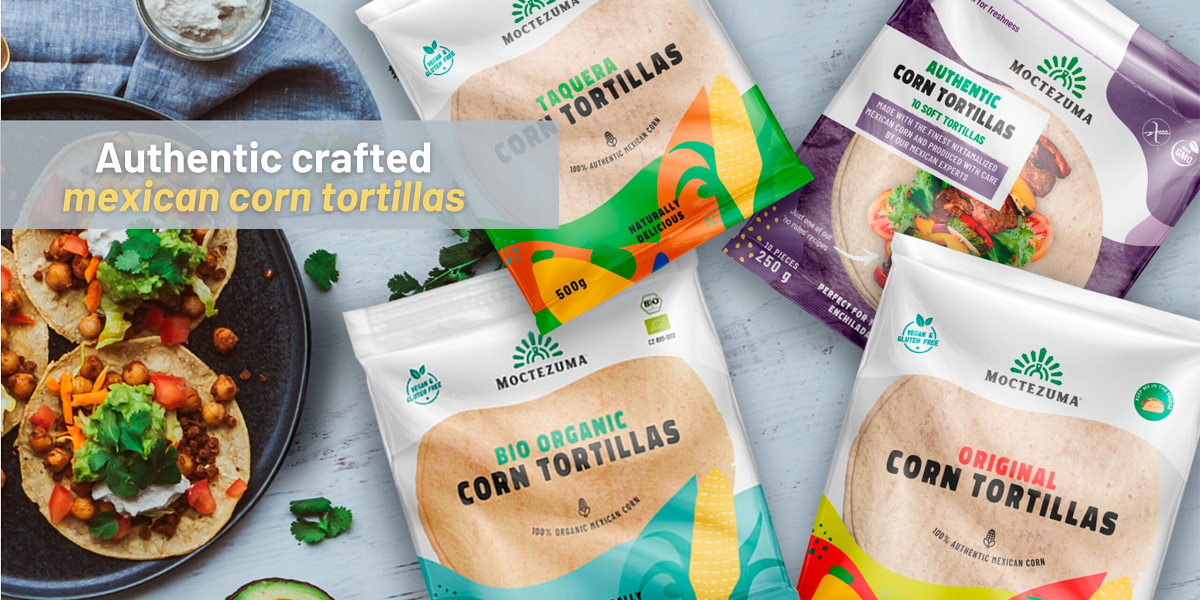
1. What is tortilla packaging?
Tortilla packaging refers to the materials, structures, and formats used to protect, preserve, and present tortillas throughout their lifecycle—from production and transportation to retail display and consumer use. Its primary purpose is to maintain freshness and safety, while also supporting branding and usability.
Tortillas typically contain moisture and organic ingredients, which makes them vulnerable to mold and spoilage when exposed to air and humidity. As a result, tortilla packaging must provide an effective barrier against oxygen, moisture, and microorganisms. In many cases, packaging also needs to support modified atmosphere packaging (MAP) or preservatives to extend shelf life.
From a commercial perspective, tortilla packaging must be compatible with high-speed filling and sealing equipment, ensure consistent quality, and meet food safety regulations. From a consumer standpoint, packaging should be easy to open, resealable, and visually communicate freshness and authenticity. Modern tortilla packaging is therefore a multifunctional system rather than a simple wrapper.
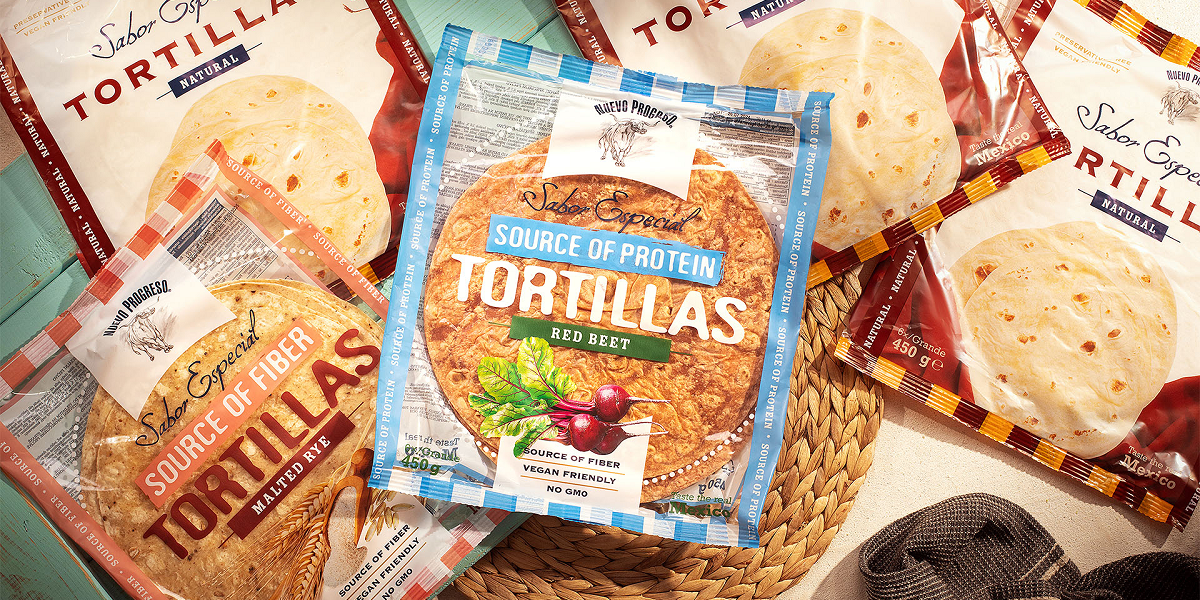
2. What are the main characteristics of modern tortilla packaging?
Modern tortilla packaging is designed to address multiple challenges simultaneously. One of its most important characteristics is barrier performance. Tortilla packaging must limit oxygen and moisture transmission to slow down microbial growth and prevent drying or sogginess.
Another key characteristic is seal integrity. A strong and consistent heat seal ensures that the package remains airtight throughout distribution. Poor seals can lead to leaks, contamination, and premature spoilage.
Flexibility and durability are also essential. Tortillas are soft and flat, so the packaging must conform to their shape without crushing or tearing. At the same time, it must resist punctures and abrasions during handling and transportation.
From a marketing perspective, modern tortilla packaging emphasizes visual appeal and transparency. Many brands use clear windows or transparent films to allow consumers to see the tortillas inside, reinforcing perceptions of freshness and quality. High-quality printing further enhances shelf appeal and brand recognition.
Finally, sustainability has become a defining characteristic. Brands increasingly seek recyclable structures, downgauged films, and material-efficient designs to reduce environmental impact while maintaining performance.
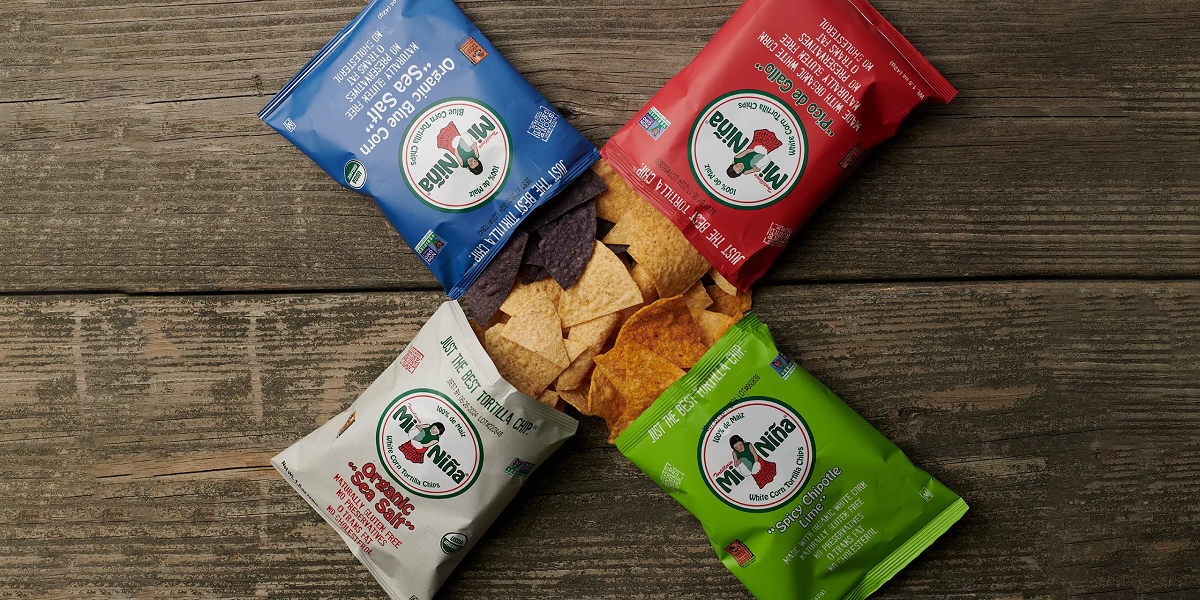
3. How to choose the packaging material for tortillas?
Choosing the right packaging material for tortillas requires balancing protection, cost, sustainability, and brand positioning. The most commonly used materials in tortilla packaging include BOPP, PET, PE, CPP, EVOH, and metallized films, often laminated into multi-layer structures.
The outer layer is typically selected for print quality and mechanical strength. Materials such as BOPP or PET provide excellent surface smoothness, stiffness, and visual clarity, making them ideal for branding and graphics.
The middle layer, when used, contributes to barrier performance. EVOH or metallized films are often incorporated to improve oxygen and moisture resistance, which is especially important for tortillas with longer shelf life requirements.
The inner layer serves as the food-contact and sealing layer. PE or CPP is commonly used due to its food safety compliance, flexibility, and reliable heat-sealing properties. This layer also affects how easily consumers can open and reseal the package.
Material selection should also consider distribution conditions. Tortillas sold locally may require lower barrier protection than those distributed nationally or internationally. Additionally, sustainability goals may influence the choice of mono-material structures that are easier to recycle.
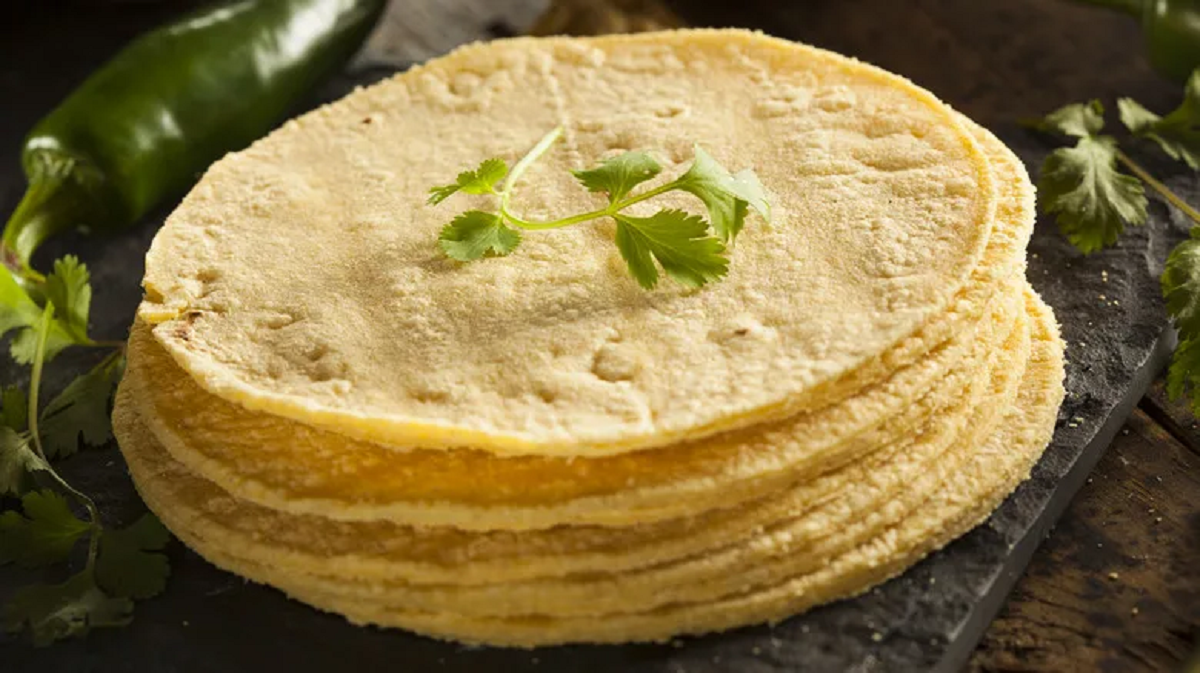
4. Which bag types are suitable for packaging tortillas?
Several flexible bag types are well-suited for tortilla packaging, each offering distinct advantages depending on product positioning and market needs.
Pillow bags are one of the most common formats for tortillas. They are cost-effective, compatible with high-speed packaging lines, and suitable for standard retail distribution. Pillow bags provide adequate protection for tortillas intended for quick consumption.
Resealable bags with zippers are increasingly popular, especially for family-size packs. Resealability helps maintain freshness after opening and improves user convenience, reducing food waste.
Gusseted bags offer additional volume and better stackability, making them suitable for bulk or foodservice packaging. Their structure provides improved stability during transportation and shelf display.
Stand-up pouches, while less common for traditional tortillas, are sometimes used for specialty or premium tortilla products. They offer strong shelf presence and enhanced branding opportunities.
The choice of bag type should align with portion size, shelf life expectations, consumer usage habits, and brand positioning.
FAQ
Why is tortilla packaging more complex than bread packaging?
Tortillas often contain higher moisture and fewer preservatives, making them more susceptible to mold and spoilage.
Can tortilla packaging be recyclable?
Yes, many brands now use recyclable mono-material films or reduced-layer structures.
Is resealable packaging necessary for tortillas?
While not mandatory, resealable features significantly improve freshness and consumer convenience.
Do transparent windows affect tortilla shelf life?
When designed correctly with proper barrier materials, window packaging can maintain shelf life while enhancing visibility.
Conclusion
Choosing the right packaging for tortillas is a strategic decision that directly impacts product quality, shelf life, brand perception, and consumer satisfaction. Modern tortilla packaging must protect against moisture and oxygen, support efficient distribution, and meet growing demands for convenience and sustainability. Flexible packaging offers unmatched versatility, making it the preferred choice for many tortilla brands worldwide. By carefully selecting materials and bag types based on product needs and market expectations, brands can ensure their tortillas remain fresh, appealing, and competitive in an evolving food packaging landscape.