How to Customize Flexible Packaging for Bath Salt Products?
Anna_Yu
How to Customize Flexible Packaging for Bath Salt Products?
Bath salts have become increasingly popular in the personal care and wellness industry, valued for their relaxation benefits, aromatherapy properties, and aesthetic appeal. Whether sold as luxury spa products, daily self-care essentials, or gift items, bath salts require packaging that not only protects their physical quality but also enhances their visual presentation. Unlike many other products, bath salts are highly sensitive to moisture and environmental exposure, which can lead to clumping, loss of fragrance, and reduced usability.
For brands in this space, packaging is more than just a protective layer—it is a key factor in communicating product quality, brand identity, and lifestyle positioning. Consumers often associate bath salts with relaxation, luxury, and self-care, and packaging must reflect these emotional and sensory expectations. As a result, customizable flexible packaging has become a preferred solution due to its ability to combine functionality, cost efficiency, and creative design.
Flexible packaging allows brands to choose from a wide range of materials, formats, and finishes, making it easier to create packaging that stands out on retail shelves and online platforms. From resealable pouches to transparent window designs, modern packaging solutions can enhance both usability and brand appeal while maintaining product integrity.
This article explores how to choose the best flexible packaging types for bath salts, how packaging protects against moisture and clumping, which materials are most suitable, and what design features can elevate brand presentation and consumer experience.
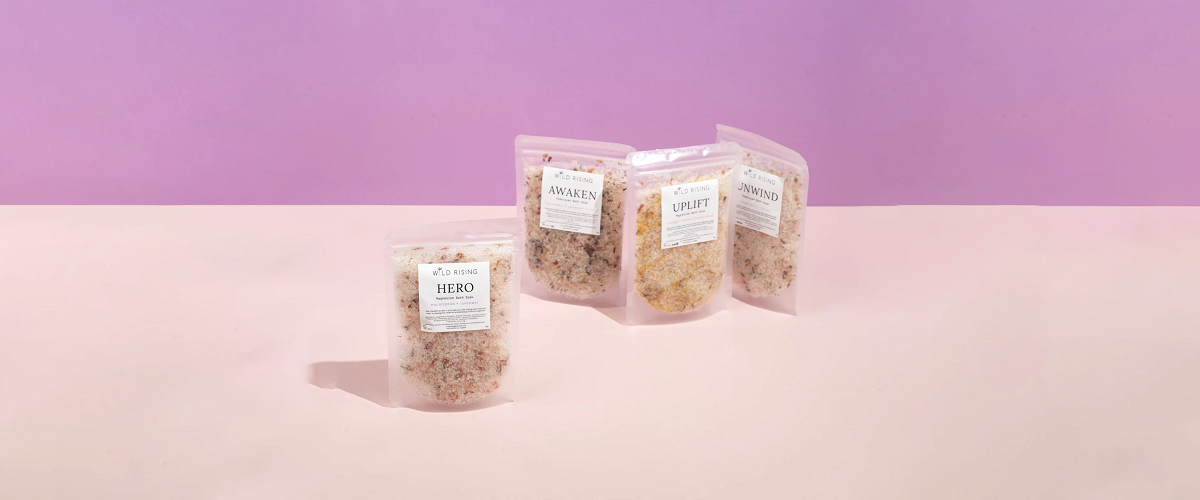
1. What Types of Flexible Packaging Are Best for Bath Salt Products?
Selecting the right packaging format is essential for both functionality and presentation.
Stand-Up Pouches
Stand-up pouches are one of the most popular options for bath salts due to their:
- Strong shelf presence
- Large printable surface
- Ability to stand upright
They are ideal for retail and e-commerce packaging.
Flat Pouches
Flat pouches are suitable for:
- Sample sizes
- Travel packs
- Promotional products
They are cost-effective and easy to distribute.
Zip Lock Bags
Resealable zip lock pouches are highly practical for bath salts, allowing consumers to open and close the package multiple times.
Spout Pouches
For liquid or partially dissolved bath products, spout pouches provide controlled pouring and convenience.
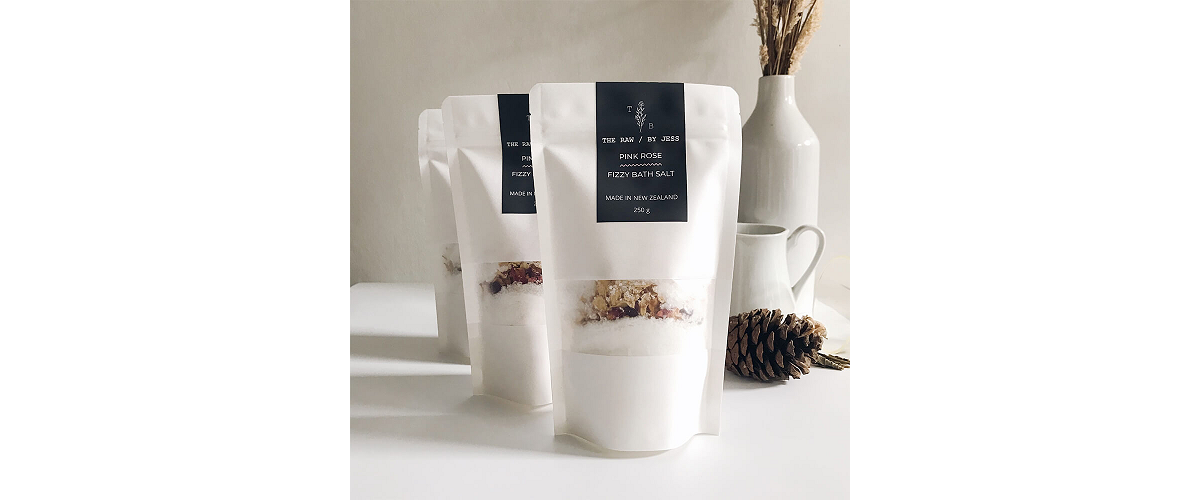
2. How Does Packaging Protect Bath Salts from Moisture and Clumping?
Bath salts are highly hygroscopic, meaning they easily absorb moisture from the environment.
Moisture Barrier Protection
Flexible packaging materials with strong moisture barriers prevent water vapor from entering the package, keeping salts dry and free-flowing.
Airtight Sealing
Secure heat seals reduce exposure to air, minimizing humidity absorption and preserving product quality.
Contamination Prevention
Packaging protects bath salts from:
- Dust
- Dirt
- External contaminants
Ensuring hygiene and safety.
Fragrance Preservation
Proper packaging helps retain essential oils and fragrances, which are key selling points for bath salts.
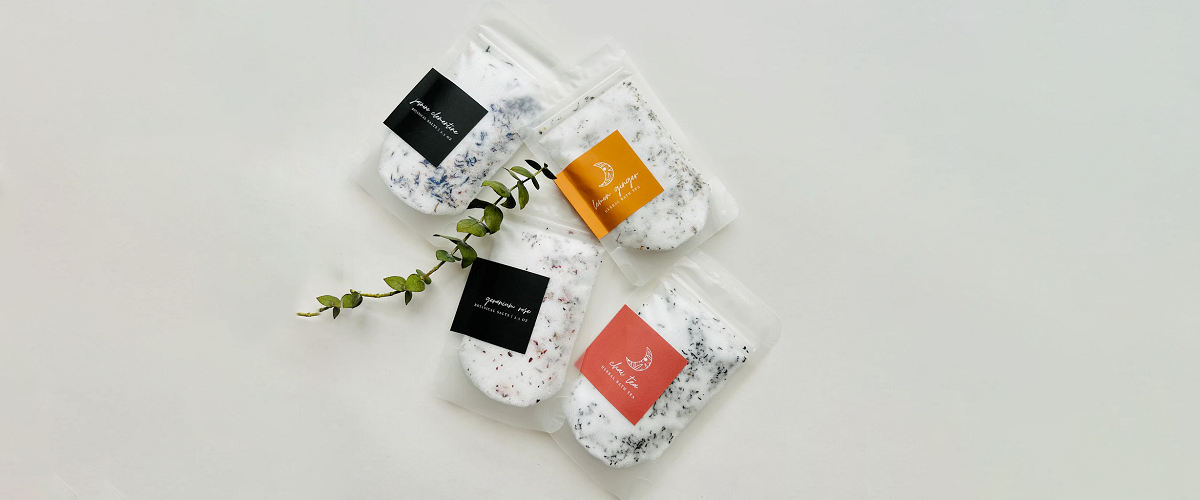
3. Which Materials Are Most Suitable for Durable and Attractive Bath Salt Packaging?
Material selection affects both protection and aesthetics.
PET (Polyethylene Terephthalate)
- High strength and durability
- Excellent print quality
- Suitable for premium packaging
BOPP (Biaxially Oriented Polypropylene)
- Good moisture resistance
- Clear or glossy appearance
- Cost-effective
PE (Polyethylene)
- Flexible and heat-sealable
- Often used as the inner layer
- Provides moisture resistance
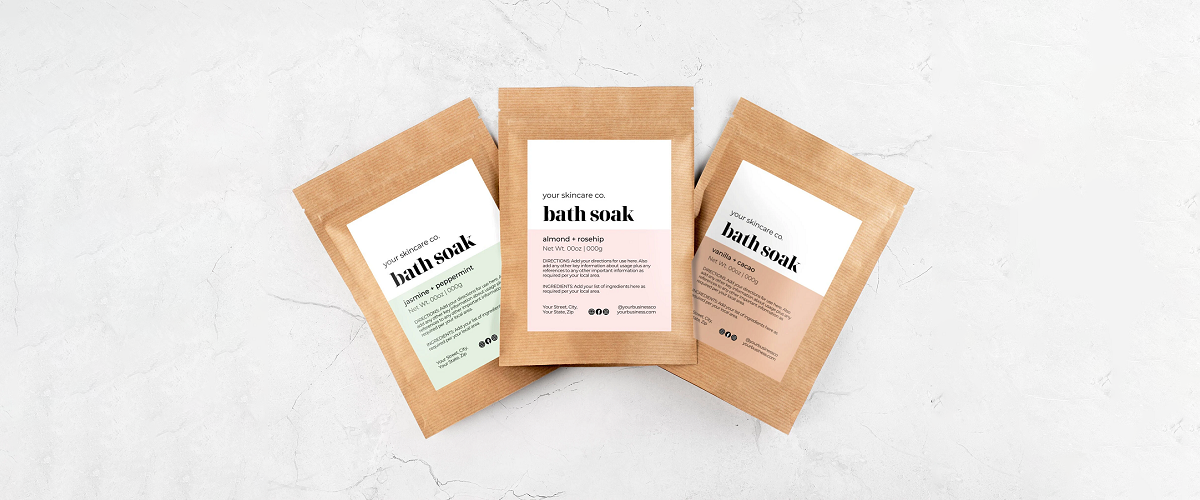
Kraft Paper Laminates
- Natural and eco-friendly appearance
- Popular for organic or handmade bath salt products
- Often combined with inner plastic layers for protection
Metallized Films
- Enhanced barrier properties
- Attractive metallic finish
- Suitable for high-end products
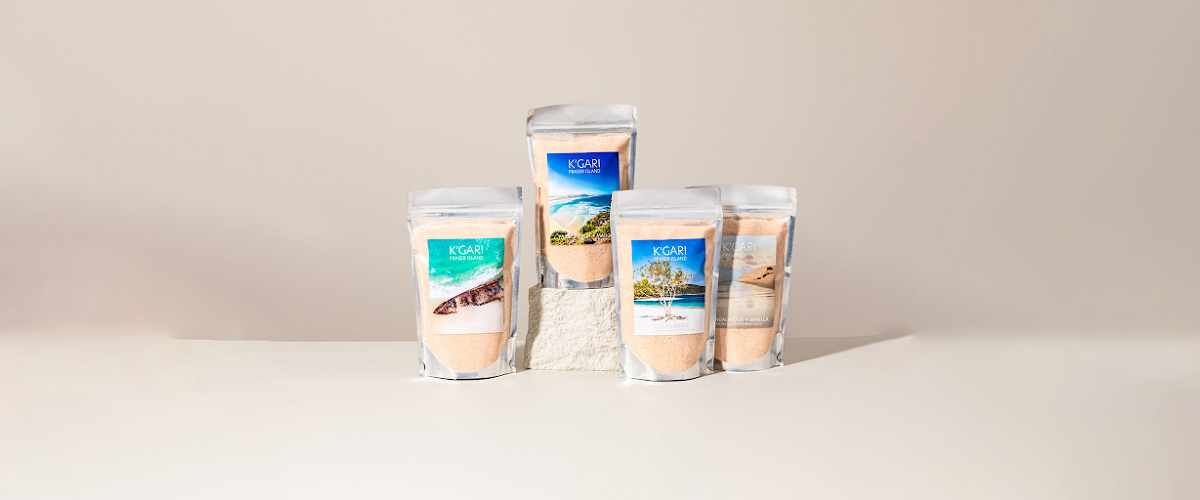
4. What Custom Design Features Enhance Brand Appeal in Bath Salt Packaging?
Creative design plays a crucial role in attracting consumers.
Transparent Windows
Allow consumers to see the product inside, increasing trust and showcasing texture and color.
Matte and Gloss Finishes
Different finishes can create:
- A soft, premium feel (matte)
- A vibrant, eye-catching look (gloss)
Soft-Touch Coatings
Enhance the tactile experience, making packaging feel more luxurious.
Unique Shapes and Sizes
Customized pouch shapes help differentiate products from competitors.
Labeling and Branding Elements
Including:
- Brand logos
- Product descriptions
- Usage instructions
Helps communicate value and build trust.
5. Flexible Packaging for Bath Salts: Key Factors for Functionality, Aesthetics, and Cost
A successful packaging strategy balances multiple considerations.
Product Protection
Packaging must effectively prevent moisture absorption and maintain product quality.
Cost Efficiency
Flexible packaging reduces material usage and transportation costs compared with rigid containers.
Sustainability
Eco-friendly materials and recyclable options can enhance brand image and appeal to environmentally conscious consumers.
Brand Differentiation
Creative designs and high-quality finishes help products stand out in competitive markets.
Consumer Convenience
Features such as resealable closures and easy-open designs improve usability.
FAQ
Why is flexible packaging suitable for bath salts?
It provides strong moisture protection, customizable design options, and cost efficiency.
What materials are commonly used for bath salt packaging?
Common materials include PET, BOPP, PE, kraft paper laminates, and metallized films.
How can packaging prevent bath salts from clumping?
By using moisture-resistant materials and airtight sealing to reduce humidity exposure.
Can bath salt packaging be eco-friendly?
Yes. Many brands use recyclable materials or kraft paper laminates to achieve a more sustainable image.
Conclusion
Customizing flexible packaging for bath salt products requires a careful balance of functionality, aesthetics, and cost considerations. Effective packaging must protect against moisture and contamination while preserving fragrance and product quality. At the same time, visually appealing designs and premium finishes play a key role in attracting consumers and enhancing brand value. With a wide range of materials, formats, and customization options available, flexible packaging provides an ideal solution for bath salt brands seeking to deliver both performance and visual impact. By selecting the right packaging strategy, businesses can improve product protection, strengthen brand identity, and create a more engaging consumer experience.