How to Design Creative Packaging That Suits Your Product?
Anna_Yu
How to Design Creative Packaging That Suits Your Product?
In today’s highly competitive retail and e-commerce markets, packaging is no longer just a protective container—it has become an essential part of the product experience. Creative packaging design plays a crucial role in capturing consumer attention, communicating brand values, and differentiating products from competitors. With countless options available on store shelves and online marketplaces, brands must ensure that their packaging not only looks attractive but also aligns closely with the characteristics of the product it contains.
Packaging that matches the product effectively helps create a strong first impression and builds trust with consumers. For example, premium products often require sophisticated packaging designs with elegant finishes, while everyday consumer goods may benefit from simple, practical, and cost-efficient packaging solutions. When packaging design reflects the product’s quality, purpose, and target audience, it becomes a powerful marketing tool that supports both branding and sales.
Flexible packaging has opened new possibilities for creative design thanks to its adaptability, material variety, and advanced printing technologies. Modern flexible packaging allows brands to experiment with unique shapes, vibrant colors, innovative textures, and interactive features that enhance the consumer experience. In addition to visual appeal, creative packaging must also maintain functionality, product protection, and cost efficiency.
This article explores why packaging design must align with the product itself, how creative packaging enhances brand identity and perceived product value, which flexible packaging materials support innovative designs, and how design elements such as color, shape, and graphics influence consumer perception.
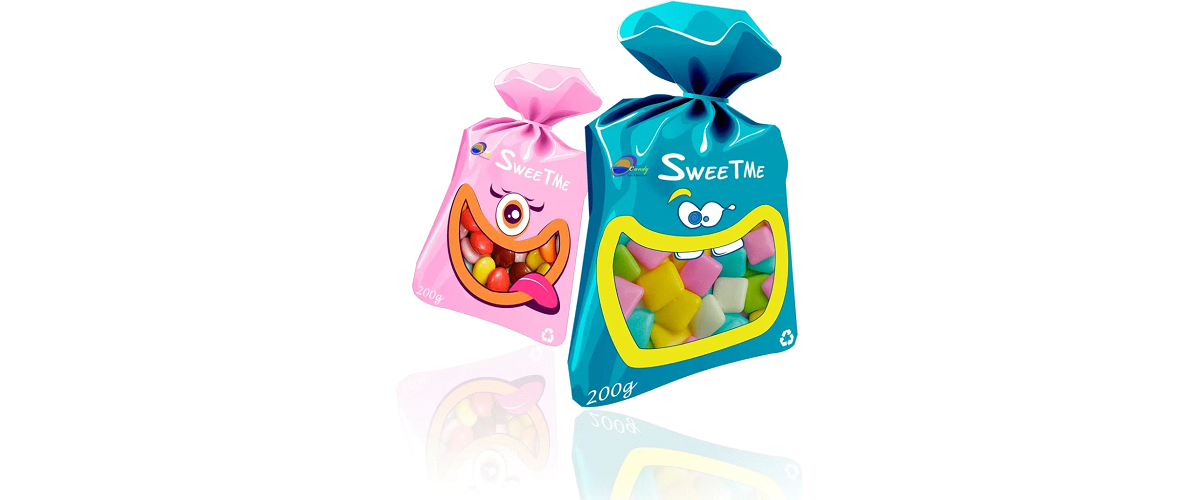
1. Why Is It Important for Packaging Design to Match the Product Itself?
Effective packaging design begins with a clear understanding of the product and its target market.
Product Positioning
Different product categories require different packaging styles. For instance:
- Premium products often use luxurious and minimalist packaging
- Health-focused products may emphasize natural colors and clean designs
- Convenience foods often use bright, energetic graphics
When packaging design aligns with product positioning, it reinforces the product’s market identity.
Target Consumer Expectations
Packaging should reflect the preferences of the intended audience. For example:
- Young consumers may prefer bold and creative packaging designs
- Luxury buyers often expect elegant and refined packaging
Understanding consumer expectations helps brands create packaging that resonates with buyers.
Product Functionality and Protection
Packaging must also support the product’s physical requirements, including protection against:
- Moisture
- Oxygen
- Light exposure
Design choices should never compromise the product’s safety or quality.
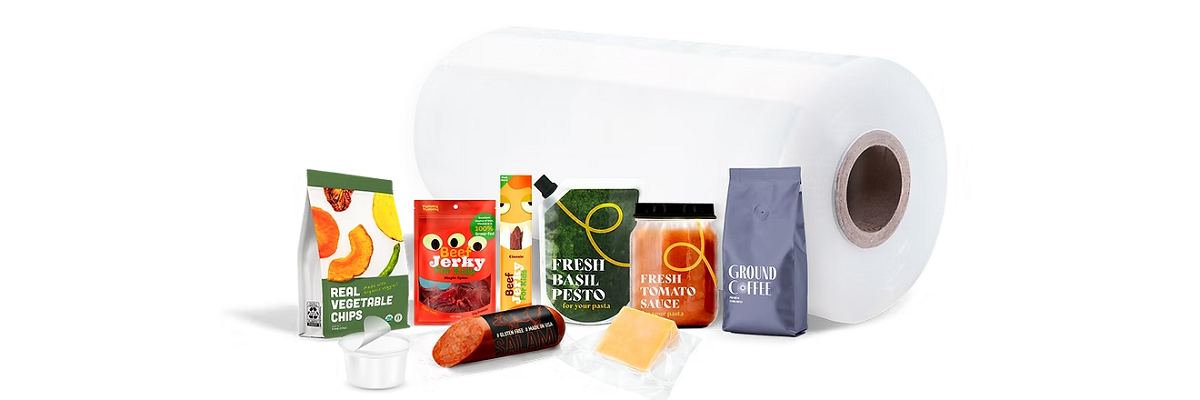
2. How Can Creative Packaging Enhance Product Value and Brand Identity?
Creative packaging plays an important role in shaping how consumers perceive a product.
Increasing Perceived Product Value
Well-designed packaging can make a product appear more premium and desirable. Elements such as high-quality printing, unique shapes, and textured finishes contribute to this perception.
Strengthening Brand Recognition
Consistent packaging design helps build strong brand identity. Recognizable colors, logos, and design elements make products easier for consumers to identify.
Storytelling Through Packaging
Packaging can communicate a brand’s story, values, or product origin. For example:
- Sustainable brands may highlight eco-friendly materials
- Artisan brands may emphasize craftsmanship and authenticity
This storytelling approach helps create emotional connections with consumers.
Differentiation in Competitive Markets
Creative packaging helps products stand out on crowded shelves, increasing the chances of attracting consumer attention.
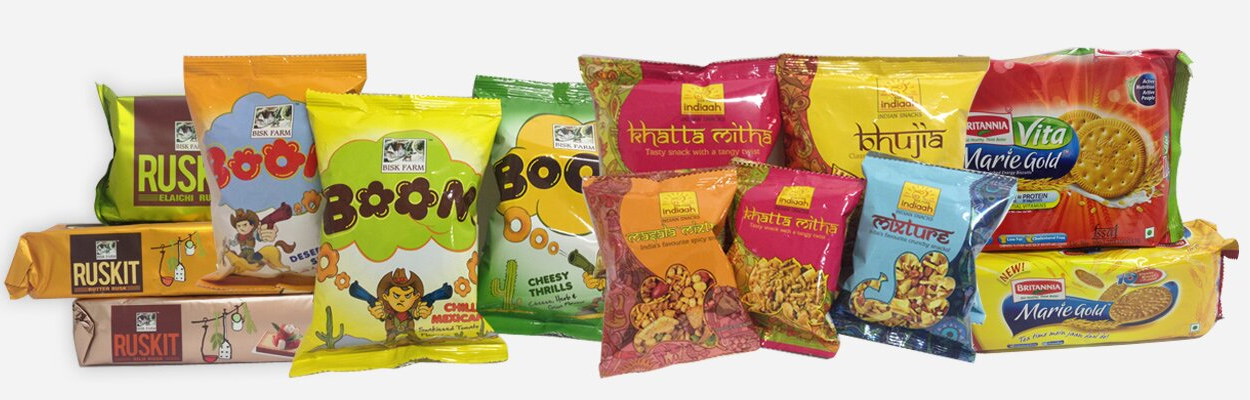
3. What Flexible Packaging Materials Support Innovative Packaging Designs?
Flexible packaging materials offer a wide range of possibilities for creative product presentation.
PET (Polyethylene Terephthalate)
PET films are commonly used for flexible packaging due to their strength and excellent printability. They support high-quality graphics and vibrant colors.
BOPP (Biaxially Oriented Polypropylene)
BOPP films are widely used for snack and food packaging. They offer:
- Excellent clarity
- Good moisture resistance
- High printing quality
Metallized Films
Metallized films provide a reflective metallic appearance that enhances premium packaging designs while also improving barrier performance.
Multi-Layer Laminates
Laminated structures combine several materials to achieve:
- Improved durability
- Better barrier protection
- Enhanced visual effects
These materials allow designers to create innovative packaging formats without sacrificing performance.
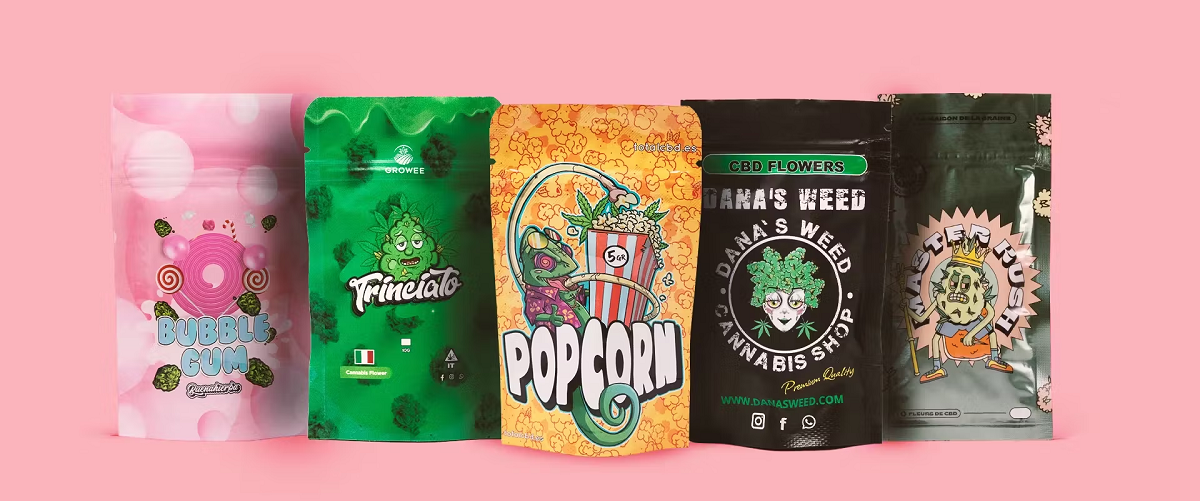
4. How Do Colors, Shapes, and Graphics Influence Consumer Perception?
Visual design elements play a major role in how consumers interpret packaging.
Color Psychology
Different colors evoke different emotional responses. For example:
- Red and orange can create excitement and energy
- Green often represents health and sustainability
- Black and gold are commonly associated with luxury
Strategic color choices help communicate product positioning.
Unique Packaging Shapes
Creative packaging shapes can immediately attract attention and make products more memorable. Flexible packaging allows for innovative formats such as stand-up pouches and uniquely shaped bags.
Graphic Design and Typography
Clear typography and well-designed graphics help communicate product information effectively while reinforcing brand identity.
Visual Hierarchy
Good packaging design guides the consumer’s eye toward the most important information, such as the brand name or product benefits.
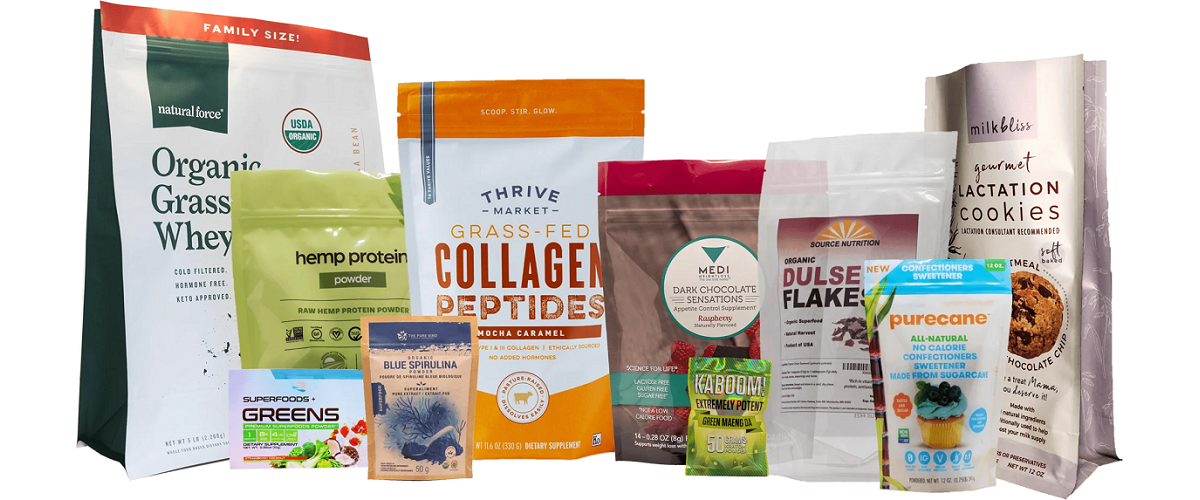
5. Creative Packaging Strategy: Key Factors for Functionality, Branding, and Market Appeal
Designing creative packaging requires balancing aesthetics with practical performance.
Product Protection
Even the most visually appealing packaging must still provide effective protection against environmental factors such as moisture and oxygen.
Cost Efficiency
Packaging designs should be optimized for production efficiency to avoid excessive manufacturing costs.
Sustainability
Consumers increasingly prefer environmentally responsible packaging solutions, making recyclable or eco-friendly materials an important consideration.
Market Adaptability
Creative packaging should also adapt to different sales channels, including retail stores and e-commerce platforms.
FAQ
Why is packaging design important for product success?
Packaging influences first impressions, protects product quality, and helps communicate brand identity to consumers.
How does creative packaging improve brand recognition?
Unique colors, logos, and design elements make products easily identifiable and memorable.
What materials are commonly used for creative flexible packaging?
Common materials include PET, BOPP, metallized films, and multi-layer laminated structures.
Can creative packaging still be cost-effective?
Yes. With proper material selection and efficient production processes, creative packaging can balance visual appeal with cost efficiency.
Conclusion
Creative packaging design is an essential component of modern product marketing and brand development. When packaging aligns with the product’s characteristics, target audience, and market positioning, it becomes a powerful tool for attracting consumer attention and enhancing perceived value. Flexible packaging provides exceptional opportunities for innovation thanks to its material versatility, printing capabilities, and adaptable formats. By combining thoughtful design elements such as color, shape, and graphics with strong product protection and sustainable materials, brands can create packaging solutions that not only stand out in competitive markets but also deliver lasting value for both consumers and businesses.