How to Design Eye-Catching Energy Bar Packaging
Anna_Yu
How to Design Eye-Catching Energy Bar Packaging
The energy bar market has experienced rapid growth over the past decade as consumers increasingly seek convenient, nutritious snacks that support active lifestyles. From athletes and fitness enthusiasts to busy professionals and health-conscious individuals, energy bars appeal to a wide range of consumers who value portability, balanced nutrition, and quick energy replenishment. However, as more brands enter this competitive market, standing out on retail shelves has become increasingly challenging. Packaging design now plays a critical role in capturing consumer attention and communicating the unique value of each product.
Energy bar packaging must balance several important objectives. It needs to attract consumers visually, communicate key nutritional benefits, preserve product freshness, and reinforce brand identity. Because energy bars are often sold in crowded retail environments such as supermarkets, convenience stores, and gyms, eye-catching packaging can significantly influence purchasing decisions. Effective packaging not only draws attention but also builds trust and highlights the product’s health benefits, flavor, and functional ingredients.
Flexible packaging has become the preferred format for energy bars due to its lightweight structure, strong barrier properties, and excellent printing capabilities. With advanced materials and finishing techniques, flexible packaging allows brands to create visually appealing designs while ensuring product protection and shelf stability. This article explores the essential design elements that make energy bar packaging stand out, how color and graphics influence brand perception, the best flexible packaging materials for energy bars, and how packaging features help maintain product freshness and texture.
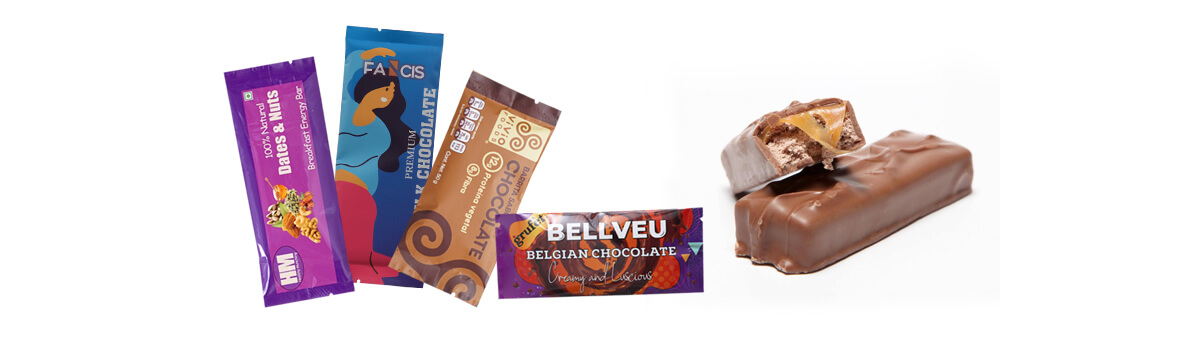
1. What Design Elements Make Energy Bar Packaging Stand Out on Store Shelves?
Effective energy bar packaging must immediately capture attention and communicate product benefits.
Clear Brand Identity
Strong branding is essential for recognition. Key elements include:
- Prominent logo placement
- Consistent color palette
- Distinctive packaging layout
A recognizable brand identity helps consumers quickly identify products among competitors.
Highlighting Key Product Benefits
Energy bar consumers often look for specific attributes such as:
- High protein
- Low sugar
- Organic ingredients
- Vegan or gluten-free formulas
Packaging should clearly emphasize these benefits on the front panel.
Product Imagery and Ingredient Visualization
High-quality graphics showing ingredients such as nuts, chocolate, oats, or fruits help communicate flavor and authenticity.
Simple and Focused Design
While vibrant designs can attract attention, overly complex packaging may confuse consumers. Clean layouts improve readability and enhance visual impact.
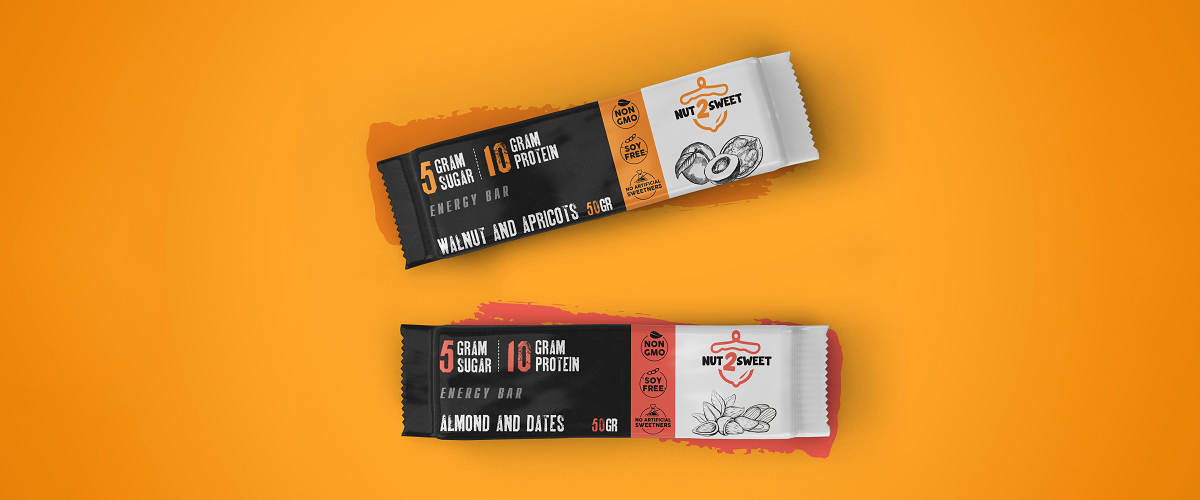
2. How Can Color, Typography, and Graphics Enhance Energy Bar Brand Appeal?
Visual design strongly influences how consumers perceive a product.
Color Strategy
Different colors communicate different messages about the product.
| Color | Consumer Perception | Common Energy Bar Use |
|---|---|---|
| Green | Natural, organic | Plant-based or organic bars |
| Red | Energy and intensity | High-performance sports bars |
| Blue | Trust and reliability | Protein-focused products |
| Orange | Vitality and energy | Pre-workout snacks |
| Black | Premium positioning | High-end nutrition bars |
Color coding can also help distinguish different flavors within the same product line.
Typography for Readability and Personality
Fonts influence brand personality. For example:
- Bold fonts convey strength and energy
- Clean sans-serif fonts suggest modern and healthy products
- Elegant fonts may be used for premium or specialty bars
Typography should remain easy to read even from a distance.
Dynamic Graphics
Action-oriented visuals such as athletes, motion lines, or energetic design patterns can reinforce the product’s functional benefits.
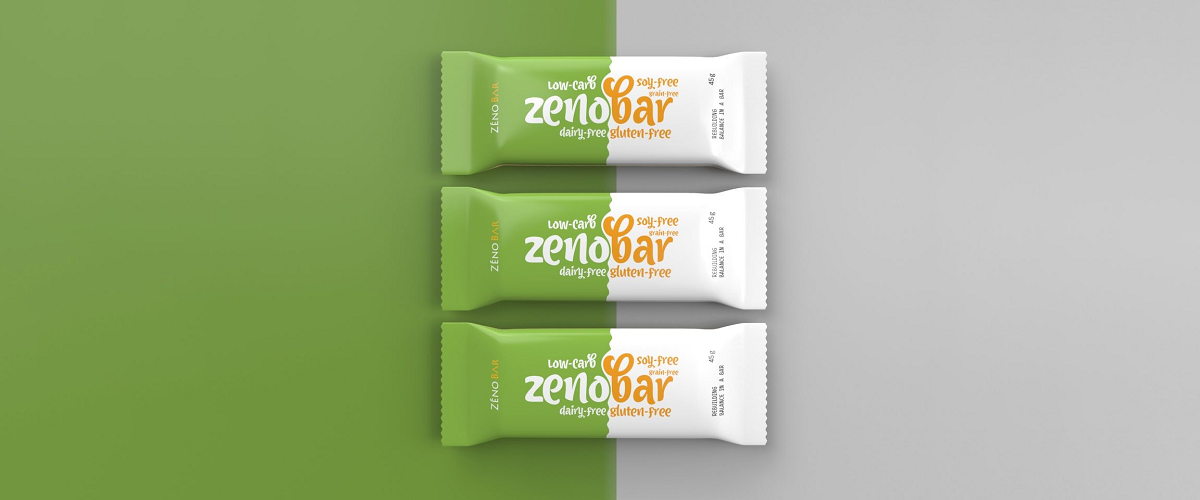
3. Which Flexible Packaging Materials Are Best for Energy Bar Products?
Energy bars require packaging materials that provide both durability and barrier protection.
BOPP-Based Laminates
BOPP (Biaxially Oriented Polypropylene) films are widely used because they offer:
- Good moisture barrier
- Excellent print clarity
- Cost efficiency
Metallized Film Laminates
Structures such as BOPP/VMPET/CPP provide:
- Enhanced oxygen barrier
- Light protection
- Extended shelf life
These are commonly used for energy bars containing nuts or fats.
PET Laminates
PET-based films offer:
- High mechanical strength
- Superior print quality
- Heat resistance during sealing
Paper-Based Laminates
Kraft paper laminates provide a natural and eco-friendly look, making them ideal for organic or sustainable product lines.
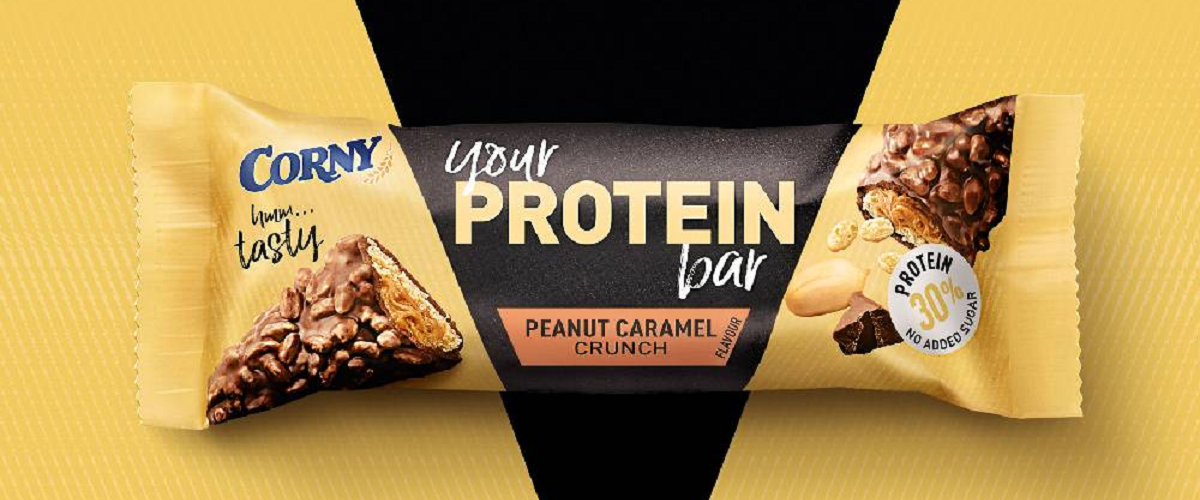
4. How Do Packaging Features Help Preserve Energy Bar Freshness and Texture?
Energy bars contain ingredients such as nuts, oils, and dried fruits that can be sensitive to environmental conditions.
Moisture Protection
Low moisture permeability helps prevent:
- Bars becoming too hard or dry
- Texture degradation
Oxygen Barrier
Oxygen exposure can lead to:
- Oxidation of fats and oils
- Loss of flavor freshness
Barrier laminates reduce oxygen transmission and maintain product quality.
Seal Integrity
Strong heat seals prevent contamination and ensure product freshness throughout the distribution process.
Portion Packaging
Individually wrapped bars provide both freshness protection and convenient consumption.
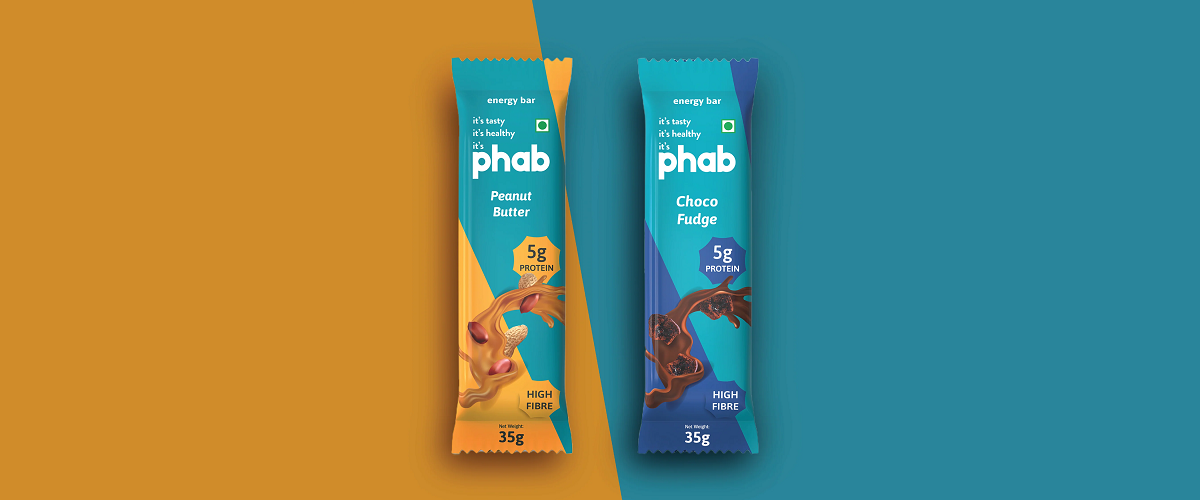
5. Energy Bar Packaging Design: Key Strategies for Branding and Consumer Attraction
Successful packaging design combines visual appeal with functional performance.
Emphasize Nutritional Messaging
Consumers often prioritize nutrition when selecting energy bars. Packaging should highlight:
- Protein content
- Calorie levels
- Functional ingredients
Design for Shelf Visibility
Packaging should remain visually striking even when displayed among many competing products.
Ensure Convenience
Easy-open wrappers and compact packaging improve the consumer experience, especially for on-the-go snacking.
Maintain Brand Consistency
Consistent design across product flavors and sizes strengthens brand recognition and builds consumer trust.
FAQ
Why is packaging important for energy bar products?
Packaging protects the product, communicates nutritional benefits, and influences purchasing decisions.
What packaging material is commonly used for energy bars?
BOPP and metallized film laminates are commonly used due to their barrier properties and durability.
How does packaging maintain energy bar freshness?
Barrier materials reduce oxygen and moisture exposure, preserving flavor and texture.
Can packaging design influence consumer purchasing decisions?
Yes. Attractive and informative packaging significantly increases product visibility and appeal.
Conclusion
Eye-catching energy bar packaging is essential for success in today’s competitive snack market. By combining effective design elements, strategic use of color and typography, and high-quality flexible packaging materials, brands can create packaging that both attracts consumers and protects product quality. Strong barrier properties help preserve freshness and texture, while clear nutritional messaging builds consumer trust. Ultimately, well-designed packaging not only enhances shelf visibility but also strengthens brand identity and encourages repeat purchases. As consumer demand for convenient and nutritious snacks continues to grow, innovative energy bar packaging will remain a key driver of brand differentiation and market success.