How to Design Eye-Catching Packaging Bags
Anna_Yu
How to Design Eye-Catching Packaging Bags
In today’s highly competitive retail environment, packaging is no longer just a protective container—it has become one of the most powerful marketing tools for brands. Studies consistently show that consumers often make purchasing decisions within seconds of seeing a product on the shelf or browsing an online store. As a result, eye-catching packaging bags play a critical role in attracting attention, communicating brand identity, and influencing buying behavior.
Flexible packaging has become particularly popular because it combines lightweight materials, excellent barrier protection, and limitless design possibilities. From vibrant snack bags to premium coffee pouches, well-designed packaging can transform an ordinary product into a visually compelling brand experience. Effective packaging design does more than look attractive; it strategically integrates color, typography, graphics, material structure, and finishing techniques to deliver a cohesive visual message that resonates with consumers.
For brands competing in crowded categories such as snacks, pet food, coffee, confectionery, and health products, distinctive packaging can be the difference between blending in and standing out. Eye-catching packaging bags not only capture consumer attention but also build trust, convey product quality, and reinforce brand recognition across retail channels.
This guide explores the key design elements that make packaging bags visually impactful, how colors and typography influence perception, which flexible packaging materials best support creative designs, and how advanced finishing techniques can elevate packaging to a premium level.

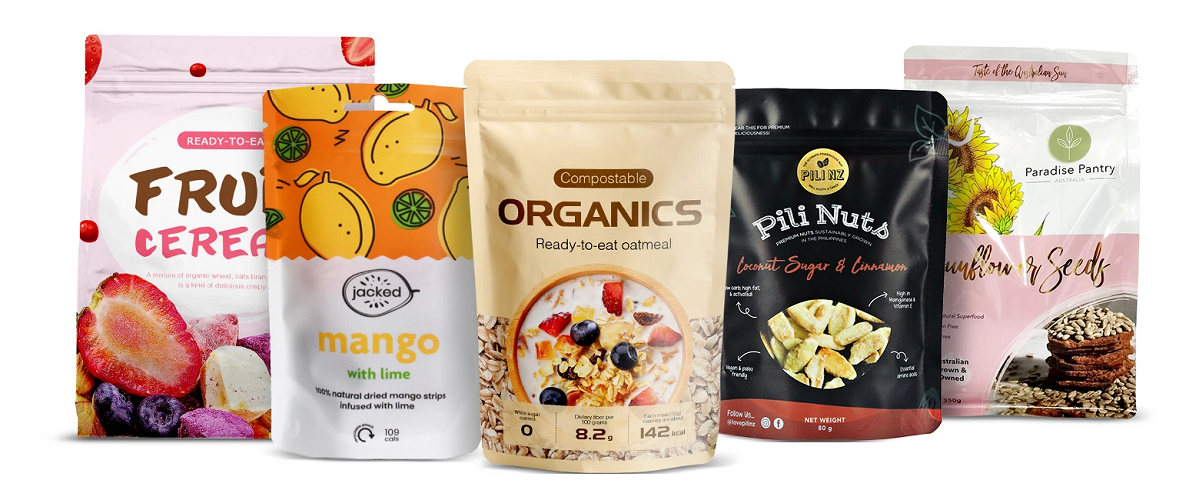
1. What Design Elements Make Packaging Bags Stand Out on Retail Shelves?
Several visual components work together to create packaging that grabs attention.
Strong Visual Hierarchy
Successful packaging clearly organizes information so consumers instantly understand:
- Brand name
- Product type
- Key benefits
- Flavor or variant
The most important elements should appear largest and most prominent on the front panel.
Bold and Memorable Graphics
Illustrations, product photography, and graphic icons help communicate product value quickly. Unique graphics can differentiate a brand from competitors even from a distance.
Clear Brand Identity
Consistent branding elements such as logos, color palettes, and design styles make products recognizable across different packaging formats and product lines.
Simplicity and Focus
Overcrowded packaging designs can confuse consumers. The most effective designs focus on a few strong visual elements rather than too many competing graphics.
Strategic Use of Negative Space
Empty space around key elements helps improve readability and visual balance while making the design appear more modern and premium.
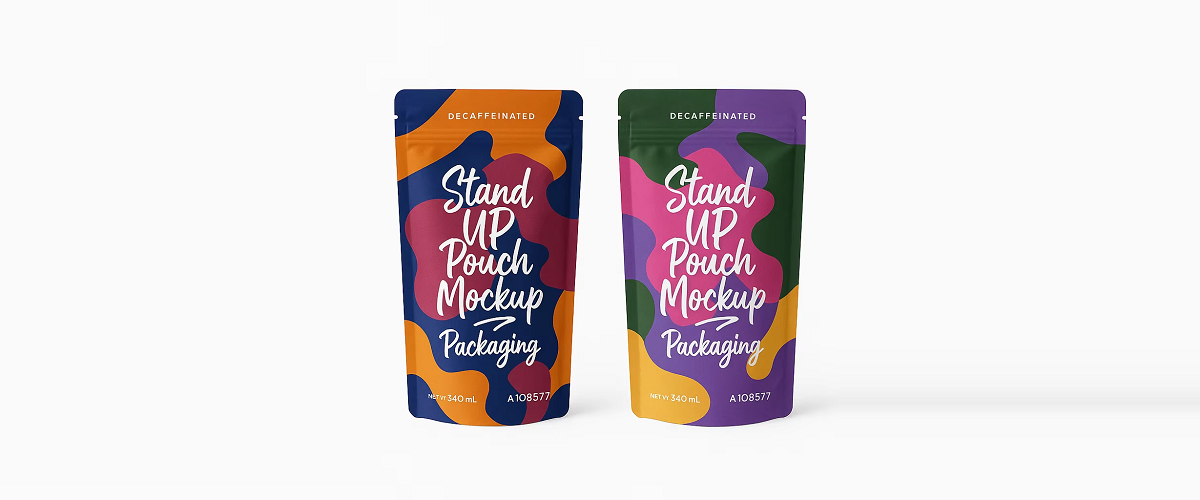
2. How Can Color, Typography, and Graphics Enhance Packaging Bag Appeal?
Design psychology plays a powerful role in packaging effectiveness.
Color Psychology
Colors influence consumer perception and emotional response.
| Color | Common Associations | Typical Product Use |
|---|---|---|
| Red | Energy, excitement | Snacks, candy |
| Green | Natural, healthy | Organic foods, tea |
| Gold | Premium quality | Chocolate, luxury products |
| Blue | Trust, freshness | Beverages, supplements |
| Black | Sophistication | Premium brands |
A consistent color scheme strengthens brand recognition and shelf visibility.
Typography Choices
Fonts communicate personality and readability.
Key typography considerations include:
- Large, clear product names
- Legible fonts for ingredient information
- Limited font variations for visual consistency
Premium products often use elegant serif fonts, while modern brands prefer clean sans-serif styles.
Visual Storytelling Through Graphics
Graphics help consumers quickly understand the product. Examples include:
- Ingredient illustrations
- Product usage imagery
- Lifestyle visuals
These elements reinforce product positioning and consumer expectations.
3. Which Flexible Packaging Materials Support Creative and High-Impact Designs?
The material structure of packaging greatly influences design possibilities.
PET Laminates
PET films provide:
- Excellent print clarity
- High strength and durability
- Good heat resistance
They are commonly used in snack and coffee packaging.
BOPP Films
BOPP offers:
- High gloss surface
- Good transparency options
- Cost-effective printing
This material is widely used for confectionery and dry foods.
Kraft Paper Laminates
Kraft paper packaging creates a natural, eco-friendly appearance ideal for:
- Organic foods
- Specialty tea
- Artisan products
It combines visual authenticity with functional barrier layers.
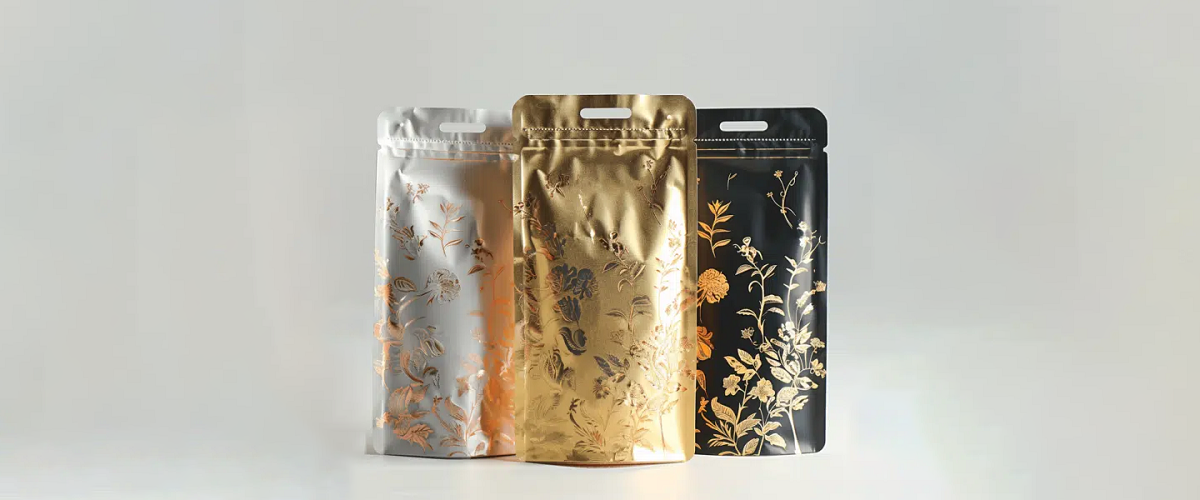
Metallized Films
Metallized structures provide:
- Reflective metallic appearance
- Premium visual impact
- Strong barrier protection
These materials are often used for chips, chocolates, and high-end snack products.
4. How Do Finishing Techniques Like Matte, Gloss, and Spot UV Improve Visual Impact?
Advanced finishing processes add texture and depth to packaging designs.
Matte Finish
Matte coatings create a smooth, non-reflective surface that gives packaging a modern and sophisticated look. It is commonly used for premium brands.
Gloss Finish
Gloss coatings enhance color brightness and image sharpness, making designs appear vibrant and eye-catching under retail lighting.
Spot UV Coating
Spot UV highlights specific elements such as:
- Brand logos
- Product names
- Decorative patterns
This contrast between matte and glossy areas creates a striking visual effect.
Embossing and Debossing
These techniques add raised or recessed textures to packaging surfaces, enhancing tactile engagement and perceived product quality.
Metallic Effects
Foil stamping or metallic inks create luxury visual effects that reinforce premium positioning.
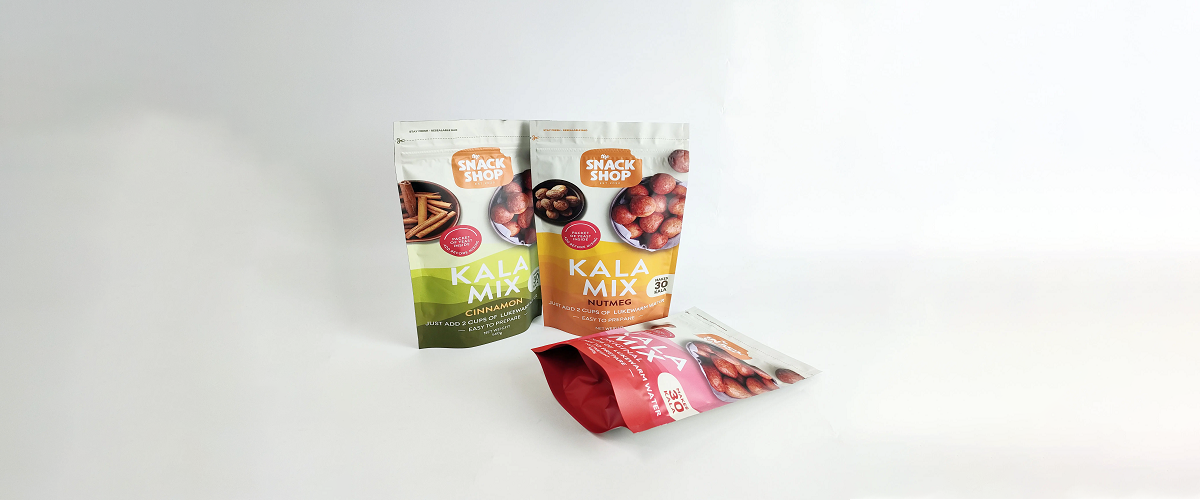
5. Eye-Catching Flexible Packaging Bags: Key Design Strategies for Strong Brand Recognition
Designing effective packaging requires balancing creativity with practical considerations.
Maintain Brand Consistency
A recognizable brand identity across product lines helps build long-term consumer trust.
Design for Shelf Visibility
Packaging should stand out even when surrounded by competing products.
Consider Consumer Convenience
Functional features such as:
- Resealable zippers
- Easy-tear openings
- Stand-up pouch formats
improve user experience.
Align Design with Target Audience
Different consumer groups respond to different visual styles. For example:
- Minimalist designs appeal to premium markets
- Bright graphics attract younger audiences
Balance Aesthetics with Performance
Eye-catching design must also support product protection, durability, and regulatory labeling requirements.
FAQ
Why is packaging design important for product sales?
Packaging design influences first impressions, brand recognition, and purchase decisions at the point of sale.
What is the most important element in packaging design?
Clear brand identity combined with strong visual hierarchy is often the most critical factor.
Can flexible packaging support premium product designs?
Yes. Modern printing and finishing technologies allow flexible packaging to achieve high-end visual effects.
Do packaging materials affect print quality?
Yes. Materials such as PET and BOPP offer excellent print surfaces that enhance graphic clarity and color accuracy.
Conclusion
Eye-catching packaging bags combine strategic design, high-quality materials, and advanced finishing techniques to create products that stand out in competitive retail environments. By carefully balancing visual appeal, brand identity, and functional performance, flexible packaging can transform an ordinary product into a compelling consumer experience. Whether through bold colors, distinctive typography, premium finishes, or innovative materials, effective packaging design strengthens brand recognition and drives purchasing decisions. As consumer expectations continue to evolve, brands that invest in creative and well-engineered packaging solutions will be better positioned to succeed in modern retail markets.