How to Design Luxurious Flexible Packaging for Chocolate?
Anna_Yu
How to Design Luxurious Flexible Packaging for Chocolate?
Chocolate has long been associated with indulgence, emotion, gifting, and premium experiences. Whether positioned as artisan handcrafted truffles, single-origin dark chocolate bars, seasonal gift boxes, or high-end corporate presents, premium chocolate relies heavily on packaging to communicate value before the product is even tasted. In luxury confectionery markets, packaging is not merely protective—it is a strategic branding asset that conveys craftsmanship, exclusivity, and sensory sophistication.
Flexible packaging has evolved significantly in recent years, making it fully capable of delivering high-end aesthetics once dominated by rigid boxes and tin containers. Through advanced lamination structures, specialty films, metallic finishes, tactile coatings, and precision printing technologies, flexible chocolate packaging can achieve a luxurious appearance while maintaining cost efficiency and supply chain advantages. Compared to rigid packaging, flexible solutions reduce weight, improve logistics, and offer greater design flexibility without sacrificing premium perception.
However, designing luxurious chocolate flexible packaging requires balancing aesthetics with performance. Premium chocolate is sensitive to oxygen, moisture, temperature, and light exposure. Therefore, high-end design must integrate strong barrier properties to protect flavor, aroma, texture, and shelf stability. This guide explores the essential design elements, materials, finishing options, and technical considerations for creating luxurious flexible packaging that elevates chocolate brands in competitive markets.
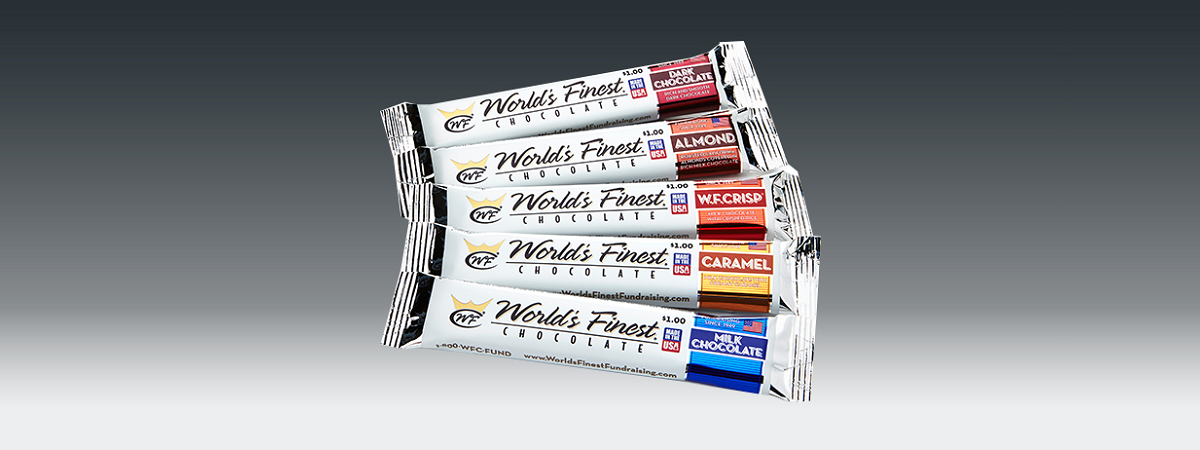
1. What Design Elements Define Luxurious Chocolate Flexible Packaging?
Luxury packaging is built on deliberate visual and tactile decisions.
Sophisticated Color Palettes
Premium chocolate packaging often features:
- Deep black, navy, or emerald tones
- Matte gold, rose gold, or metallic copper accents
- Minimalist cream or ivory backgrounds
- Rich burgundy or dark brown shades
Dark, saturated colors combined with metallic highlights create immediate premium perception.
Minimalist Typography
Luxury design favors:
- Serif or elegant script fonts
- Subtle emboss-style typography effects
- Clean layout with generous spacing
Less visual clutter communicates refinement and confidence.
Structured Layout and Balance
Luxury packaging typically includes:
- Symmetrical composition
- Clear brand hierarchy
- Focused central logo placement
Balanced visual design enhances sophistication.
Tactile Experience
Texture plays a crucial role:
- Soft-touch matte surfaces
- Slightly raised print elements
- Smooth yet substantial film thickness
Consumers often associate tactile quality with product value.
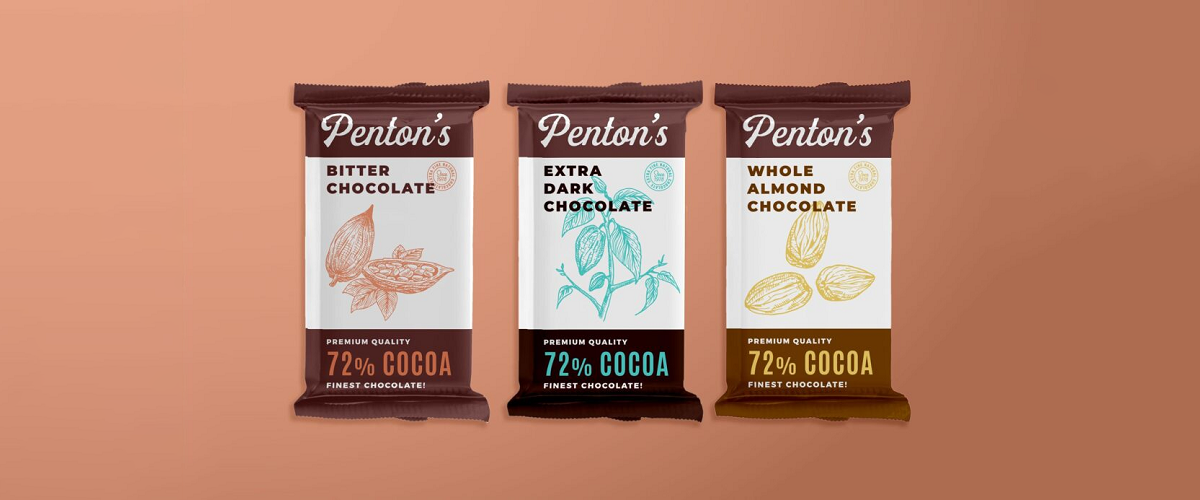
2. How Can Flexible Packaging Enhance the Premium Appeal of Chocolate Brands?
Modern flexible packaging technology enables premium positioning.
Full-Surface Custom Printing
Flexible pouches allow:
- High-resolution rotogravure or digital printing
- Complex artwork reproduction
- Metallic gradients and subtle textures
This provides storytelling space across the entire pack.
Limited-Edition Design Flexibility
Luxury chocolate often launches:
- Seasonal gift editions
- Collaborations
- Small-batch artisan collections
Flexible packaging supports shorter runs with lower tooling costs.
Lightweight but Elegant Presentation
Compared to rigid boxes, flexible pouches:
- Reduce shipping weight
- Lower logistics cost
- Maintain elegant shelf presence
Especially important for export and e-commerce sales.
Stand-Up and Flat Pouch Options
Luxury chocolate formats include:
- Flat pouches for bars
- Stand-up pouches for truffles
- Resealable pouches for bite-sized pieces
Each format can be elevated through premium finishes.
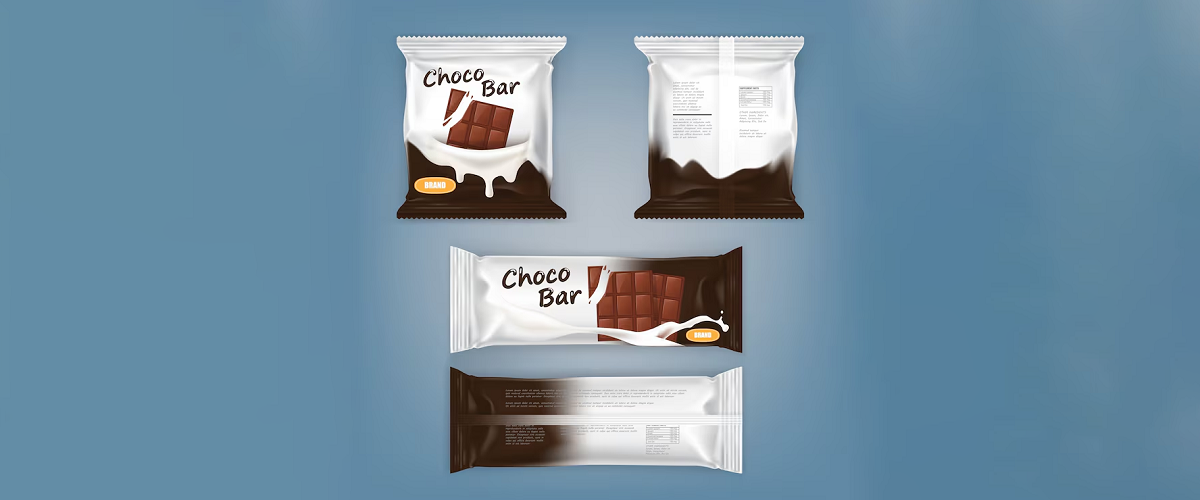
3. Which Materials and Finishing Options Create a High-End Packaging Look?
Material choice directly influences visual and tactile perception.
High-Barrier Laminated Structures
Common premium structures:
- PET/VMPET/PE
- PET/AL/PE
- BOPP/VMPET/CPP
These provide metallic brilliance and durability.
Matte vs Gloss Finish
| Finish Type | Visual Effect | Brand Impression |
|---|---|---|
| Matte | Soft, elegant | Sophisticated & modern |
| Glossy | Reflective & vibrant | Energetic & bold |
| Soft-touch matte | Velvet-like texture | Ultra-premium feel |
Soft-touch matte laminates are increasingly popular in luxury chocolate.
Foil Stamping and Metallic Effects
Hot stamping creates:
- Gold or silver logo highlights
- Premium accent lines
- Distinct brand signatures
Adds depth and richness.
Spot UV Coating
Selective gloss over matte backgrounds:
- Enhances logo visibility
- Adds visual contrast
- Elevates packaging dimension
Embossed or Debossed Effects (Through Structural Simulation)
Although traditional embossing is limited in flexible films, multi-layer printing techniques can simulate raised effects.
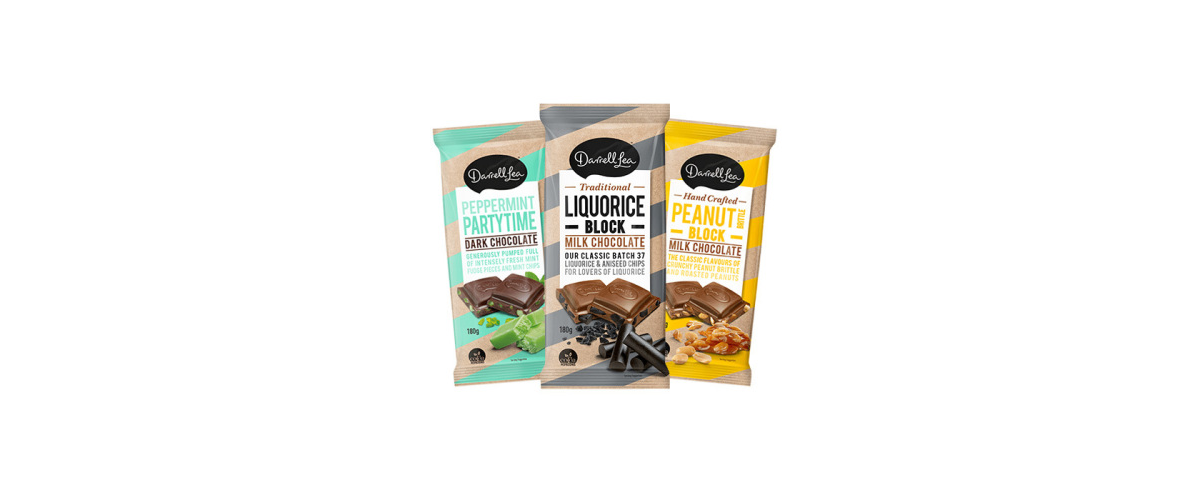
4. How Do Barrier Properties Protect Premium Chocolate Quality and Shelf Life?
Luxury chocolate demands both beauty and performance.
Oxygen Barrier Protection
Oxygen exposure leads to:
- Flavor oxidation
- Aroma loss
- Fat bloom
Metallized or aluminum-based laminates reduce oxygen transmission rate (OTR).
Moisture Control
Excess moisture can:
- Alter texture
- Cause sugar bloom
- Affect mouthfeel
Low MVTR films preserve crispness and smoothness.
Light Protection
Chocolate is sensitive to light-induced oxidation. Metallized films provide:
- UV blocking
- Flavor preservation
- Color stability
Temperature Stability Support
While packaging cannot replace cold chain control, strong seal integrity helps:
- Maintain internal atmosphere
- Reduce environmental exposure
High-quality sealing prevents contamination and moisture ingress.
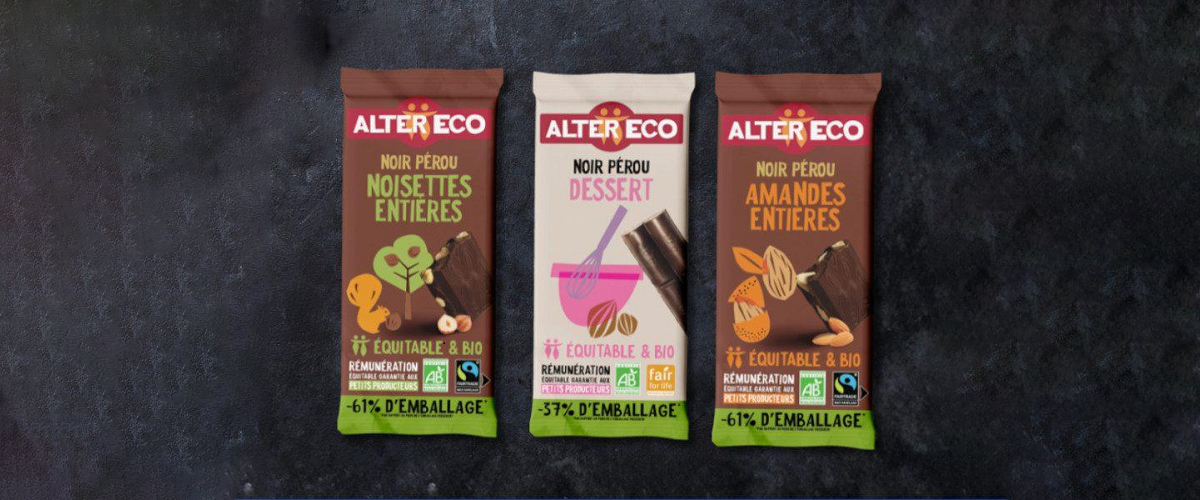
5. Luxury Chocolate Flexible Packaging: Key Factors for Branding and Market Positioning
Luxury packaging must align with brand strategy.
Brand Story Integration
Premium chocolate brands often emphasize:
- Single-origin cocoa sourcing
- Artisan craftsmanship
- Ethical and sustainable practices
Flexible packaging offers sufficient space to communicate these narratives.
Gift Market Optimization
Luxury chocolate is frequently purchased for gifting. Packaging should:
- Feel substantial
- Appear elegant
- Be suitable for display without additional wrapping
Retail Shelf Differentiation
High-end packaging should:
- Stand out without being overly flashy
- Communicate exclusivity
- Maintain design consistency across product lines
Sustainability Considerations
Premium consumers increasingly value eco-conscious packaging:
- Recyclable mono-material films
- Reduced aluminum layers
- Sustainable ink systems
Balancing luxury with responsibility strengthens brand trust.
Industry Trends in Luxury Chocolate Flexible Packaging
| Trend | Description | Market Impact |
|---|---|---|
| Soft-touch matte films | Velvet-like texture | Premium tactile experience |
| Minimalist design | Clean typography & layout | Modern luxury appeal |
| Metallized laminates | High barrier + shine | Shelf differentiation |
| Sustainable luxury packaging | Recyclable structures | Eco-conscious branding |
| Limited-edition releases | Small-batch premium runs | Higher perceived value |
FAQ
Is flexible packaging suitable for luxury chocolate brands?
Yes, modern flexible laminates can achieve premium aesthetics while offering strong barrier protection.
What material is best for high-end chocolate packaging?
PET/AL/PE or PET/VMPET/PE laminates provide excellent barrier performance and metallic appearance.
Does matte packaging look more luxurious than glossy?
Matte or soft-touch matte finishes are often associated with higher-end positioning.
How can packaging prevent chocolate bloom?
By reducing oxygen exposure, controlling moisture ingress, and maintaining strong seal integrity.
Conclusion
Designing luxurious flexible packaging for chocolate requires a strategic blend of aesthetic refinement and technical performance. Premium color palettes, minimalist typography, metallic accents, and soft-touch finishes create a high-end visual and tactile experience. At the same time, strong barrier laminates protect chocolate from oxygen, moisture, and light exposure, ensuring long shelf life and flavor preservation. Flexible packaging offers luxury brands the ability to combine elegance, functionality, cost efficiency, and sustainability in a single solution. When carefully executed, luxurious flexible packaging not only protects premium chocolate but also elevates brand perception and strengthens market positioning in competitive confectionery markets.