How to Design Spaghetti Packaging?
Anna_Yu
How to Design Spaghetti Packaging?
Spaghetti is one of the most widely consumed pasta products in the global food market. As a dry food product with a long shelf life, spaghetti requires packaging that can effectively protect it from moisture, contamination, and physical breakage during transportation and storage. At the same time, modern consumers increasingly expect packaging to offer convenience, attractive presentation, and clear product information that supports purchasing decisions.
Packaging design plays a critical role in preserving spaghetti quality while also strengthening brand identity and retail competitiveness. Since spaghetti products are often displayed in crowded supermarket environments, packaging must not only provide structural protection but also create strong visual impact on store shelves. In addition, manufacturers must consider factors such as material cost, packaging efficiency, sustainability, and transportation performance.
Flexible packaging has become one of the most effective solutions for spaghetti products because it combines lightweight efficiency, customizable design, and reliable barrier protection. By selecting the right bag structure, packaging materials, and functional features, brands can improve both product protection and consumer experience. This guide explores the key considerations for designing effective spaghetti packaging.
1. What Types of Flexible Packaging Are Best for Spaghetti Products?
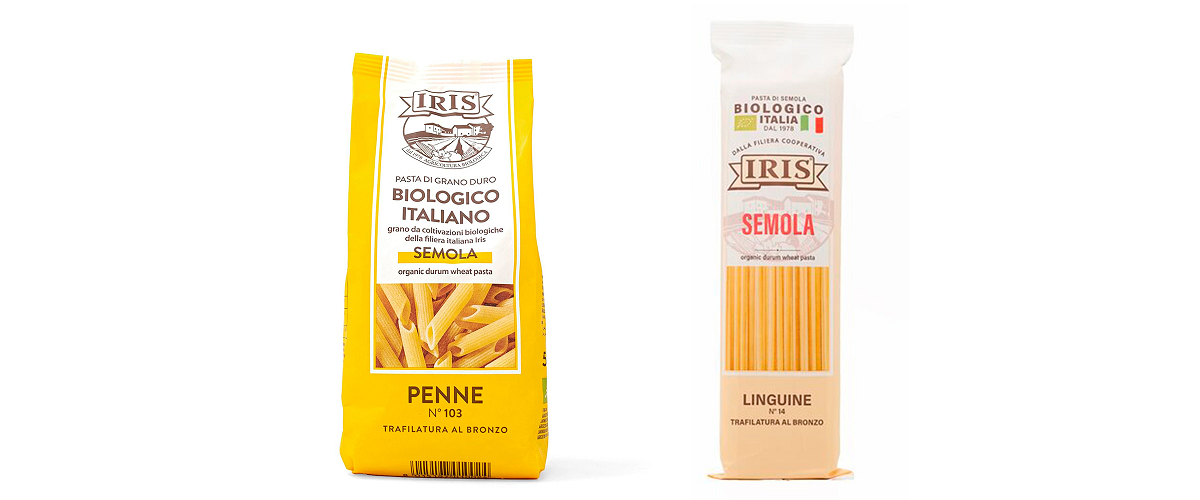
Different packaging formats are suitable for different spaghetti product categories and market positions.
Pillow Pouches
- Cost-effective packaging format
- Common for standard retail spaghetti products
- Compatible with high-speed production lines
Side-Gusset Bags
- Increased storage capacity
- Suitable for bulk pasta packaging
Stand-Up Pouches
- Premium shelf presentation
- Suitable for specialty or organic spaghetti products
Window Packaging Bags
- Allow consumers to view the pasta inside
- Enhance product trust and visual appeal
Multi-Pack Flexible Packaging
- Suitable for family-size or wholesale distribution
2. How Can Spaghetti Packaging Protect Pasta from Moisture and Breakage?
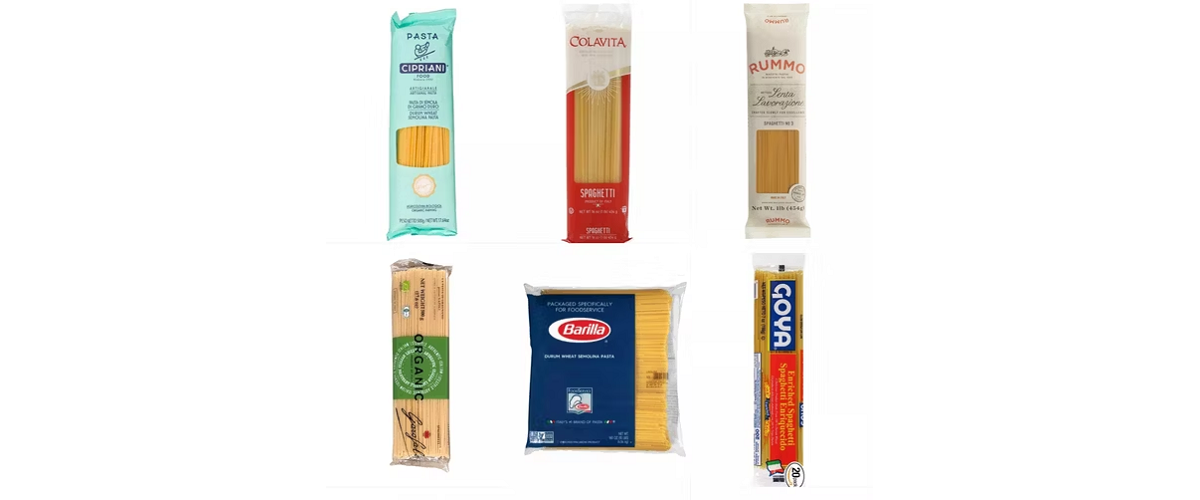
Dry pasta products require protection against both environmental and physical damage.
Moisture Barrier Protection
Spaghetti absorbs moisture easily, which can:
- Reduce shelf life
- Cause texture changes
- Increase the risk of spoilage
Structural Strength
Packaging must resist compression and prevent pasta breakage during shipping and handling.
Dust and Contamination Protection
Airtight packaging prevents external contamination during storage and transport.
Seal Integrity
Strong seals help maintain product freshness and package durability.
Shape Retention
Proper package structure helps reduce internal movement that can damage long pasta strands.
3. Which Packaging Materials Are Most Suitable for Dry Pasta Products?
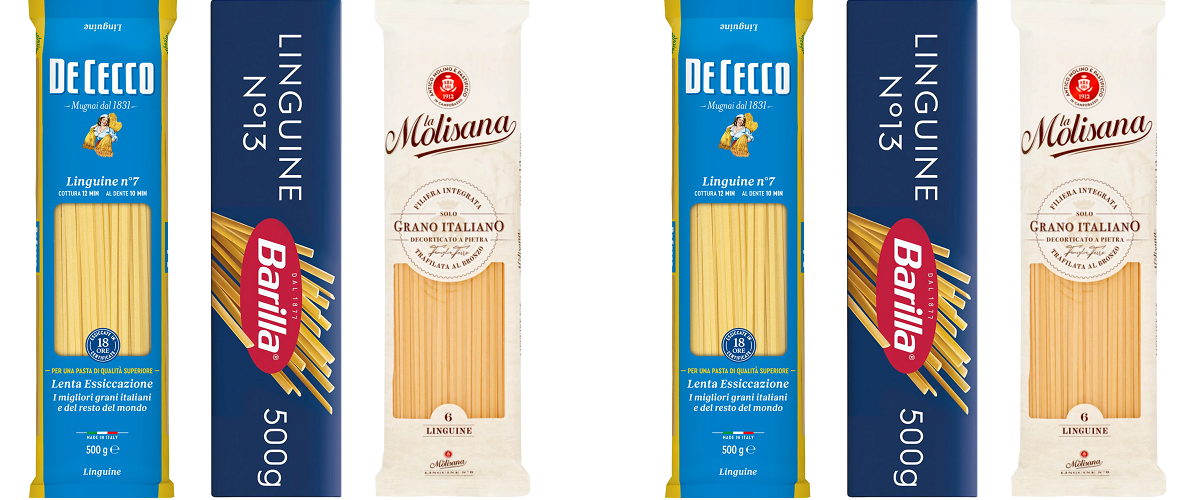
Material selection directly affects protection, print quality, and packaging performance.
BOPP (Biaxially Oriented Polypropylene)
- Good moisture resistance
- Excellent transparency
- Cost-effective solution for dry pasta
PET (Polyethylene Terephthalate)
- Strong and durable
- Excellent printability
- Common outer layer for premium packaging
PE (Polyethylene)
- Excellent sealing properties
- Flexible inner contact layer
Kraft Paper Laminates
- Natural and eco-friendly appearance
- Popular for artisanal or organic pasta brands
Metallized Films (MPET)
- Enhanced moisture and oxygen barrier
- Suitable for export and premium products
Typical Laminated Structures
| Structure | Features | Applications |
|---|---|---|
| BOPP/PE | Cost-effective and transparent | Standard spaghetti packaging |
| PET/PE | Strong and durable | Retail pasta products |
| PET/MPET/PE | Enhanced barrier performance | Premium or export spaghetti |
| Kraft/PET/PE | Natural premium appearance | Organic and specialty pasta brands |
4. What Design Features Improve Shelf Appeal and Consumer Convenience?
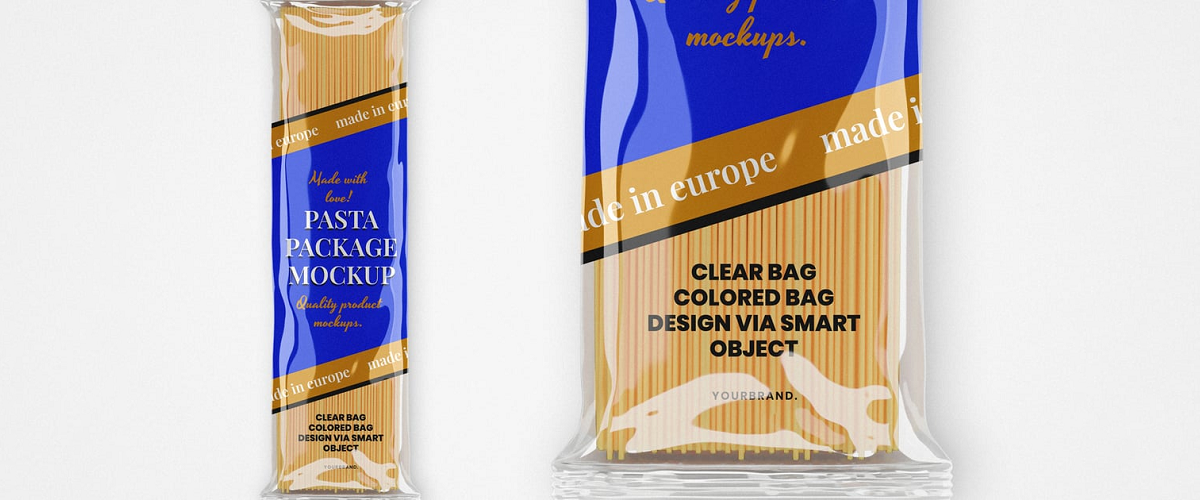
Packaging design should balance functionality and visual presentation.
Transparent Windows
Allow consumers to view the spaghetti quality and shape.
Easy-Open Features
Tear notches improve convenience during opening.
Resealable Closures
Useful for larger pasta packages to maintain freshness after opening.
High-Quality Printing
Bright graphics and premium finishes improve shelf visibility.
Clear Product Information
Consumers value:
- Cooking instructions
- Nutritional information
- Product origin details
Sustainable Packaging Options
Eco-friendly materials increasingly influence consumer purchasing decisions.
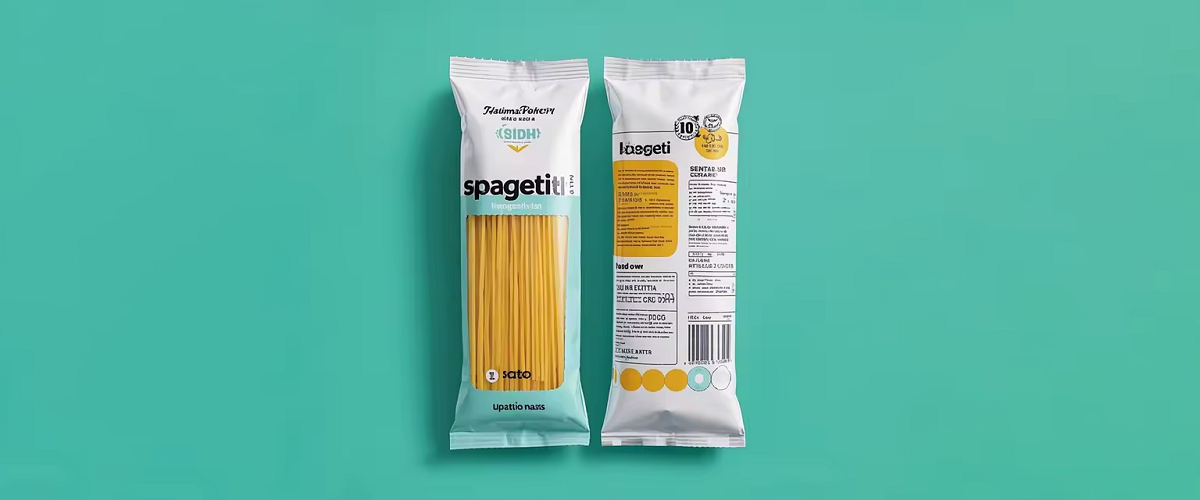
5. Spaghetti Packaging Design: Key Factors for Branding, Storage, and Distribution
A successful spaghetti packaging strategy must support both product protection and market performance.
Shelf Life Protection
Moisture-resistant materials help preserve product quality.
Transportation Efficiency
Flexible packaging reduces storage space and shipping costs.
Retail Differentiation
Unique packaging design improves brand recognition in competitive markets.
Consumer Experience
Convenient features improve usability and satisfaction.
Sustainability and Compliance
Packaging should align with food safety standards and sustainability goals.
FAQ
Why is moisture protection important for spaghetti packaging?
Moisture can affect texture, reduce shelf life, and increase spoilage risk.
What materials are commonly used for spaghetti packaging?
BOPP, PET, PE, kraft laminates, and metallized films are widely used.
Are transparent windows useful for pasta packaging?
Yes. Consumers often prefer seeing the pasta product before purchasing.
Can spaghetti packaging be recyclable?
Yes. Many brands now use recyclable mono-material or paper-based flexible packaging solutions.
Conclusion
Designing effective spaghetti packaging requires a balance between product protection, consumer convenience, and visual appeal. Flexible packaging provides an ideal solution by offering moisture resistance, lightweight efficiency, strong printability, and versatile customization options. By selecting appropriate packaging formats, durable materials, and functional features such as transparent windows and resealable closures, manufacturers can successfully protect spaghetti products while enhancing shelf presence and brand value. As consumer expectations for convenience, sustainability, and premium presentation continue to grow, well-designed flexible spaghetti packaging will remain a key factor in product success and market competitiveness.