How to Make Your Product Appear More Premium Through Packaging?
Anna_Yu
How to Make Your Product Appear More Premium Through Packaging?
In today’s highly competitive market, product quality alone is no longer enough to capture consumer attention. Packaging has become a powerful tool for shaping perception, influencing purchasing decisions, and communicating brand value. In many cases, consumers form their first impression of a product based solely on its packaging—often within seconds. This makes premium packaging design a critical factor for brands aiming to stand out and justify higher price points.
Premium packaging goes beyond simple functionality. It combines aesthetics, materials, structure, and user experience to create a sense of luxury, trust, and exclusivity. Whether for food, cosmetics, or consumer goods, the right packaging strategy can elevate a product from ordinary to high-end, even before the customer interacts with the product itself.
Flexible packaging, in particular, offers a wide range of customization options that allow brands to achieve a premium look without significantly increasing costs. Through innovative materials, advanced printing techniques, and thoughtful design, businesses can enhance perceived value while maintaining efficiency and sustainability.
This guide explores the key elements that create a premium appearance, how flexible packaging enhances brand positioning, the materials and finishes that convey luxury, and the role of color, texture, and typography in premium design.
1. What Packaging Elements Create a Premium Product Appearance?
Several core elements contribute to a high-end packaging look.
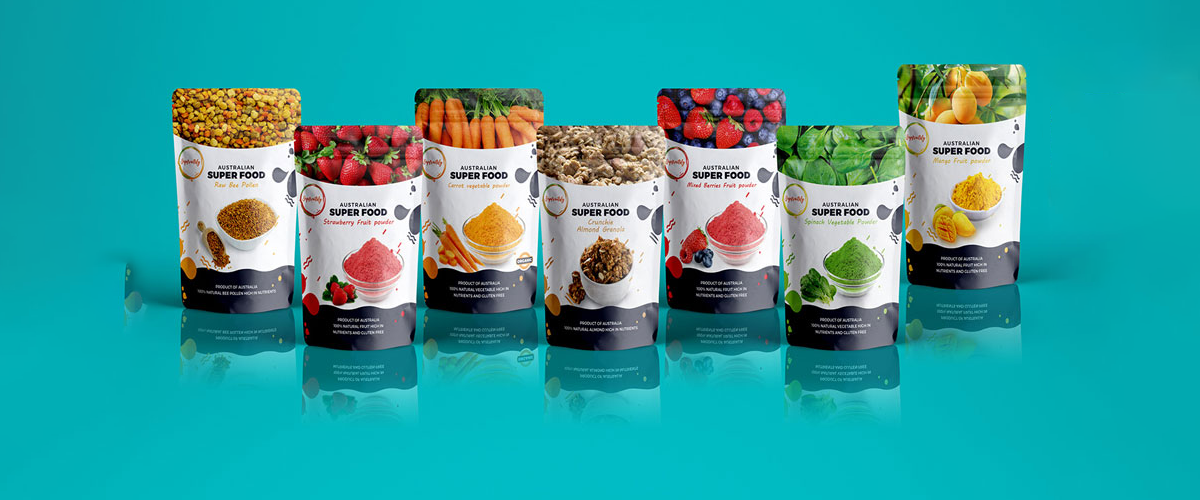
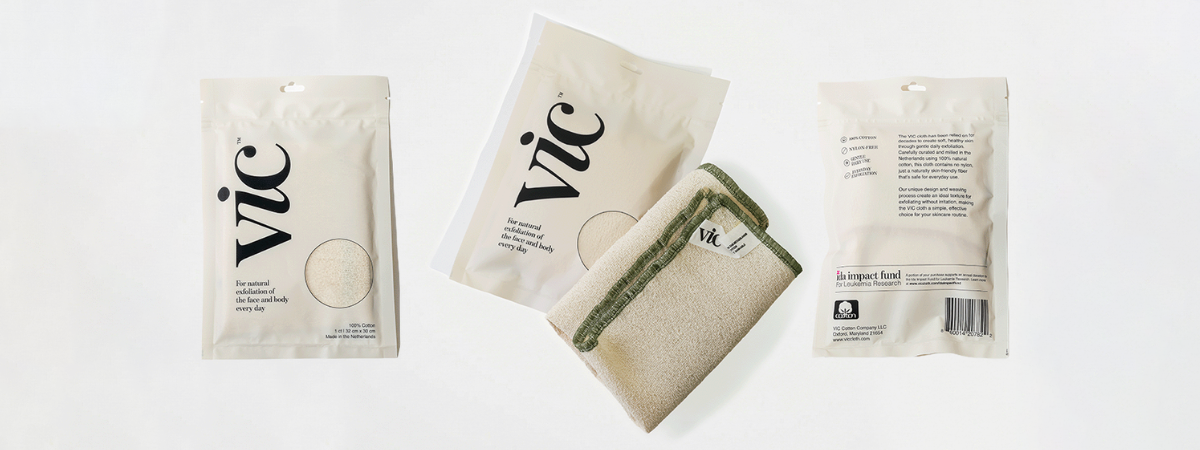
Minimalist Design
Premium packaging often uses:
- Clean layouts
- Limited text
- Focused visual hierarchy
This creates a sophisticated and uncluttered appearance.
Structural Design
Unique shapes or well-proportioned packaging can enhance perceived value and differentiate products.
High-Quality Printing
Sharp graphics, fine details, and accurate color reproduction signal quality and professionalism.
Consistency in Branding
A cohesive design across all packaging elements builds trust and reinforces brand identity.
2. How Can Flexible Packaging Enhance Perceived Value and Brand Positioning?
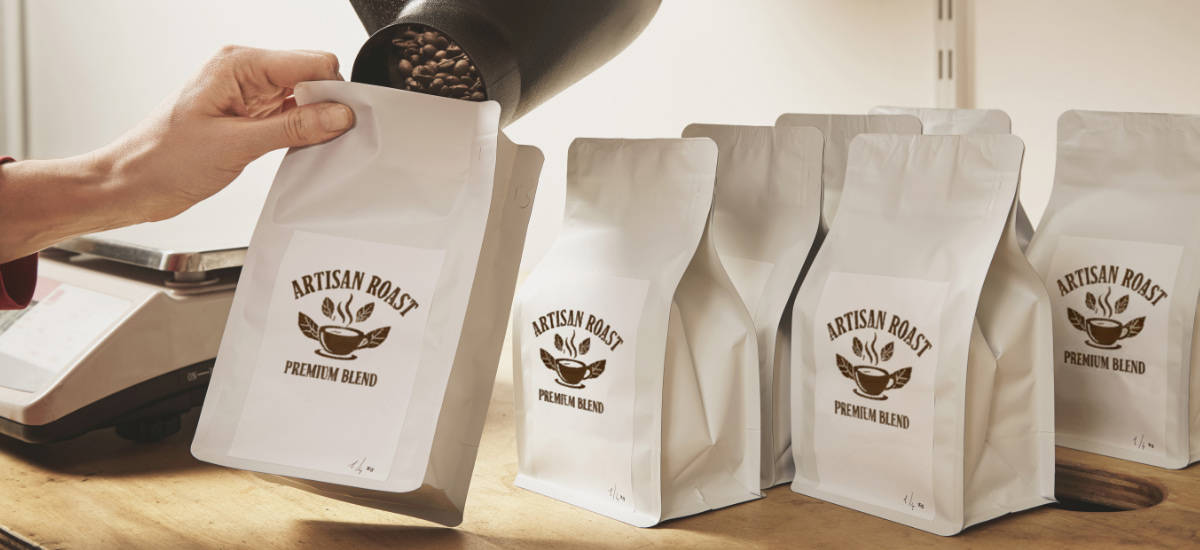
Flexible packaging offers both functional and aesthetic advantages.
Customization Flexibility
Brands can easily tailor:
- Shapes
- Sizes
- Finishes
to match their premium positioning.
Lightweight Yet High-End
Advanced materials allow flexible packaging to look luxurious while remaining cost-efficient.
Innovative Formats
Options such as stand-up pouches and spout pouches provide modern and distinctive packaging styles.
Enhanced Consumer Experience
User-friendly features such as resealable closures and easy-open designs improve overall satisfaction.
3. Which Materials and Finishes Convey a High-End Look and Feel?
Material and finish selection plays a crucial role in premium perception.
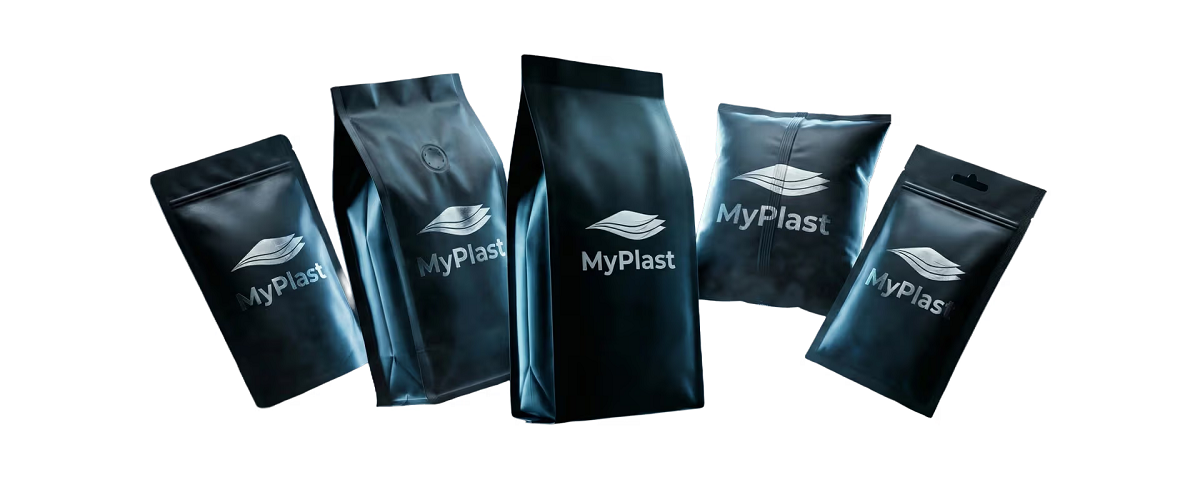
Matte Films
- Soft, elegant appearance
- Reduces glare
- Often associated with luxury brands
Soft-Touch Coatings
- Velvet-like texture
- Enhances tactile experience
- Creates a sense of exclusivity
Aluminum Foil Laminates
- High barrier protection
- Premium metallic feel
- Suitable for high-value products
Metallized Films
- Reflective surface
- Cost-effective alternative to foil
- Adds visual impact
Kraft Paper (Premium Natural Look)
- Organic and eco-friendly aesthetic
- Popular for artisanal and sustainable brands
4. How Do Color, Texture, and Typography Influence Premium Packaging Design?
Design elements significantly affect consumer perception.
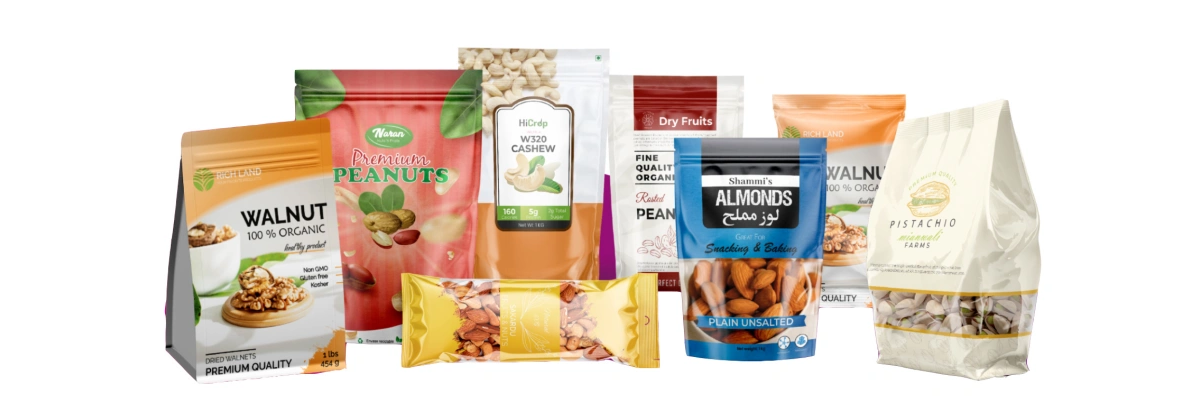
Color Selection
Premium brands often use:
- Black and gold for luxury
- Neutral tones for sophistication
- Deep, rich colors for elegance
Texture and Finish
Combining different textures (matte + gloss, embossed effects) creates depth and visual interest.
Typography
- Clean, modern fonts convey professionalism
- Serif fonts often suggest tradition and heritage
- Proper spacing and alignment enhance readability and elegance
Visual Hierarchy
Highlighting key information (brand name, product type) ensures clarity and impact.
5. Premium Packaging Strategy: Key Factors for Branding, Differentiation, and Consumer Appeal
A successful premium packaging strategy integrates multiple considerations.
Brand Storytelling
Packaging should communicate:
- Brand values
- Product quality
- Unique selling points
Differentiation
Distinctive design helps products stand out in crowded markets.
Functional Excellence
Premium packaging must not compromise on protection or usability.
Sustainability
Eco-friendly materials and responsible design enhance brand credibility and appeal.
Cost vs. Value Balance
Achieving a premium look does not always require high costs—strategic design choices can deliver strong impact efficiently.
FAQ
What makes packaging look premium?
Elements such as minimalist design, high-quality materials, refined finishes, and cohesive branding contribute to a premium appearance.
Can flexible packaging look luxurious?
Yes. With advanced materials and finishes, flexible packaging can achieve a high-end look while remaining cost-effective.
Which colors are commonly used in premium packaging?
Black, gold, silver, and deep tones are often associated with luxury and sophistication.
Is premium packaging always expensive?
Not necessarily. Smart design and material selection can create a premium perception without significantly increasing costs.
Conclusion
Creating a premium product appearance through packaging requires a thoughtful combination of design, materials, and functionality. By focusing on elements such as minimalist aesthetics, high-quality finishes, and cohesive branding, businesses can significantly enhance perceived value and attract discerning consumers. Flexible packaging offers a versatile and cost-effective platform for achieving these goals, allowing brands to deliver both visual impact and practical performance. As consumer expectations continue to rise, investing in premium packaging design will remain a key strategy for differentiation, brand growth, and long-term success.