How to Select Flexible Packaging for Soybeans
Anna_Yu
How to Select Flexible Packaging for Soybeans
Soybeans are one of the world's most important agricultural commodities, serving as a key ingredient in food products, animal feed, soy milk, tofu, soybean oil, and numerous industrial applications. Although soybeans are relatively durable compared to highly processed foods, they remain vulnerable to moisture absorption, contamination, insect infestation, oxidation, and physical damage during storage and transportation. As a result, selecting the right packaging is essential for maintaining product quality and maximizing shelf life.
The packaging requirements for soybeans vary depending on the target market. Bulk soybeans intended for industrial processing may prioritize durability and transportation efficiency, while retail soybean products require stronger branding, consumer convenience, and shelf appeal. In both cases, packaging must provide adequate protection against environmental factors while remaining cost-effective and suitable for domestic or international distribution.
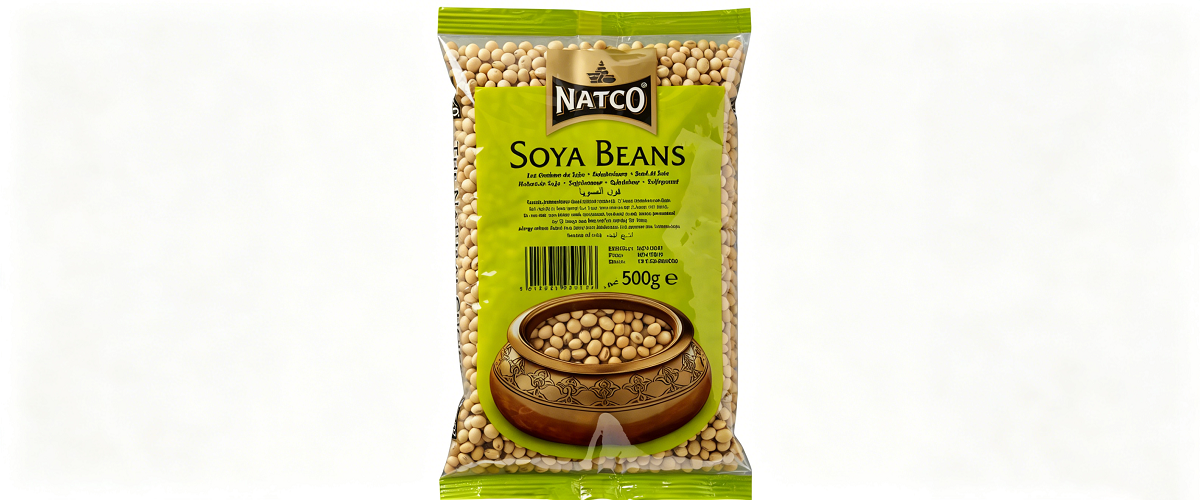
Flexible packaging has become a preferred solution for soybean products because it offers excellent versatility, lightweight transportation advantages, and customizable barrier performance. Whether packaging whole soybeans, organic soybeans, roasted soybeans, or specialty soybean products, selecting the appropriate packaging format, material structure, and functional features can significantly improve product protection and market competitiveness. This guide explores the key factors to consider when choosing flexible packaging for soybeans.
1. What Types of Flexible Packaging Are Best for Soybean Products?
Different soybean applications require different packaging formats.
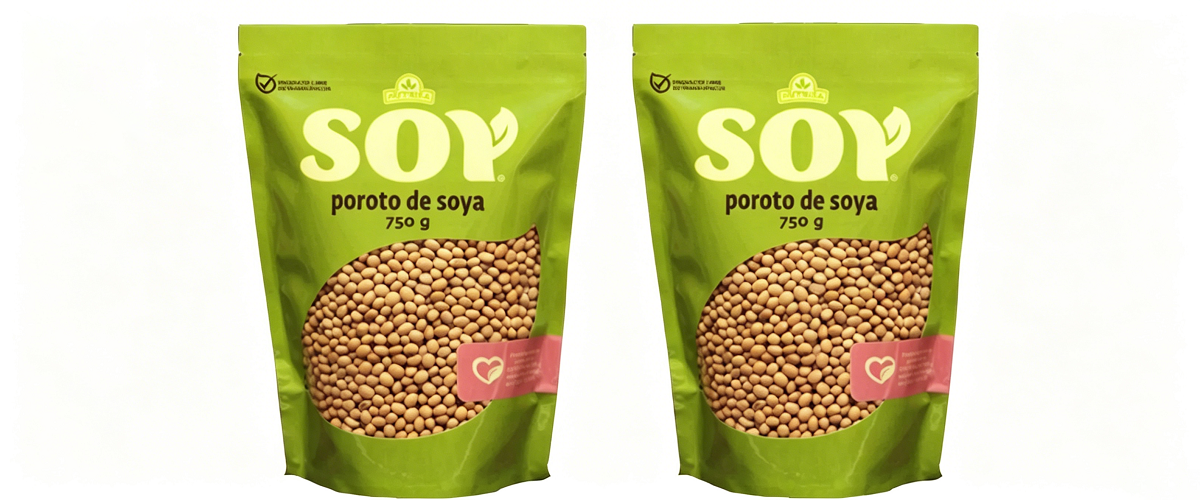
Stand-Up Pouches (Doypack)
- Excellent shelf presentation
- Suitable for retail soybean products
- Compatible with resealable closures
Flat Pouches
- Cost-effective solution
- Suitable for smaller retail packs
- Lightweight and easy to transport
Side-Gusset Bags
- Increased capacity
- Suitable for larger quantities of soybeans
Woven Polypropylene Bags with Inner Liners
- Common for bulk agricultural distribution
- High load-bearing capacity
- Suitable for industrial and export markets
Vacuum Packaging Bags
- Suitable for specialty soybeans and premium products
- Helps reduce oxygen exposure
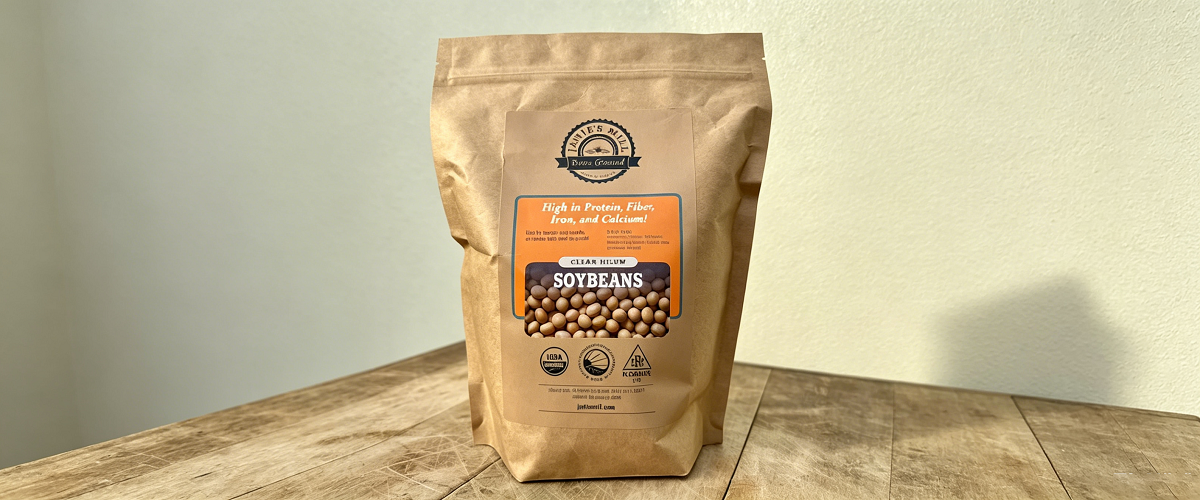
2. How Does Flexible Packaging Protect Soybeans from Moisture and Contamination?
Proper packaging is essential for preserving soybean quality throughout the supply chain.
Moisture Protection
Excess moisture can lead to:
- Mold growth
- Quality deterioration
- Reduced storage stability
Oxygen Control
Limiting oxygen exposure helps reduce:
- Oxidation of natural oils
- Flavor deterioration in processed soybean products
Insect and Pest Prevention
Sealed packaging helps reduce the risk of infestation during storage.
Contamination Protection
Flexible packaging prevents exposure to dust, dirt, and environmental contaminants.
Physical Protection
Durable packaging structures reduce damage during transportation and handling.
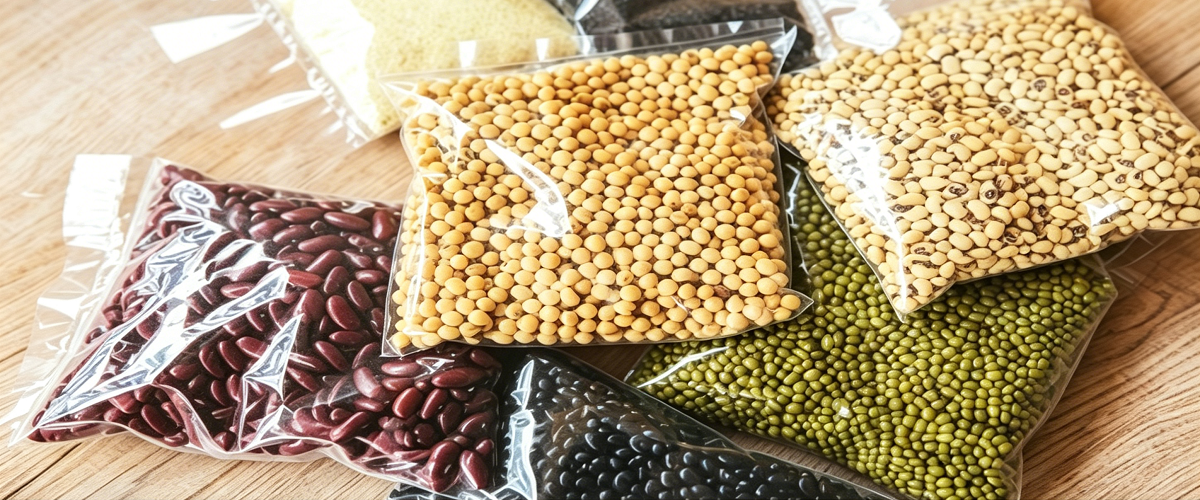
3. Which Packaging Materials Offer the Best Barrier Performance for Soybean Storage?
Material selection depends on storage duration, transportation conditions, and product type.
BOPP (Biaxially Oriented Polypropylene)
- Good moisture resistance
- Excellent printability
- Suitable for retail packaging
PET (Polyethylene Terephthalate)
- Strong and durable
- High-quality graphic presentation
PE (Polyethylene)
- Excellent sealing properties
- Common food-contact layer
Metallized Films (MPET)
- Enhanced moisture and oxygen barrier
- Suitable for long-term storage
Aluminum Foil Laminates
- Maximum protection against moisture, oxygen, and light
- Suitable for premium soybean products
Typical Laminated Structures
| Structure | Features | Applications |
|---|---|---|
| BOPP/PE | Cost-effective moisture protection | Standard retail soybeans |
| PET/PE | Durable and printable | Consumer soybean products |
| PET/MPET/PE | Enhanced barrier performance | Long-term storage and export |
| PET/AL/PE | Maximum protection | Premium soybean products |
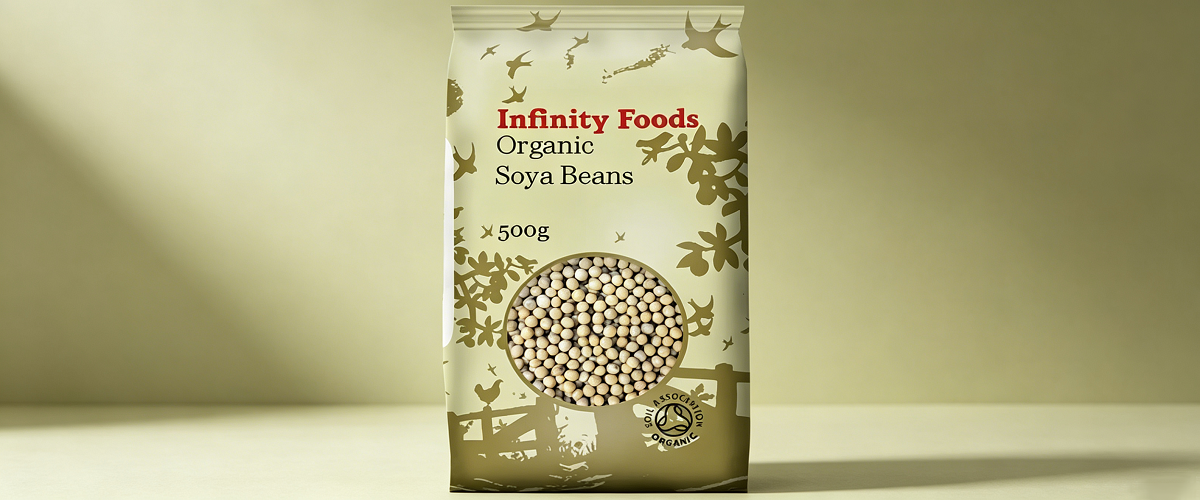
4. What Packaging Features Should You Consider for Bulk and Retail Soybean Packaging?
Functional features improve both operational efficiency and consumer experience.
Resealable Zippers
Help consumers maintain freshness after opening.
Easy-Tear Notches
Improve package accessibility and convenience.
Carry Handles
Useful for larger retail and bulk packages.
Transparent Windows
Allow consumers to inspect product quality before purchase.
High-Quality Printing
Enhances branding and product visibility.
Strong Bottom Seals
Important for heavier soybean packaging formats.
QR Codes and Traceability Information
Increasingly valuable for food safety transparency and supply chain tracking.
5. Flexible Packaging for Soybeans: Key Factors for Shelf Life, Transportation, and Export
A successful soybean packaging strategy should balance protection, efficiency, and market appeal.
Shelf Life Optimization
Moisture-resistant materials help maintain product quality over extended storage periods.
Transportation Efficiency
Flexible packaging reduces shipping weight and warehouse space requirements.
Export Readiness
Packaging should withstand varying climate conditions and long-distance logistics.
Retail Shelf Appeal
Attractive packaging design improves visibility and brand recognition.
Sustainability Opportunities
Recyclable and mono-material flexible packaging solutions are becoming increasingly important.
Cost Efficiency
Packaging should provide adequate protection while maintaining competitive production costs.
FAQ
Why is moisture protection important for soybean packaging?
Moisture can lead to mold growth, spoilage, and reduced product quality during storage.
What packaging is commonly used for bulk soybeans?
Woven polypropylene bags with protective inner liners are widely used for bulk agricultural distribution.
Are high-barrier materials necessary for soybeans?
For long-term storage, export shipments, or premium soybean products, high-barrier materials can significantly improve protection.
Can soybean packaging be recyclable?
Yes. Many manufacturers now offer recyclable mono-material flexible packaging solutions for soybean products.
Conclusion
Selecting the right flexible packaging for soybeans is essential for preserving quality, preventing contamination, and ensuring efficient transportation. Whether intended for retail sale, food processing, or international export, soybeans benefit from packaging that provides reliable moisture protection, structural durability, and appropriate barrier performance. Flexible packaging offers an ideal combination of cost efficiency, customization flexibility, and product protection. By choosing suitable packaging formats, material structures, and functional features, manufacturers can improve shelf life, strengthen brand value, and optimize supply chain performance. As global demand for soy-based products continues to grow, high-quality flexible soybean packaging will remain a critical component of successful product distribution and market competitiveness.