Jerky Packaging Guidelines
Anna_Yu
Jerky Packaging Guidelines
Jerky—smoked or dried meat strips—is a beloved snack around the world. Its portability, protein-rich profile, and long shelf life make it a popular choice for outdoor adventures, convenient snacking, and health-conscious consumers alike. But as simple as jerky may seem, creating the right packaging for it is a complex science. Packaging must protect against moisture, oxidation, light, and microbial contamination, while also being convenient, visually compelling, and cost-effective.
In this guide, I will walk you through everything you need to know about jerky packaging: what it is, why it's crucial, the bag types commonly used, design factors to consider, and the packaging requirements needed to ensure safety, freshness, and brand success.
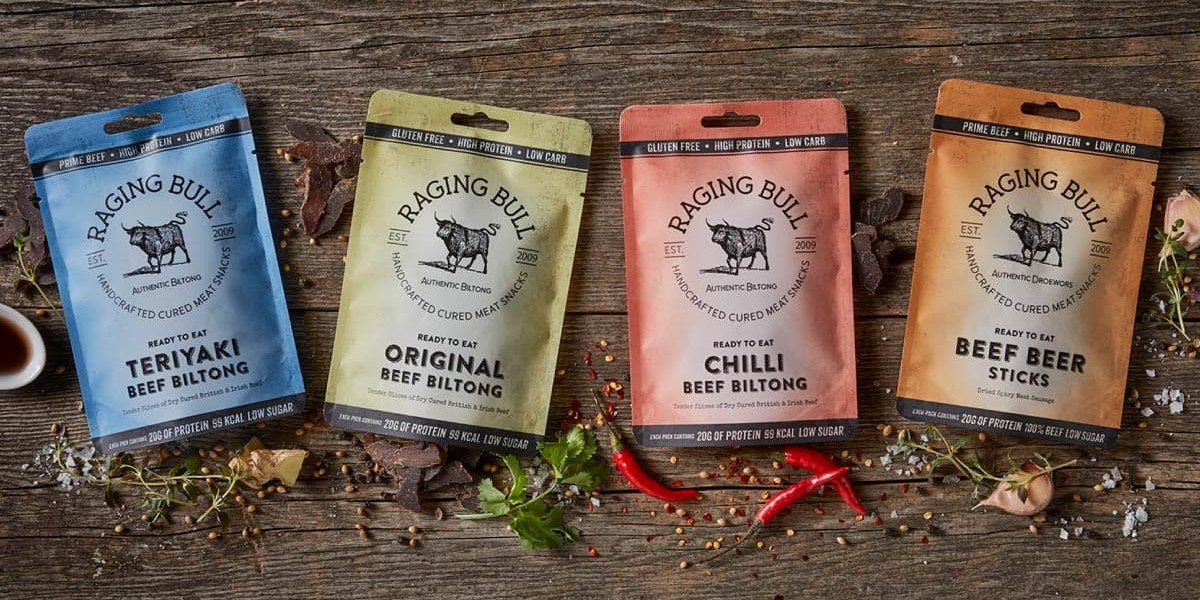
1. What is Jerky Packaging?
Jerky packaging refers to the materials, bags, pouches, and protective systems used to package jerky products from the point of production to retail and consumption. Good packaging must preserve texture, flavor, aroma, and safety of jerky—a product uniquely sensitive to moisture and oxygen—over extended periods, while also appealing to consumers visually and functionally.
Unlike many snack foods, jerky does not rely primarily on sugars or oils to preserve itself. Its safety and shelf stability depend heavily on dehydration, vacuum or gas-flush packaging, and high-barrier films. Because jerky is typically consumed in small portions, packaging also needs to facilitate convenience—easy opening, resealability, portability, and sometimes microwavability or heating.
Jerky packaging involves several components:
- Barrier film(s) to block oxygen, moisture, and light
- Seals or closures to protect against leaks and contamination
- Desiccants or oxygen scavengers to absorb residual moisture and oxygen
- Outer overwraps or pouches for branding, structure, and additional protection
High-performing jerky packaging ensures the best possible consumer experience—fresh taste, chewable texture, strong aroma, and no unwanted spoilage.
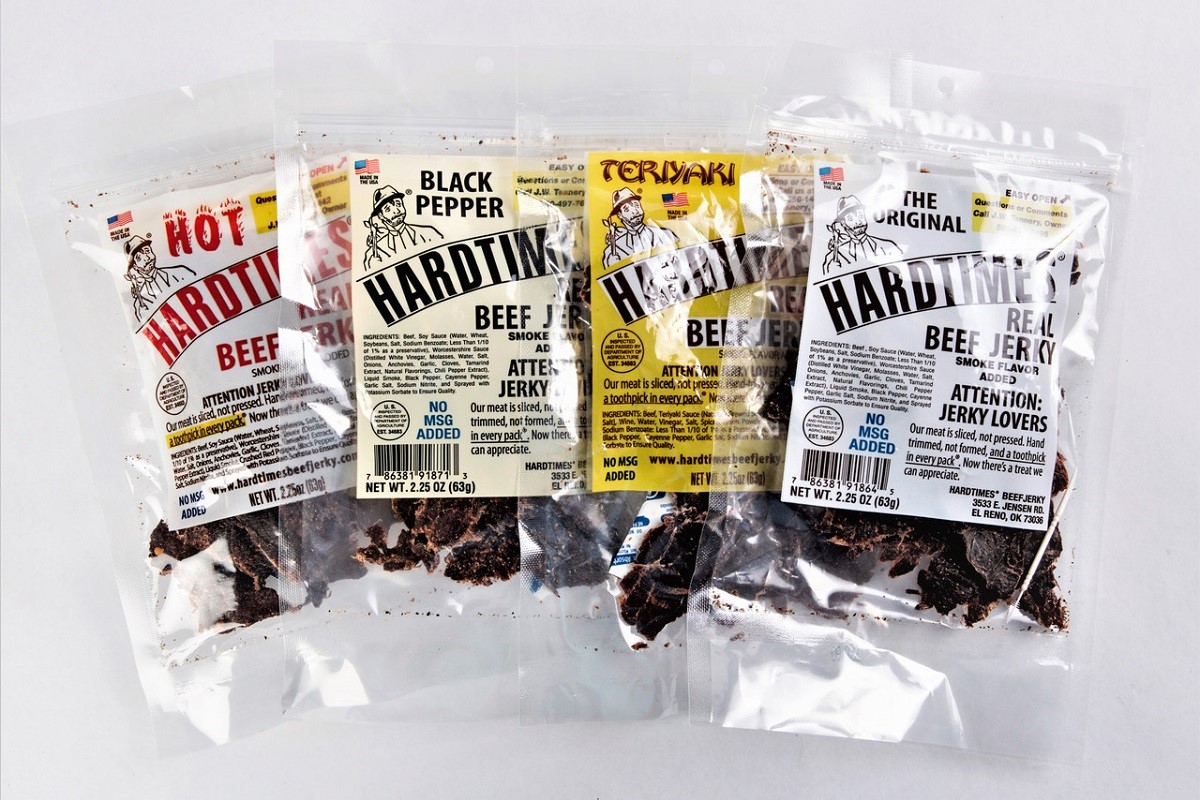
2. Why is Jerky Packaging Important?
The importance of packaging for jerky cannot be overstated. A well-designed package does more than hold the product—it preserves quality, ensures safety, supports marketing, and helps control costs.
2.1 Protecting Against Moisture and Oxygen
Jerky is extremely sensitive to humidity and oxidation. Exposure to moisture can make jerky soft or soggy, altering the texture. Oxygen, meanwhile, leads to rancidity and off-flavors due to fat oxidation. Effective packaging prevents these degradations, helping maintain the distinct chew, flavor, and aroma.
Without proper barrier packaging, jerky can lose quality in weeks—even in ambient storage. With strong barrier films and oxygen control, shelf life can be extended to 6–12 months or more.
2.2 Food Safety
Packaging acts as a final defense against microbial contamination. Protective seals, sanitized environment during filling, and barrier layers help ensure products remain safe throughout transportation, handling, and storage. For suppliers exporting to regulated markets, meeting standards (e.g. FDA, CFIA, EU) for food-contact materials is essential.
2.3 Branding and Differentiation
Because jerky resembles many other snacks visually, a compelling package can create strong shelf impact. High-resolution printing, unique shapes, spot UV effects, and metallic finishes attract attention. A well-branded pouch can convey flavor, origin, premium quality, and even health messaging (e.g. high protein, keto-friendly).
2.4 Logistics Efficiency and Cost Control
Flexible packaging is lighter, more space-efficient, and less costly to ship than rigid containers. Well-engineered bags reduce broken products, shrinkage, and returns. For large-scale processors, efficient packaging directly improves margins.
2.5 Consumer Convenience
Consumers expect packaging that's easy to open, resealable, portable, visible (windows), and durable. A multi-function bag that balances barrier protection with convenience features enhances user satisfaction and repeat purchase.
In short, jerky packaging is both a functional necessity and a strategic asset. When done right, it can elevate an ordinary snack into a brand experience.
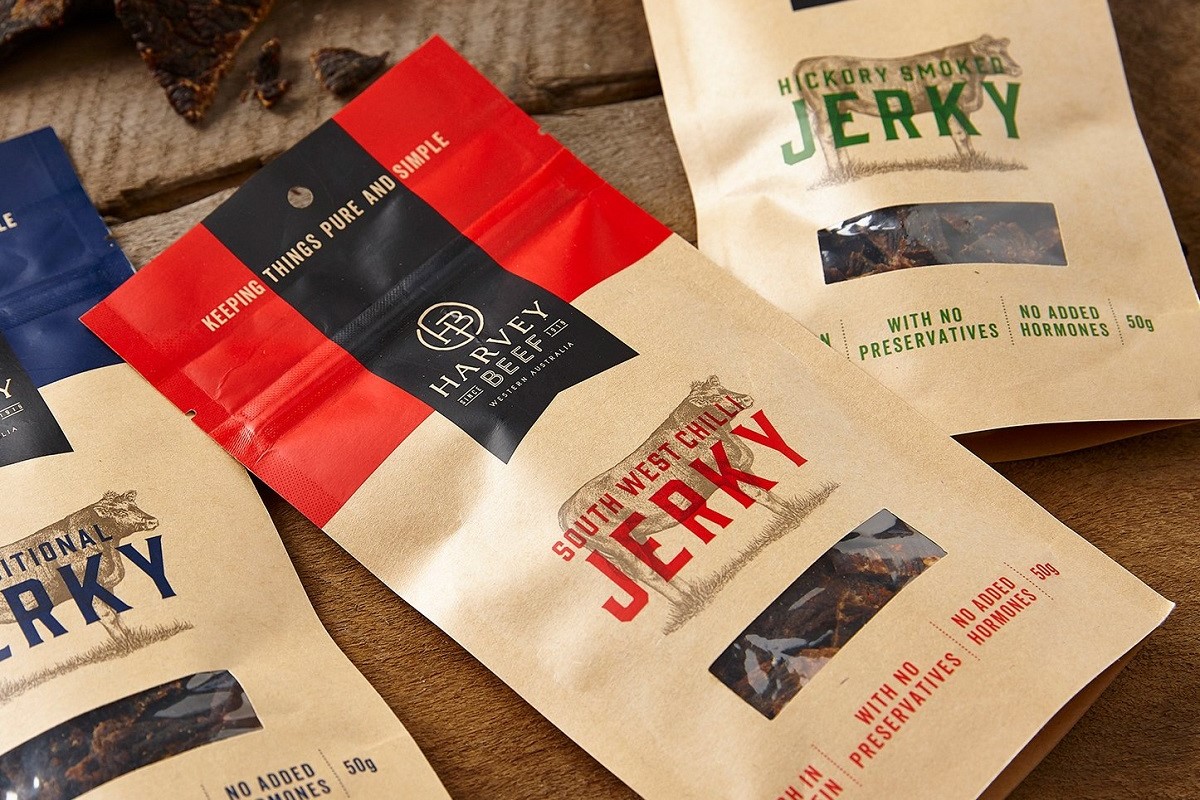
3. What Types of Bags Are Used for Packaging Jerky?
The choice of bag type depends on intended shelf life, branding goals, handling conditions, and price point. Below are the most common formats used in jerky packaging, along with pros, cons, and typical applications.
3.1 Stand-Up Pouches (Doypacks)
Stand-up pouches are highly popular for jerky lines because they present well on retail shelves and allow for resealable closures, zip-locks, or gussets. Their vertical orientation offers excellent print area and brand visibility.
Pros:
- Resealable
- Large printable surface
- Efficient shelf presence
- Compatible with barrier films
Cons:
- More complex to manufacture
- Slightly higher material cost
Used for premium jerky, gourmet flavor variants, or subscription boxes.
3.2 Flat Pouches or Sachets
Flat pouches are simpler and more economical. They are often used for single-serve or trial-size jerky packs. They are sealed on all edges and may be laminated with foil.
Pros:
- Lower material usage
- Budget-friendly
- Compact and lightweight
Cons:
- No reseal
- Less structural stability
Best for sample packs, snack mixes, or inclusion in gift sets.
3.3 Vacuum Bags / Pouches
Vacuum-sealed bags remove air prior to sealing, further reducing oxygen contact and extending shelf life. These are often used for bulk jerky or export packaging.
Pros:
- Very low residual oxygen
- Slim profile, efficient shipping
Cons:
- Consumer may find less convenient to open
- Requires high-grade sealing equipment
3.4 Gusseted Side-Seal Bags
Side-gusseted pouches expand when filled, creating a flat base. They strike a balance between shelf stability and material economy, often used for mid-range jerky lines.
3.5 Tin-Tie Bags and Foil Pouches
These are often used by small-scale or artisanal producers. A foil pouch with tin-tie offers good barrier capacity and a rustic, premium aesthetic. Often paired with inner laminated foil liners.
3.6 Hybrid Bags (Boxed Pouches, Windowed Bags)
Innovations in packaging design allow combining rigid elements (backboard) with flexible pouches (front) or integrating clear windows to showcase the product. These hybrid formats merge structural strength with barrier performance and brand appeal.
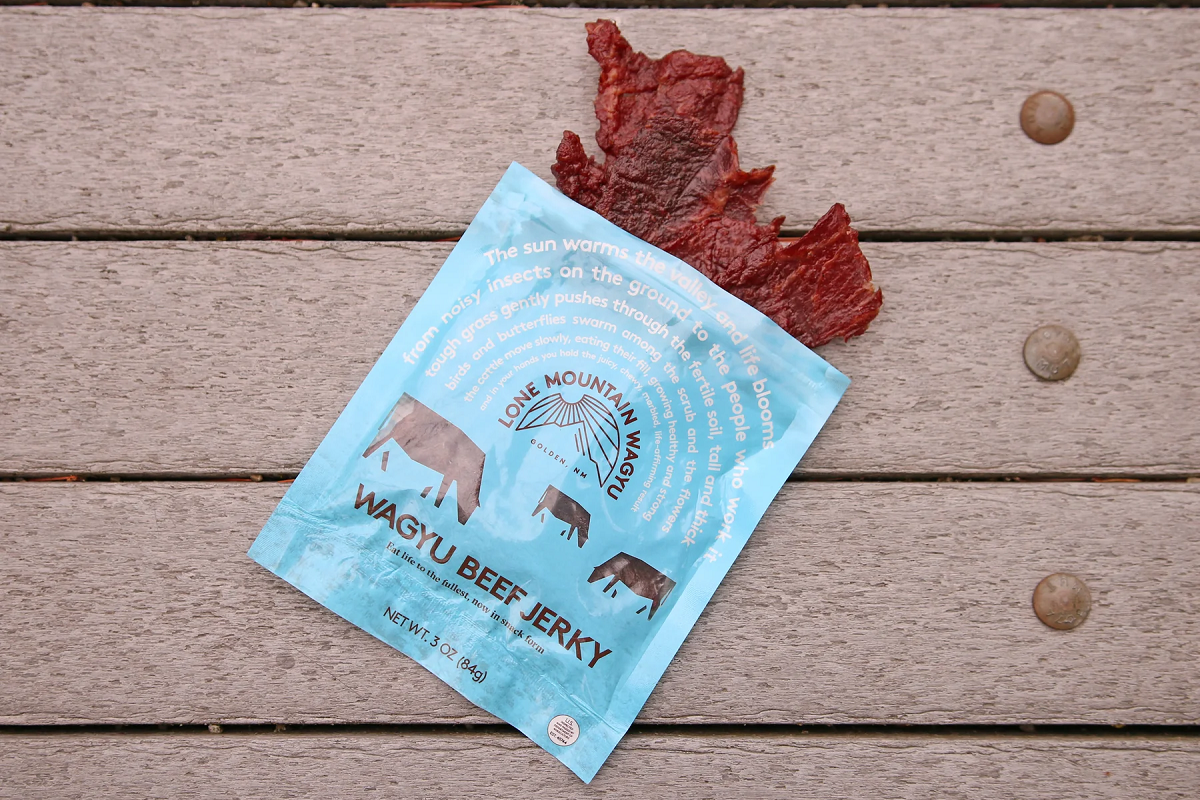
4. What Factors Should Be Considered in the Design of Jerky Packaging?
Designing packaging for jerky is more than just selecting bag formats and films. It requires careful consideration across multiple dimensions: functionality, aesthetics, consumer usability, compliance, and cost.
4.1 Barrier Performance (Oxygen & Moisture)
The primary technical objective is to prevent oxygen and moisture ingress. Packaging design must include:
- High-barrier films (aluminum, metallized PET, EVOH)
- Multi-layer structures
- Appropriate thickness and defect control
- Use of inert gas flushing or vacuum processing
4.2 Seal Integrity
Seals must remain strong over time and through distribution stresses. Design should ensure:
- Sufficient seal width (≥ 5 mm)
- Optimal sealing temperature and pressure
- Dual seals or reinforced seams
- Quality control (peel, burst, leak testing)
4.3 Resealability and User Convenience
Modern consumers favor resealable packaging. Zip-locks, sliders, or press-close zippers extend product freshness. Design must ensure:
- Seal placement doesn’t interfere with print graphics
- Easy opening without damaging package
- Balanced ease of use vs. strength
4.4 Branding and Printability
Jerky packaging must stand out. Design factors include:
- Full-color printing with high-resolution graphics
- Matte, gloss, or soft-touch finishes
- Clear windows or cut-outs to show product
- Use of spot UV or foils for premium accent
4.5 Physical Durability
Jerky bags must survive rough handling, drops, and shipping. Design must account for:
- Burst resistance
- Puncture resistance (especially for meat bone fragments)
- Tensile strength
- Flexible joint areas
4.6 Food Safety and Regulatory Compliance
Materials, inks, adhesives, and processes must meet food-contact regulations like:
- FDA 21 CFR (U.S.)
- EU Regulation 1935/2004 & 10/2011
- Migration and purity testing
- Hygiene in manufacturing environment
4.7 Cost Considerations & Scale
Optimal design balances performance with cost:
- Material thickness and layers
- Minimizing waste and scrap
- Compatibility with existing packaging lines
- Economies of scale
4.8 Sustainability & End-of-Life
Today’s brands must design with recycling or composting in mind:
- Choose mono-material or recyclable laminates
- Use compostable or bio-based films
- Avoid mixed-material structures that hinder recycling
4.9 Consumer Experience
Consider:
- Clear labeling of flavors, nutritional info
- QR codes or scannable recipes
- Transparent windows
- Packaging aroma to entice consumer senses
Well-designed packaging becomes part of the product experience, not just a container.
5. What Are the Requirements for the Packaging of Jerky?
Beyond design and materials, real-world performance requirements define successful packaging solutions. Here’s a checklist of what jerky packaging must achieve to meet industry standards.
5.1 Shelf-Life and Freshness
Jerky packaging must maintain product quality for months:
- Target shelf life: 6–12 months (or longer for export/skipping refrigeration)
- Max residual oxygen: < 1%
- Moisture content: typically < 5%
5.2 Microbial Safety
The packaging must inhibit microbial growth:
- Use barrier films
- Maintain low water activity (a_w)
- Ensure seal integrity throughout shelf life
5.3 Packaging Integrity & Leak Prevention
Design must prevent leaks or package failure:
- Conduct burst, peel, and leak tests
- Watch for pinholes or seal channeling
- Use double seals or reinforced edges
5.4 Regulatory Compliance
Jerky packaging must adhere to food contact legislation:
- Certified food-grade films and inks
- Migration testing for heavy metals and additives
- Traceability codes, lot numbers, and expiration dates
5.5 Packaging Labeling and Nutritional Info
Labels must include:
- Product name, ingredients, allergens
- Net weight and serving size
- Nutrition facts
- Storage instructions
- Best before date / lot number
5.6 Tamper Evidence and Security
Tamper-evident features such as tear notches, security seals, or break-away tabs protect consumer trust.
5.7 Performance under Transport & Storage
Jerky packaging must withstand temperature changes and handling:
- Resistance to UV and heat
- Dimensional stability (no warping)
- Puncture resistance
5.8 Consumer Convenience
Expectations include:
- Resealed zipper or slider
- Easy open tear notches
- Portion control (single-serve packs)
- Portable sizes for travel or outdoor use
Conclusion
Jerky packaging is a high-stakes art. Getting it right means balancing technical barriers, brand storytelling, user convenience, and cost efficiency. The right package preserves the chew, flavor, and aroma of the jerky, while also standing out on shelves, meeting regulatory demands, and reducing waste.
As the market evolves, expect to see innovations like recyclable heat-sealable pouches, smart packaging with freshness indicators, and custom small-batch designs. Brands that invest in intelligent, performance-driven packaging will lead in consumer trust and market share in the jerky segment.
Use this guide as a roadmap when designing or sourcing jerky packaging. Pay attention to barrier structures, sealing methods, user experience, and sustainability — and your jerky product will not only survive but thrive in competitive markets.