Key Points of Meatball Packaging
Anna_Yu
Key Points of Meatball Packaging
Meatballs are widely consumed across global markets in various formats, including frozen meatballs, chilled ready-to-cook products, cooked vacuum-packed meatballs, and shelf-stable retort meatball meals. From retail supermarkets and food service chains to export-oriented frozen food suppliers, meatball products require packaging solutions that ensure safety, freshness, structural integrity, and compliance with international food standards.
Unlike dry snacks or powder-based foods, meatballs are high-moisture, protein-rich products that are highly sensitive to microbial contamination, oxidation, freezer burn, moisture migration, and temperature fluctuations. Whether distributed under chilled conditions (0–4°C) or frozen storage (-18°C or below), improper packaging can result in texture degradation, surface dehydration, off-flavors, ice crystal damage, or shortened shelf life.
Flexible packaging has become the preferred solution for meatball products because it provides strong barrier performance, excellent seal integrity, compatibility with vacuum or modified atmosphere packaging (MAP), and efficient cold-chain logistics. Compared with rigid trays or bulky containers, flexible packaging reduces material usage, lowers transportation costs, and offers enhanced customization for branding and retail visibility.
This comprehensive guide explains the key considerations for meatball flexible packaging, including packaging types, material selection, barrier requirements, safety features, and critical factors for long-term storage, transportation, and export.
1. What Types of Flexible Packaging Are Best for Meatball Products?
Different meatball formats require different packaging solutions.
Vacuum Bags
Widely used for:
- Cooked meatballs
- Chilled ready-to-eat products
- Food service distribution
Vacuum packaging removes oxygen, reducing oxidation and microbial growth.
Thermoforming Flexible Films
Common in:
- Retail chilled meatballs
- Tray-sealed MAP products
These films provide strong sealing and excellent presentation.
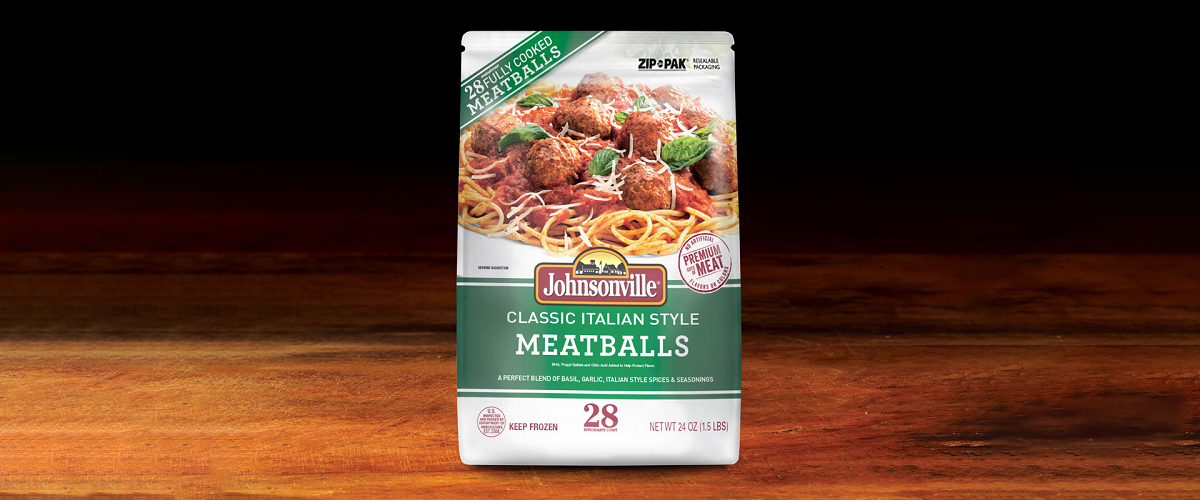
Stand-Up Pouches (Frozen Applications)
Suitable for:
- Frozen retail meatballs
- Family-size packaging
They allow resealable zippers and strong freezer resistance.
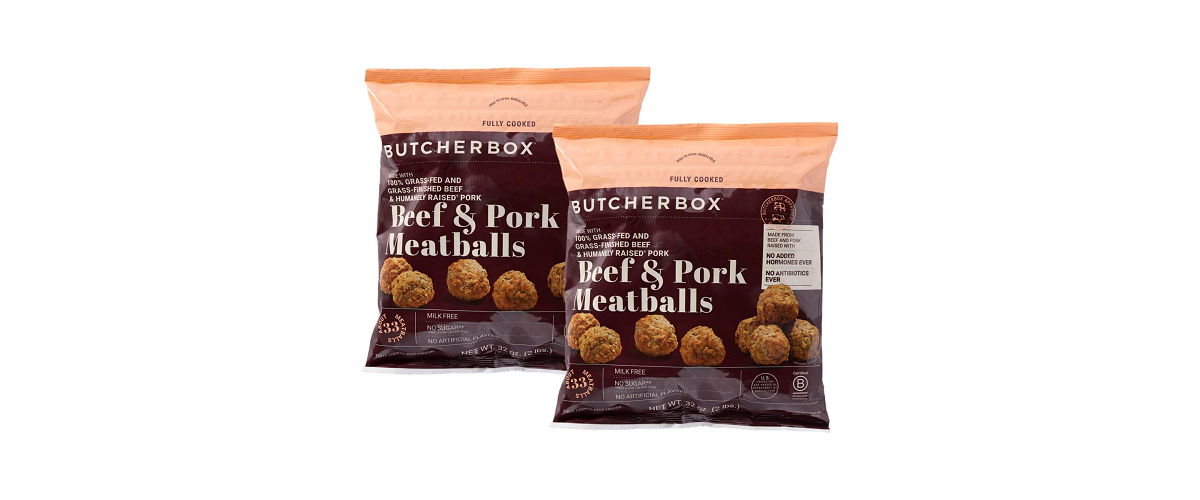
Three-Side Seal Bags
Often used for:
- Bulk frozen meatballs
- Export shipments
- Private label products
Cost-effective and easy to stack.
Retort Pouches (For Shelf-Stable Meatballs)
Used for:
- Ready-to-eat meatball meals
- Room-temperature storage
These require high-temperature resistant laminate structures.

2. How Does Packaging Material Affect Meatball Freshness and Shelf Life?
Material selection directly impacts food safety and durability.
Oxygen Barrier Performance
Oxygen exposure causes:
- Lipid oxidation
- Color change
- Flavor deterioration
Low OTR materials extend product shelf life.
Moisture Control
Packaging must:
- Prevent external moisture ingress
- Reduce internal moisture loss
- Avoid freezer burn
High moisture barrier films are essential.
Freeze Resistance
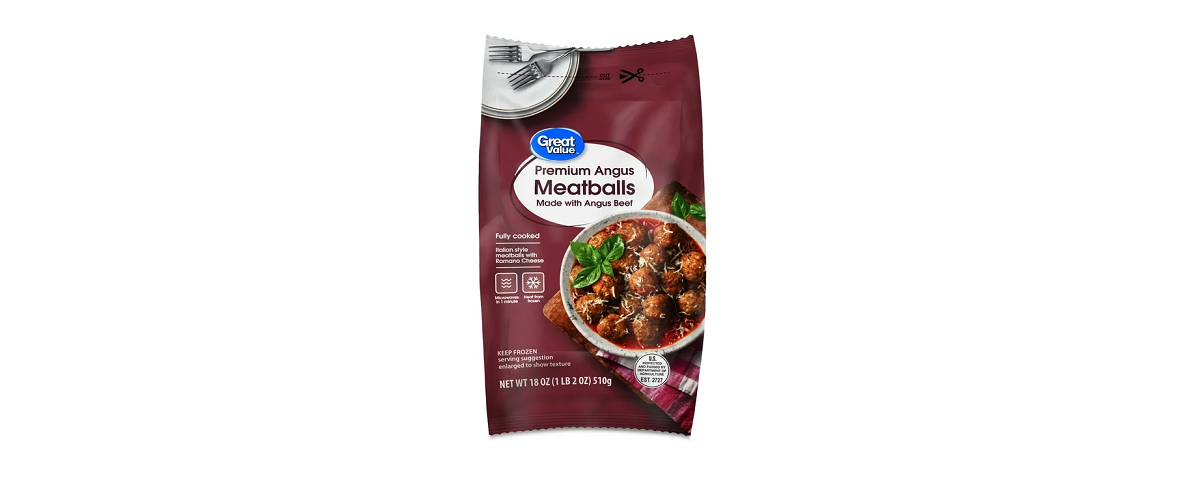
Frozen packaging materials must:
- Withstand -18°C or lower
- Resist brittleness and cracking
- Maintain seal strength under low temperature
Puncture Resistance
Meatballs may have irregular shapes or sharp ice edges. Packaging must resist punctures during handling and stacking.
3. Which Barrier Properties Are Essential for Frozen and Chilled Meatball Packaging?
Cold-chain products require enhanced barrier performance.
Low Oxygen Transmission Rate (OTR)
Essential to:
- Prevent oxidation
- Maintain meat color
- Extend shelf life
Low Moisture Vapor Transmission Rate (MVTR)
Critical for:
- Preventing freezer burn
- Maintaining texture
- Reducing weight loss
Aroma Barrier
Helps:
- Contain meat odor
- Prevent cross-contamination in storage
Recommended Laminated Structures
| Structure | Barrier Level | Application |
|---|---|---|
| PA/PE | Medium | Vacuum chilled products |
| PET/PE | Medium | Retail frozen |
| PET/PA/PE | High | Frozen export |
| PET/AL/PE | Very High | Long-term storage |
| Retort PET/AL/CPP | Maximum | Shelf-stable retort meals |
Multi-layer structures are strongly recommended for frozen and export applications.

4. What Safety and Seal Features Are Critical in Meatball Flexible Packaging?
Food safety is the top priority in meat packaging.
Strong Heat Sealing
Seals must:
- Remain intact during freezing
- Resist leakage
- Prevent contamination
Seal strength testing is critical.
Vacuum or MAP Compatibility
Modified atmosphere packaging:
- Reduces oxygen
- Slows microbial growth
- Preserves color and texture
Especially important for chilled products.
Tamper-Evident Design
Includes:
- Tear notches
- Tamper seals
- Secure zipper systems
Ensures consumer trust.
Food-Grade Certification
Packaging must comply with:
- FDA food-contact standards
- EU food safety regulations
- Migration and heavy metal limits
Particularly important for export markets.
Anti-Fog Features (For Transparent Packaging)
Prevents condensation from obscuring product visibility in chilled retail displays.
5. Meatball Flexible Packaging: Key Factors for Storage, Transportation, and Export
Long-term product stability depends on strategic packaging decisions.
Cold Chain Compatibility
Packaging must maintain integrity through:
- Processing
- Freezing
- Warehousing
- Transportation
- Retail display
Temperature fluctuations must not compromise seals.
Shelf-Life Targets
Typical shelf life:
- Chilled products: 7–30 days (depending on MAP/vacuum)
- Frozen products: 6–12 months
- Retort products: 12–24 months
Material selection must match these goals.
Transportation Durability
Export packaging must withstand:
- Long sea freight
- Pallet stacking pressure
- Mechanical impact
High puncture resistance is essential.
Cost Efficiency
Flexible packaging reduces:
- Material consumption
- Storage space
- Shipping weight
Improving overall profitability.
Sustainability Considerations
Growing demand for:
- Recyclable mono-material PE structures
- Reduced film thickness
- Lower carbon footprint solutions
Balancing environmental goals with performance requirements.
Industry Trends in Meatball Flexible Packaging
| Trend | Description | Market Impact |
|---|---|---|
| MAP technology | Extended chilled shelf life | Reduced food waste |
| Recyclable PE films | Sustainability focus | Regulatory compliance |
| High-barrier laminates | Export growth | Shelf-life extension |
| Anti-fog films | Retail visibility | Improved presentation |
| Retort pouches | Shelf-stable meals | Market expansion |
FAQ
What is the best packaging for frozen meatballs?
High-barrier multi-layer bags such as PET/PA/PE or PA/PE vacuum bags are ideal.
Is vacuum packaging necessary for meatballs?
For chilled products, vacuum or MAP significantly extends shelf life.
How can packaging prevent freezer burn?
By using low MVTR films and maintaining strong seal integrity.
Are retort pouches suitable for meatballs?
Yes, for ready-to-eat shelf-stable products processed at high temperatures.
Conclusion
Meatball packaging requires careful attention to oxygen control, moisture protection, seal strength, puncture resistance, and cold-chain compatibility. Flexible packaging provides an efficient and cost-effective solution that supports vacuum and MAP systems, withstands freezing conditions, and ensures food safety compliance. By selecting appropriate barrier structures and incorporating critical safety features, manufacturers can extend shelf life, reduce spoilage, optimize export performance, and enhance retail appeal. In the competitive frozen and chilled food market, advanced flexible packaging is a key driver of product stability and long-term brand success.