Key Points To Consider When Customizing Gummy Candy Packaging Bags
Anna_Yu
Key Points To Consider When Customizing Gummy Candy Packaging Bags
Gummy candy has evolved from a simple children’s treat into a globally popular confection enjoyed by consumers of all ages. From classic fruit gummies to functional vitamin gummies and premium artisanal candy, the gummy market is expanding rapidly in both variety and value. As competition intensifies, packaging has become one of the most critical factors influencing purchasing decisions, brand differentiation, and long-term customer loyalty.
Unlike many other confectionery products, gummy candy presents unique packaging challenges. Gummies are sensitive to moisture, heat, and oxygen, which can lead to stickiness, deformation, flavor loss, or shortened shelf life if not properly protected. At the same time, gummy candy packaging must be visually appealing, playful, and instantly recognizable to attract attention in crowded retail environments. For functional or nutraceutical gummies, packaging must also communicate trust, safety, and regulatory compliance.
Customization plays a central role in modern gummy candy packaging strategies. Brands are no longer satisfied with generic bags; they demand customized sizes, materials, structures, printing styles, and functional features such as resealable zippers or child-resistant closures. Well-designed packaging not only protects the product but also tells a brand story, enhances user experience, and supports marketing across both physical and e-commerce channels.
This article provides a detailed and practical guide to the key points you should consider when customizing gummy candy packaging bags. We will explore what gummy candy packaging bags are, the most common bag types, suitable materials, essential information that must be included on packaging, and how to incorporate unique design elements that help your product stand out. Whether you are launching a new gummy brand or upgrading existing packaging, these insights will help you make informed and effective packaging decisions.
1. What are gummy candy packaging bags?
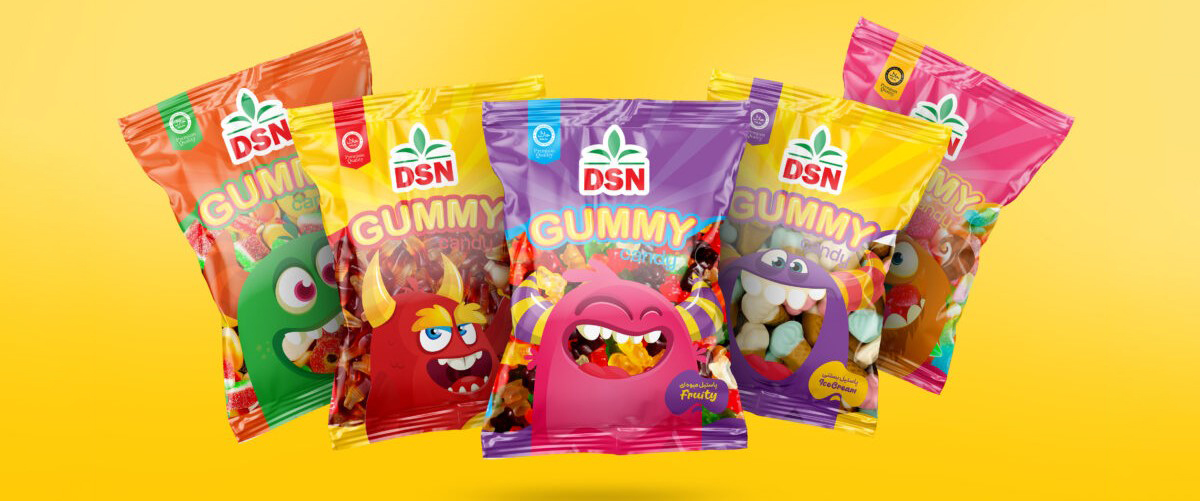
Gummy candy packaging bags are flexible packaging solutions specifically designed to store, protect, and present gummy candies. These bags are typically made from laminated films that provide barrier protection against moisture, oxygen, and contaminants while maintaining flexibility and durability.
The primary function of gummy candy packaging bags is to preserve product freshness and texture. Gummies have a high moisture content and are prone to sticking together or absorbing moisture from the environment. Packaging must therefore maintain a stable internal environment throughout storage, transportation, and retail display.
In addition to protection, gummy candy packaging bags serve as a powerful branding tool. Bright colors, playful graphics, transparent windows, and creative shapes are commonly used to attract consumers and communicate flavor, fun, and quality. For functional gummies, packaging may emphasize health benefits, ingredients, and certifications instead.
2. What are the common types of gummy candy packaging bags?
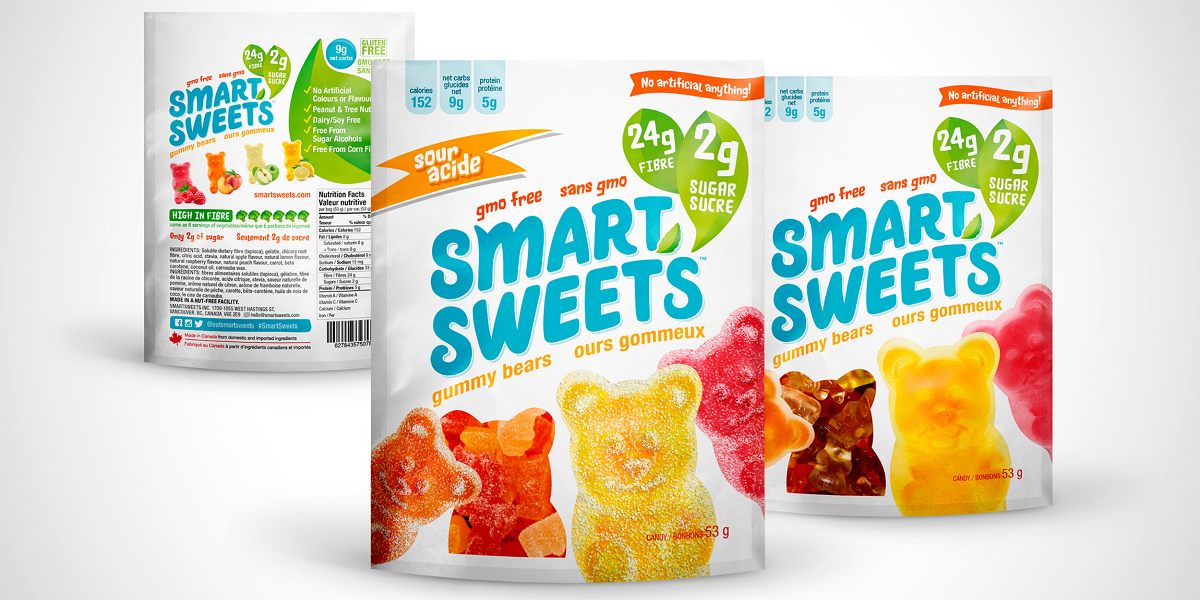
Several bag types are widely used for gummy candy packaging, each offering distinct advantages.
Stand-up pouches are the most popular choice due to their excellent shelf presentation, large printable surface, and compatibility with resealable zippers. They are suitable for both retail shelves and online sales.
Three-side seal bags are commonly used for single-serve or trial-size gummy packs. They are cost-effective, compact, and ideal for promotions or vending applications.
Pillow bags and flow wrap packaging are often used for individually wrapped gummies or small portions inside larger packages. These bags are efficient for high-speed production lines.
Special-shaped bags are increasingly used to enhance visual appeal, especially for children’s gummies. These customized shapes can reinforce brand identity and improve shelf differentiation.
3. What materials can be used to make gummy candy packaging?
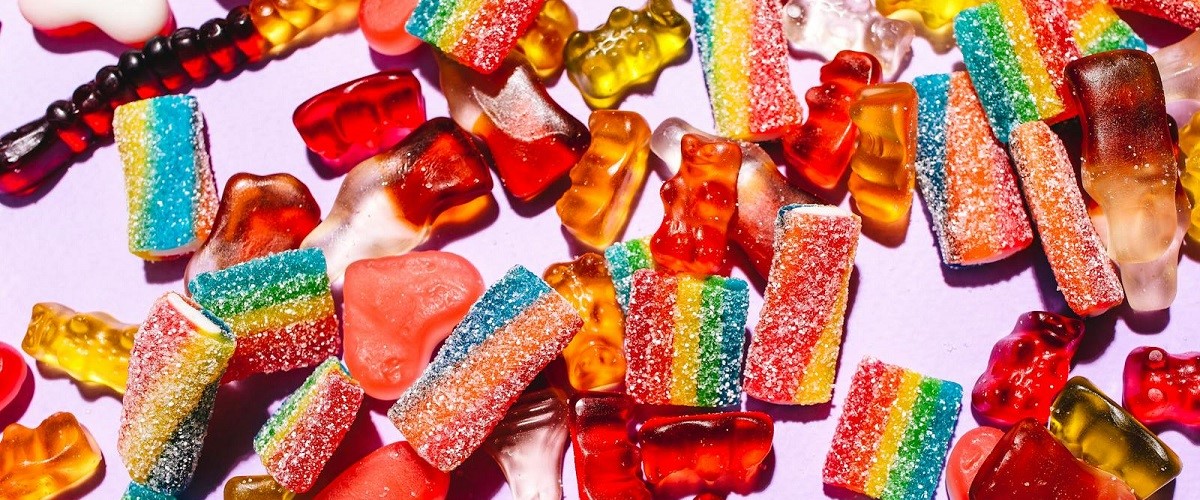
Material selection is critical when customizing gummy candy packaging bags. Common materials include PET, BOPP, CPP, PE, aluminum foil, and metallized films.
PET and BOPP provide strength, clarity, and excellent printability, making them ideal for outer layers. CPP and PE are commonly used for inner layers due to their heat-sealing properties and food safety compliance.
For gummies that require extended shelf life, aluminum foil or metallized films are added to enhance moisture and oxygen barriers. For brands focused on sustainability, recyclable mono-material structures and reduced-plastic laminations are gaining popularity.
The right material structure depends on shelf life requirements, storage conditions, target markets, and brand positioning.
4. What information should be included on gummy candy packaging?
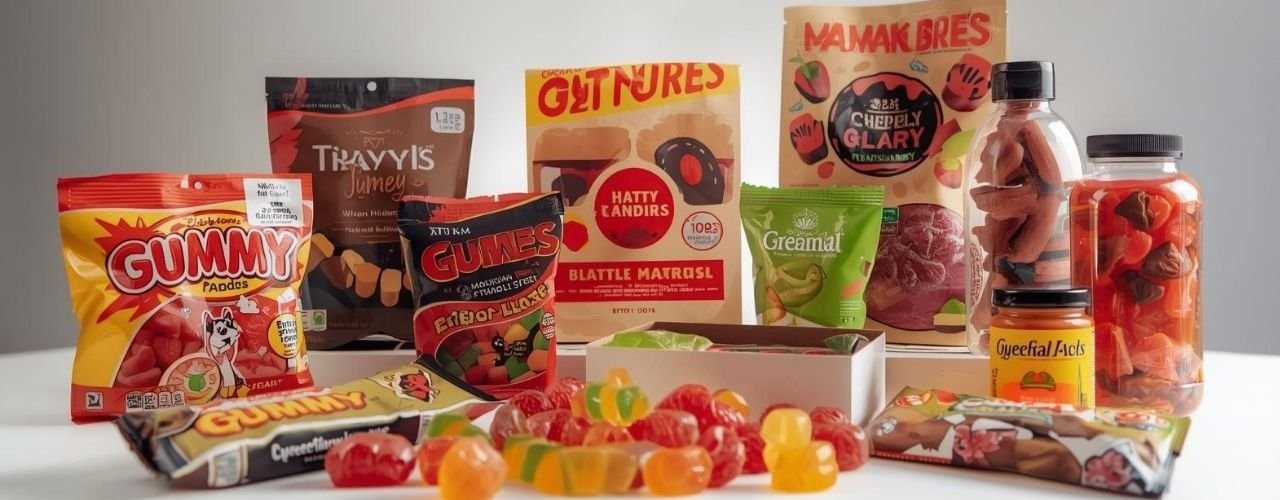
Gummy candy packaging must clearly display essential product information to meet regulatory requirements and consumer expectations.
This includes product name, flavor, net weight, ingredient list, allergen warnings, nutritional information, and expiration date. For functional gummies, dosage instructions, health claims, and certifications must be accurately presented.
Brand information, country of origin, storage instructions, and contact details also contribute to transparency and consumer trust. Clear, legible labeling is especially important for international markets with strict compliance standards.
5. How can unique design elements be incorporated into gummy candy packaging?
Unique design elements are key to standing out in the gummy candy market. Color psychology plays a major role—bright, vibrant colors often convey fun and flavor, while softer tones may suggest premium or health-focused positioning.
Special finishes such as matte coating, gloss highlights, soft-touch films, embossing, or spot UV can elevate perceived quality. Transparent windows allow consumers to see the gummies inside, reinforcing trust and freshness.
Custom illustrations, mascots, and typography help build brand personality, while innovative structures like special-shaped bags or resealable features enhance user experience and convenience.
FAQ
Why is moisture control important for gummy candy packaging?
Because excess moisture can cause gummies to stick together or lose their texture.
Are resealable bags necessary for gummy candy?
Yes, resealable zippers help maintain freshness after opening and improve convenience.
Can gummy candy packaging be eco-friendly?
Yes, recyclable and reduced-plastic material structures are increasingly available.
Does packaging design affect gummy candy sales?
Strong visual design significantly influences impulse purchases and brand recognition.
Conclusion
Customizing gummy candy packaging bags requires a careful balance of protection, functionality, branding, and compliance. From selecting the right bag type and materials to designing eye-catching visuals and clear labeling, every detail matters. As the gummy candy market continues to grow and diversify, brands that invest in well-designed, high-quality packaging will be better positioned to attract consumers, protect product quality, and build lasting brand value.