Key Things You Need To Know About Toast Packaging
Anna_Yu
Key Things You Need To Know About Toast Packaging
Toast is one of the most common staple foods around the world, but its packaging is far more complex than many people realize. Behind every neatly stacked slice of toast on a supermarket shelf lies a carefully designed packaging system that balances freshness, safety, convenience, branding, and cost efficiency. Unlike fresh bread that may be consumed quickly, toast is often produced in large batches, transported over long distances, and stored for extended periods. This makes packaging a decisive factor in determining product quality at the point of consumption.
Modern toast packaging is no longer just about wrapping bread in plastic. Consumers today expect packaging that preserves crunchiness, prevents moisture absorption, extends shelf life, and clearly communicates product information. At the same time, brands face increasing pressure to use food-safe materials, comply with regulations, reduce environmental impact, and differentiate themselves visually in competitive retail environments. Flexible packaging technologies have evolved rapidly to meet these demands, offering advanced barrier properties, customizable structures, and eye-catching print options.
As we approach 2026, toast packaging is also influenced by broader trends such as sustainability, smart packaging, and premium positioning. Understanding the materials, structures, and future direction of toast packaging is essential for manufacturers, brand owners, and even retailers who want to stay competitive. This article will walk you through the key things you need to know about toast packaging—from basic definitions to material safety and future trends—so you can make informed decisions in this growing market.
1. What are toast packaging bags?
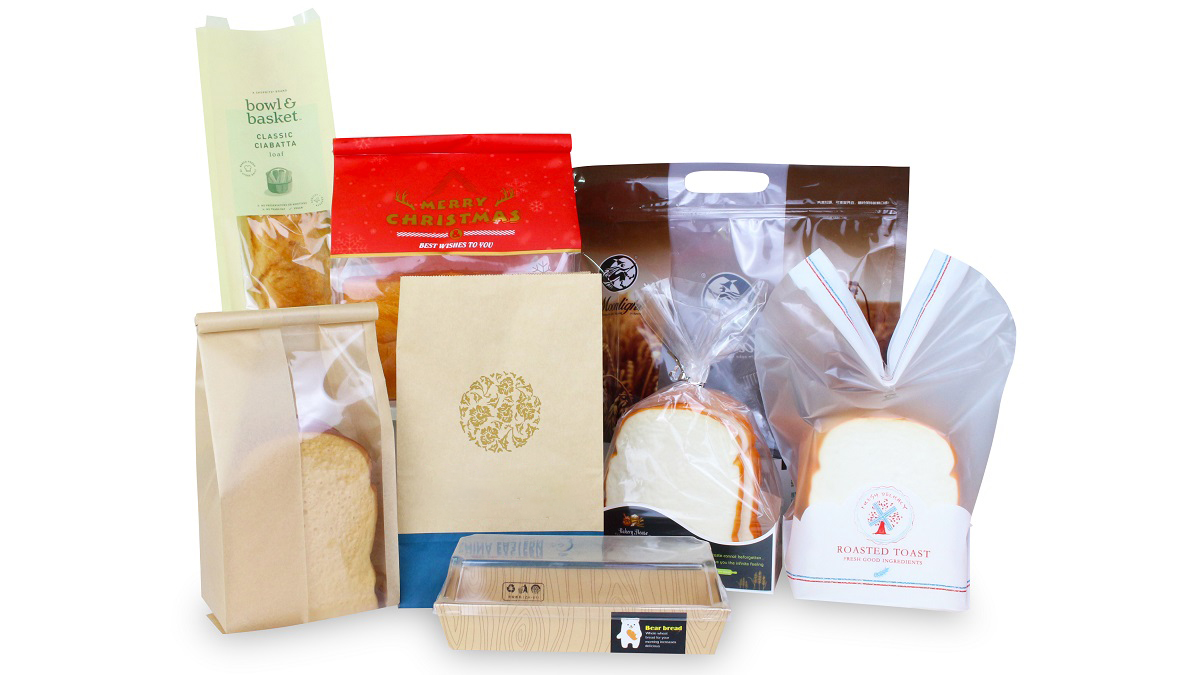
Toast packaging bags are specialized food packaging bags designed to protect toasted bread products from environmental factors such as moisture, oxygen, contamination, and physical damage. Unlike packaging for fresh bread, toast packaging focuses heavily on maintaining crispness and preventing rehydration, which can quickly ruin the texture and flavor of toast.
Most toast packaging bags fall under the category of flexible packaging, commonly produced as pillow bags, side-gusset bags, or flat-bottom bags. These formats allow for efficient stacking, transportation, and display while providing sufficient internal space to prevent crushing. In many cases, toast packaging bags are sealed using heat-sealing technology to ensure airtight closure.
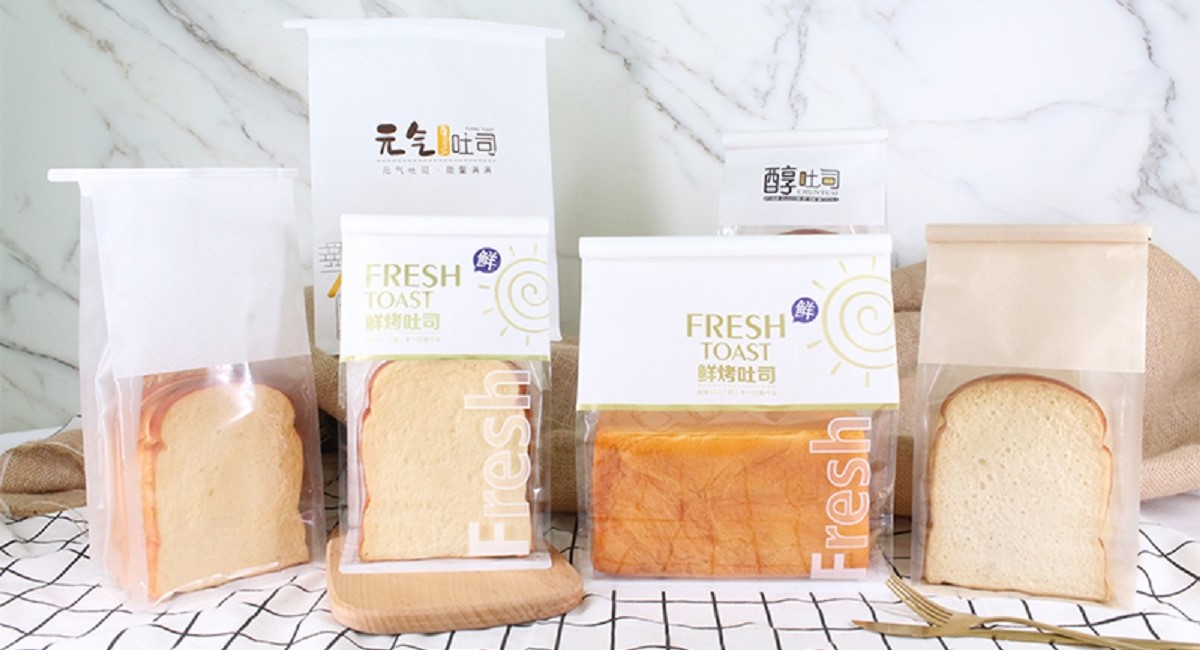
In addition to protection, toast packaging bags also serve a strong marketing function. They provide space for branding, nutritional information, ingredient lists, and regulatory labeling. Some toast bags may include transparent windows, allowing consumers to visually inspect the product before purchase, which builds trust and encourages buying decisions.
2. What materials are they usually made of?
Toast packaging bags are typically made from multi-layer laminated materials, each layer serving a specific purpose. Common materials include BOPP (biaxially oriented polypropylene), PET (polyester), PE (polyethylene), and sometimes metallized films.
BOPP is widely used for its excellent clarity, stiffness, and printability. It helps the packaging maintain its shape and presents graphics clearly on store shelves. PET is often added for strength and thermal stability, especially when high-speed packaging machines are used. PE usually forms the inner layer, as it is food-safe and provides reliable heat-sealing performance.
In some cases, metallized films are incorporated to enhance barrier properties against oxygen and light, which helps extend shelf life. The combination of these materials creates a structure that is lightweight, durable, and capable of preserving toast quality over time.
3. Are these materials safe for toast?
Yes, the materials used in toast packaging are generally food-grade and compliant with international food safety standards when sourced and processed correctly. Inner layers such as PE are specifically designed to come into direct contact with food and are manufactured under strict regulatory guidelines.
Additionally, inks and adhesives used in laminated toast packaging are typically low-migration or non-migration types, ensuring that no harmful substances transfer to the toast during storage. Many manufacturers also conduct migration testing and quality inspections to meet FDA, EU, or other regional food safety requirements.
For brands, choosing certified suppliers and clearly documenting compliance is essential. Food safety is not just a regulatory requirement—it is also a major factor in consumer trust and brand reputation.
4. What will the trend be for toast bags in 2026?
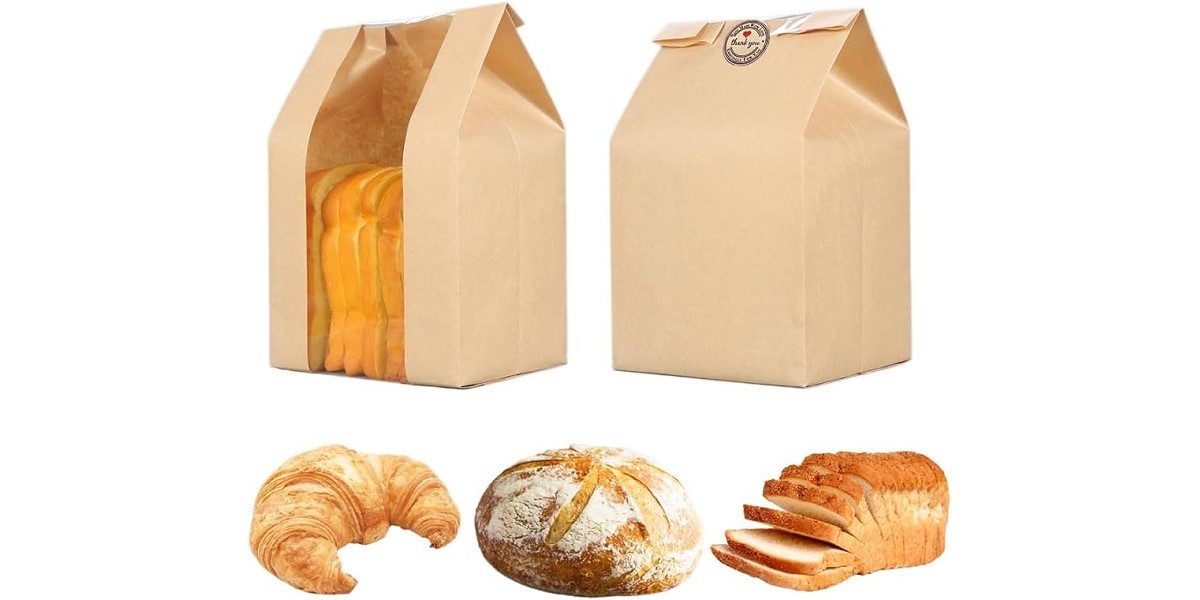
By 2026, toast packaging is expected to move further toward sustainability, convenience, and premium differentiation. Mono-material structures that are easier to recycle will gain popularity as brands seek to reduce environmental impact. Lightweight packaging designs will also help lower transportation costs and carbon emissions.
Resealable features, such as zip closures or easy-tear openings, will become more common as consumers look for added convenience and freshness after opening. Visually, minimalist designs, natural color palettes, and clear communication of health and sustainability benefits will dominate shelf aesthetics.
At the same time, smart packaging elements—such as QR codes for traceability or brand storytelling—may be integrated into toast packaging, enhancing consumer engagement beyond the physical product. Overall, toast bags in 2026 will not only protect the product but also reflect brand values and future-oriented thinking.
FAQ
Why is moisture protection so important for toast packaging?
Toast easily absorbs moisture from the air, which can quickly destroy its crisp texture.
Can toast packaging be recyclable?
Yes, especially with the development of mono-material and recyclable flexible packaging solutions.
Do toast bags need oxygen barriers?
Yes, oxygen barriers help slow down oxidation and extend shelf life.
Is transparent packaging suitable for toast?
Transparent windows are popular, but they must be balanced with barrier performance.
Conclusion
Toast packaging plays a crucial role in preserving product quality, ensuring food safety, and shaping consumer perception. From material selection to future trends, every detail matters in creating packaging that meets both functional and market demands. As we move toward 2026, innovation in toast packaging will continue to focus on sustainability, convenience, and brand differentiation—making it an essential area of investment for any toast producer aiming for long-term success.