Kraft Paper Bags vs. Mylar Bags: Which Is Best for Long-Term Tea Storage?
Anna_Yu
Kraft Paper Bags vs. Mylar Bags: Which Is Best for Long-Term Tea Storage?
Tea is one of the most delicate agricultural products in the global food market. Whether it is green tea, black tea, oolong, white tea, or herbal blends, tea is highly sensitive to oxygen, moisture, light, heat, and external odors. Long-term tea storage is not just about keeping the product contained—it is about preserving aroma, flavor, color, active compounds, and overall quality from production to final consumption.
In recent years, two packaging solutions have dominated the tea industry: kraft paper bags and mylar bags. Both are widely used in flexible packaging, and both have clear advantages depending on storage duration, market positioning, and brand strategy. However, many tea brands—especially those focused on exports or long shelf-life distribution—often struggle to decide which one is truly better for long-term storage.
This article provides a comprehensive, practical, and industry-oriented comparison of kraft paper bags and mylar bags for long-term tea storage. We will analyze their structural differences, barrier performance, impact on tea freshness, suitability for premium branding, and their respective pros and cons. By the end, you will have a clear framework to choose the right packaging solution for your tea products.
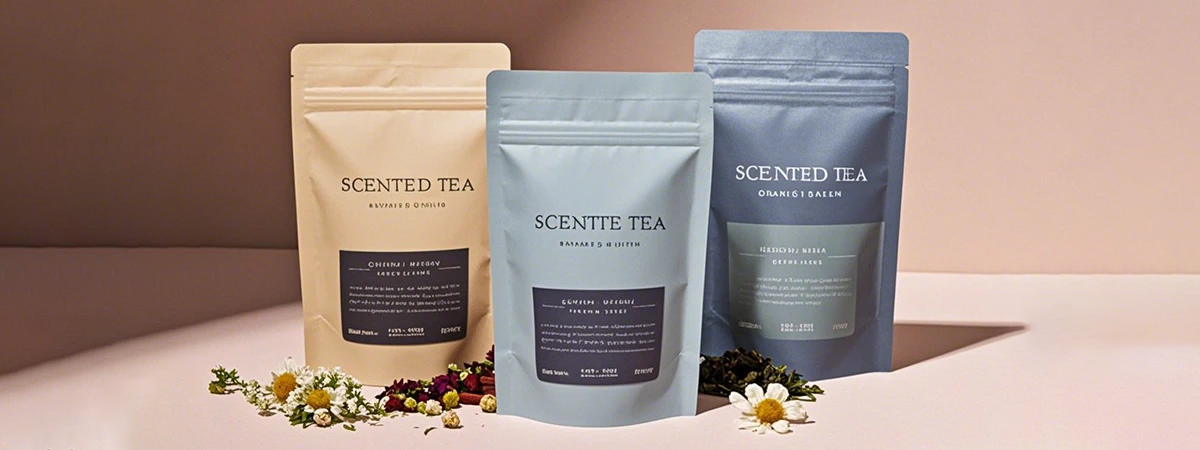
1. What Are the Key Differences Between Kraft Paper Bags and Mylar Bags for Tea Packaging?
Kraft paper bags and mylar bags differ fundamentally in material composition, structure, and performance purpose.
Kraft paper bags are typically made from natural wood pulp paper and are often laminated with an inner plastic layer such as PE, CPP, or sometimes aluminum foil. The kraft paper layer provides a natural, eco-friendly appearance and good stiffness, while the inner layer provides basic sealing and limited barrier protection.
Mylar bags, on the other hand, are made from polyester film (PET), often combined with aluminum foil or metallized layers and a sealing layer such as PE. Mylar is a technical packaging material designed specifically for high-barrier protection.
From a structural perspective:
- Kraft paper bags emphasize appearance, texture, and sustainability perception
- Mylar bags emphasize barrier performance, durability, and long-term protection
In practical tea packaging, kraft paper bags are often chosen for short-to-medium storage cycles, boutique tea brands, or products consumed relatively quickly. Mylar bags are commonly used for export tea, bulk storage, aged tea, or long-distance transportation.

2. Which Packaging Offers Better Barrier Protection for Long-Term Tea Storage?
When it comes to long-term tea storage, barrier performance is the single most critical factor.
Tea degrades primarily due to:
- Oxygen exposure (oxidation)
- Moisture absorption
- Light exposure (especially UV)
- Absorption of external odors
Barrier Performance of Kraft Paper Bags
Kraft paper itself has almost no barrier properties. It is breathable, porous, and easily affected by humidity. Therefore, kraft paper bags rely entirely on their laminated inner layers for protection.
A basic kraft paper + PE structure provides:
- Limited moisture resistance
- Very weak oxygen barrier
- No light barrier
Upgraded kraft paper structures such as kraft paper + aluminum foil + PE significantly improve performance, but at that point, the barrier is coming from the foil, not the kraft paper itself.
Barrier Performance of Mylar Bags
Mylar bags are inherently designed for barrier protection. Typical structures such as PET + AL + PE or PET + VMPET + PE offer:
- Excellent oxygen barrier
- Strong moisture resistance
- Full light blocking (with aluminum foil)
- Strong odor isolation
For long-term tea storage—especially beyond 6–12 months—mylar bags clearly outperform kraft paper bags in barrier protection.
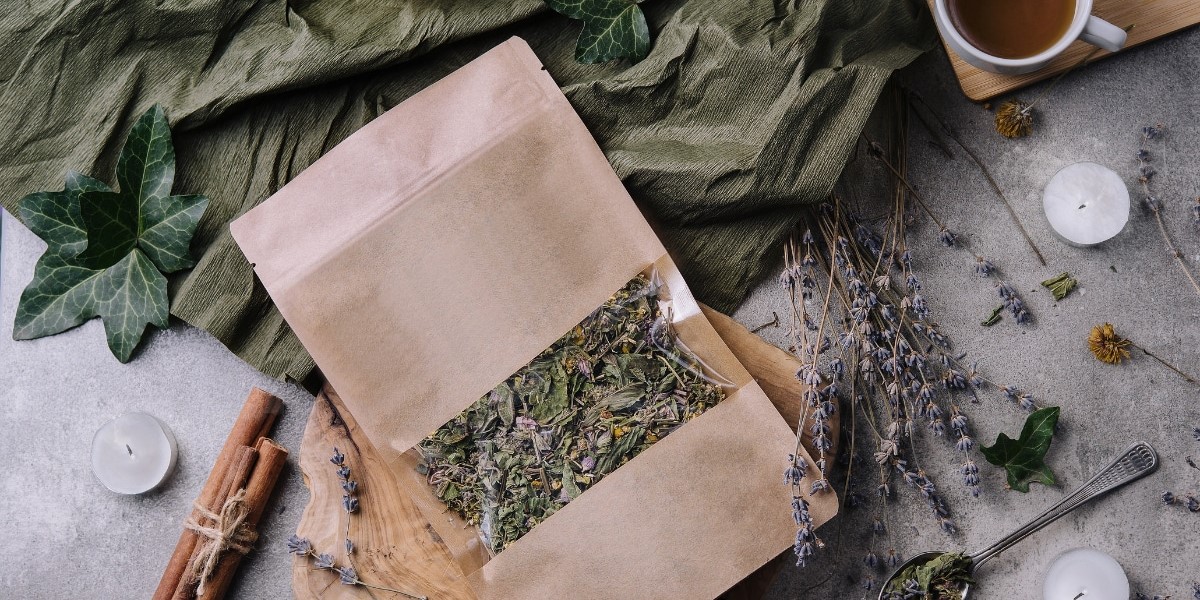
3. How Do Kraft Paper Bags and Mylar Bags Affect Tea Freshness and Shelf Life?
Tea freshness is directly tied to how well packaging controls the external environment.
Impact of Kraft Paper Bags on Tea Freshness
Kraft paper bags can perform adequately for:
- Fast-moving retail tea
- Daily-consumption teas
- Local markets with short supply chains
However, over time, even laminated kraft paper bags may allow:
- Gradual moisture ingress
- Slow oxidation
- Aroma loss
This is especially problematic for green tea and lightly oxidized teas, which are highly sensitive.
Impact of Mylar Bags on Tea Freshness
Mylar bags excel at locking in freshness. They maintain:
- Stable aroma compounds
- Consistent moisture levels
- Color and leaf integrity
For premium teas, aged teas, or teas stored for export and warehousing, mylar bags can extend shelf life significantly—often doubling or tripling the effective freshness window compared to basic kraft paper solutions.
In long-term storage scenarios, mylar bags provide predictable, controllable performance, which is critical for brand consistency.
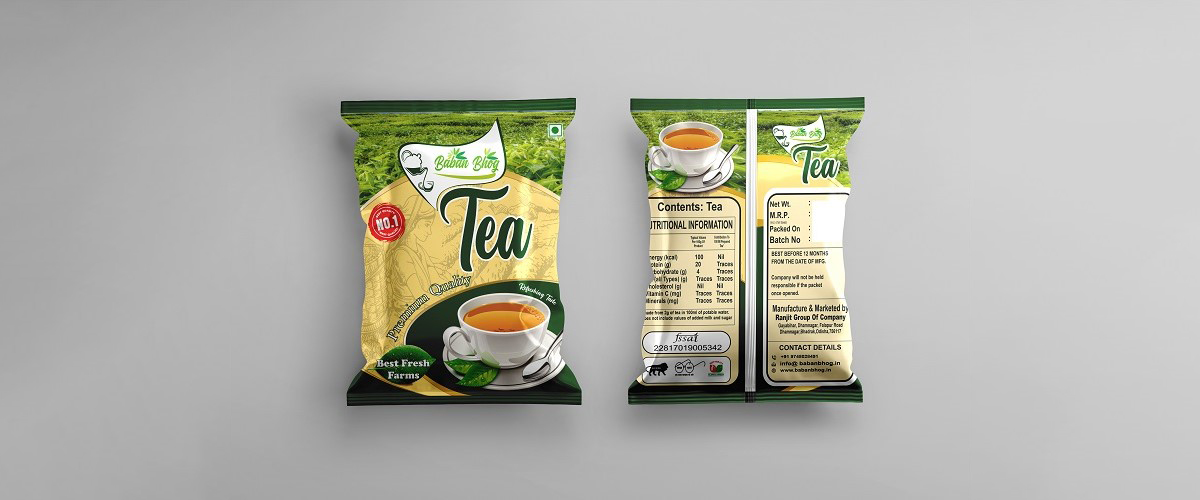
4. Are Mylar Bags or Kraft Paper Bags More Suitable for Premium Tea Brands?
This question does not have a one-size-fits-all answer, because “premium” can mean different things.
Kraft Paper Bags for Premium Branding
Kraft paper bags are strongly associated with:
- Natural
- Organic
- Handcrafted
- Eco-conscious
For premium tea brands that emphasize:
- Artisanal production
- Traditional culture
- Sustainability storytelling
Kraft paper bags offer strong visual and tactile appeal. When combined with minimalist design, embossing, or hot stamping, they can create a high-end shelf presence.
Mylar Bags for Premium Protection
Premium tea is not only about appearance—it is also about product integrity. Many high-end tea brands choose mylar bags because:
- They protect expensive raw materials
- They reduce quality complaints
- They ensure consistent consumer experience
Today, many premium brands adopt a hybrid approach:
- Inner mylar bag for protection
- Outer kraft paper bag or box for branding
This combination delivers both performance and aesthetics, and is increasingly common in export-oriented premium tea packaging.
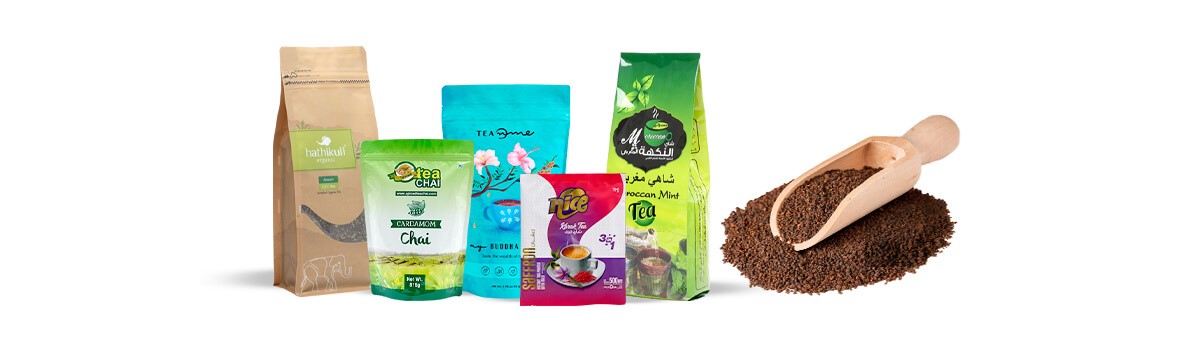
5. Kraft Paper Bags vs. Mylar Bags: Pros and Cons for Long-Term Tea Storage
| Aspect | Kraft Paper Bags | Mylar Bags |
|---|---|---|
| Barrier Protection | Low to medium (depends on lamination) | High to very high |
| Moisture Resistance | Limited | Excellent |
| Oxygen Barrier | Weak | Excellent |
| Light Protection | Poor unless foil-laminated | Excellent |
| Shelf Life Support | Short to medium | Long-term |
| Appearance | Natural, eco-friendly | Modern, technical |
| Durability | Moderate | High |
| Cost | Generally lower | Slightly higher |
| Sustainability Perception | Strong | Moderate (improving with recyclable options) |
Summary of Pros and Cons
Kraft Paper Bags – Pros
- Natural look and feel
- Strong brand storytelling
- Good for short-term storage
- Lower material cost
Kraft Paper Bags – Cons
- Weak intrinsic barrier
- Limited long-term storage performance
- Heavily dependent on inner lamination
Mylar Bags – Pros
- Superior barrier protection
- Excellent shelf life extension
- Strong durability for transport and export
Mylar Bags – Cons
- Less “natural” appearance
- Slightly higher cost
- Sustainability perception depends on structure choice
FAQ
Can kraft paper bags be used for long-term tea storage?
Only if they are laminated with high-barrier materials such as aluminum foil, but even then, the performance comes from the inner layers.
Are mylar bags safe for tea packaging?
Yes. Food-grade mylar structures are widely used and fully compliant with food safety regulations.
Which is better for green tea storage?
Mylar bags are strongly recommended due to green tea’s sensitivity to oxygen and moisture.
Can kraft paper and mylar be combined?
Yes. Many brands use an inner mylar pouch with an outer kraft paper bag for optimal results.
Conclusion
When comparing kraft paper bags and mylar bags for long-term tea storage, the decision ultimately depends on storage duration, distribution distance, tea type, and brand positioning. Kraft paper bags excel in visual appeal and sustainability storytelling but fall short in long-term barrier protection. Mylar bags, by contrast, offer unmatched protection and shelf-life stability, making them the preferred choice for export, premium teas, and long-term storage scenarios.
For many modern tea brands, the best solution is not choosing one over the other, but strategically combining both—leveraging mylar for protection and kraft paper for branding. This balanced approach ensures tea quality, brand value, and customer satisfaction over the long term.