Laundry Detergent Bag Customization Guide
Anna_Yu
Laundry Detergent Bag Customization Guide
Laundry detergent packaging has evolved from simple paper boxes and plastic containers into customized flexible packaging solutions that emphasize durability, brand identity, and eco-friendliness. In a market saturated with both liquid and powder detergents, the bag that holds your product does much more than contain it — it communicates your brand’s message, ensures the product’s longevity, and meets environmental and consumer expectations.
This comprehensive guide explores the key aspects of laundry detergent bag customization, including material selection, design principles, manufacturing considerations, and their overall impact on branding and sales performance.

1. What is a Laundry Detergent Bag?
A laundry detergent bag is a flexible packaging solution designed to safely contain and protect detergent products in various forms — such as powder, liquid, or pods. Unlike rigid containers, these bags are lightweight, customizable, and more sustainable, allowing brands to tailor their packaging to specific target audiences and product characteristics.
Types of Laundry Detergent Packaging
Laundry detergent bags are available in various styles, each designed for a specific function and product type:
| Bag Type | Suitable Product | Key Features | Example Usage |
|---|---|---|---|
| Stand-up Pouch (Doypack) | Liquid or pods | Stable bottom, resealable zipper, strong shelf presence | Premium detergent refills |
| Flat Pouch | Powder detergent | Cost-effective, single-use, easy to transport | Small portion detergent |
| Spout Pouch | Liquid detergent | Reclosable spout, easy pouring, leak-proof | Refill packaging |
| Quad Seal Bag / Gusset Bag | Large volume powder detergent | Reinforced sides, durable structure | Family-size detergent packs |
| Eco-paper Pouch | Organic or eco-friendly detergent | Recyclable paper-based design | Sustainable product lines |
These bags are designed to withstand transportation stress, maintain product integrity, and deliver convenience to consumers. For example, stand-up pouches with zippers help users reseal the bag and keep powder dry after each use.
Industry Background
The global laundry detergent packaging market was valued at approximately USD 8.5 billion in 2024 and is projected to reach USD 12.3 billion by 2030, growing at a CAGR of around 6%. Much of this growth is driven by eco-packaging innovations and consumer demand for convenience.
Manufacturers are increasingly turning to flexible bag packaging because of its lightweight nature, lower carbon footprint, and lower shipping costs compared to rigid plastic bottles.

2. Material Selection for Laundry Detergent Bags
Material selection determines not only how the packaging looks and feels but also how effectively it preserves product quality, resists chemicals, and supports sustainability goals.
Common Materials Used in Detergent Bags
| Material Type | Characteristics | Typical Usage |
|---|---|---|
| PET (Polyethylene Terephthalate) | High gloss, strong barrier to moisture and oxygen, printable surface | Outer layer for laminated structures |
| PE (Polyethylene) | Excellent flexibility, sealability, and chemical resistance | Inner layer, sealing and protection |
| BOPP (Biaxially Oriented Polypropylene) | Good print clarity, moisture barrier, and rigidity | Exterior layer for sharp printing |
| Nylon (PA) | Superior puncture resistance and durability | Used in heavy-duty detergent packaging |
| Aluminum Foil / Metallized PET | Blocks light, oxygen, and moisture; enhances shelf life | Middle layer for powder detergents |
| Kraft Paper | Natural, recyclable appearance, supports eco branding | Sustainable detergent packaging lines |
| PLA (Polylactic Acid) | Biodegradable and compostable; derived from corn starch | For eco-friendly and organic detergents |
Multi-Layer Structure
Most detergent bags use multi-layer laminations, combining materials to create a high-performance structure:
- PET/AL/PE: For powders that require superior moisture protection.
- BOPP/PE: For clear, glossy presentation with solid sealing.
- Kraft Paper/PE: For brands that highlight natural and eco-friendly values.
- Nylon/PE: For large refill packs that require strength and chemical resistance.
Each layer contributes a specific function — the outer layer provides aesthetics and printability, the middle layer acts as a barrier, and the inner layer ensures sealing and product safety.
3. What Are the Reasons for Choosing These Materials?
Choosing the right material combination is critical for maintaining the quality and usability of laundry detergent. The reasons include chemical stability, shelf life, user convenience, and brand differentiation.
1. Moisture and Oxygen Barrier
Laundry detergent, especially powder type, can easily absorb moisture, leading to clumping and reduced cleaning performance. High-barrier materials like PET/AL/PE prevent moisture ingress and keep the contents dry even in humid environments.
2. Chemical Resistance
Liquid detergents contain surfactants and enzymes that can react with packaging materials. Films like PE and Nylon offer strong resistance to corrosion and do not leach harmful substances into the detergent.
3. Mechanical Strength
Large family-sized detergent bags require packaging that can withstand transportation stress and stacking pressure. Nylon and BOPP layers provide puncture resistance and tensile strength to prevent tears or leaks.
4. Environmental Sustainability
As consumers become eco-conscious, brands are increasingly turning to recyclable mono-material PE films or biodegradable PLA laminates. These materials reduce waste and align with global sustainability goals.
5. Aesthetic and Branding Potential
The outer layer, often made of PET or BOPP, provides a perfect surface for high-definition printing, metallic finishes, or matte lamination. This enables vibrant branding that enhances shelf appeal and communicates product quality.
4. What Are the Advantages and Benefits of Custom Laundry Detergent Bags?
Customization allows brands to design packaging that fits both their product needs and marketing goals. The benefits are numerous and extend from practical performance to emotional consumer engagement.
1. Enhanced Product Protection
Custom-designed bags can be tailored to meet exact protection needs:
- Multi-layer laminations extend shelf life.
- Sealed pouches prevent leaks and contamination.
- Resealable zippers maintain freshness for extended use.
2. Brand Recognition and Differentiation
The packaging is often the first point of contact between a consumer and a brand. Unique visual design, brand colors, and logo placement instantly distinguish a product on crowded shelves.
In the detergent aisle, where products often look similar, creative packaging — like glossy laminations, minimalist eco designs, or bold color schemes — can strongly influence purchasing decisions.
3. Convenience and User Experience
Consumers appreciate packaging that makes their lives easier. Features such as handles, spouts, resealable zippers, or easy-tear notches contribute to user satisfaction.
For example, families prefer spouted pouches for refilling bottles, while single users might prefer small flat pouches for single washes.
4. Cost-Effective Production
Flexible packaging typically requires less material and lower shipping costs compared to rigid bottles or boxes. Brands can save up to 30% in logistics costs while reducing plastic usage.
5. Sustainability and Corporate Responsibility
Customizing detergent bags using recyclable or compostable materials helps brands communicate environmental responsibility — a factor that increasingly influences buying decisions. According to McKinsey (2025), over 70% of consumers prefer brands that use sustainable packaging.
6. Digital Printing and Limited Editions
Digital printing allows for short-run, customized packaging without setup fees. Brands can easily produce seasonal or promotional editions — for example, “Spring Fresh” or “Holiday Limited Edition” detergent bags — to increase consumer engagement and sales.
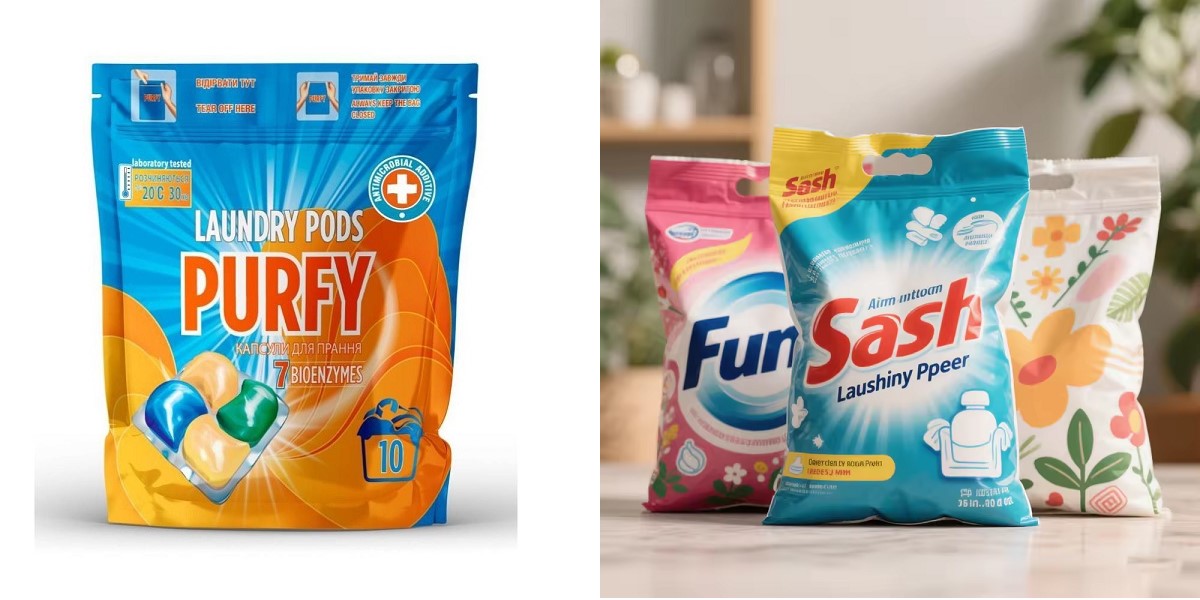
5. What Should I Pay Attention to When Customizing Laundry Detergent Bags?
Designing detergent packaging requires balancing aesthetic, technical, and functional considerations to create packaging that’s both beautiful and practical.
1. Understand the Product Characteristics
Powder detergents need high-barrier packaging to resist moisture, while liquid detergents require leak-proof, flexible spout bags. Always match material performance with product chemistry.
2. Consider Bag Capacity and Handling
A 1kg detergent pouch will have very different structural needs compared to a 10kg one. Larger packages should have reinforced seams, side gussets, and carrying handles for user convenience.
3. Ensure Seal Integrity
Poor sealing leads to product leakage and brand damage. It’s crucial to perform heat-seal strength tests and optimize sealing temperature, pressure, and dwell time based on material type.
4. Maintain Consistency in Branding
Your packaging should clearly reflect your brand identity. Use consistent:
- Logo placement
- Color palette
- Typography
- Imagery style
This consistency builds brand recognition across all detergent lines.
5. Prioritize Sustainability
If your target market values eco-friendly solutions, consider recyclable mono-material PE bags or paper-based laminates. Adding sustainability icons like “100% Recyclable” also improves consumer trust.
6. Regulatory and Safety Compliance
Packaging for detergents must comply with chemical safety and labeling regulations, including hazard warnings and child-safe design (where applicable). Always ensure your materials meet FDA, EU, and REACH standards for safety.
7. Optimize for Shelf Display
Packaging design should work well in both online and physical retail settings. High-contrast visuals and glossy finishes improve visual hierarchy and click-through rates in e-commerce listings.
6. The Impact of Laundry Powder Bag Design on Brand
The design of laundry detergent packaging plays a crucial role in shaping consumer perception, trust, and loyalty. In many cases, the packaging itself becomes the silent salesperson on the shelf.
1. Building Emotional Connection
Good packaging goes beyond function — it builds an emotional connection. Soft pastel tones can evoke a sense of “freshness and cleanliness,” while bold colors like blue or green communicate “powerful cleaning and protection.”
2. Differentiation in a Competitive Market
With hundreds of detergent products available, visual differentiation is essential. Brands like Ariel, Tide, and Persil have successfully used distinctive color schemes, modern typography, and innovative pouch shapes to stand out.
3. Storytelling Through Design
Consumers today want brands with stories. Eco-friendly detergent brands, for instance, often use matte kraft paper pouches with simple graphics to convey purity and sustainability. On the other hand, premium brands use metallic finishes and embossed textures to express high-end quality.
4. Strengthening Brand Identity
Packaging acts as a visual anchor for a brand. Whether online or in-store, consistent design elements build recognition and trust. Custom-printed bags with unique finishes — such as soft-touch matte or spot UV gloss — add perceived value and reinforce brand professionalism.
5. The Role of Digitalization
Digital packaging printing enables hyper-personalization — brands can print different languages, barcodes, or localized designs for various markets without changing production lines. This flexibility is key to building global recognition while maintaining local relevance.
6. Data-Driven Design
Through eye-tracking and market research, many brands now optimize layouts to improve consumer engagement. For instance, displaying “99.9% Stain Removal” in bold typography and placing eco-certification logos near the bottom increases perceived trustworthiness.
Conclusion
The customization of laundry detergent bags represents a perfect blend of science, design, and marketing strategy. As packaging technology continues to evolve, brands have more tools than ever to enhance product protection, elevate brand presence, and achieve sustainability goals.
From material innovation to digital printing and eco-design, the next decade of detergent packaging will focus on convenience, personalization, and environmental responsibility. Whether you’re a small startup or a global detergent manufacturer, understanding these principles allows you to create packaging that not only sells but also communicates your brand’s core values.
In short, the right packaging isn’t just a container — it’s a powerful marketing instrument, a guardian of product quality, and a reflection of your brand’s commitment to the future.