Lock in The Flavor: Sealable Coffee Bags With a Valve
Anna_Yu
Lock in The Flavor: Sealable Coffee Bags With a Valve
Coffee is one of the most sensitive food products when it comes to packaging. From the moment coffee beans are roasted, they begin a slow and irreversible journey of flavor loss. Oxygen, moisture, light, and improper handling all work against freshness. That’s why modern coffee brands no longer treat packaging as a simple container—it’s a critical part of flavor protection.
Among all packaging solutions available today, sealable coffee bags with a one-way valve have become the industry standard. They solve multiple problems at once: releasing internal gas, blocking oxygen, preserving aroma, and extending shelf life after opening. In this article, I’ll explain why removing air matters, how air valves work, why resealability is essential, and how valve bags compare with non-valve coffee packaging.
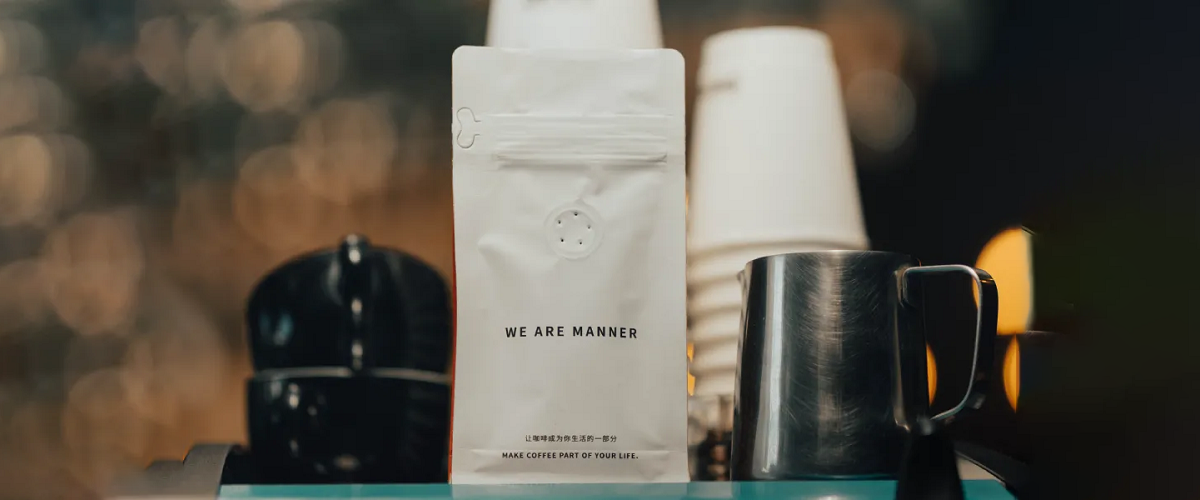
Why is it necessary to remove air when storing coffee?
Freshly roasted coffee releases carbon dioxide through a process called degassing. This is completely natural and can last for days or even weeks depending on the roast level. If this gas is trapped inside a sealed bag with no escape, pressure builds up, which can cause the bag to swell or even burst.
At the same time, oxygen is coffee’s biggest enemy. Oxygen reacts with coffee oils and aromatic compounds, leading to oxidation. This results in flat flavors, bitterness, and loss of aroma. Even small amounts of oxygen can significantly reduce coffee quality over time.
Removing or limiting air inside coffee packaging achieves two things:
- It prevents excessive internal pressure caused by degassing
- It minimizes oxygen exposure that leads to staleness
That’s why proper coffee packaging is not just about sealing—it’s about controlling gas exchange in a smart way.
What is the function of the air valve?
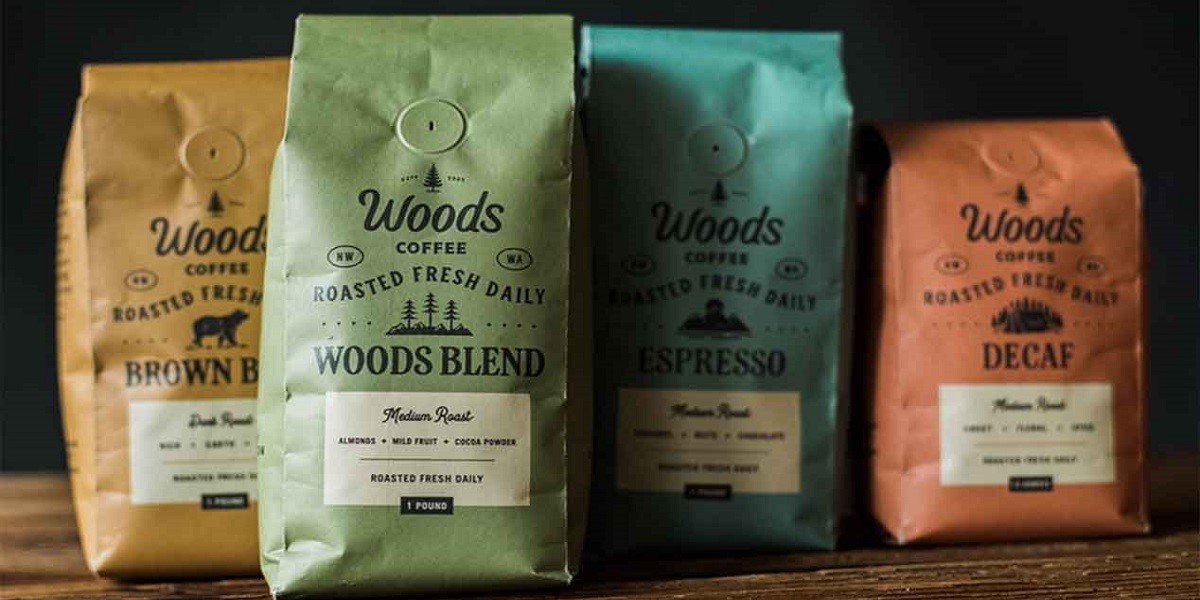
The air valve used on coffee bags is typically a one-way degassing valve. Its job is simple but powerful:
- It allows carbon dioxide to escape from inside the bag
- It prevents oxygen from entering the bag
This one-way function protects coffee freshness without requiring manual intervention. As gas builds up inside the bag, it pushes through the valve. When pressure equalizes, the valve closes automatically.
Another important benefit is that the valve allows roasters to package coffee immediately after roasting. Without a valve, coffee would need to rest in open containers for degassing, increasing exposure to oxygen and contamination.
In addition, valves improve consumer experience. Customers can gently press the bag and smell the aroma, which often reinforces freshness perception and purchase confidence—especially in retail environments.
Why is it important to reseal coffee bags after opening them?
Once a coffee bag is opened, the biggest threat becomes repeated oxygen exposure. Each time the bag is opened and left unsealed, fresh air enters and accelerates oxidation.
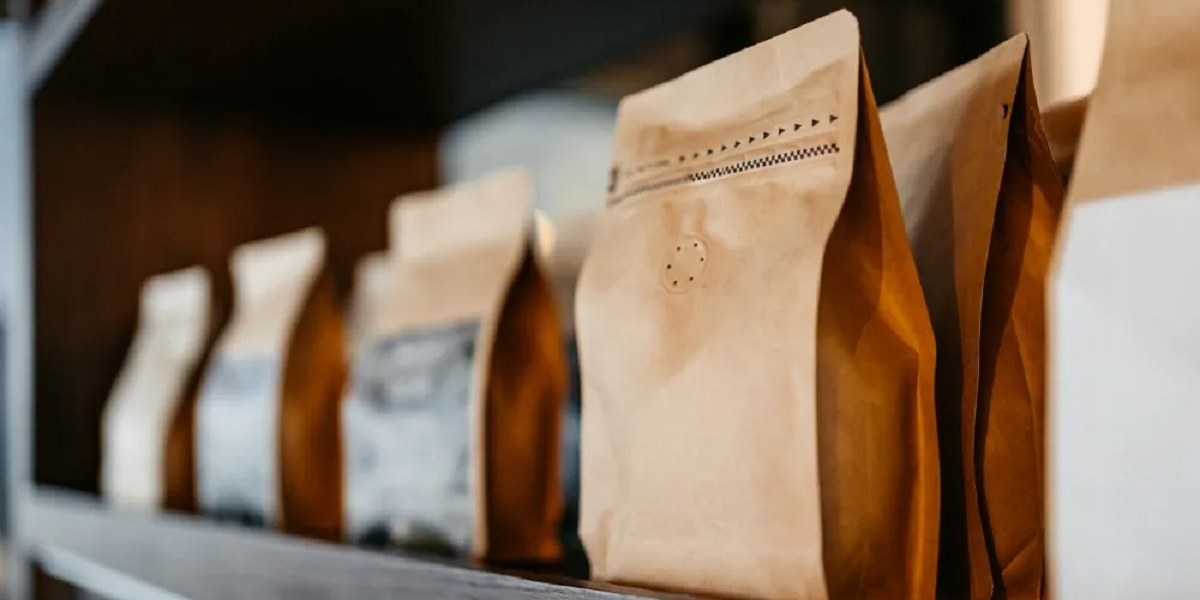
Resealable features—most commonly zipper closures—allow consumers to close the bag tightly after each use. This helps:
- Reduce oxygen intake
- Protect aroma and flavor
- Prevent moisture absorption
- Improve convenience and cleanliness
From a brand perspective, resealability directly impacts customer satisfaction. A good coffee may taste excellent on day one but disappointing a week later if the packaging fails after opening. Resealable coffee bags help ensure the coffee tastes as intended for longer.
Compare coffee packaging bags with and without an air valve
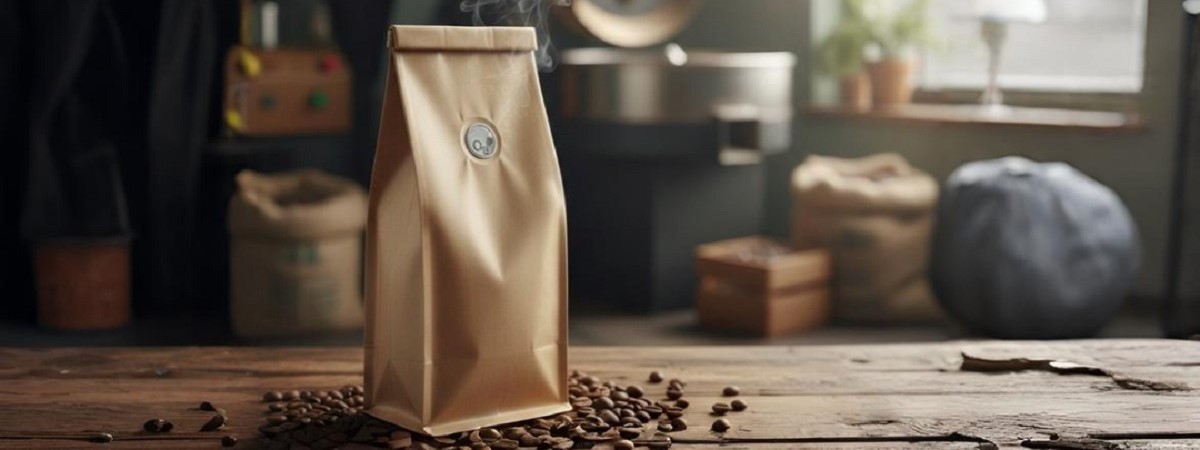
Coffee bags with an air valve are specifically designed for roasted coffee. They manage degassing, protect against oxygen, and maintain consistent internal conditions. These bags are ideal for whole beans and freshly roasted ground coffee, especially for premium and specialty brands.
Coffee bags without an air valve are typically used for:
- Instant coffee
- Drip coffee bags
- Coffee pods (secondary packaging)
- Products with minimal degassing
Without a valve, roasted coffee must either be packed after long degassing periods or flushed with nitrogen—both of which add complexity and cost.
In real-world use, valve bags provide better freshness retention, safer transportation, and a more professional brand image. Non-valve bags may be cheaper upfront, but they often result in shorter shelf life and higher quality complaints.
FAQ
Do all coffee bags need a valve?
No. Only roasted coffee that releases gas requires a valve. Instant coffee does not.
Can valve coffee bags be recycled?
Some modern valve bags use recyclable mono-material structures, though traditional valves can complicate recycling.
Does a valve affect shelf life?
Yes. A valve significantly extends shelf life by preventing oxygen entry while allowing gas release.
Is resealability more important than the valve?
They serve different purposes. The valve protects unopened freshness; resealing protects freshness after opening.
Conclusion
Sealable coffee bags with a valve are not a marketing trend—they are a practical solution to a real problem. By managing degassing, blocking oxygen, and allowing repeated resealing, these bags protect what matters most: flavor, aroma, and freshness. For coffee brands that care about quality and customer experience, valve-equipped resealable packaging is no longer optional—it’s essential.