Market Trends for Digital Printing in Food Packaging
Anna_Yu
Market Trends for Digital Printing in Food Packaging
As the packaging industry evolves, digital printing has emerged as a groundbreaking technology, transforming the way food products are presented and marketed. Unlike traditional printing methods, digital printing allows brands to create highly customizable, short-run packaging with faster turnaround times and lower costs. With the rise of e-commerce and consumer demands for personalized experiences, digital printing is poised to become a game-changer in the food packaging sector.
In this comprehensive guide, we will explore the various aspects of digital printing in food packaging, including its definition, differences from traditional printing, the key benefits it brings to the table, and the latest market trends shaping this technology. By the end of this guide, you will have a clear understanding of how digital printing can enhance food packaging, improve operational efficiency, and give brands a competitive edge.
1. What is Digital Printing?
Digital printing refers to the process of directly transferring digital images or designs onto packaging materials using computer-controlled technology. Unlike traditional printing methods, which rely on physical plates or cylinders, digital printing uses a combination of inkjet or laser technology to apply ink directly to the surface of the packaging material.
This method of printing is highly flexible, capable of producing small or large print runs without the need for extensive setup. It is also faster than conventional methods, making it a highly efficient solution for brands that require customization and quick turnaround times.
Key features of digital printing:
- No Plates or Screens: Digital files are sent directly to the printer, reducing setup costs and time.
- Customization: Easily adaptable to small runs, making it ideal for personalized or limited-edition packaging.
- Precision: High-resolution printing provides sharp images and text, perfect for fine details.
- Efficiency: Fast production times, suitable for just-in-time manufacturing.
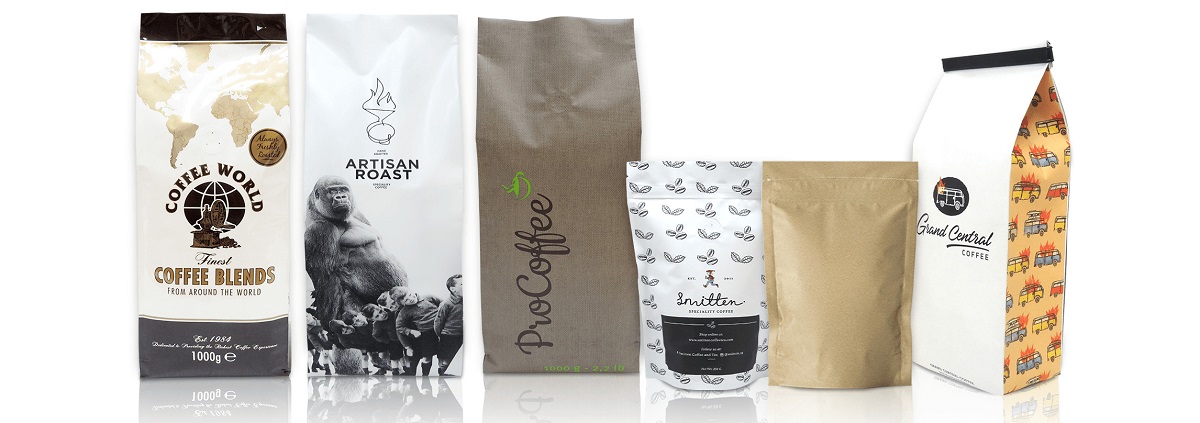
Digital printing is increasingly being used for a variety of packaging applications, including labels, flexible pouches, cartons, and flexible films.
2. What Are the Differences Between Digital Printing and Traditional Printing?
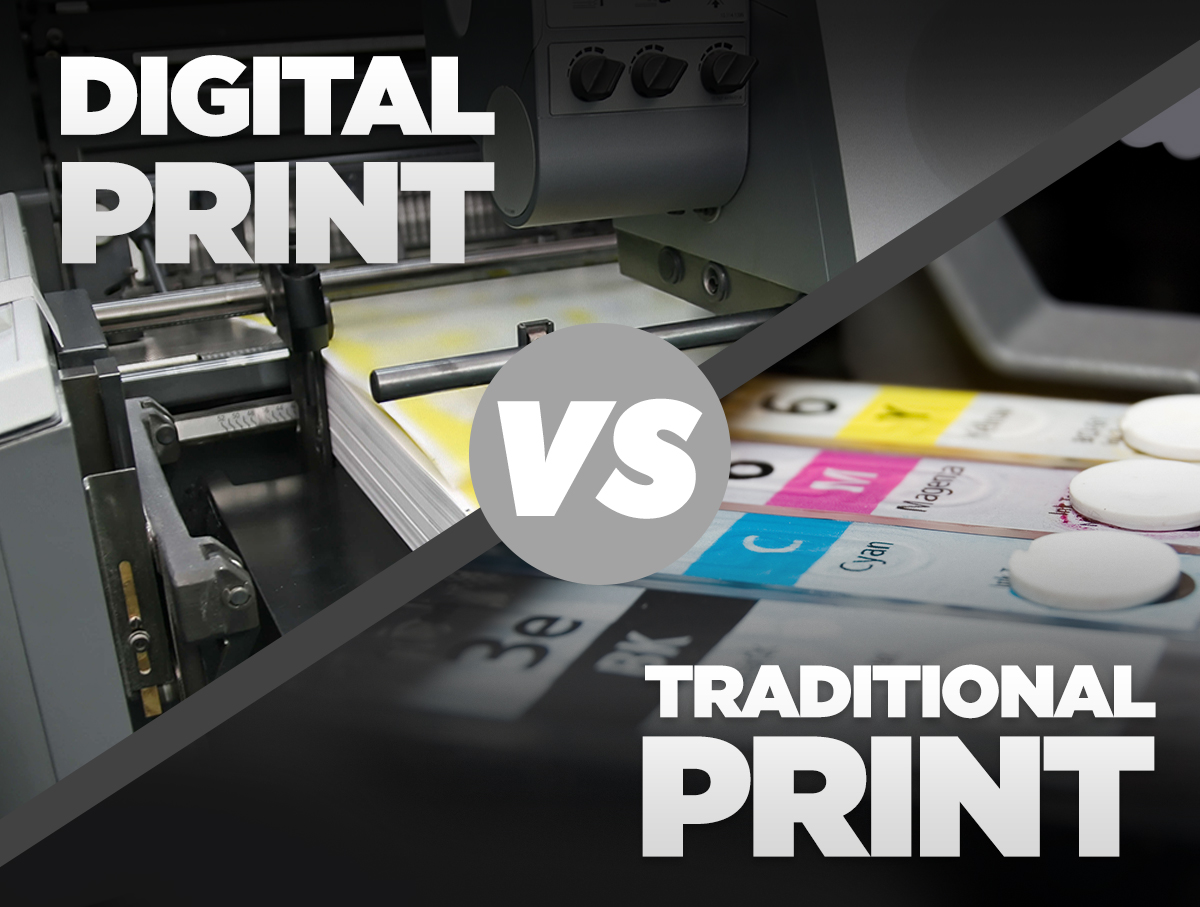
Digital printing stands in stark contrast to traditional printing methods, such as flexography, offset, and gravure. Each printing technique has its own set of advantages, but digital printing has been growing in popularity due to its ability to offer highly customizable packaging solutions at a lower cost and with faster turnaround times.
1. Printing Setup
- Traditional Printing: Requires the creation of plates, cylinders, or screens, which involve significant setup time and costs.
- Digital Printing: No plates or screens are needed. Digital files are sent directly to the printer, significantly reducing setup costs.
2. Run Length
- Traditional Printing: Most efficient for high-volume runs, typically 10,000 or more units. The setup costs are spread across large quantities, making it less economical for small runs.
- Digital Printing: Ideal for both small and large runs. Costs are almost the same regardless of run length, making it suitable for small, medium, or customized orders.
3. Customization
- Traditional Printing: Customization is limited. Making changes in designs or personalizing packaging involves starting a new print run, increasing time and costs.
- Digital Printing: Easy to change or personalize designs, including variable data printing such as batch numbers, expiry dates, or even names. It is perfect for limited editions, seasonal packaging, and personalized products.
4. Quality
- Traditional Printing: Offers excellent color accuracy and high resolution, but can struggle with fine details at very high speeds.
- Digital Printing: Provides high-quality prints with excellent color fidelity, suitable for sharp images, text, and fine details, even for small runs.
5. Turnaround Time
- Traditional Printing: Setup time can range from several days to weeks, depending on the complexity and volume.
- Digital Printing: Quick setup times with the ability to print and ship within hours or days, enabling faster time to market.
Digital printing enables brands to be more agile and responsive to market trends, consumer demands, and seasonal variations.
3. What Are the Advantages of Digital Printing?
Digital printing offers several distinct advantages that make it an appealing choice for brands in the food packaging sector. These benefits are driving its widespread adoption across various industries, particularly where customization, short runs, and speed are crucial.
1. Cost-Effective for Small and Medium Runs
Unlike traditional methods, which require significant setup costs, digital printing eliminates the need for expensive printing plates and tooling. As a result, brands can produce smaller quantities at a lower cost, making it ideal for test markets, seasonal packaging, or limited-edition product runs.
2. Speed and Efficiency
The absence of setup time in digital printing translates to faster production cycles. This allows businesses to respond quickly to changes in demand, launch new products more rapidly, and meet tight delivery deadlines. Fast turnaround times are particularly valuable in industries where speed to market is a competitive advantage.
3. Customization and Personalization
Digital printing excels in customization. Brands can easily personalize packaging by adding variable data, such as batch codes, QR codes, unique designs, or names. This ability to create bespoke packaging for individual consumers or targeted segments can greatly enhance the customer experience and help brands stand out in a crowded market.
4. High-Quality Prints
Digital printing technology has made significant advancements in print quality, providing sharp images, rich colors, and fine details. It is especially effective for printing high-resolution graphics, complex designs, or photographic images on flexible packaging. This quality level is crucial for food brands where the packaging must reflect the product's quality and appeal to consumers.
5. Sustainability Benefits
Digital printing uses eco-friendly, water-based inks and produces less waste compared to traditional printing methods. There are no excess materials like printing plates or screens, and waste is minimized as digital printing prints only the required amount. These sustainability benefits resonate with environmentally conscious consumers and brands aiming to reduce their carbon footprint.
4. What Are the Benefits of Using Digital Printing on Food Packaging?
Food packaging is one of the fastest-growing sectors to embrace digital printing. The benefits of digital printing for food packaging extend far beyond cost savings and efficiency; they also enable brands to enhance consumer engagement, improve sustainability, and adapt to the growing demands of modern consumers.
1. Enhanced Shelf Appeal
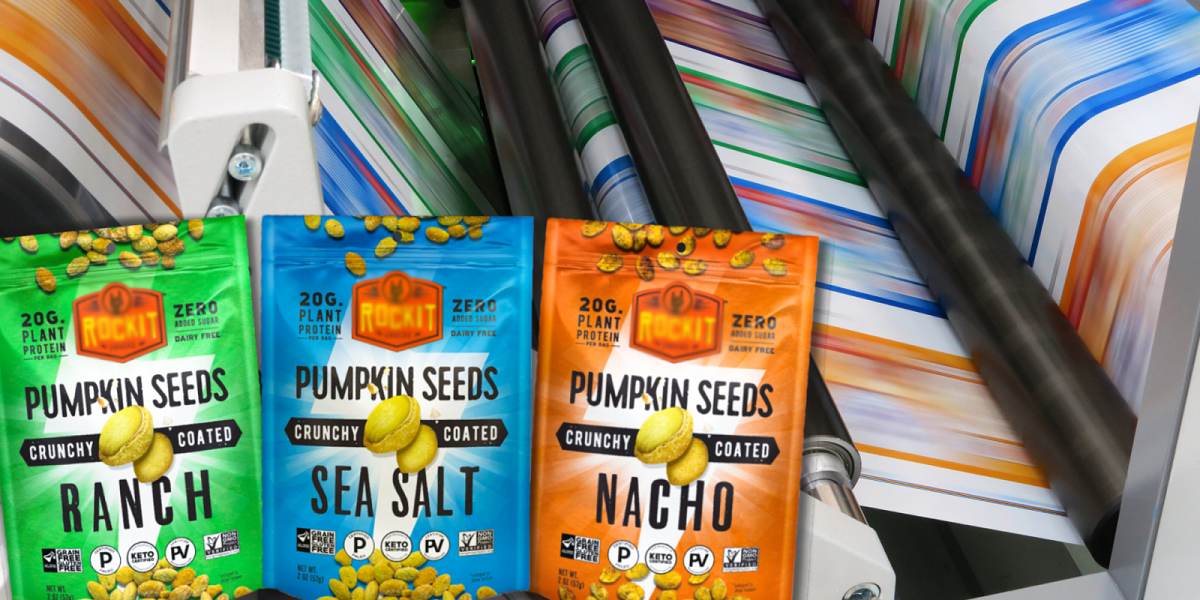
Food packaging plays a significant role in attracting consumers on store shelves. Digital printing provides vibrant, high-resolution graphics that make food products stand out, giving brands the ability to create visually striking packaging. This is particularly important in competitive categories like snacks, beverages, and gourmet foods, where packaging quality can influence purchasing decisions.
2. Consumer Engagement
Digital printing allows for the inclusion of personalized elements, such as names, special messages, and interactive features like QR codes. Personalized packaging creates a sense of connection between the brand and the consumer, increasing loyalty and driving repeat purchases.
3. Support for Limited-Edition and Seasonal Packaging
Digital printing allows brands to quickly adapt their packaging for limited-time offers, seasonal designs, or promotional packaging. Food brands can easily create and produce small runs of packaging for special events or holidays, without the need for complex setup processes.
4. Quick Response to Market Trends
With digital printing, packaging design can be easily updated to reflect current market trends, consumer preferences, or even social media engagement. This agility allows brands to respond quickly to changing consumer demands, ensuring their products remain relevant in a fast-paced market.
5. Waste Reduction
Traditional printing methods often involve printing extra materials to account for setup waste. Digital printing reduces this waste, as it prints directly from digital files without requiring excess materials. Additionally, brands can print only the quantities they need, reducing overstocking and waste of unused packaging.
FAQ
Q1: Can digital printing be used for large-scale production?
Yes, digital printing is scalable and can be used for both small and large runs. While traditional methods are more cost-effective for very large volumes, digital printing can handle large-scale production with the added benefit of customization.
Q2: Is digital printing eco-friendly?
Yes, digital printing uses eco-friendly, water-based inks, and produces less waste compared to traditional methods. The reduction in material waste and the ability to print on demand also contribute to its sustainability benefits.
Q3: What are the limitations of digital printing?
While digital printing offers many benefits, it may not be the best choice for extremely high-volume production due to the cost of ink and technology. It also requires high-resolution files to achieve the best results.
Q4: Can digital printing be used for flexible packaging materials like pouches?
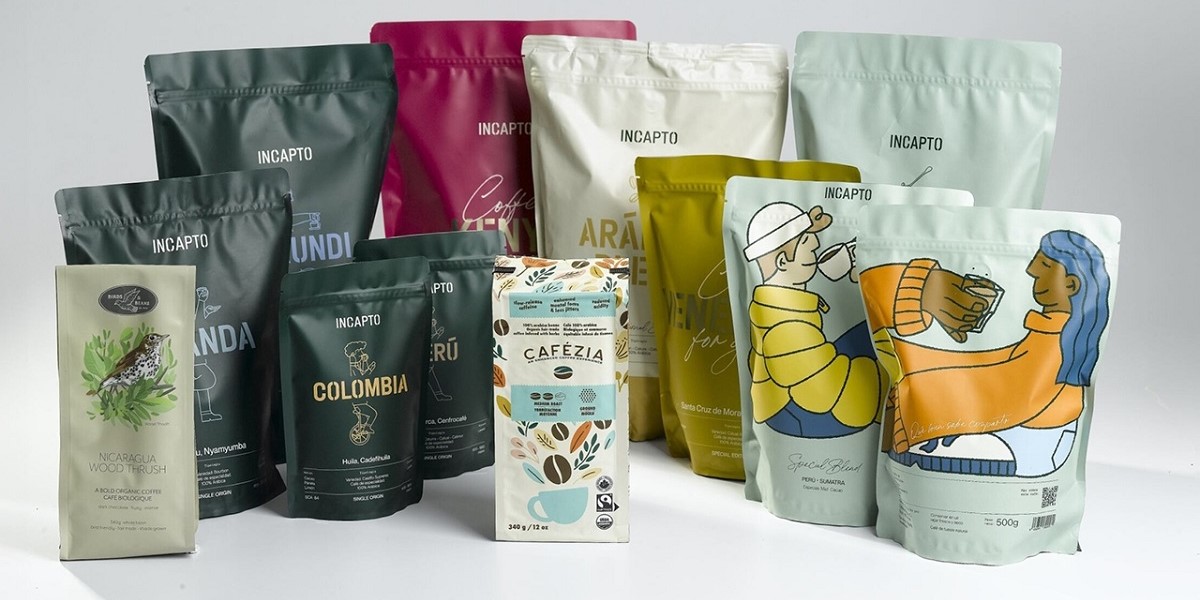
Yes, digital printing is widely used for flexible packaging, including pouches, bags, and labels. It is ideal for short runs, custom designs, and detailed artwork on