Modern Brand Exclusive Embossed Packaging Bags
Anna_Yu
Modern Brand Exclusive Embossed Packaging Bags
Intro
In today’s highly competitive market, packaging is no longer just a protective layer around a product—it is a brand’s silent ambassador. As consumers become more visually driven and deeply influenced by tactile experiences, premium finishing techniques such as embossing have become essential to building product identity and elevating customer perception. Embossed packaging bags are gaining popularity across industries ranging from gourmet foods and cosmetics to luxury accessories and artisanal goods. Unlike ordinary printed bags, embossed designs create a three-dimensional effect that customers can both see and feel, giving brands a powerful sensory advantage.
In modern packaging design, brands strive to communicate values such as exclusivity, quality, craftsmanship, and identity in subtle yet impactful ways. Embossing enables these elements to be physically integrated into the surface of the packaging. Whether it’s a logo, pattern, texture, or emblem, the raised surfaces make products instantly recognizable while reinforcing brand legitimacy and trust. More importantly, embossed packaging works seamlessly with today’s minimalist design trends—allowing brands to stay elegant without relying heavily on colorful graphics or complex illustrations.
This comprehensive guide explores everything you need to know about embossed packaging bags: what they are, how they are made, why they are different from standard printed bags, and how they can influence brand performance. You’ll also learn about the benefits, creative applications, and strategic considerations that make embossed bags a smart investment for modern brands looking to stand out in a crowded marketplace. Whether you are a packaging buyer, brand owner, product designer, or marketing professional, this guide will help you evaluate whether embossed packaging is the right choice for your next product line.
1. What Are Embossed Packaging Pouches?
Embossed packaging pouches are specially crafted bags where part of the surface has been mechanically pressed into a raised or recessed pattern. This creates a visible and tactile design that enhances the sensory experience.
1.1 How Embossing Works
Embossing is achieved using a metal die set—one male plate and one female plate—which apply pressure on the packaging material to form elevated or indented shapes.
1.2 Common Materials Used
- Laminated films (PET/AL/PE)
- Kraft paper multilayer structures
- Matte PET structures
- Soft-touch films
- Metalized film with patterns
- PP or PE mono-material films for recyclable packaging
1.3 Areas Commonly Embossed
- Brand logos
- Product icons
- Repetitive background patterns
- Geometric textures
- Signature elements or seals
1.4 Packaging Types Suitable for Embossing
- Stand-up pouches
- Flat bottom bags
- Side gusset bags
- Ziplock bags
- Premium gift packaging bags
- Coffee pouches
- Cosmetic and beauty product pouches
1.5 Why Embossing Is Increasing in Popularity
As brands seek subtle luxury, minimalism, and higher perceived value, embossed solutions offer a premium appearance without excessive printing.
2. What Is the Difference Between Printed and Embossed?
Understanding the distinction between printed and embossed elements is essential for making the right design decision.
2.1 Printed Packaging Explained
Printing applies ink on the surface of the material. Modern printing techniques include:
- Digital printing
- Gravure printing
- Flexographic printing
- Offset printing
Printed packaging focuses on color, patterns, and imagery.
2.2 Embossed Packaging Explained
Embossing physically reshapes the material’s surface, adding texture and dimension. It does not rely on ink, so it remains visible even on unprinted or matte surfaces.
2.3 2D vs. 3D Experience
- Printed: Flat, visual-only
- Embossed: Tactile, dimensional, sensory
2.4 Durability Difference
Embossed elements do not fade like printed colors might. They remain intact throughout the product lifecycle.
2.5 Minimalist Branding Trend
Embossing aligns with understated luxury trends where less color and more texture communicate quality.
2.6 Cost and Setup Differences
Printing focuses on colors, plates, and artwork.
Embossing requires a custom mold, pressure process, and careful alignment.
2.7 Brand Identity Impact
Printed bags deliver message clarity.
Embossed bags convey craftsmanship and prestige.
3. What Are the Benefits of Custom Embossed Packaging?
Embossed packaging provides both aesthetic and functional advantages. Below are the key benefits in detail:
3.1 Premium Visual Impact
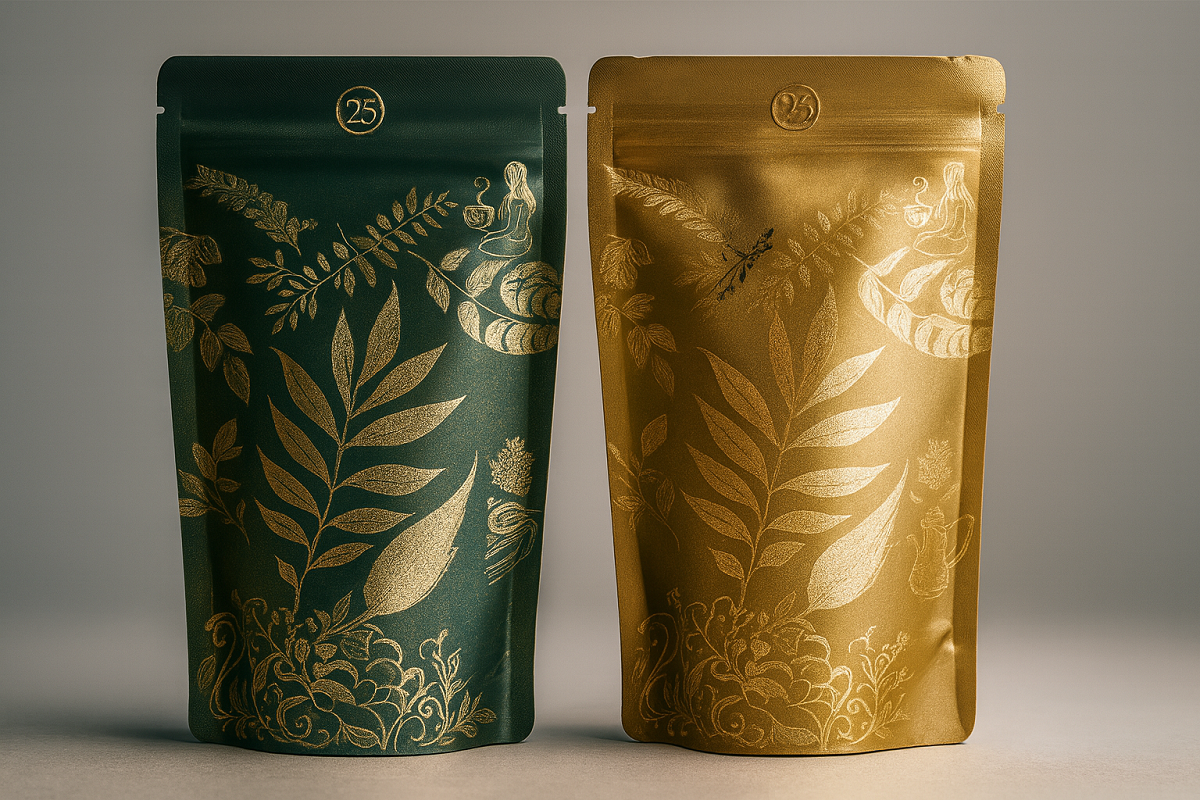
The raised surface catches light in dramatic ways, making a logo or icon stand out with elegance. Even simple designs appear more luxurious.
3.2 Enhanced Tactile Experience
Touch significantly influences purchasing decisions. Embossed textures offer a physical connection that printed graphics alone cannot achieve.
3.3 Stronger Brand Recognition
A well-crafted embossed texture reinforces brand memory. Consumers are more likely to recognize and recall embossed logos.
3.4 Increased Perceived Value
Premium packaging increases the product’s perceived worth. Embossing immediately signals craftsmanship and quality.
3.5 Supports Minimalist Aesthetics
Modern packaging trends lean heavily toward simplicity. Embossed designs allow brands to remain visually clean while retaining uniqueness.
3.6 Compatibility with Other Finishes
Embossing works well with:
- Matte varnish
- Spot UV
- Foil stamping
- Soft-touch coatings
This combination boosts both luxury and branding effects.
3.7 Durability and Non-Fading Effects
Embossing remains visible and intact even if colors fade, making it a long-lasting branding method.
3.8 Customizable Across Industries
Suitable for:
- Premium snacks
- Gourmet foods
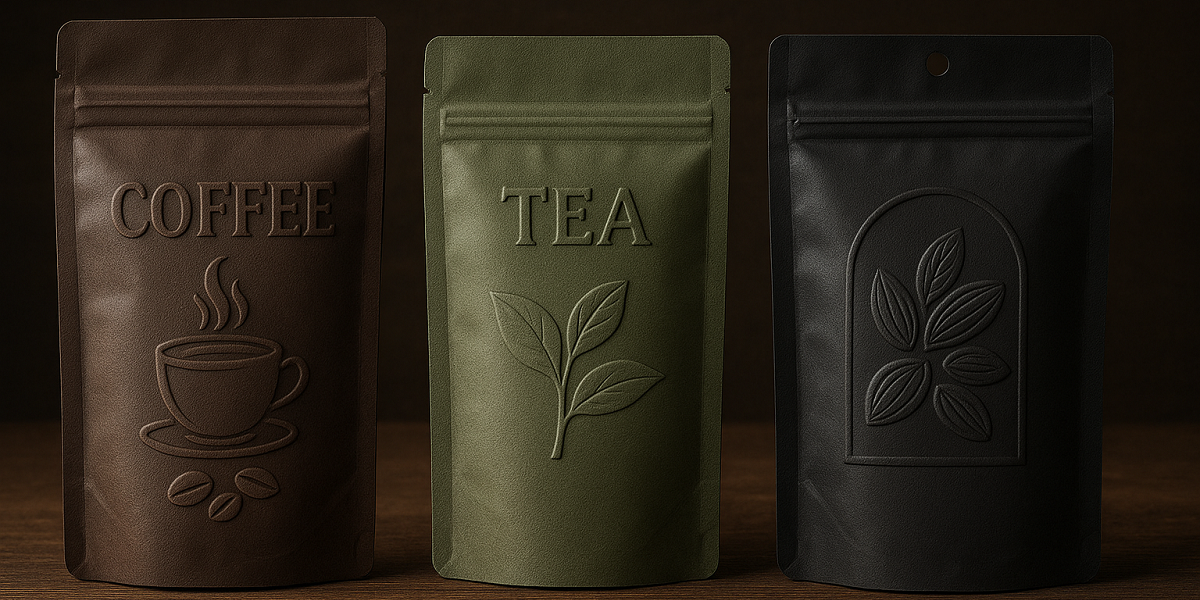
- Coffee and tea
- Cosmetic samples
- Electronics accessories
- Jewelry and small luxury goods
3.9 Ideal for Gift and Festive Packaging
Special texture elevates the unboxing experience and enhances emotional value.
4. What Are the Effects of Embossed Packaging on a Brand?
Embossed packaging directly influences consumer psychology and brand positioning.
4.1 Strengthened Brand Authority
Texture communicates premium craftsmanship, making the brand appear more trusted and established.
4.2 Improved Shelf Presence
Even on crowded shelves, embossed elements catch both light and attention. This creates instant differentiation from competitors.
4.3 Boosted Consumer Loyalty
Customers naturally associate embossed packaging with higher product quality. This strengthens loyalty and repeat purchases.
4.4 Strong Emotional Impression
Texture creates a multi-sensory experience:
- Sight
- Touch
- Emotional perception
This combination is powerful for building brand memories.
4.5 Premium Positioning in the Market
Embossing helps justify a higher price point and align products with luxury or boutique branding strategies.
4.6 Enhanced Unboxing Experience
Especially in e-commerce, the tactile experience creates delight and improves user satisfaction.
4.7 Reinforcement of Sustainability-Luxury Trend
Embossed minimal designs require fewer ink layers, often using less printing overall—aligning with green packaging trends.
4.8 Consistency Across Product Lines
Embossing enables a unified, high-end brand language across multiple SKUs without requiring heavy graphics for each product variation.
FAQ
Q1: Can embossed packaging be recycled?
Yes. Embossing itself doesn’t affect recyclability. Material type (mono PE, mono PP, kraft paper, etc.) determines recyclability.
Q2: Is embossing expensive?
It requires a custom mold, but long-term ROI is high due to strong branding and premium perception.
Q3: Can embossing be combined with metallic foil?
Yes—foil embossing (also known as foil stamping) is a popular luxury effect.
Q4: What designs work best for embossing?
Logos, symbols, geometric patterns, and clean line-art produce the best tactile results.
Q5: Does embossing work on glossy surfaces?
Yes, but it is particularly stunning on matte or soft-touch films.
Conclusion
Embossed packaging bags are one of the most effective ways for modern brands to communicate craftsmanship, exclusivity, and premium quality. The tactile dimension elevates the consumer experience, improves shelf presence, and strengthens emotional engagement with the brand. As markets become more competitive and consumers increasingly seek unique, sensory-rich products, embossed packaging offers a distinctive visual and tactile identity that printed packaging cannot replicate. Whether you are launching a new premium line or refreshing an existing one, embossed pouches provide a powerful and long-lasting branding advantage worth considering.