Modern Times Walnut Flexible Packaging
Anna_Yu
Modern Times Walnut Flexible Packaging
Walnuts are widely recognized as a premium nut product valued for their rich flavor, nutritional benefits, and versatility in food applications. However, walnuts are also highly sensitive to oxygen, moisture, light, and temperature fluctuations, which can lead to oil oxidation, rancidity, texture deterioration, and flavor loss if packaging protection is inadequate.
In modern retail and international trade environments, walnut products are distributed through supermarkets, specialty food stores, e-commerce platforms, and export channels. These complex supply chains require packaging solutions that deliver consistent freshness, strong physical protection, and attractive brand presentation. As competition intensifies, packaging has become a strategic tool that directly influences shelf life, consumer trust, and purchasing decisions.
Flexible packaging has emerged as the preferred choice for modern walnut brands. Compared with traditional rigid containers and paper-based packaging, flexible packaging provides superior barrier performance, reliable sealing, lightweight transportation, and exceptional customization flexibility. When properly engineered, modern flexible packaging can significantly extend walnut shelf life while enhancing brand value and market competitiveness.
This article explores modern times walnut flexible packaging by analyzing ideal packaging formats, freshness preservation mechanisms, material structures, innovative features, and key customization trends shaping the global walnut packaging industry.
1. What Makes Modern Flexible Packaging Ideal for Walnut Products?
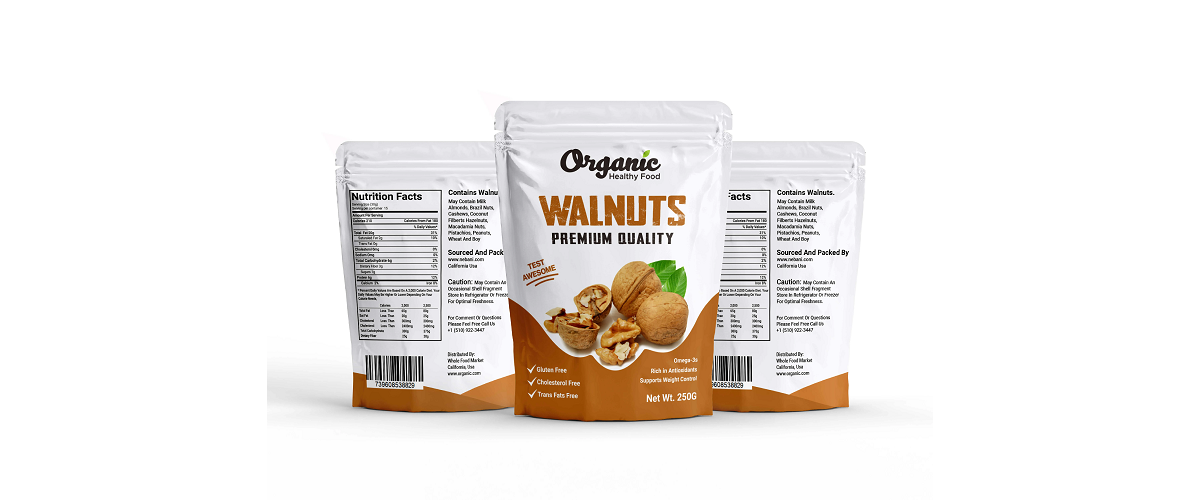
Flexible packaging meets the complex protection and marketing needs of walnut products.
Superior Barrier Performance
Multi-layer laminate structures effectively block oxygen, moisture, and light, preventing oxidation and quality degradation.
Lightweight and Logistics Efficiency
Compared with rigid packaging, flexible packaging reduces transportation costs and carbon footprint.
High Customization Capability
Flexible packaging supports:
- Full-surface high-definition printing
- Custom shapes and sizes
- Premium finishes and textures
This allows walnut brands to build strong shelf presence.
Compatibility with Advanced Filling Systems
Modern flexible packaging works well with:
- Nitrogen flushing
- Vacuum sealing
- High-speed filling lines
Ensuring consistent quality control.

2. How Does Flexible Packaging Help Preserve Walnut Freshness and Quality?
Freshness protection is the core function of walnut packaging.
Oxygen Control
Oxygen exposure accelerates oil oxidation, leading to bitterness and rancid flavors.
High-barrier laminates minimize oxygen transmission rates.
Moisture Regulation
Excess moisture causes mold growth and texture loss. Effective moisture barriers stabilize internal humidity.
Light Shielding
Metallized and aluminum layers protect walnuts from UV-induced degradation.
Seal Strength and Integrity
Strong seals prevent leakage and micro-perforation, maintaining long-term barrier performance.

3. Which Packaging Materials Are Best for Modern Walnut Packaging Solutions?
Material selection should match shelf-life goals and market positioning.
Common Materials in Walnut Flexible Packaging
- PET: Structural strength and premium printing quality
- BOPP: Cost-effective stiffness and clarity
- PE / CPP: Food-safe heat-sealing layers
- VMPET: Enhanced oxygen and moisture barrier
- Aluminum Foil (AL): Maximum protection
Recommended Material Structures
| Product Type | Recommended Structure | Main Advantage |
|---|---|---|
| Standard retail packs | PET/VMPET/PE | Balanced cost and barrier |
| Premium walnuts | PET/AL/PE | Extended shelf life |
| Bulk packs | BOPP/VMPET/CPP | Production efficiency |
| Export products | PET/AL/PE | Transport stability |
| Sustainable lines | Recyclable Mono-Material | Environmental compliance |
Proper material selection ensures consistent quality and cost control.
4. What Innovative Features Are Shaping Modern Walnut Flexible Packaging?
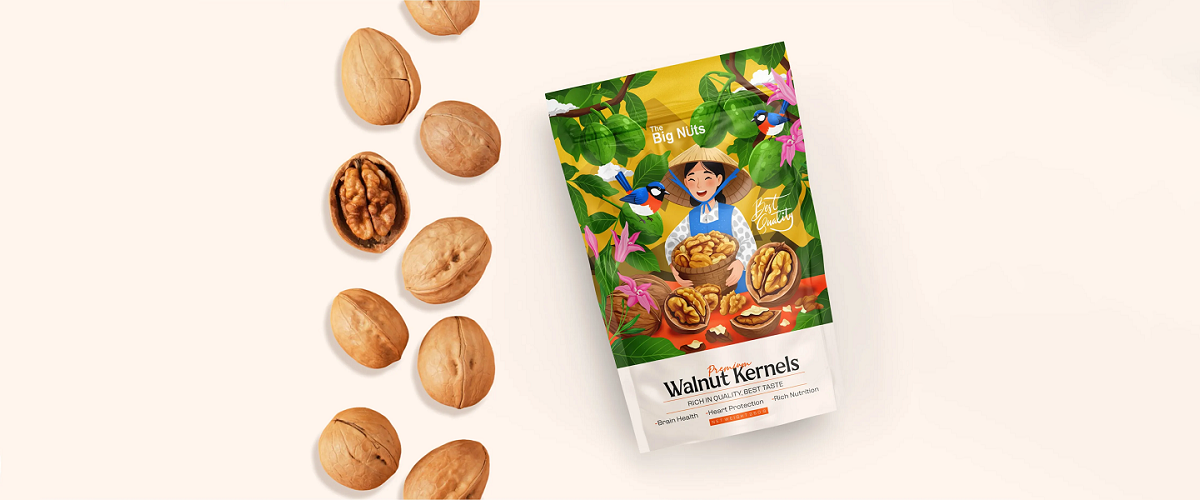
Innovation improves both performance and user experience.
Smart Resealable Systems
Advanced zipper technologies provide better air-tightness and durability.
Modified Atmosphere Packaging (MAP)
Nitrogen flushing helps slow oxidation and maintain kernel integrity.
Digital and Variable Printing
Digital printing supports:
- Small batch production
- Seasonal promotions
- Personalized branding
Enhancing marketing flexibility.
Eco-Friendly Packaging Technologies
Innovations include:
- Recyclable laminates
- Compostable coatings
- Reduced plastic thickness
Supporting sustainability goals.
Anti-Counterfeiting and Traceability
QR codes and security printing help protect brand authenticity.
5. Modern Walnut Flexible Packaging: Key Trends and Customization Options
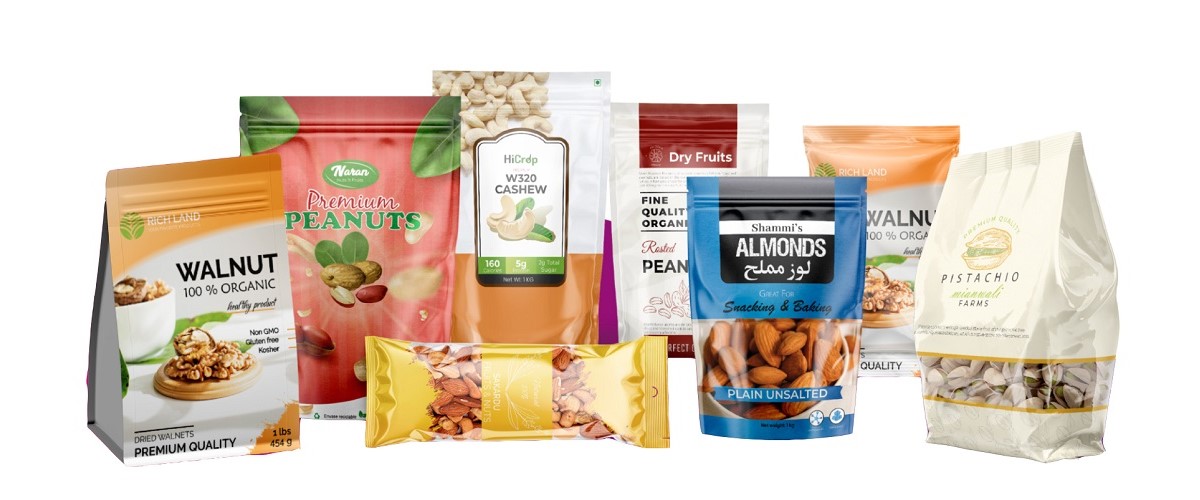
Successful walnut packaging strategies integrate market trends and brand needs.
Shelf-Life Requirements
Modern walnut products typically require 9–18 months of shelf life.
Export-Oriented Design
Packaging must resist:
- Temperature fluctuations
- High humidity
- Mechanical stress
High-barrier structures are essential.
Cost and Performance Optimization
Metallized films balance performance and cost, while foil laminates serve premium markets.
Sustainability-Driven Customization
Brands increasingly adopt recyclable and downgauged materials.
Brand Differentiation
Customization focuses on:
- Storytelling design
- Regional origin labeling
- Premium visual identity
Turning packaging into a marketing asset.
FAQ
What is the best packaging format for walnuts?
Stand-up pouches and flat bottom bags with high-barrier laminates are most commonly used.
Do walnuts require aluminum foil packaging?
For export and long shelf-life products, aluminum foil offers superior protection.
Is nitrogen flushing necessary for walnut packaging?
It is highly recommended for extending shelf life and preventing oxidation.
Are resealable closures important for walnut packaging?
Yes. They significantly improve post-opening freshness retention.
Conclusion
Modern walnut flexible packaging plays a critical role in preserving product quality, extending shelf life, and enhancing brand competitiveness. By combining advanced barrier materials, innovative functional features, and strategic customization, walnut brands can protect freshness while delivering strong visual impact. In an increasingly competitive global nut market, high-performance flexible packaging is not only a protective solution—it is a foundation for long-term brand success.