Packaging Analysis: Chocolate Packaging in the Modern Era
Anna_Yu
Packaging Analysis: Chocolate Packaging in the Modern Era
Chocolate is no longer just a simple confectionery product—it has become a symbol of indulgence, gifting, emotional connection, and even lifestyle identity. From everyday chocolate bars to premium artisan pralines and luxury gift boxes, chocolate occupies a unique position in the global food market. As consumer expectations evolve, chocolate packaging plays a far more strategic role than ever before. It is not only responsible for protecting the product, but also for communicating brand value, ensuring quality, and shaping the consumer’s first impression.
In the modern era, chocolate packaging must respond to multiple challenges at once. Chocolate is highly sensitive to temperature, light, oxygen, and moisture, making it one of the more demanding food products to package correctly. Improper packaging can lead to fat bloom, flavor loss, deformation, or reduced shelf life—issues that directly impact consumer trust and brand reputation. At the same time, competition on retail shelves is intense, pushing brands to invest in packaging that stands out visually while remaining functional and cost-effective.
Sustainability has also become a decisive factor. Modern consumers are increasingly aware of environmental issues and expect brands to reduce unnecessary packaging, adopt recyclable materials, and demonstrate responsible sourcing. Chocolate brands must therefore strike a delicate balance between barrier performance, aesthetics, convenience, and environmental responsibility.
This article provides a comprehensive analysis of chocolate packaging in the modern era. We will examine what chocolate packaging is, the essential functions it must fulfill, the materials that best meet these requirements, and the key trends shaping chocolate packaging toward 2026. Whether you are a brand owner, product manager, or packaging buyer, understanding these factors will help you make more informed packaging decisions.
1. What is chocolate packaging?
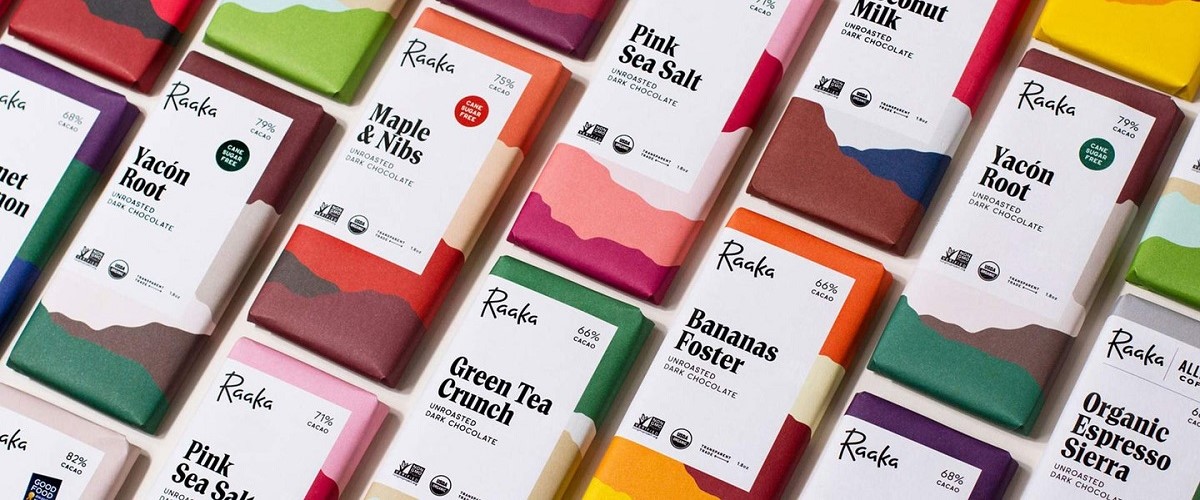
Chocolate packaging refers to the primary and secondary packaging solutions used to protect, store, transport, and present chocolate products. Primary packaging is in direct contact with the chocolate, such as inner wraps, films, or pouches, while secondary packaging includes boxes, sleeves, or outer cartons used for branding and logistics.
In modern chocolate packaging, flexible packaging plays an increasingly important role. Flow wraps, laminated films, stand-up pouches, and inner barrier layers are widely used to ensure freshness and protection. For premium products, chocolate is often combined with rigid boxes, trays, or paper-based outer packaging to enhance perceived value.
Chocolate packaging must also consider portioning and usage scenarios. Single-serve bars, resealable sharing packs, seasonal gift packaging, and assortment boxes all require different structures and material combinations. Therefore, chocolate packaging is not a single format, but a system designed around product type, target market, and consumption behavior.
2. What functions should chocolate packaging have?
Chocolate packaging must fulfill several critical functions simultaneously. First and foremost is product protection. Chocolate is sensitive to oxygen, moisture, heat, and light. Packaging must act as a strong barrier to prevent oxidation, moisture absorption, and aroma loss.
Second, packaging must maintain product stability and appearance. Temperature fluctuations can cause fat bloom, which affects the visual quality of chocolate. While packaging cannot control temperature entirely, it can reduce exposure to external environmental factors.
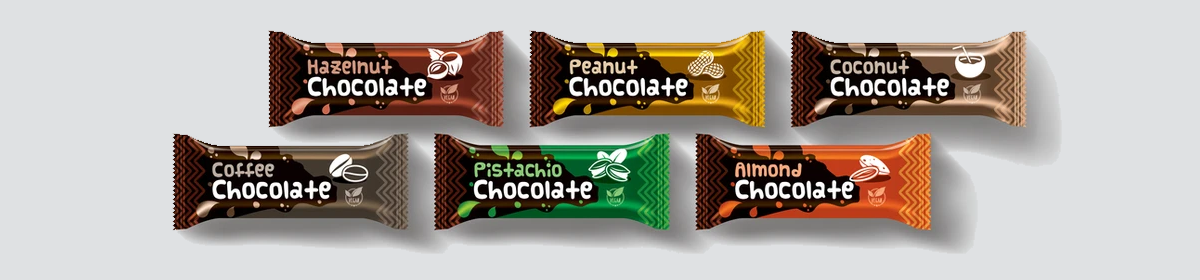
Third, chocolate packaging serves a branding and marketing function. Color, texture, printing quality, and structure all influence consumer perception. Premium chocolates often use high-quality finishes such as matte films, soft-touch coatings, embossing, or metallic effects to signal luxury.
Finally, modern chocolate packaging must offer convenience and compliance. Easy-open features, portion control, resealability, and clear labeling are increasingly expected. Packaging must also meet food safety regulations and sustainability standards across different markets.
3. Which materials can meet these functions?
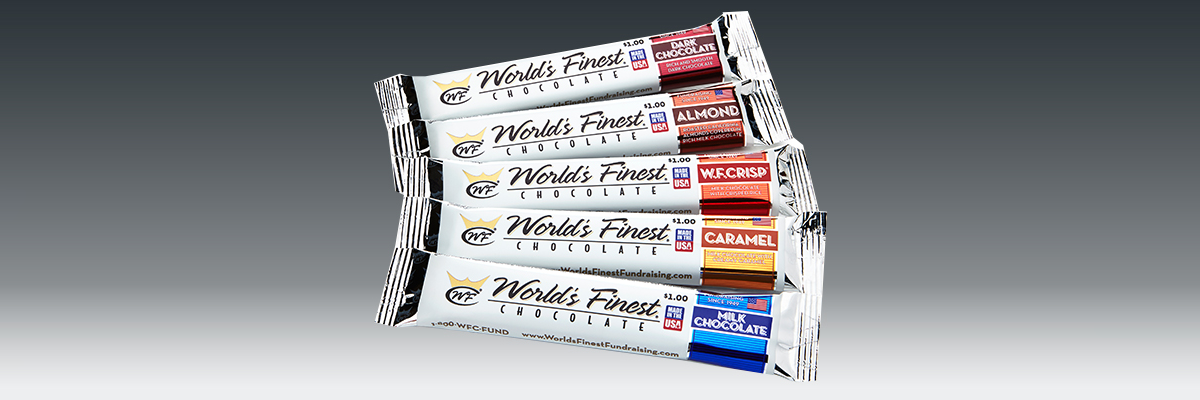
To meet these complex requirements, chocolate packaging typically uses laminated material structures. Common materials include PET, BOPP, CPP, PE, aluminum foil, metallized films, and coated paper. Each layer serves a specific purpose.
Aluminum foil and metallized films provide excellent oxygen and light barriers, making them ideal for preserving flavor and aroma. PET and BOPP offer strength, printability, and dimensional stability, while PE and CPP provide heat-sealability and flexibility.
For brands focused on sustainability, recyclable mono-material structures and paper-based laminations with barrier coatings are gaining popularity. These solutions aim to reduce environmental impact while maintaining acceptable protection levels.
Material selection depends on factors such as shelf life requirements, storage conditions, distribution channels, and brand positioning. There is no one-size-fits-all solution—successful chocolate packaging is the result of careful material engineering and design integration.
4. What will chocolate packaging trends be in 2026?
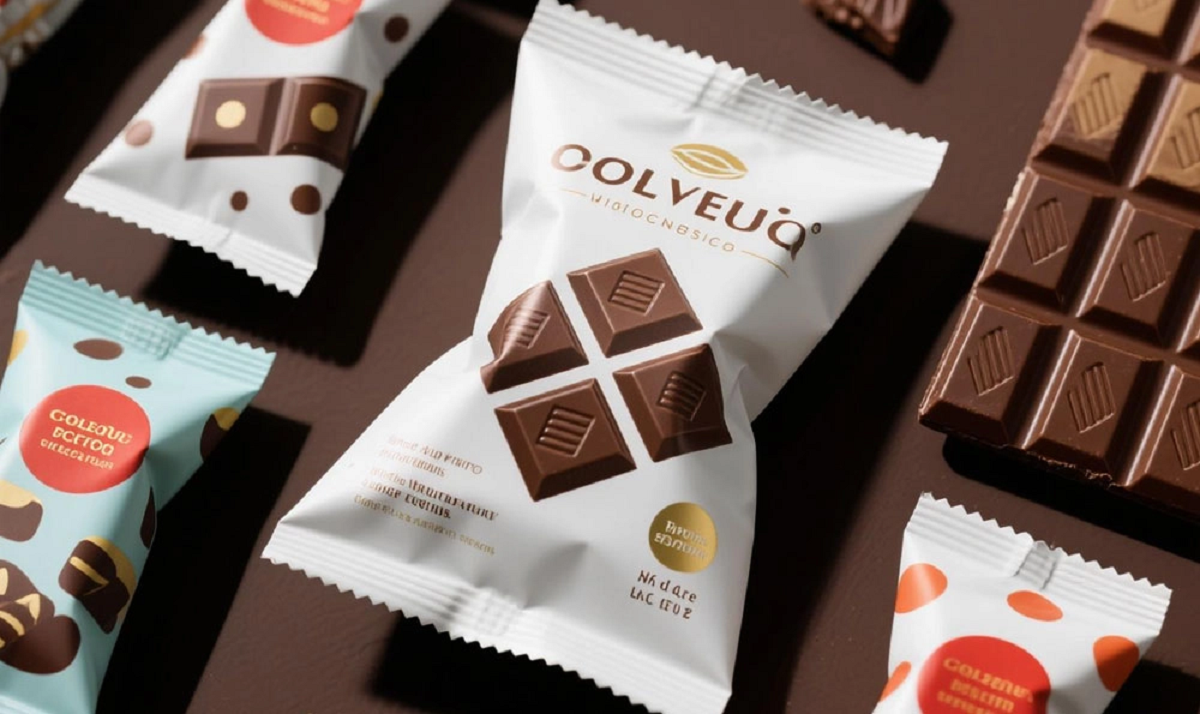
By 2026, chocolate packaging is expected to move further toward sustainability, premiumization, and smart design. Recyclable and compostable materials will become more mainstream as regulations tighten and consumer awareness increases.
Minimalist design combined with high-quality printing will dominate premium segments, while digital printing will enable shorter runs, customization, and seasonal variations. Functional innovations such as resealable wraps, portion-control packaging, and improved barrier coatings will continue to enhance user experience.
Additionally, transparency in labeling and material sourcing will become a key differentiator. Brands that clearly communicate sustainability efforts and packaging choices are likely to gain stronger consumer trust.
FAQ
Why is chocolate packaging more complex than other food packaging?
Because chocolate is highly sensitive to heat, moisture, oxygen, and light, requiring strong barrier protection.
Is aluminum foil still necessary for chocolate packaging?
It remains one of the best barrier materials, but alternatives like metallized films and coated papers are increasing.
Can chocolate packaging be recyclable?
Yes, many brands are transitioning to recyclable mono-material or paper-based solutions.
Does packaging affect chocolate taste?
Absolutely. Poor barrier performance can lead to flavor loss and oxidation.
Conclusion
Chocolate packaging in the modern era is a sophisticated balance of protection, branding, functionality, and sustainability. As consumer expectations rise and market competition intensifies, packaging has become a strategic tool rather than a simple container. By choosing the right materials, structures, and designs, chocolate brands can protect product quality, elevate brand image, and prepare for future market trends. Looking ahead to 2026, innovation in chocolate packaging will continue to shape how consumers experience and value chocolate products.