Packaging Guide: How to Choose the Right Stand-Up Pouch for Your Product
Anna_Yu
Packaging Guide: How to Choose the Right Stand-Up Pouch for Your Product
Choosing the right stand-up pouch has become one of the most important decisions for modern brands across food, cosmetics, home care, pet supplies, nutritional products, and thousands of other categories. With consumers paying more attention to convenience, sustainability, shelf appearance, and product freshness than ever before, packaging is no longer simply a protective layer—it is now a core part of brand value and customer experience. Stand-up pouches have taken center stage because of their lightweight structure, strong barrier performance, high flexibility, beautiful display effect, and very competitive cost. Whether you are launching a new product or upgrading existing packaging, selecting the right pouch type, materials, and size has a direct impact on product shelf life, transportation cost, user convenience, and perceived quality.
This guide gives you a detailed, practical, and easy-to-understand explanation of how to choose the best stand-up pouch for your product. You will learn why choosing the right pouch matters, how to select materials, what size works best, which application scenarios match different pouch structures, and what future trends will reshape this type of packaging. The goal is to help you make a confident and informed packaging choice that benefits your brand in the long run.
1. Why is it important to choose the right stand-up pouch?
Choosing the right stand-up pouch is extremely important because packaging plays a direct role in protecting the product, extending shelf life, supporting brand identity, and enhancing user experience. A pouch that is too weak can cause leakage or deformation. A pouch made with the wrong materials may fail to protect the product from moisture, oxygen, light, or odor. An incorrect pouch shape or size can lead to unnecessary costs in transportation, storage, or production.
Stand-up pouches also serve as a powerful marketing tool. Their display-friendly design allows products to stand upright on shelves, improving visibility and consumer trust. A well-chosen pouch creates a premium impression, while a poorly chosen pouch makes even a high-quality product feel cheap. The right pouch ensures the exact balance between appearance, barrier protection, cost-effectiveness, functionality, sustainability, and ease of use.
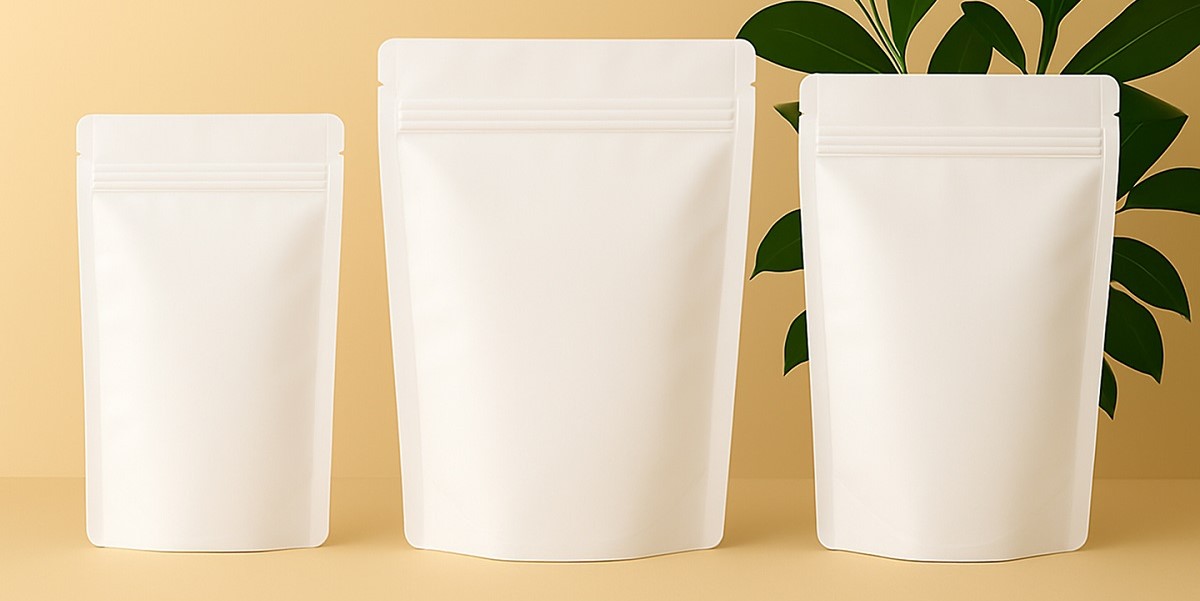
2. How to choose the right material for stand-up pouches?
Material selection depends on the product’s barrier requirements, shelf life, transportation conditions, filling process, environmental preferences, and cost control. Below are the most commonly used materials and how they work:
① PET
- Provides strong stiffness for printing.
- Good heat resistance.
- Offers outstanding clarity.
② NY / BOPA
- High puncture resistance.
- Suitable for heavy or sharp products.
- Good flexibility and strength.
③ PE (LDPE / LLDPE / MPE)
- Safe for direct food contact.
- Good sealability.
- Soft and flexible, ideal as an inner layer.
④ CPP
- High transparency.
- Good moisture resistance.
- Suitable for snacks, bakery items, and lightweight goods.
⑤ Aluminum Foil (AL)
- Excellent barrier against oxygen, moisture, and light.
- Used for coffee, nuts, spices, and high-value products.
⑥ Metallized Films (VMPET, VMCPP)
- Strong barrier yet lightweight.
- Cost-effective alternative to aluminum foil.
- Good for snacks, candy, powders, and daily chemicals.
How to choose?
| Product Type | Recommended Materials | Why |
|---|---|---|
| Snacks | PET/VMPET/PE or OPP/CPP | Freshness, aroma protection |
| Coffee | PET/AL/PE | Oxygen and UV protection |
| Liquid items | NY/PE | Strength and puncture resistance |
| Powder | PET/PE | Stiff printing layer + strong sealing |
| Frozen | NY/CPP | Cold resistance and toughness |
| Pet food | PET/VMPET/PE | Aroma barrier and strength |
Choosing the right material ensures your product stays fresh, safe, and visually appealing.
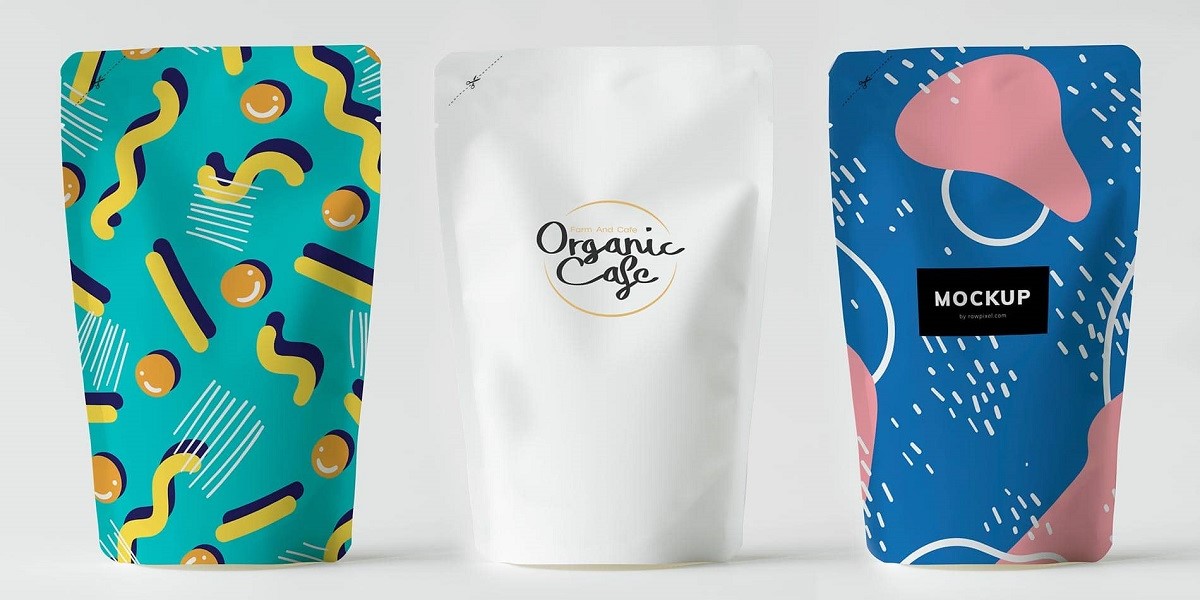
3. How to choose the right stand-up pouch size?
Choosing the correct size helps reduce waste, cut freight costs, improve shelf presentation, and ensure customer convenience. When determining size, consider:
① Product density
Different products take up different space even with the same weight.
Example:
- 500g of almonds needs a larger pouch than 500g of powder.
② Headspace requirement
Some products need extra space for:
- Gas flushing (nitrogen)
- Product expansion
- Filling equipment efficiency
③ Pouch thickness
More layers or thicker material reduces internal volume slightly.
④ Filling method
- Manual filling requires a larger opening.
- Automatic filling requires stable pouch width and sealing strength.
⑤ Market preference
Some markets prefer compact packaging; others prefer larger visual presence.
Practical formula
Volume (ml) ≈ Weight (g) ÷ Product density
Then add:
- +10–20% for free space
- +10% for sealing and shaping
If unsure, always test with mockup samples before mass production.
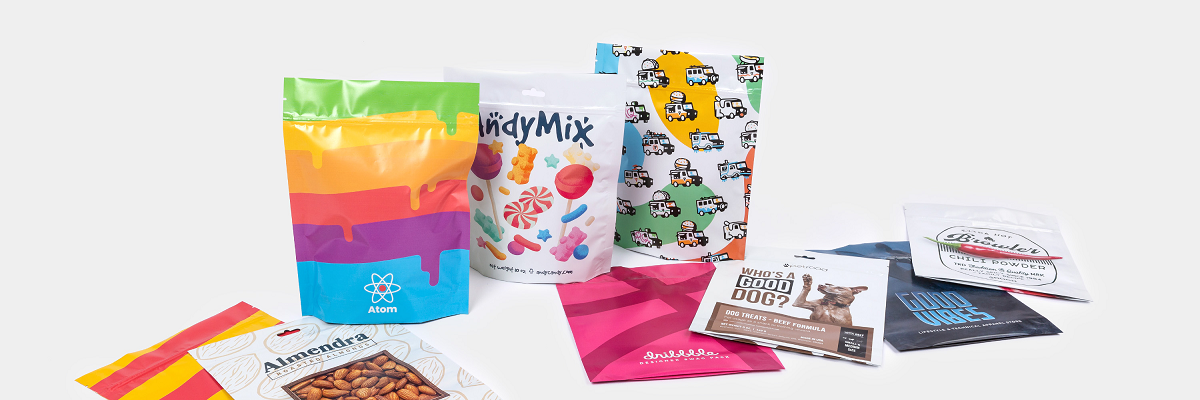
4. Application scenarios of stand-up pouches
Stand-up pouches are used across almost every industry because of their convenience, aesthetics, and adaptability. Here are the main applications:
Food and Snacks
- Dried fruit
- Nuts
- Chips and crackers
- Candy
- Granola
- Coffee beans and ground coffee
- Tea leaves
- Spices and seasonings
Liquid and Semi-Liquid Products
- Juices
- Purees
- Sauces
- Shampoo
- Detergent refills
Pet Food
- Cat treats
- Dog snacks
- Freeze-dried meat
Health & Wellness
- Supplements
- Protein powder
- Collagen
- Herbal extracts
Household Products
- Detergent pods
- Cleaning powder
- Bath salts
Cosmetic & Personal Care
- Facial masks
- Bath additives
- Samples and mini-size products
Stand-up pouches are selected because they are lightweight, easy to store, attractive on shelves, and highly customizable.
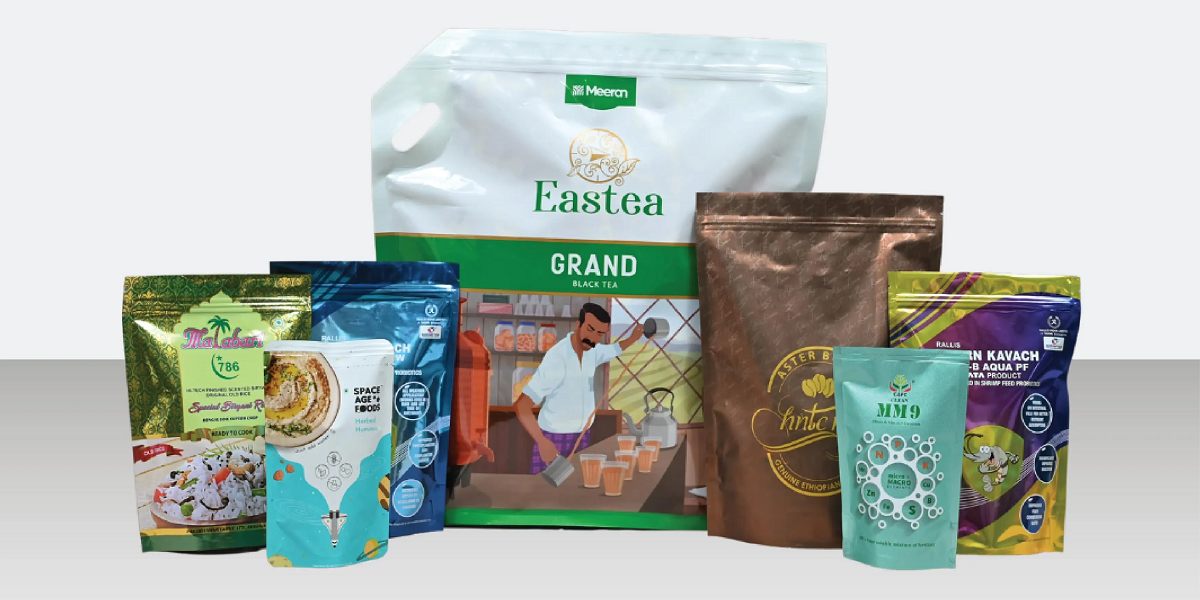
5. What are the future trends of stand-up pouches?
The stand-up pouch industry is developing rapidly because of sustainability, technology innovation, and consumer expectations. Here are the major trends shaping the future:
① Mono-material packaging
- Recyclable PE–PE or PP–PP structures
- Global brands are transitioning rapidly
- Easier recycling, lower environmental impact
② Eco-friendly materials
- Bio-based films
- Compostable materials
- Reduced film thickness without losing strength
③ Smart packaging
- QR codes for traceability
- NFC tags for interaction
- Anti-counterfeit printing
- Freshness indicators
④ High-barrier yet lightweight
- Metallized films replacing foil
- Advanced coating technology
⑤ Custom pouch shapes
- Better brand recognition
- More attractive on shelves
- Improved user experience
⑥ Digital printing
- Quick turnaround
- Low MOQ
- Ideal for new brands or frequent design changes
The future of stand-up pouches focuses on sustainability, intelligence, customization, and cost efficiency.
FAQ
1. Are stand-up pouches safe for food contact?
Yes, as long as materials meet FDA, EU, or relevant food-grade certifications.
2. How long can products stay fresh in stand-up pouches?
It depends on the chosen materials and the product type. High-barrier materials offer much longer shelf life.
3. Can stand-up pouches be used for hot filling?
Yes, but only with high-temperature-resistant materials like CPP or specialized PE structures.
4. Are stand-up pouches environmentally friendly?
Mono-material and thinner-film pouches are becoming the standard for recyclability.
5. Can I customize the shape or window?
Yes! Stand-up pouches offer windows, special shapes, matte/gloss finishes, and various zippers.
Conclusion
Choosing the right stand-up pouch for your product is essential for protecting your goods, improving user experience, enhancing visual appeal, and strengthening brand competitiveness. By understanding material selection, pouch sizing, application scenarios, and future industry trends, you can make smart decisions that support long-term product success. Stand-up pouches are a modern, versatile, and sustainable packaging solution that will continue to evolve with market needs. Whether you are a startup brand or an established manufacturer, optimizing your packaging strategy will give you a significant advantage in today’s competitive environment.