Packaging Guidelines for Ready-to-Eat Products
Anna_Yu
Packaging Guidelines for Ready-to-Eat Products
1. What Is Ready-To-Eat Packaging?
Ready-to-eat (RTE) packaging refers to packaging solutions designed specifically for foods that are fully cooked or prepared and can be consumed without further cooking or processing. These include a vast range of products such as salads, sandwiches, sushi, baked goods, frozen meals, instant noodles, retort pouches, and more. With modern lifestyles emphasizing convenience, safety, and freshness, RTE packaging plays a crucial role in ensuring that food remains hygienic, appetizing, and safe throughout its journey from manufacturer to consumer.
The concept of ready-to-eat food has evolved dramatically over the past few decades. Originally limited to canned or preserved products, the market has expanded to include high-quality, fresh, and gourmet meal options. This evolution has placed enormous demands on packaging technology to ensure that products maintain quality, taste, and nutritional value.
The Role of Packaging in the Ready-to-Eat Market
Packaging for RTE foods must perform multiple vital functions:
- Preservation of Freshness – Prevent oxidation, moisture loss, and microbial contamination.
- Food Safety – Maintain sterile conditions and prevent cross-contamination.
- Convenience – Offer ease of use for consumers, such as microwaveable containers or peel-open seals.
- Aesthetics and Branding – Communicate freshness, flavor, and trust.
- Sustainability – Use materials that align with global eco-conscious trends.
- Regulatory Compliance – Meet stringent food safety regulations (FDA, EFSA, ISO, etc.).
In an era where urban consumers increasingly rely on ready-to-eat meals for quick nutrition, packaging has become the linchpin that connects food quality, safety, and marketing appeal.
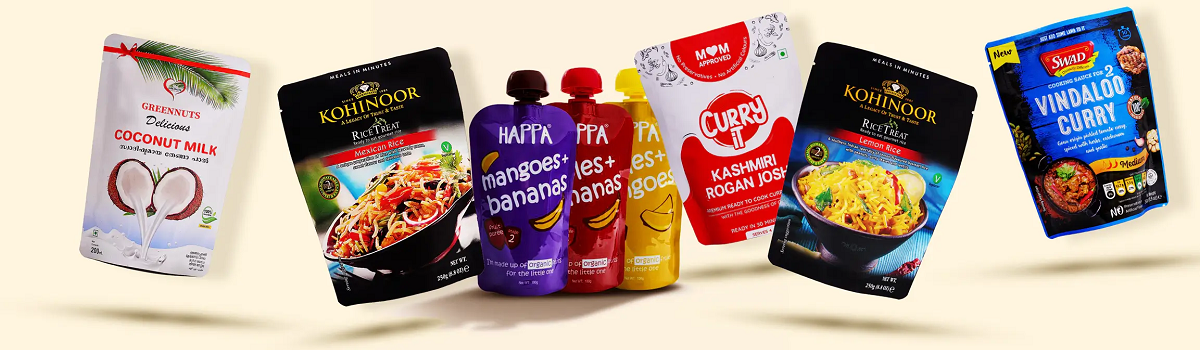
2. How Should Ready-To-Eat Food Be Stored?
Proper storage of RTE products is essential to ensure food safety and longevity. Since most RTE items are perishable, their packaging must be designed to create an environment that slows microbial growth, oxidation, and moisture migration.
Temperature Control
Temperature is the single most important factor in maintaining ready-to-eat food quality. Most RTE products are categorized into three temperature storage groups:
| Category | Temperature Range | Examples |
|---|---|---|
| Frozen | Below -18°C | Frozen meals, ready-to-cook curries, dumplings |
| Chilled | 0–5°C | Sandwiches, salads, fresh sushi |
| Ambient | Room temperature (20–25°C) | Retort-packed rice, instant noodles, baked goods |
Cold chain integrity must be maintained throughout the logistics process. Even a short temperature deviation can compromise food safety. Hence, packaging materials must complement cold storage by providing thermal stability, moisture resistance, and airtight sealing.
Moisture and Oxygen Control
Oxygen and moisture are the main causes of spoilage and rancidity in ready-to-eat foods. Effective RTE packaging incorporates barrier layers to prevent exposure to air and humidity.
- Moisture Barrier: Prevents dehydration of food or condensation inside the package.
- Oxygen Barrier: Protects against oxidation and bacterial growth.
- Light Barrier: Protects sensitive products like oils or sauces from UV degradation.
Modified Atmosphere Packaging (MAP)
MAP technology is widely used in RTE food packaging. It involves replacing the air inside the package with a controlled gas mixture, typically containing nitrogen and carbon dioxide, which helps to slow spoilage. For example:
- Fresh salads: Nitrogen + low oxygen
- Meats and fish: CO₂ + nitrogen
- Bakery items: Pure nitrogen to prevent mold growth
The shelf life of ready-to-eat products can be extended by 2–3 times through MAP compared to conventional packaging.
Hygienic Sealing and Storage
For safety, RTE packaging must feature tamper-evident seals, hermetic closures, or heat-sealed films to ensure that no external contaminants can enter after production. Materials must also comply with food contact regulations, meaning they do not leach harmful substances when in contact with food.
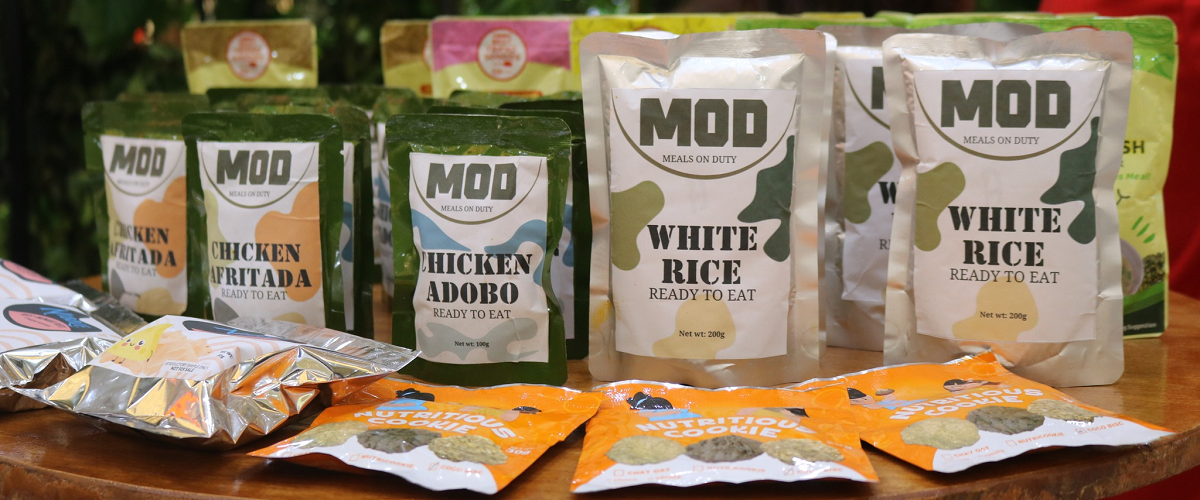
3. What Materials Are Typically Used in Ready-To-Eat Packaging?
The choice of material for RTE packaging depends on the product type, storage requirements, and heating method (if applicable). For instance, microwave-ready meals need heat-resistant films, while chilled salads require breathable films to prevent condensation.
Common Packaging Materials
| Material | Properties | Applications |
|---|---|---|
| PET (Polyethylene Terephthalate) | High strength, transparency, good oxygen barrier | Trays, lids, bottles |
| PP (Polypropylene) | Heat-resistant, microwave-safe, lightweight | Ready-meal trays, containers |
| PE (Polyethylene) | Flexible, moisture barrier, seal layer | Inner linings, film laminates |
| EVOH (Ethylene Vinyl Alcohol) | Excellent oxygen barrier | Middle layer in laminates |
| Aluminum Foil | Complete barrier to oxygen, moisture, and light | Retort pouches, lids |
| Paperboard | Printable, recyclable, often coated for protection | Outer boxes, sleeves |
| PLA (Polylactic Acid) | Compostable bioplastic, transparent | Eco-friendly salad containers |
| BOPP (Biaxially Oriented Polypropylene) | Clarity, strength, moisture resistance | Flow wraps, snack packs |
Multi-Layer Laminates
To achieve a balance of protection and functionality, most RTE packaging uses multi-layer laminates that combine several materials. For example:
- PET / AL / PE – for retort pouches that need high-temperature resistance.
- BOPP / CPP – for snacks and dry meals.
- PET / EVOH / PE – for chilled products with extended shelf life.
Each layer serves a specific purpose:
- Outer layer: Printability, strength.
- Middle layer: Oxygen/light barrier.
- Inner layer: Heat sealing, food contact safety.
Eco-Friendly Alternatives
With growing concern over plastic pollution, the food industry is turning toward sustainable packaging materials such as:
- Bio-based plastics (PLA, PHA) derived from renewable sources.
- Coated paper packaging using water-based or plant-based barriers.
- Mono-material pouches (100% PE or PP) for recyclability.
- Compostable films certified under EN 13432 or ASTM D6400.
Brands that adopt eco-conscious RTE packaging not only reduce their environmental footprint but also strengthen consumer trust and brand reputation.
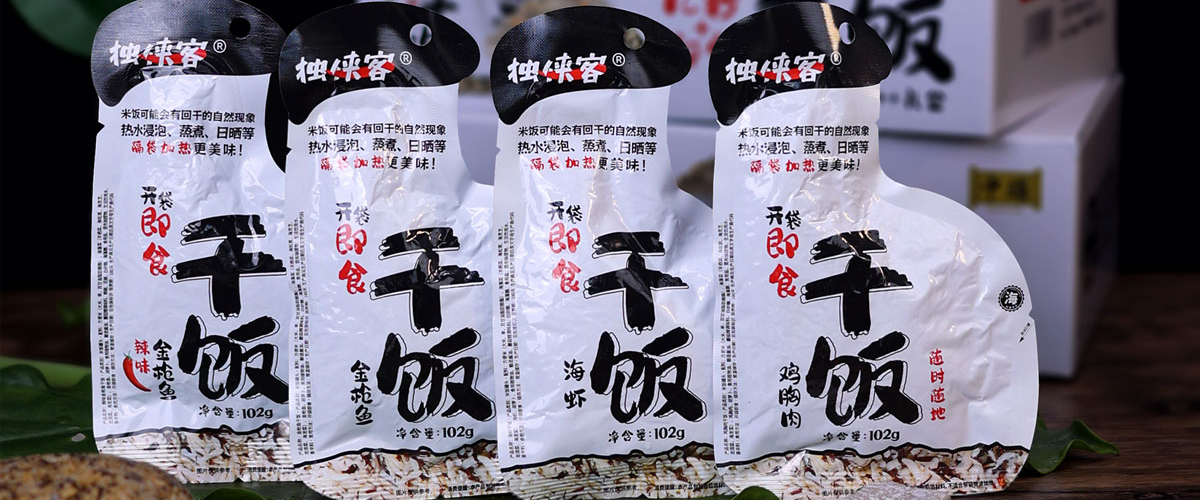
4. The Importance of Ready-to-Eat Packaging
Packaging is not merely a protective shell—it is a strategic tool that influences shelf life, consumer perception, and brand value. In the competitive ready-to-eat sector, packaging determines whether a product succeeds in attracting attention and maintaining quality.
1. Ensuring Food Safety
Foodborne illnesses are a major concern in RTE products. Packaging must prevent bacterial contamination through airtight sealing, sterilization, and tamper-proof mechanisms. For high-risk foods, retort sterilization (heating sealed packages at high pressure) ensures microbial safety without preservatives.
2. Extending Shelf Life
By blocking oxygen, moisture, and microorganisms, advanced packaging technologies such as vacuum sealing, MAP, and EVOH laminates can significantly extend the freshness of ready-to-eat meals. For example:
- Chilled sandwiches: Shelf life extended from 2 days to 7 days.
- Retort-packed curries: Shelf life up to 12 months without refrigeration.
3. Enhancing Consumer Convenience
Today’s consumers seek quick, easy, and mess-free meal options. Packaging innovations include:
- Microwave-safe trays for direct heating.
- Peel-off lids for easy opening.
- Portion-controlled compartments for meal kits.
- On-the-go designs that suit busy lifestyles.
Convenience drives purchase decisions—research shows that 67% of RTE consumers prefer microwaveable packaging and 52% look for resealable features.
4. Supporting Brand Identity and Marketing
Packaging design is the first physical touchpoint between brand and consumer. It conveys freshness, flavor, and value through color, typography, imagery, and material feel.
- Transparent windows highlight product freshness.
- Matte finishes evoke premium quality.
- Bright color palettes attract impulse buyers.
In addition, packaging now serves as a storytelling tool. QR codes, eco-labels, and product origins printed on packaging can deepen brand-consumer relationships.
5. Meeting Regulatory and Sustainability Standards
Regulations surrounding food packaging are increasingly strict. Manufacturers must comply with:
- FDA 21 CFR (U.S. food contact materials)
- EU Regulation No. 10/2011 for plastic food packaging
- ISO 22000 food safety management standards
Sustainability goals (such as the EU Green Deal and global Extended Producer Responsibility frameworks) also require brands to transition to recyclable or compostable materials.
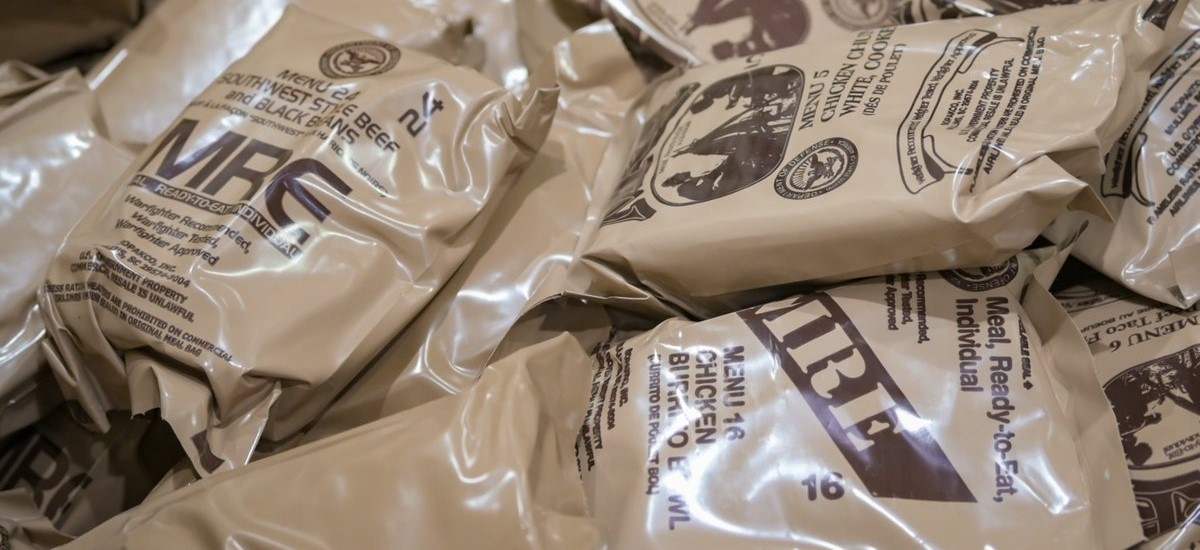
5. What Is the Future Outlook for Ready-to-Eat Packaging?
As the RTE market continues to expand—driven by urbanization, remote work, and growing demand for convenience—the future of packaging lies in innovation, intelligence, and sustainability.
1. Smart and Connected Packaging
The next generation of RTE packaging will incorporate digital tracking and smart labeling to enhance transparency and consumer trust. Examples include:
- QR codes that display sourcing and nutritional data.
- Temperature sensors that change color if the product leaves the safe temperature range.
- Blockchain-based tracking for supply chain verification.
Smart packaging not only improves safety but also aligns with the digital lifestyle of modern consumers.
2. Growth of Sustainable Packaging Solutions
Environmental awareness will push brands to develop eco-efficient packaging systems that reduce waste without compromising safety.
- Recyclable mono-material films will replace multi-layer laminates.
- Plant-based inks and water-based adhesives will dominate printing.
- Lightweighting (reducing material thickness) will cut transport emissions.
Market forecasts indicate that by 2030, 45% of all RTE packaging will use recyclable or bio-based materials.
3. Advanced Preservation Technologies
Emerging technologies such as active packaging (oxygen scavengers, moisture absorbers) and antimicrobial coatings will become mainstream. These innovations extend shelf life naturally, reducing food waste.
Another promising area is edible packaging made from starch or seaweed derivatives—ideal for specific RTE snack categories.
4. Customization and Premiumization
As consumers seek personalized, healthy meal options, packaging will evolve to support smaller batch runs, variety packs, and limited-edition designs. Digital printing enables rapid customization without expensive setup costs, allowing brands to target niche audiences efficiently.
5. Integration with E-Commerce
The RTE sector is experiencing explosive growth online. Packaging must therefore adapt to shipping durability, temperature control during delivery, and unboxing aesthetics. Flexible pouches with impact-resistant seals and compact shapes will dominate online-ready designs.
6. Regulatory and Safety Evolution
Governments worldwide are introducing stricter packaging regulations to limit single-use plastics and ensure traceability. Future RTE packaging must comply with emerging standards for biodegradability, labeling accuracy, and recycling compatibility.
7. Consumer-Centric Innovation
Health-conscious consumers are redefining the RTE category. Packaging that emphasizes transparency (literally and figuratively)—clear windows, minimal text, natural tones—will continue to thrive. Visual simplicity combined with honest communication will build trust and loyalty.
Conclusion
Ready-to-eat packaging stands at the intersection of technology, safety, and lifestyle innovation. As the demand for convenience grows, so too will the expectations for smarter, safer, and greener packaging.
Future-ready brands will need to:
- Embrace eco-friendly and recyclable materials.
- Implement smart packaging technologies for traceability.
- Prioritize design, convenience, and sustainability equally.
Ultimately, the packaging of RTE foods is not just about protecting meals—it’s about preserving trust, health, and modern convenience in every bite. In this era of on-demand dining, the right packaging is the true hero behind every ready-to-eat success story.