Pet Food Packaging Design: Points to Consider Besides Aesthetics
Anna_Yu
Pet Food Packaging Design: Points to Consider Besides Aesthetics
The global pet food industry has grown significantly in recent years as pet ownership increases and consumers become more attentive to the health and well-being of their animals. Modern pet owners increasingly view pets as members of the family, which has led to rising demand for high-quality pet food products. Along with this shift, packaging design for pet food has evolved from simple containers into sophisticated solutions that combine visual appeal, product protection, and consumer convenience.
While aesthetics remain an important factor in attracting attention on retail shelves, effective pet food packaging must go far beyond visual design. Packaging plays a critical role in preserving product freshness, protecting nutritional quality, ensuring safety, and providing practical usability for pet owners. Unlike many human food products, pet food often contains high levels of proteins, fats, and natural ingredients that can degrade quickly if exposed to oxygen, moisture, or light. Therefore, packaging materials and structures must deliver strong barrier protection to maintain product stability throughout storage and transportation.
Flexible packaging has become increasingly popular in the pet food sector because it offers excellent barrier performance, lightweight efficiency, and versatile design capabilities. From stand-up pouches for treats to large-format bags for dry kibble, flexible packaging supports both branding objectives and functional requirements. This article explores why functionality is just as important as aesthetics in pet food packaging design, how barrier properties preserve product quality, which convenience features benefit pet owners, and the most suitable materials for different types of pet food products.
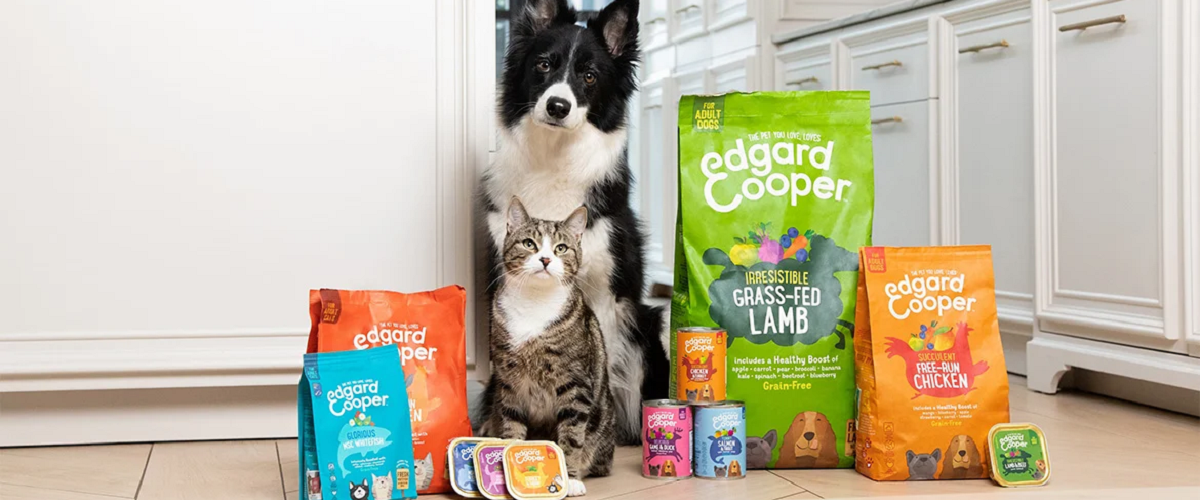
1. Why Is Functionality Just as Important as Aesthetics in Pet Food Packaging Design?
Attractive packaging may attract attention, but functional performance determines product success.
Protecting Product Integrity
Pet food often contains ingredients such as:
- Animal proteins
- Fish oils
- Vitamins and minerals
- Natural preservatives
These ingredients are sensitive to environmental factors. Without proper packaging protection, nutritional quality and flavor can deteriorate quickly.
Supporting Product Shelf Life
Packaging helps maintain product stability during:
- Long-distance transportation
- Warehouse storage
- Retail shelf display
High-performance packaging ensures that pet food remains safe and nutritious throughout its intended shelf life.
Meeting Consumer Expectations
Pet owners expect packaging that is not only visually appealing but also:
- Easy to open
- Resealable for freshness
- Durable during handling
Functional design enhances overall customer satisfaction.
Reducing Product Waste
Well-designed packaging prevents contamination, spoilage, and spillage, which helps reduce product waste and improves consumer confidence.
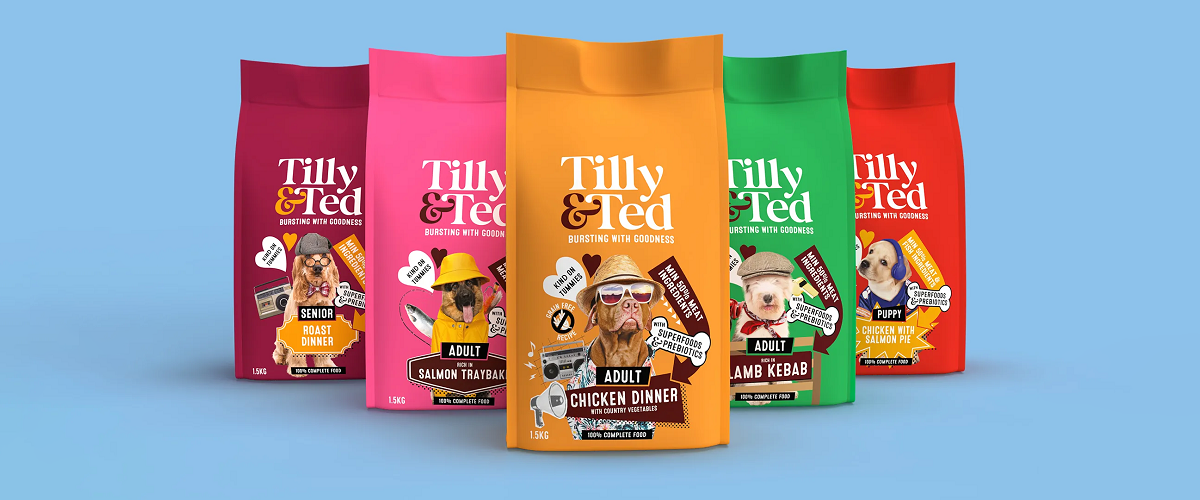
2. How Do Barrier Properties Protect Pet Food Freshness and Nutritional Quality?
Barrier protection is essential for maintaining the quality of pet food products.
Oxygen Barrier Protection
Oxygen exposure can lead to:
- Oxidation of fats and oils
- Loss of flavor
- Nutrient degradation
Barrier materials help reduce oxygen transmission, preserving both taste and nutritional value.
Moisture Control
Pet food products—especially dry kibble and treats—require low moisture environments. Excess humidity can cause:
- Mold growth
- Texture changes
- Reduced shelf stability
Low moisture vapor transmission rates (MVTR) help maintain the desired product texture.
Light Protection
Certain vitamins and nutrients are sensitive to light exposure. Metallized films or aluminum-based laminates can block light and prevent degradation.
Aroma Retention
Pet food often contains strong aromas that attract animals. Effective packaging prevents aroma loss while also minimizing odor leakage during storage.
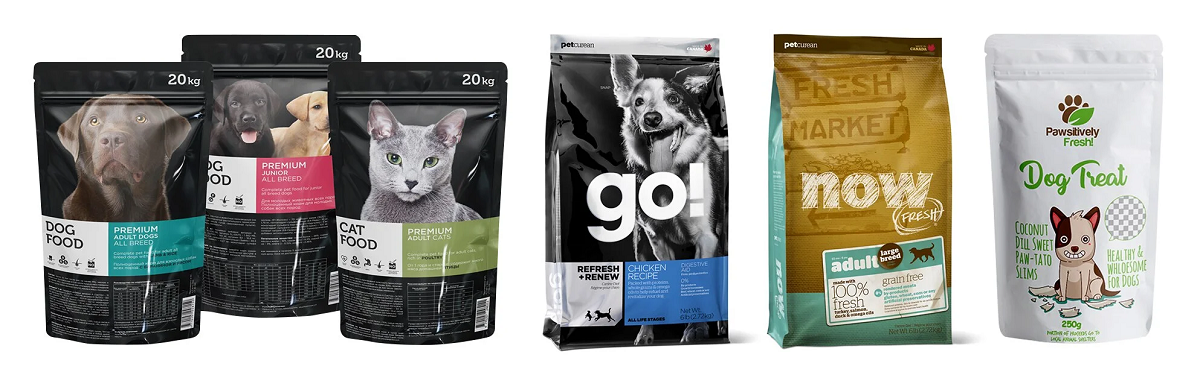
3. What Packaging Features Improve Convenience and Product Safety for Pet Owners?
Beyond protection, packaging must also improve the daily experience for pet owners.
Resealable Closures
Large bags of pet food benefit from features such as:
- Zipper closures
- Hook-and-loop seals
- Press-to-close mechanisms
These help maintain freshness after opening.
Easy-Open Designs
Tear notches and user-friendly openings make packaging more convenient, especially for consumers handling large bags.
Durable Structures
Pet food bags must withstand:
- Transportation stress
- Repeated handling
- Storage in homes or garages
Strong materials reduce the risk of tearing or leakage.
Portion Control Options
Smaller pouches or single-serve packages allow easier feeding management and improve freshness.
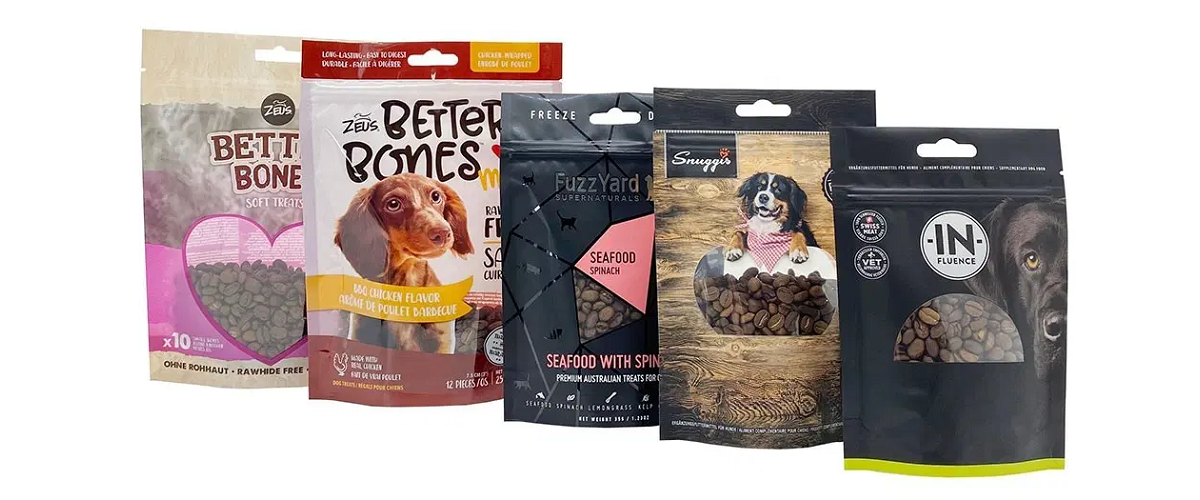
4. Which Flexible Packaging Materials Are Best for Different Types of Pet Food?
Different pet food products require different packaging materials.
Dry Pet Food (Kibble)
Common structures include:
- PET / VMPET / PE
- BOPP / VMPET / PE
These laminates provide strong oxygen and moisture barriers while maintaining durability.
Pet Treats and Snacks
Treats often require packaging that balances protection with visual appeal. Suitable materials include:
- PET / PE laminates
- BOPP / CPP films
These structures offer good printability and moderate barrier properties.
Wet Pet Food and Pouches
Wet food requires stronger barrier protection and heat resistance. Typical materials include:
- PET / AL / CPP
- Retort pouch laminates
These structures support sterilization and extended shelf life.
Premium or Natural Pet Foods
Kraft paper laminates or recyclable flexible materials may be used to reinforce eco-friendly brand positioning.
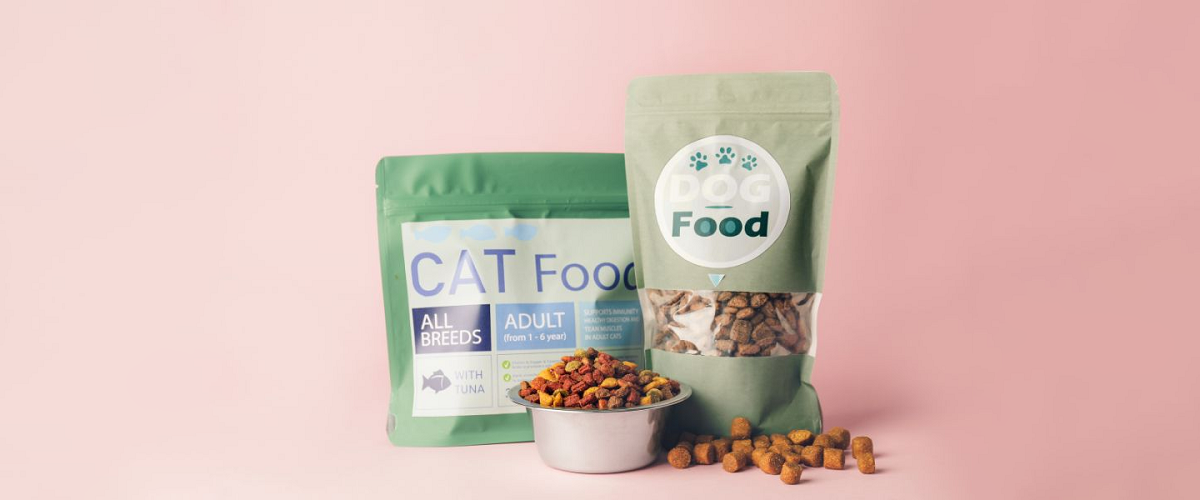
5. Pet Food Packaging Design: Key Factors for Performance, Compliance, and Branding
Successful pet food packaging integrates functionality with strong brand communication.
Regulatory Compliance
Pet food packaging must comply with regulations regarding:
- Ingredient labeling
- Nutritional information
- Safety warnings
Clear labeling builds consumer trust and ensures legal compliance.
Brand Storytelling
Many pet food brands highlight values such as:
- Natural ingredients
- Veterinary nutrition science
- Sustainable sourcing
Packaging design provides space to communicate these messages.
Shelf Differentiation
Pet food shelves are highly competitive. Effective packaging should combine:
- Distinctive graphics
- Clear product information
- Strong brand identity
Sustainability Considerations
Consumers increasingly expect environmentally responsible packaging. Options include:
- Recyclable flexible materials
- Reduced packaging weight
- Sustainable printing technologies
FAQ
Why is barrier protection important for pet food packaging?
Barrier materials protect pet food from oxygen, moisture, and light, helping maintain freshness and nutritional quality.
What packaging features are most useful for pet owners?
Resealable closures, easy-open designs, and durable materials improve convenience and usability.
Is flexible packaging suitable for large pet food bags?
Yes. Flexible packaging provides strong barrier protection while reducing material weight and transportation costs.
Can pet food packaging support sustainable branding?
Yes. Recyclable materials and lightweight structures help brands align with environmental expectations.
Conclusion
Pet food packaging design requires careful consideration of factors beyond aesthetics. While attractive graphics and branding are essential for capturing consumer attention, functionality plays an equally important role in ensuring product quality, safety, and convenience. Strong barrier properties protect sensitive ingredients from environmental damage, while practical packaging features enhance usability for pet owners. Flexible packaging materials provide an ideal balance of protection, lightweight efficiency, and design versatility. By integrating performance, compliance, and branding strategies, pet food manufacturers can create packaging solutions that not only appeal to consumers but also support long-term product success and brand growth.