Precautions for Dumpling Packaging
Anna_Yu
Precautions for Dumpling Packaging
Dumplings are a staple food in many cultures and are widely distributed in frozen, chilled, or fresh forms. Whether they are meat-filled, vegetable-based, or premium specialty dumplings, maintaining their freshness, texture, and safety is critical throughout storage and distribution. Unlike dry foods, dumplings contain moisture-rich fillings and delicate wrappers, making them highly sensitive to freezing conditions, temperature fluctuations, and contamination.
Improper packaging can lead to a variety of issues, including freezer burn, dehydration of the wrapper, cracking, sticking, and even microbial contamination. These problems not only affect product quality but can also result in significant economic losses and damage to brand reputation. Therefore, selecting the right flexible packaging solution is essential for ensuring dumplings remain intact, safe, and appealing from production to consumption.
Flexible packaging has become a preferred choice for dumpling products due to its ability to provide strong barrier protection, durability, and cost efficiency. It supports various packaging formats and material combinations that can be tailored to the specific requirements of frozen food products. This article explores the best packaging types for dumplings, how packaging protects them under freezing conditions, suitable materials, and key features that prevent common issues such as leakage and freezer burn.
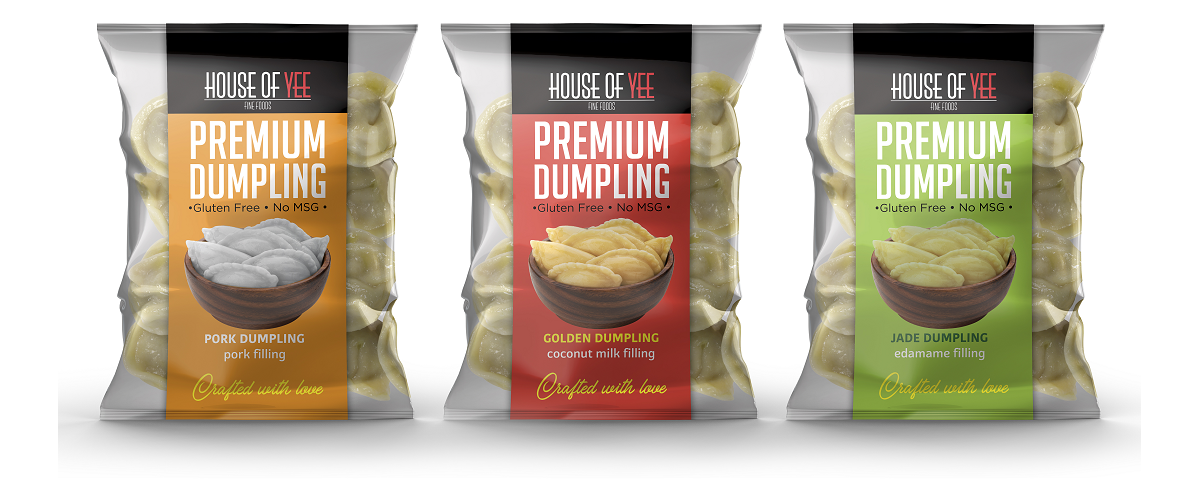
1. What Types of Flexible Packaging Are Best for Dumpling Products?
Choosing the right packaging format depends on product type and distribution needs.
Pillow Pouches
Pillow pouches are commonly used for:
- Standard frozen dumplings
- Bulk packaging
They are cost-effective and suitable for high-speed production.
Stand-Up Pouches
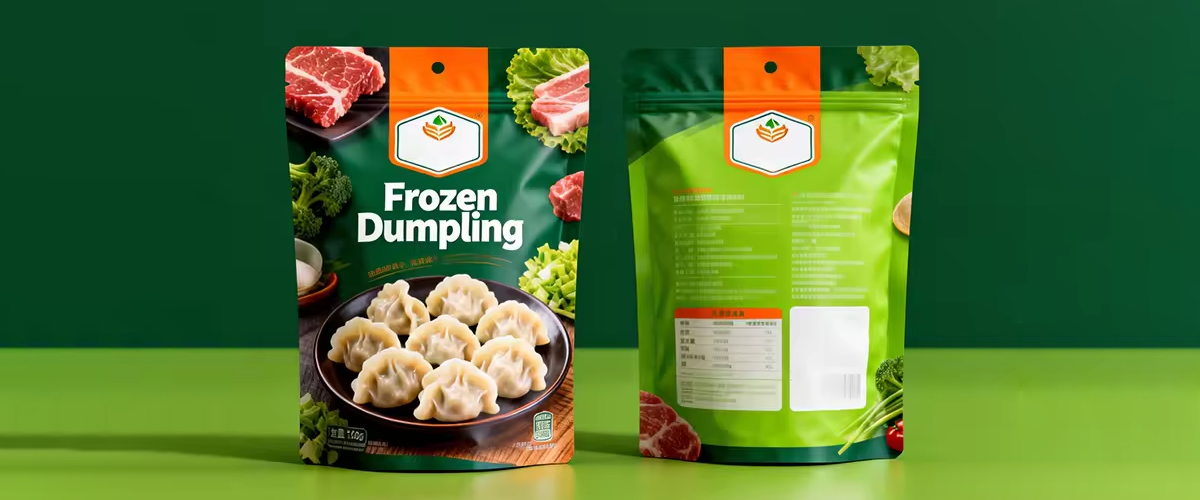
Stand-up pouches are ideal for retail packaging due to their:
- Strong shelf presence
- Larger branding space
- Resealable options
Vacuum Packaging Bags
Vacuum bags are used to:
- Remove air from the package
- Reduce oxidation
- Extend shelf life
They are particularly suitable for premium or export products.
Zipper Bags
Resealable zipper bags provide convenience for consumers who use dumplings in multiple servings.
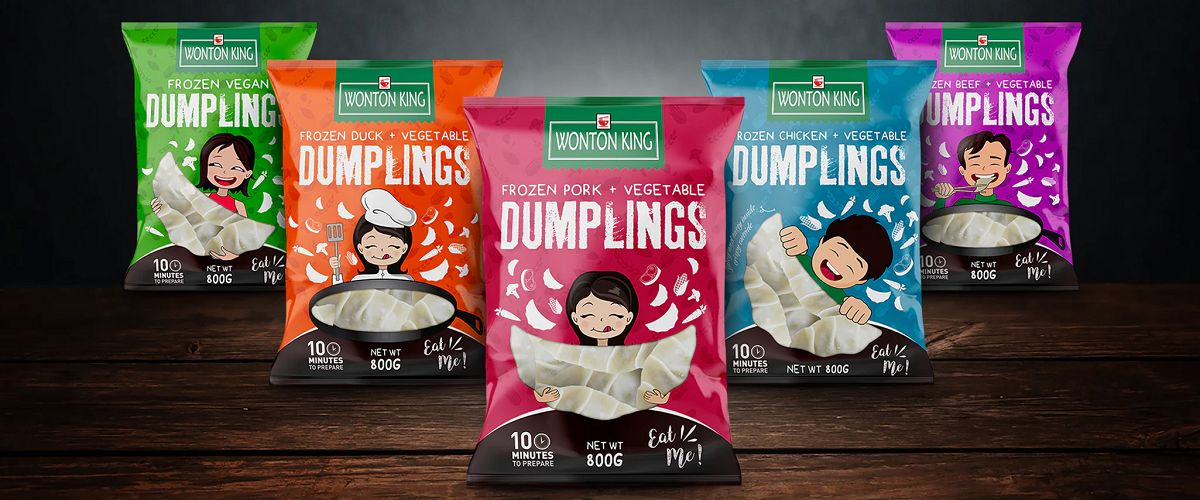
2. How Does Packaging Protect Dumplings During Freezing and Storage?
Dumplings require careful protection under low-temperature conditions.
Prevention of Freezer Burn
Packaging with strong barrier properties reduces moisture loss and prevents freezer burn.
Maintaining Shape and Structure
Durable packaging helps prevent deformation and breakage during handling and transportation.
Moisture Retention
Proper packaging maintains the right moisture balance to prevent wrappers from drying out or cracking.
Protection from Contamination
Sealed packaging prevents exposure to:
- Dust
- Microorganisms
- External contaminants
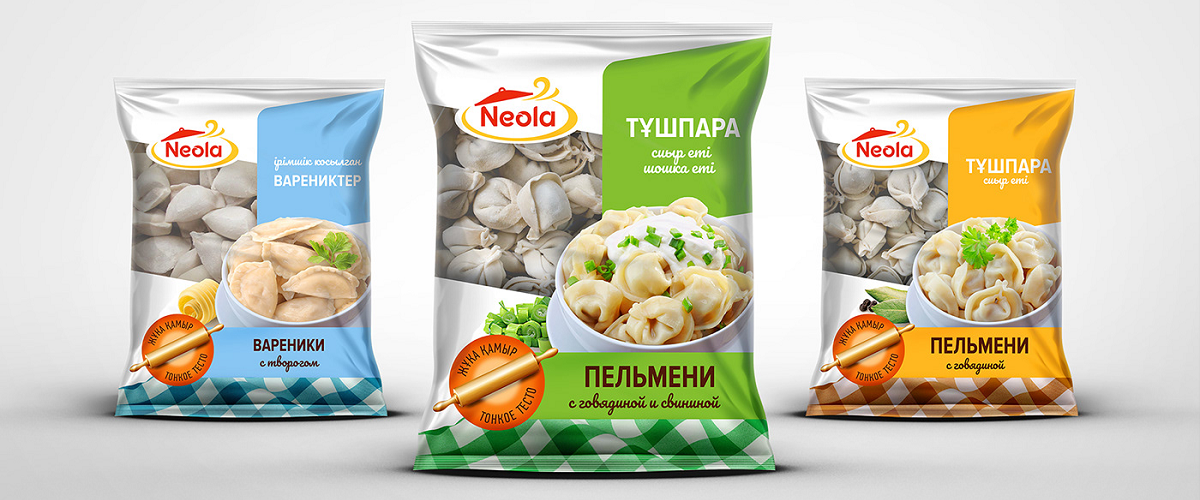
3. Which Materials Are Suitable for Frozen Dumpling Packaging?
Material selection plays a key role in performance.
PE (Polyethylene)
- Excellent flexibility at low temperatures
- Good sealing properties
- Common inner layer
PET (Polyethylene Terephthalate)
- Strong and durable
- Suitable for outer layers
- Good printability
NY (Nylon)
- High puncture resistance
- Ideal for vacuum packaging
- Maintains integrity during freezing
BOPP (Biaxially Oriented Polypropylene)
- Cost-effective
- Good moisture resistance
- Suitable for standard applications
Metallized Films
- Enhanced barrier protection
- Suitable for longer shelf life
Typical Laminated Structures
| Structure | Features | Applications |
|---|---|---|
| BOPP/PE | Cost-effective | Standard frozen dumplings |
| PET/PE | Strong and reliable | Retail packaging |
| PET/NY/PE | Puncture-resistant | Vacuum or heavy products |
| PET/MPET/PE | Enhanced barrier | Export and long shelf life |
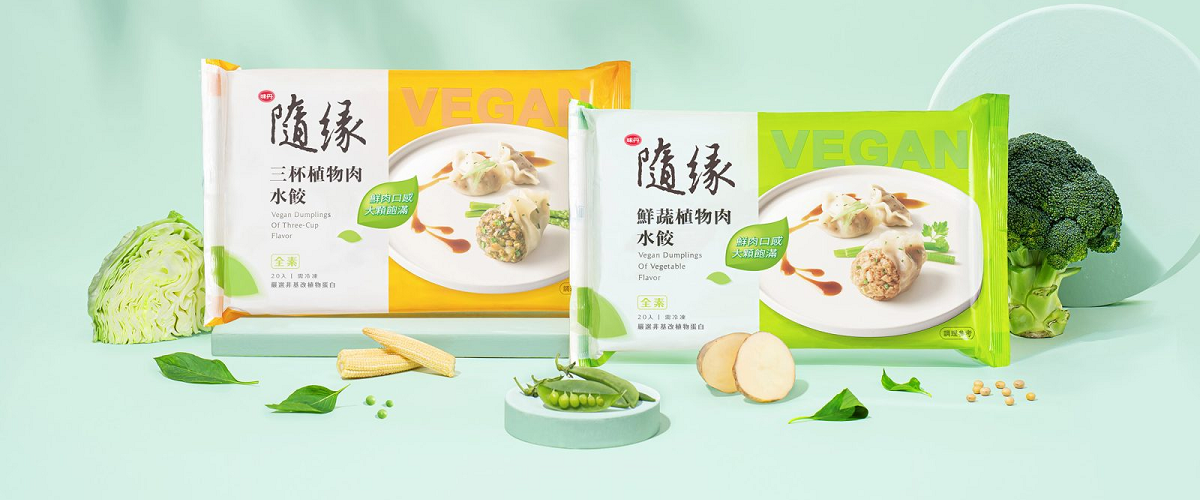
4. What Packaging Features Help Prevent Leakage, Freezer Burn, and Contamination?
Functional features are critical for maintaining product quality.
Strong Heat Sealing
Reliable seals prevent leakage and protect against contamination.
High Barrier Layers
Effective barriers reduce:
- Moisture loss
- Oxygen exposure
Helping prevent freezer burn.
Cold-Resistant Materials
Materials must remain flexible and durable at freezing temperatures.
Anti-Stick Inner Surfaces
Special coatings or materials help prevent dumplings from sticking to the packaging.
Resealable Closures
Zippers allow consumers to open and close the package multiple times without compromising freshness.
5. Dumpling Flexible Packaging: Key Precautions for Storage, Transportation, and Export
Proper handling and packaging strategies are essential for maintaining quality.
Temperature Control
Maintaining a consistent cold chain is critical to prevent thawing and refreezing.
Packaging Strength
Packaging must withstand:
- Compression during stacking
- Handling during transportation
Moisture Management
Proper barrier properties help maintain optimal moisture levels inside the package.
Export Considerations
For international shipping, packaging should provide:
- Extended shelf life
- Resistance to environmental changes
- Compliance with regulatory standards
Branding and Labeling
Clear labeling and attractive design enhance product appeal and provide important information to consumers.
FAQ
Why is flexible packaging suitable for dumplings?
It provides strong barrier protection, flexibility at low temperatures, and cost efficiency for frozen food products.
What causes freezer burn in dumplings?
Freezer burn is caused by moisture loss and air exposure, which can be minimized with high-barrier packaging.
Which materials are best for frozen dumpling packaging?
Common materials include PE, PET, nylon (NY), BOPP, and metallized films.
Can dumpling packaging be resealable?
Yes. Zipper closures are commonly used to allow multiple uses while maintaining freshness.
Conclusion
Proper packaging is essential for maintaining the quality, safety, and appearance of dumpling products throughout their lifecycle. Flexible packaging offers an ideal solution by combining durability, strong barrier protection, and adaptability to freezing conditions. By selecting appropriate materials, incorporating key features such as airtight sealing and moisture barriers, and following best practices for storage and transportation, manufacturers can effectively prevent issues such as freezer burn, leakage, and contamination. As the demand for frozen foods continues to grow globally, well-designed flexible packaging will remain a critical factor in ensuring product success and customer satisfaction.