Reasons for Using Flexible Packaging for Snacks
Anna_Yu
Reasons for Using Flexible Packaging for Snacks
The global snack food market has grown rapidly in recent years as consumers increasingly seek convenient, portable, and flavorful food options. From chips and nuts to cookies, crackers, and dried fruits, snack products are now an essential part of daily consumption across many regions. As demand continues to expand, packaging has become a critical factor in ensuring snack quality, shelf life, and brand competitiveness. Among the various packaging formats available, flexible packaging has emerged as one of the most widely used and effective solutions for snack products.
Flexible packaging offers numerous advantages that make it particularly suitable for the snack industry. Its lightweight structure reduces transportation costs, while its strong barrier properties help protect products from moisture, oxygen, and light exposure. These protective characteristics are especially important for maintaining the crisp texture and fresh flavor that consumers expect from snack foods. At the same time, flexible packaging provides exceptional design versatility, enabling brands to create visually appealing packaging that stands out in crowded retail environments.
In addition to product protection and branding opportunities, flexible packaging also enhances consumer convenience. Resealable closures, easy-tear openings, and portable packaging formats make snack products easier to store and consume on the go. These features align with modern lifestyles where portability and convenience are increasingly valued. This article explores the main reasons why flexible packaging is ideal for snack products, how it preserves freshness and crunchiness, the most suitable materials for snack packaging, and how it improves consumer experience while supporting efficient distribution.
1. Why Is Flexible Packaging Ideal for Snack Products?
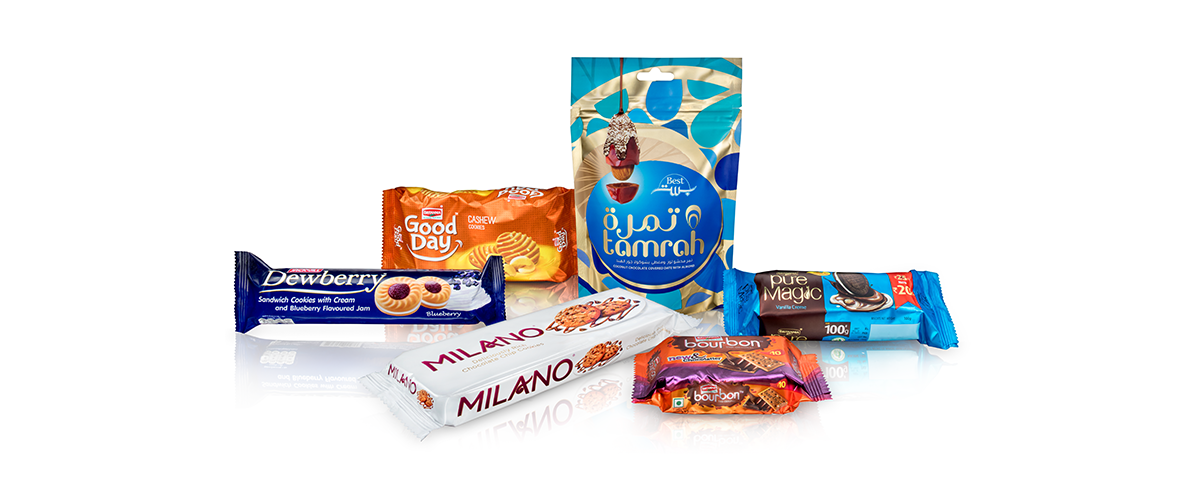
Flexible packaging has become the preferred packaging format for many snack brands due to its efficiency and versatility.
Lightweight and Cost-Effective
Flexible packaging uses significantly less material compared with rigid packaging formats such as glass jars or plastic containers. This results in:
- Lower packaging material costs
- Reduced shipping weight
- Improved logistics efficiency
For high-volume snack production, these cost advantages are particularly significant.
Versatile Packaging Formats
Flexible packaging supports a variety of formats that are well suited for snack foods, including:
- Stand-up pouches
- Pillow bags
- Flat pouches
- Gusseted bags
These formats allow manufacturers to package different snack sizes and quantities effectively.
Strong Shelf Presence
High-quality printing technology enables vibrant colors, detailed graphics, and creative packaging designs. Eye-catching packaging helps snack brands stand out in competitive retail environments.
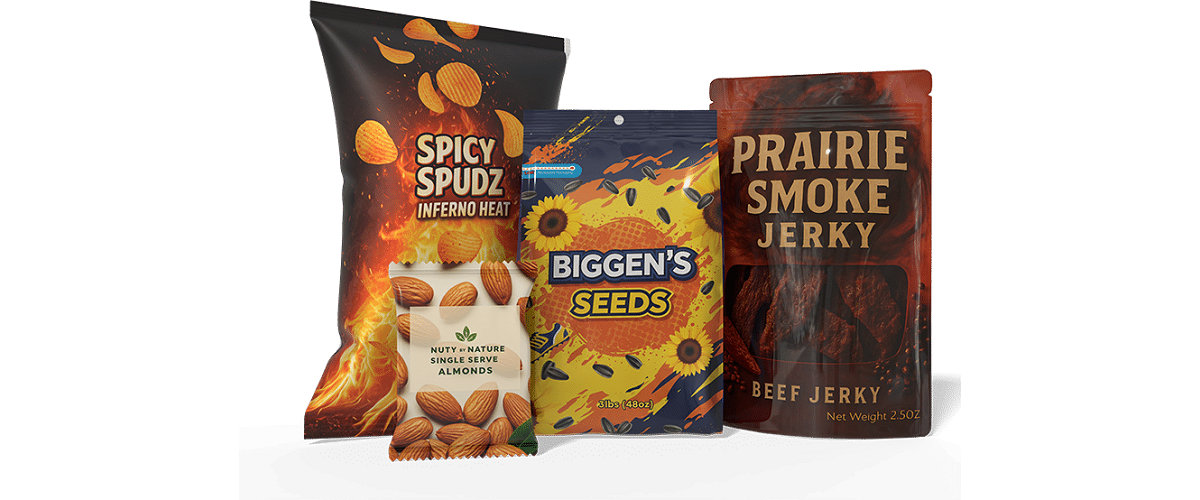
2. How Does Flexible Packaging Help Preserve Snack Freshness and Crunchiness?
Maintaining freshness and texture is essential for snack product quality.
Moisture Barrier Protection
Many snacks such as chips and crackers rely on low moisture environments to maintain their crisp texture. Flexible packaging materials provide strong moisture barriers that prevent humidity from entering the package.
Oxygen Protection
Exposure to oxygen can cause oxidation of oils and fats commonly found in snack foods. This can lead to:
- Loss of flavor
- Rancidity
- Reduced shelf life
Barrier films help reduce oxygen transmission and preserve product quality.
Light Protection
Some snack products are sensitive to light exposure, which can degrade flavors and ingredients. Metallized films or aluminum laminates help block light and maintain product stability.
Controlled Atmosphere Packaging
Some snack manufacturers use nitrogen flushing to replace oxygen inside the package. Flexible packaging structures effectively maintain this protective atmosphere.
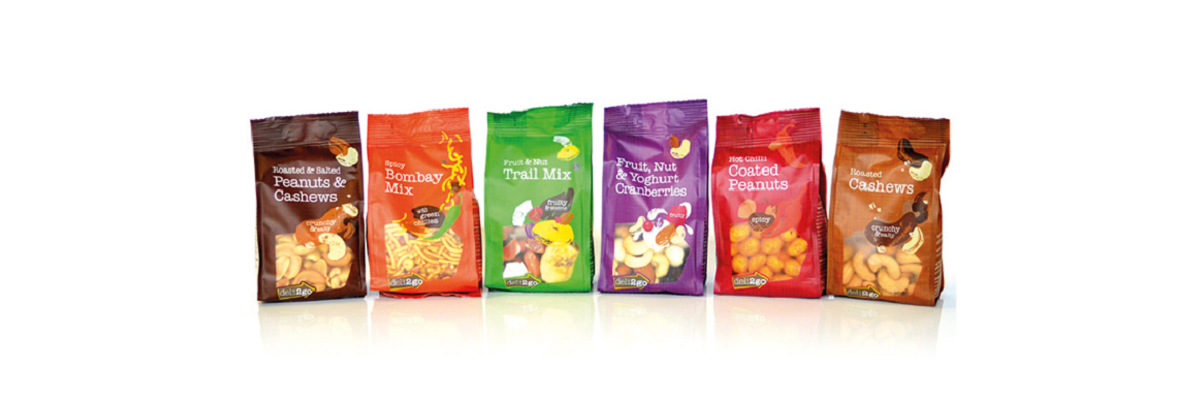
3. Which Flexible Packaging Materials Are Most Suitable for Snack Foods?
Several materials are commonly used in snack packaging to provide the necessary barrier performance and durability.
BOPP Films
Biaxially Oriented Polypropylene (BOPP) films are widely used for snack packaging because they offer:
- Excellent clarity and printability
- Good moisture barrier properties
- Cost efficiency
Metallized Films
Metallized films such as VMPET provide improved barrier protection against oxygen and light. These materials are often used for products like potato chips and flavored snacks.
Multi-Layer Laminates
Common structures include:
- BOPP / VMPET / PE
- PET / VMPET / PE
These laminates combine strength, barrier performance, and heat-sealing capability.
Sustainable Materials
Many snack brands are exploring recyclable flexible materials or mono-material packaging to reduce environmental impact.
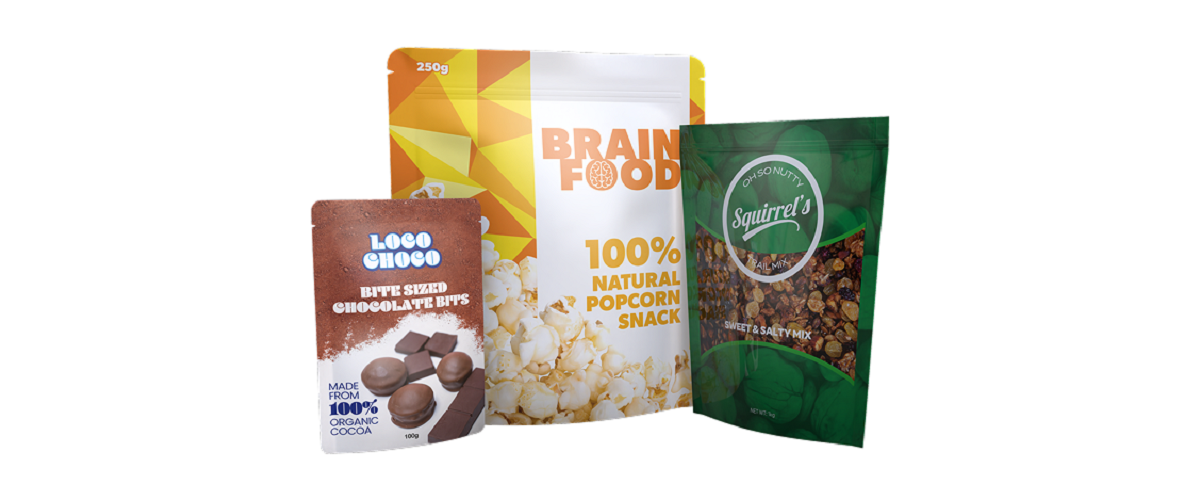
4. How Can Flexible Packaging Improve Convenience and Consumer Experience?
Consumer convenience is an important factor in snack packaging design.
Easy-Open Features
Tear notches and easy-open seals allow consumers to access snacks quickly without tools.
Resealable Closures
Zip locks or press-to-close seals allow consumers to reseal the package after opening. This helps maintain freshness and prevents spills.
Portable Packaging
Flexible snack packages are lightweight and easy to carry, making them ideal for:
- School lunches
- Travel
- Outdoor activities
- On-the-go snacking
Portion Control
Flexible packaging supports single-serve or multi-pack formats, helping consumers manage portion sizes more easily.
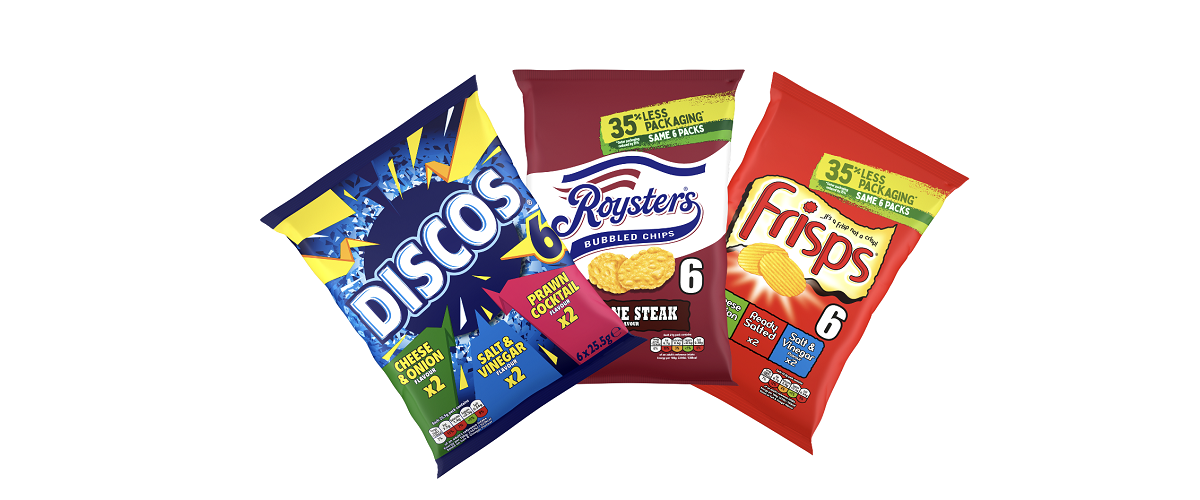
5. Flexible Packaging for Snacks: Key Benefits for Cost Efficiency and Distribution
Flexible packaging offers several advantages for manufacturers and retailers.
Reduced Transportation Costs
Because flexible packaging is lightweight and compact, it allows more products to be transported per shipment. This reduces overall logistics costs.
Efficient Storage
Flexible packaging takes up less space in warehouses and retail shelves compared with rigid containers.
Faster Production and Packing
Flexible packaging machines can operate at high speeds, making them ideal for large-scale snack manufacturing.
Improved Retail Display
Stand-up pouches and attractive packaging graphics improve product visibility and consumer engagement in stores.
FAQ
Why is flexible packaging widely used for snack products?
It provides strong barrier protection, lightweight structure, and excellent printing capabilities while reducing transportation costs.
How does flexible packaging keep snacks crunchy?
Moisture barrier films prevent humidity from entering the package, helping maintain crisp texture.
What materials are commonly used for snack packaging?
BOPP films, metallized films, and multi-layer laminates are commonly used due to their barrier and sealing properties.
Can flexible packaging support sustainable packaging goals?
Yes. Many manufacturers now use recyclable or mono-material flexible packaging solutions.
Conclusion
Flexible packaging has become the preferred solution for snack products due to its ability to combine product protection, cost efficiency, and strong visual appeal. Its barrier properties help preserve freshness, flavor, and crunchiness while protecting snacks from moisture, oxygen, and light exposure. At the same time, flexible packaging enhances consumer convenience through features such as resealable closures, easy-open designs, and portable formats. For manufacturers, the lightweight structure and efficient logistics advantages help reduce operational costs and improve distribution efficiency. As snack consumption continues to grow worldwide, flexible packaging will remain a key packaging solution that supports both product quality and brand competitiveness.