Resealable Bags vs. Rigid Packaging: Which Is Better For Your Business?
Anna_Yu
Resealable Bags vs. Rigid Packaging: Which Is Better For Your Business?
In the modern packaging industry, the battle between resealable bags and rigid packaging has grown increasingly intense. Both serve essential roles in protecting, preserving, and marketing products—but they do so in vastly different ways. The choice between these two packaging types can affect product shelf life, transportation costs, environmental impact, and brand perception.
Resealable bags, often made from flexible materials, have become a staple for many industries—especially food, cosmetics, and pet care—thanks to their lightweight, space-saving, and user-friendly features. Rigid packaging, on the other hand, remains dominant in certain sectors that require maximum protection and structural integrity, such as beverages, pharmaceuticals, and luxury goods.
As sustainability, convenience, and cost-efficiency continue to shape consumer preferences and brand strategies, the question becomes: Which packaging format truly delivers the best value for your business? This guide provides a detailed exploration of both packaging types, their strengths, weaknesses, and the decision-making criteria you should consider before committing to one.
1. What Are Resealable Pouches?
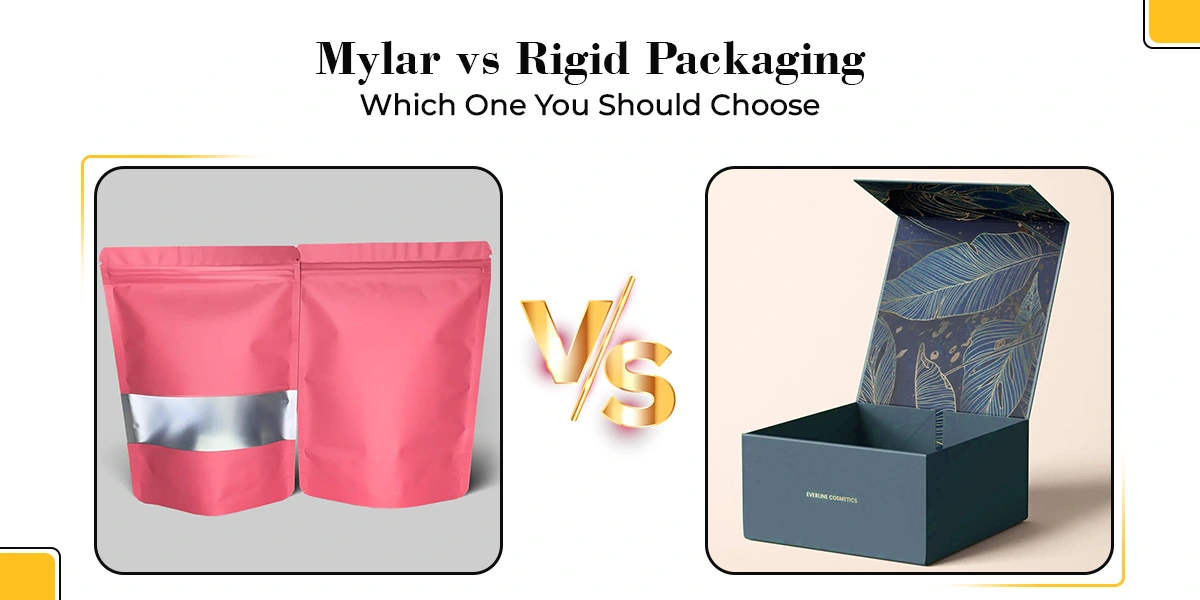
Resealable pouches—also called flexible pouches or flexible packaging bags—are lightweight containers made from plastic films, laminates, or paper-based composites. They’re designed to protect products from external contaminants while offering convenient access and reusability through mechanisms like zippers, sliders, Velcro seals, or spouts.
Common Types of Resealable Pouches
- Stand-Up Pouches: Feature a bottom gusset that allows the bag to stand upright. Ideal for snacks, pet treats, and coffee.
- Flat Pouches: Simple, space-efficient design, often used for single servings or sample packs.
- Spout Pouches: Equipped with pourable openings, used for sauces, beverages, and detergents.
- Zipper Pouches: Offer convenient resealing for products consumed over time.
- Vacuum Pouches: Used for extending the shelf life of perishable foods.
Core Characteristics
- Flexibility: Conforms to product shape, minimizing wasted space.
- Lightweight Construction: Reduces shipping and handling costs.
- Barrier Protection: Multi-layer films protect against moisture, oxygen, and UV exposure.
- Customization: Highly printable surfaces suitable for vibrant branding.
According to Flexible Packaging Association (FPA, 2025), the global resealable pouch market has grown by over 8.5% annually since 2020, fueled by the rise of e-commerce and consumer demand for convenience.
2. What Is Rigid Packaging?
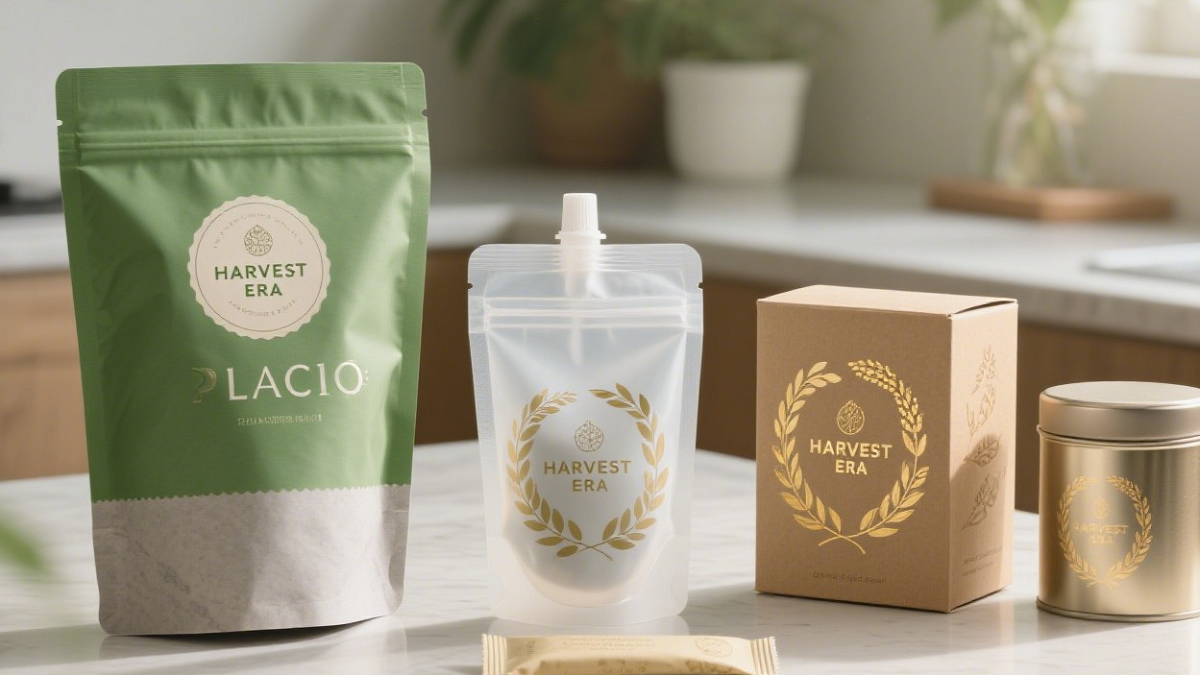
Rigid packaging refers to containers made of firm materials that retain their shape, such as glass, metal, hard plastics (PET, HDPE, PP), and sometimes cardboard composites. This format provides maximum product protection and conveys a strong sense of durability and quality.
Common Forms of Rigid Packaging
- Plastic Bottles and Jars: Common for beverages, personal care, and pharmaceuticals.
- Glass Jars and Bottles: Used for premium or perishable items such as jams, sauces, and wines.
- Metal Cans: Ideal for long-shelf-life foods, paints, and industrial goods.
- Cardboard Boxes with Inserts: Used for electronics, luxury items, and fragile products.
Defining Traits
- Structural Strength: Rigid materials resist crushing and punctures.
- Product Protection: Suitable for pressurized, liquid, or fragile contents.
- High-Quality Image: Often perceived as premium or durable.
- Reusability: Many rigid containers can be repurposed or recycled easily.
A 2024 Smithers Market Analysis report valued the global rigid packaging industry at $589 billion, with plastics accounting for 47% of total usage—though sustainability concerns are pushing brands toward lightweighting and recyclability improvements.
3. What Are the Advantages of Resealable Bags, and How Do They Benefit Your Business?
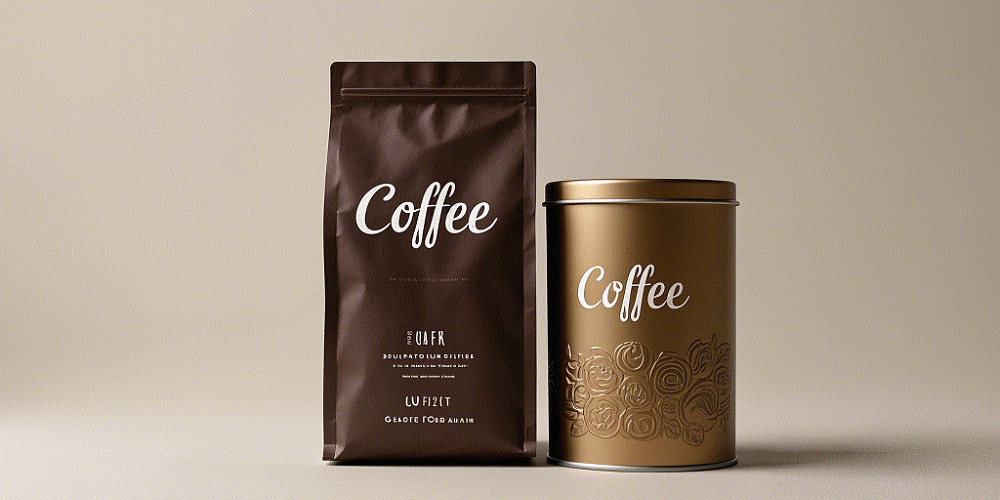
The rise of resealable bags is not accidental—it reflects shifting priorities among both consumers and manufacturers. Their advantages extend across multiple business dimensions, from logistics to branding.
1. Cost Efficiency
Flexible pouches typically require up to 70% less material than rigid alternatives, significantly reducing production, storage, and transportation costs.
- Lower material costs: Thin-film laminates are cheaper than molded plastics or glass.
- Reduced shipping weight: Saves fuel and lowers logistics expenses.
- Compact storage: Flat and foldable before filling, minimizing warehouse space.
2. Sustainability
Resealable bags generate a smaller carbon footprint during production and transport. Recent innovations, such as mono-material polyethylene (PE) bags or compostable PLA films, further enhance their eco credentials.
A lifecycle study by Flexible Packaging Europe (FPE, 2024) found that resealable pouches emit 60% less CO₂ than equivalent rigid packaging formats.
3. Consumer Convenience
The resealable feature ensures that products remain fresh and spill-proof, even after opening. Consumers appreciate easy access and the ability to re-close the package multiple times—especially for snacks, pet food, and household goods.
4. Enhanced Branding Opportunities
Flexible packaging supports high-resolution digital printing, allowing brands to achieve vibrant designs and unique textures. Whether glossy or matte, transparent or opaque, these bags can be tailored to reflect a brand’s aesthetic identity.
5. E-commerce Adaptability
With the explosion of online shopping, resealable bags have become the go-to packaging for e-commerce due to their lightweight durability and lower shipping damage rates compared to glass or rigid plastic.
Example Case:
A leading snack manufacturer switched from rigid tubs to stand-up pouches and reported:
- 35% logistics cost reduction
- 40% packaging weight savings
- 25% increase in shelf facings in retail stores
4. Similarly, What About Rigid Packaging?
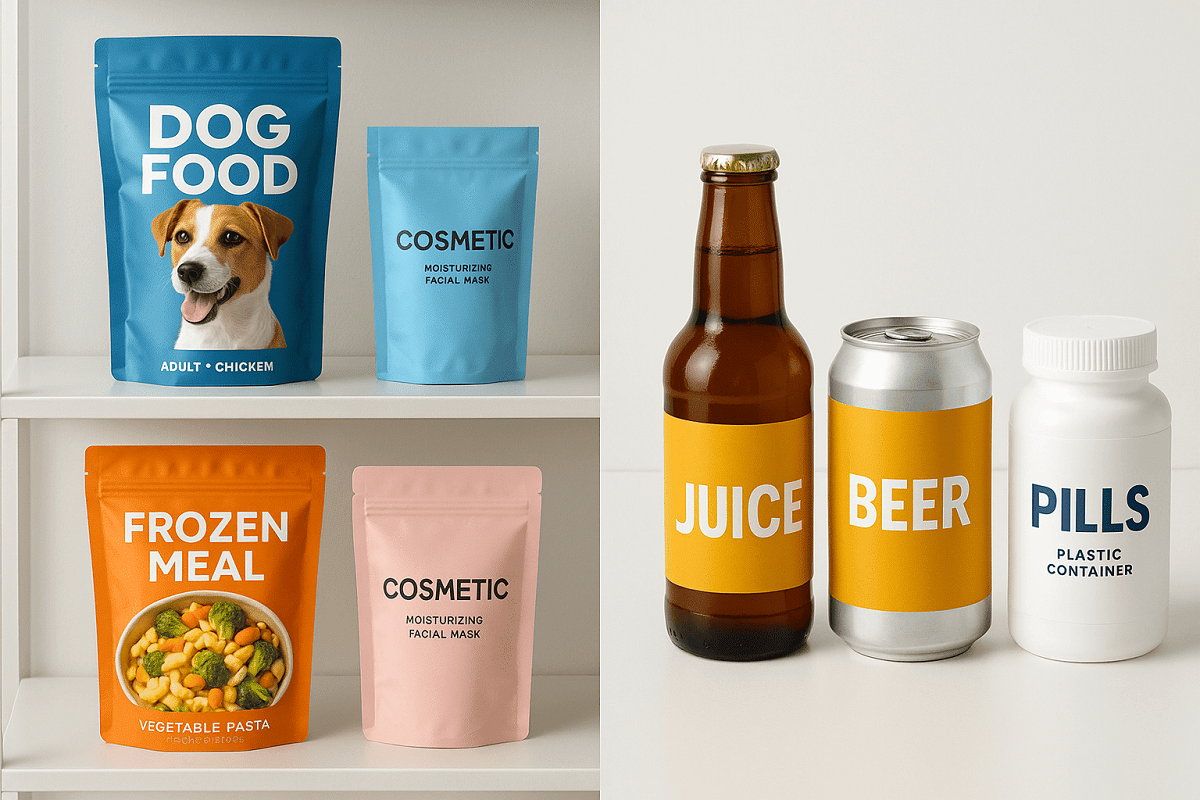
Despite the surge in flexible packaging, rigid containers maintain a strong foothold—especially in industries requiring durability, premium appearance, or liquid containment.
1. Superior Structural Integrity
Rigid packaging provides unmatched protection against impact, compression, and deformation. This makes it ideal for fragile, pressurized, or heavy products.
Examples:
- Carbonated beverages (pressure-sensitive)
- Glass cosmetics jars (fragile contents)
- Industrial paints and lubricants
2. Reusability and Premium Feel
Consumers often associate rigid containers with quality and longevity. Glass jars, for instance, are frequently reused, contributing to brand loyalty and sustainability perception.
3. Excellent Product Protection
Rigid packaging acts as a complete barrier to moisture, oxygen, and contamination. Metal cans, for example, can preserve food for years without spoilage.
4. Branding Potential
Rigid formats can be embossed, labeled, or molded into unique shapes, reinforcing a premium identity. For luxury or high-end brands, the tactile and visual solidity of rigid packaging enhances perceived value.
5. Recycling Efficiency
Glass, metal, and certain rigid plastics (like HDPE) are easily recyclable, contributing to circular economy initiatives. Some markets prefer rigid formats due to established recycling infrastructure.
5. What Are the Respective Disadvantages of These Two Packaging Formats?
Every packaging choice involves trade-offs. Below is a comparative overview highlighting key limitations of each type.
| Category | Resealable Bags (Flexible) | Rigid Packaging |
|---|---|---|
| Protection | Moderate—can be punctured if mishandled | Excellent—resists crushing and leaks |
| Cost | Generally lower | Higher due to material and transport |
| Storage Space | Compact and space-saving | Bulky, harder to transport |
| Sustainability | Often hard to recycle (unless mono-material) | Highly recyclable but energy-intensive to produce |
| Aesthetics | Highly customizable printing | Premium tactile appeal |
| Reusability | Limited | High (especially glass and metal) |
| Consumer Perception | Modern and convenient | Traditional and premium |
1. Flexible Packaging Drawbacks
- Barrier Limitations: Not as strong as metal or glass for long-term storage.
- Recycling Challenges: Multi-layer laminates are complex to separate and recycle.
- Shape Instability: Can wrinkle or crease, impacting appearance.
2. Rigid Packaging Drawbacks
- Weight: Heavier and costlier to ship.
- Breakability: Glass and brittle plastics are prone to cracking.
- Environmental Impact: High energy use during manufacturing and transport.
- Limited Design Flexibility: Molding or shaping requires expensive tooling.
6. How to Choose the Right Packaging Format for Your Business?
Selecting between resealable and rigid packaging depends on product type, target audience, brand positioning, and sustainability goals. Here are key considerations for your decision-making process.
1. Nature of the Product
- Dry goods (coffee, snacks, powders): Resealable bags offer ideal flexibility and freshness control.
- Liquids or fragile products (sauces, beverages, electronics): Rigid containers ensure stability and spill prevention.
2. Shelf Life and Protection
If your product demands long-term oxygen and moisture protection, rigid packaging may outperform flexible formats—unless advanced barrier films are used.
3. Consumer Expectations
Analyze your audience:
- Eco-conscious millennials prefer lightweight, recyclable pouches.
- Premium buyers expect heavy, elegant rigid packaging that signals quality.
4. Branding and Aesthetic Goals
Ask yourself:
Do you want a sleek, modern look (flexible) or a classic, high-end presence (rigid)?
5. Budget and Logistics
- Flexible packaging = lower material and transport costs.
- Rigid packaging = higher upfront investment but stronger visual impact.
6. Sustainability Strategy
If your brand promotes sustainability, consider:
- Mono-material PE/PP pouches for recyclability.
- Lightweight PET or recycled glass containers for rigid alternatives.
Decision Framework Example:
| Decision Factor | Recommendation |
|---|---|
| Cost-sensitive startup | Flexible resealable pouch |
| Premium luxury brand | Rigid packaging |
| Online retail business | Flexible pouch (lightweight) |
| High-moisture product | Rigid container |
| Eco-focused brand | Compostable or mono-material flexible pouch |
Expert Tip
Many successful companies now adopt a hybrid packaging strategy—using flexible packaging for e-commerce and rigid packaging for in-store retail to balance cost and presentation.
FAQ: Frequently Asked Questions About Flexible vs. Rigid Packaging
Q1: Are resealable pouches suitable for all product types?
Not all. They’re ideal for dry or semi-solid goods but less suitable for pressurized or fragile items.
Q2: Which packaging type is more eco-friendly?
Resealable pouches have lower CO₂ emissions during production, while rigid materials are more recyclable. The sustainability impact depends on end-of-life recycling infrastructure.
Q3: Can flexible packaging be as protective as rigid containers?
Yes, when made from high-barrier laminates with proper sealing and storage conditions.
Q4: Which format offers better branding flexibility?
Flexible packaging allows full-surface, high-resolution printing, while rigid packaging supports embossing and texture-based branding.
Q5: How do consumers perceive flexible vs. rigid packaging?
Flexible packaging signals innovation and convenience, while rigid formats convey durability and luxury.
Conclusion
The debate between resealable bags and rigid packaging is not about which is objectively superior—it’s about finding the right fit for your product, brand, and customer base.
If your business values cost efficiency, convenience, and sustainability, flexible resealable pouches are a future-ready choice. They minimize material use, adapt easily to e-commerce, and appeal to modern consumers seeking simplicity and eco-responsibility.
Conversely, if your brand thrives on premium presentation, reusability, and strong product protection, rigid packaging remains a timeless, trusted option that conveys quality and reliability.
Ultimately, your packaging should serve as a strategic communication tool—telling your story, enhancing your product’s value, and aligning with your brand identity. As innovation continues to blend the best of both worlds, the future may see smarter hybrid solutions that deliver the strength of rigidity with the adaptability of flexibility.