Some Things You Need To Know About Pasta Packaging
Anna_Yu
Some Things You Need To Know About Pasta Packaging
Pasta is one of the most widely consumed staple foods in the world, crossing cultural, geographic, and economic boundaries. From traditional Italian dry pasta to fresh noodles and specialty gluten-free varieties, pasta products appear in countless forms on global shelves. As competition intensifies and consumer expectations continue to evolve, pasta packaging has become far more than a simple container. It now plays a critical role in product protection, shelf life, branding, logistics efficiency, and sustainability performance.
In the past, pasta packaging focused mainly on containment and basic moisture protection. Today, however, manufacturers must consider oxygen barriers, puncture resistance, transparency, resealability, portion control, and environmental impact—all while maintaining cost efficiency. Flexible packaging has emerged as a dominant solution, offering unmatched versatility compared to rigid boxes or jars. It allows brands to balance functionality with visual appeal while adapting to different pasta shapes, weights, and market positioning.
Consumer behavior has also reshaped pasta packaging requirements. Shoppers want to see the product, understand its origin and nutritional value, and trust that it will remain fresh until consumption. Meanwhile, retailers demand packaging that stacks efficiently, minimizes breakage, and supports high-speed filling lines. Regulatory requirements for food safety and labeling further add to the complexity.
This guide provides a comprehensive overview of flexible packaging for pasta, focusing on commonly used bag types, their characteristics, material structures, and the reasons flexible packaging has become so important for pasta brands. Whether you are launching a new pasta product or optimizing an existing packaging system, understanding these fundamentals will help you make informed, future-ready decisions.
1. Which bag types are commonly used to make flexible packaging for pasta?
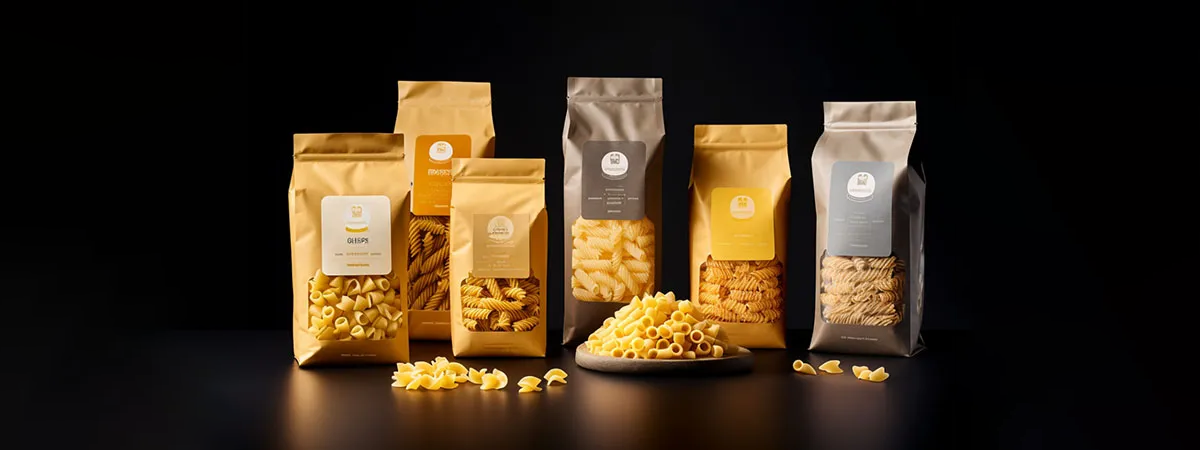
Several flexible packaging bag types are widely used for pasta, each designed to address specific functional and commercial needs. The most common formats include pillow bags, gusseted bags, stand-up pouches, and window bags.
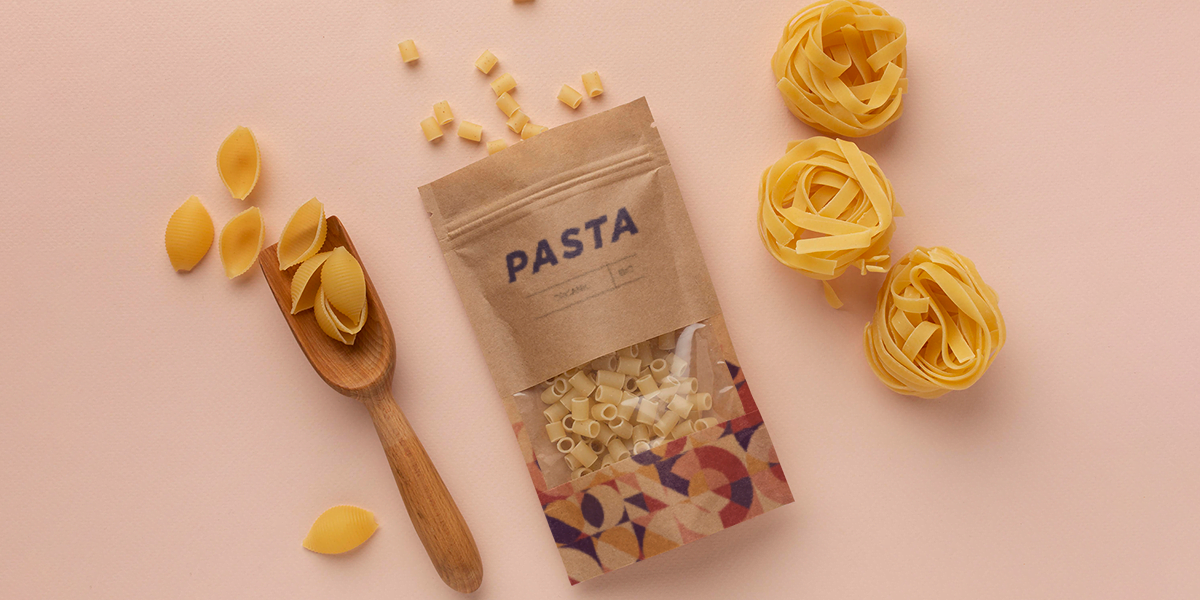
Pillow bags are frequently used for dry pasta due to their cost efficiency and compatibility with high-speed form-fill-seal machines. Gusseted bags provide additional volume and improved shelf presentation, making them suitable for larger pasta portions. Stand-up pouches, often with resealable zippers, are increasingly popular for premium pasta lines and specialty products such as organic or gluten-free pasta.
Window bags are also common in pasta packaging, allowing consumers to visually inspect the product. This transparency builds trust and highlights pasta shape, color, and quality. Each bag type offers different advantages depending on the target market, distribution channel, and branding strategy.
2. What are the characteristics of these bag types?
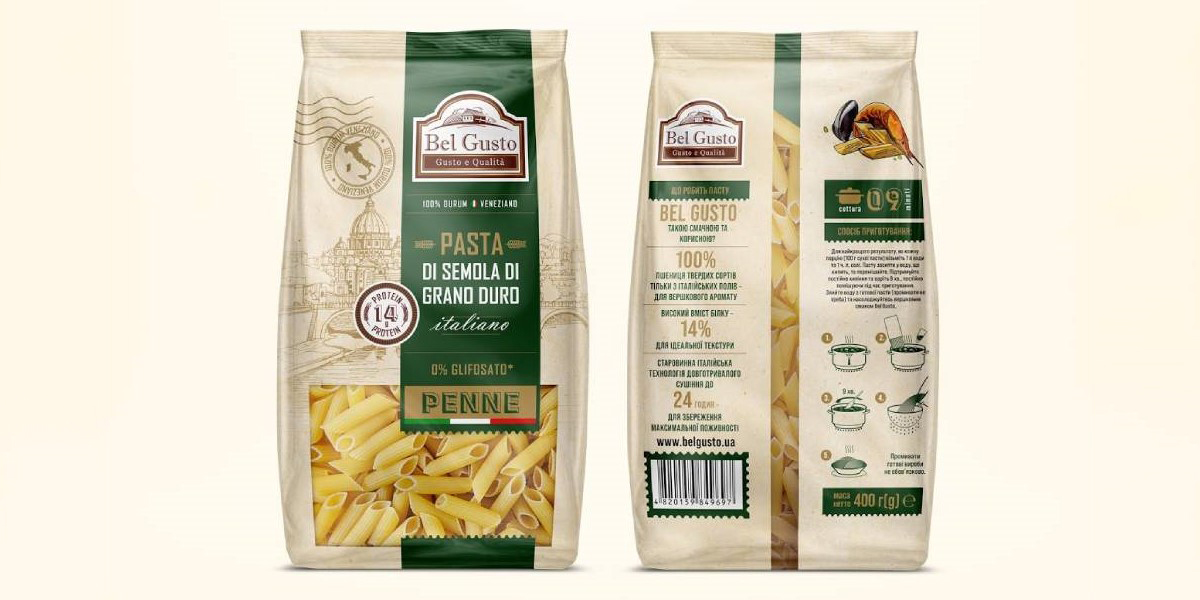
Each flexible packaging bag type has unique characteristics that influence its suitability for pasta. Pillow bags are lightweight, economical, and efficient for mass production but offer limited resealability. Gusseted bags provide better stability and volume efficiency, improving shelf stacking and transportation.
Stand-up pouches excel in shelf presence and user convenience. Their upright structure and resealable closures enhance consumer experience and support premium branding. Window bags emphasize product visibility, which is especially valuable for artisanal or visually distinctive pasta varieties.
Across all formats, flexible bags share key characteristics such as adaptability to different pasta shapes, reduced material usage compared to rigid packaging, and compatibility with advanced barrier films.
3. What materials are commonly used to make flexible packaging for pasta?
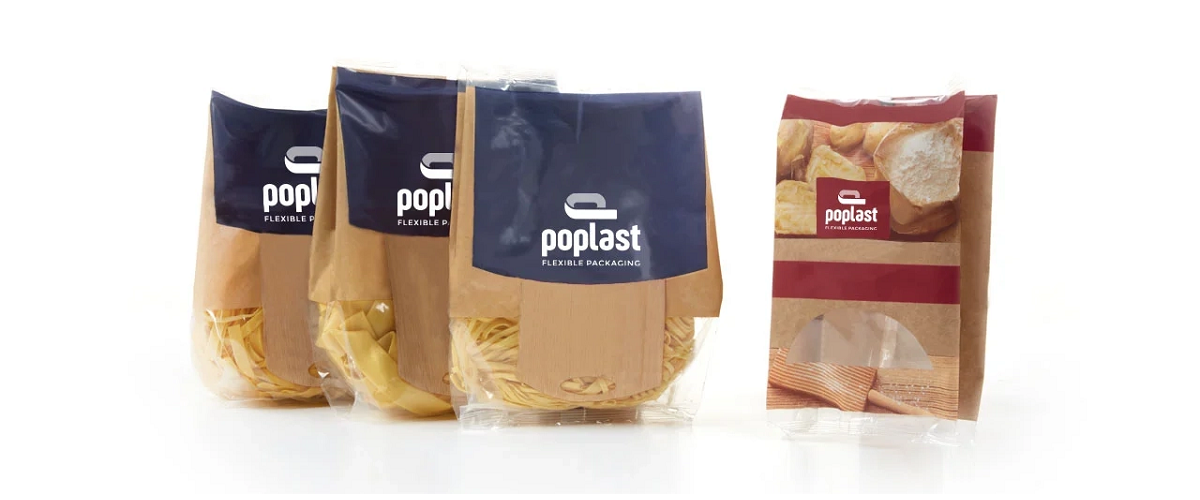
Material selection is critical in pasta packaging, as pasta is sensitive to moisture, oxygen, and physical damage. Common material structures include BOPP, PET, PE, CPP, and metallized films, often laminated to achieve optimal performance.
BOPP provides excellent stiffness and print quality, making it ideal for outer layers. PE and CPP are commonly used as inner sealant layers due to their food safety and heat-sealing properties. For extended shelf life, metallized films or EVOH layers are added to improve oxygen and moisture barriers.
Increasingly, brands are exploring recyclable mono-material structures and downgauged films to meet sustainability goals without compromising product protection.
4. Why are flexible packaging bags important for pasta?
Flexible packaging bags play a vital role in ensuring pasta quality, safety, and market competitiveness. They protect pasta from humidity and contamination, reduce breakage during transport, and extend shelf life. From a commercial perspective, flexible packaging lowers shipping costs due to reduced weight and volume while enabling faster production speeds.
Equally important is branding. Flexible packaging offers superior printing capabilities, allowing brands to communicate quality, origin, cooking instructions, and sustainability credentials clearly and attractively. In an increasingly crowded market, well-designed pasta packaging can significantly influence purchasing decisions.
FAQ
Is flexible packaging better than cardboard boxes for pasta?
Yes, flexible packaging offers better moisture protection, lower transportation costs, and more design flexibility.
Can pasta packaging be recyclable?
Many modern pasta packages use recyclable mono-material structures or reduced-material laminates.
Do window bags affect shelf life?
When designed correctly with barrier films, window bags can maintain shelf life while improving visibility.
Are resealable pouches suitable for pasta?
Yes, resealable stand-up pouches are ideal for consumer convenience and portion control.
Conclusion
Flexible packaging has become a cornerstone of modern pasta packaging strategies. By offering superior protection, cost efficiency, branding potential, and sustainability adaptability, flexible bags meet the complex demands of today’s pasta market. As consumer expectations and regulatory pressures continue to evolve, brands that invest in well-designed, material-optimized flexible packaging will be better positioned for long-term success. Pasta may be a traditional food, but its packaging is firmly rooted in innovation.