The Rise of Stick Packaging
Anna_Yu
The Rise of Stick Packaging
Stick packaging has quietly become one of the most recognizable and fast-growing formats in modern flexible packaging. From instant coffee and powdered supplements to sauces, sweeteners, and pharmaceuticals, slim stick-shaped packs are now everywhere. Their popularity is not accidental—it is the result of changing consumer habits, evolving distribution channels, and continuous improvements in flexible packaging technology.
Today’s consumers value convenience, portability, portion control, and hygiene more than ever before. Stick packaging responds directly to these needs by offering single-serve portions that are easy to carry, easy to open, and easy to use. For brands, stick packs provide cost efficiency, production flexibility, and strong shelf differentiation, especially in crowded retail environments and fast-growing e-commerce platforms.
As we move toward 2026, stick packaging is no longer just a niche solution. It has become a strategic packaging choice across food, beverage, health, and personal care industries. This article explores what stick packaging is, why it has risen so rapidly, which industries rely on it, the materials behind it, and where this packaging format is heading in the near future.
1. What is stick packaging?
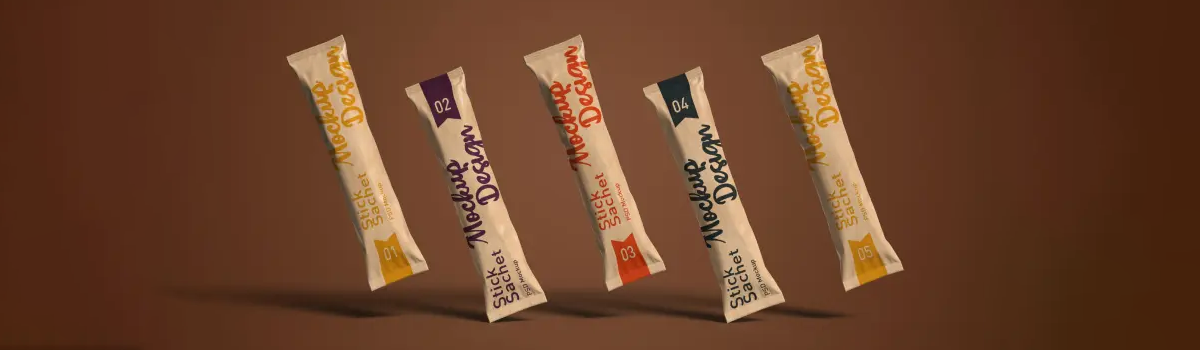
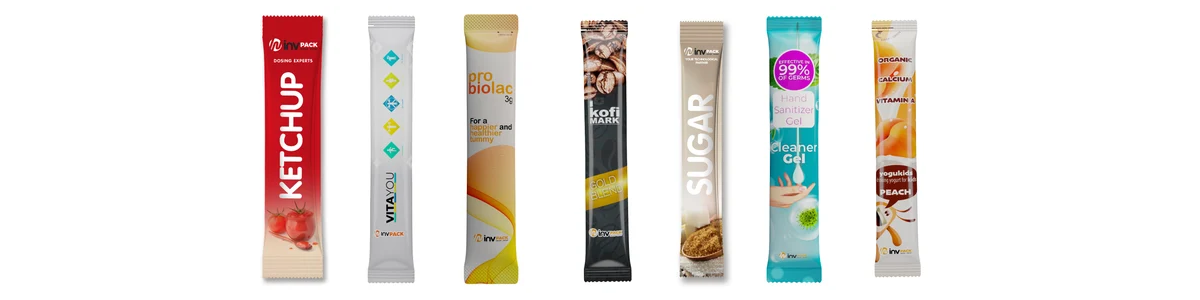
Stick packaging refers to a slim, elongated flexible package designed to hold small, precisely measured quantities of product. Unlike traditional sachets, stick packs have a narrow width and extended length, making them easy to hold, pour, and store. They are typically sealed on three sides or with a longitudinal back seal, depending on the filling and sealing process.
Stick packs are most commonly used for powders, granules, liquids, gels, and fine solids. Their shape allows for controlled dispensing, reducing spills and waste. From a manufacturing perspective, stick packaging is produced using high-speed vertical or horizontal form-fill-seal machines, enabling large-scale production with consistent quality.
Because of their compact size and lightweight nature, stick packs are especially well-suited for on-the-go consumption, sampling programs, and subscription-based product distribution.
2. Why have stick-shaped packaging become so popular in recent years?
The rise of stick packaging is closely linked to lifestyle changes and market evolution. Consumers increasingly seek products that fit into busy routines, travel easily, and offer exact portion control. Stick packs meet these expectations perfectly.
Another major driver is portion precision. In categories such as nutritional supplements, instant beverages, and pharmaceuticals, accurate dosing is critical. Stick packaging allows brands to deliver consistent amounts without the need for measuring tools.
From a business perspective, stick packaging supports cost control and scalability. Smaller material usage per unit reduces packaging costs, while compact packaging lowers transportation and storage expenses. Additionally, stick packs are ideal for trial sizes and promotional campaigns, helping brands reduce entry barriers for new products.
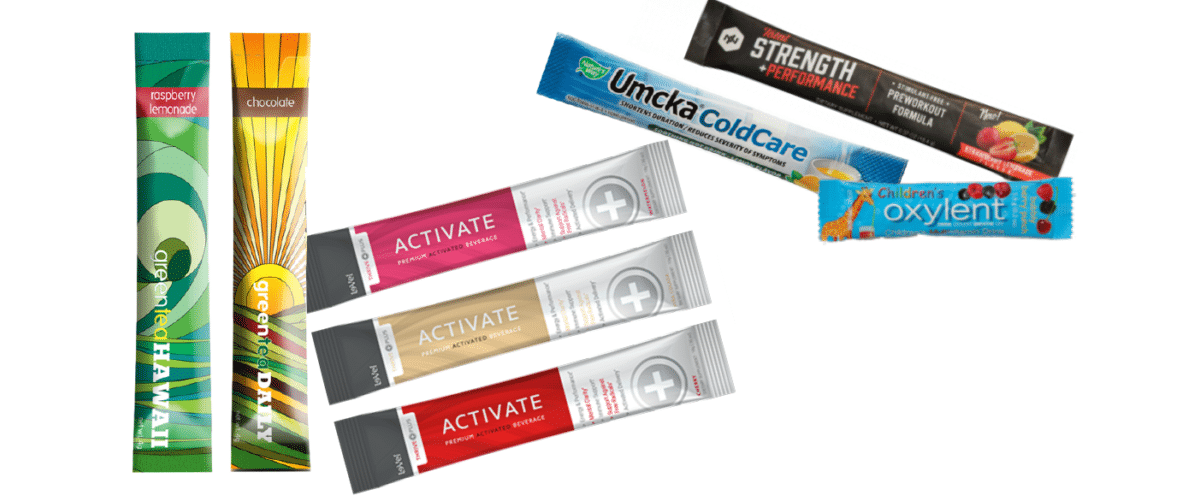
Finally, advancements in flexible packaging films and printing technologies have improved the visual appeal of stick packs, making them a powerful branding tool rather than just a functional container.
3. Which industries prefer stick-shaped packaging?
Stick packaging is widely adopted across multiple industries due to its versatility.
In the food and beverage industry, stick packs are commonly used for instant coffee, sugar, creamer, powdered drinks, spices, and sauces. Their hygienic, single-use nature is especially appealing in foodservice and travel environments.
The health and nutrition sector relies heavily on stick packaging for protein powders, vitamins, probiotics, collagen supplements, and electrolyte mixes. Consumers appreciate the convenience of carrying daily doses without bulky containers.
In pharmaceuticals, stick packs are used for oral powders, medical supplements, and diagnostic samples where precision and safety are essential.
The personal care and cosmetics industry also uses stick packaging for products like shampoo samples, skincare serums, and oral care gels, particularly for travel and promotional use.
4. What is the typical material used for stick-shaped packaging?
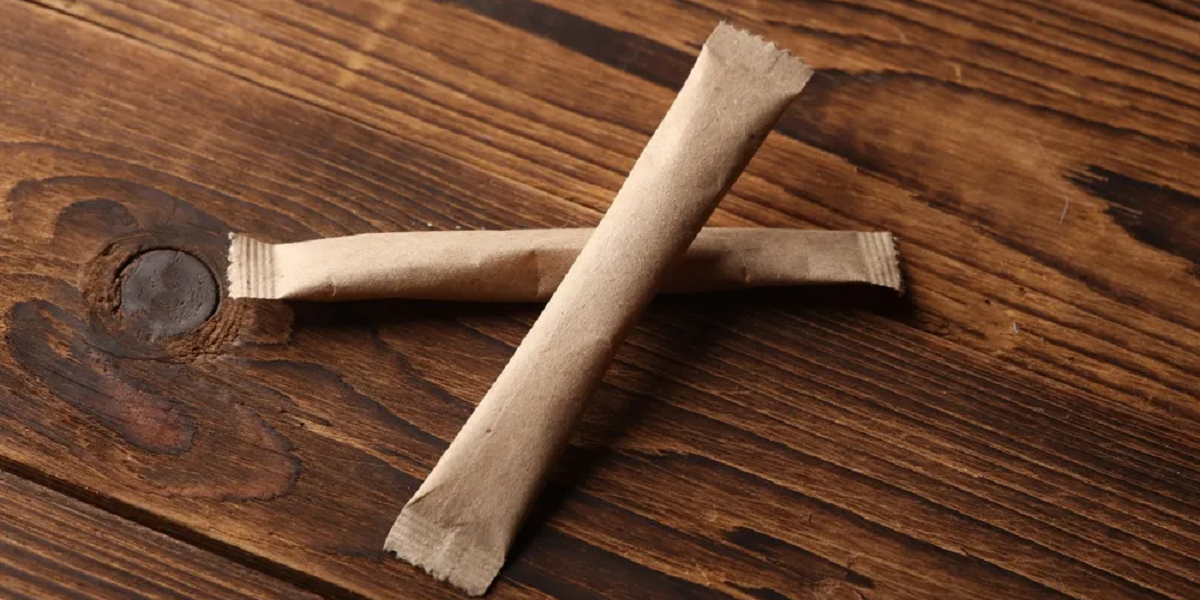
Stick packaging typically uses laminated flexible films, designed to balance barrier protection, sealability, and machinability.
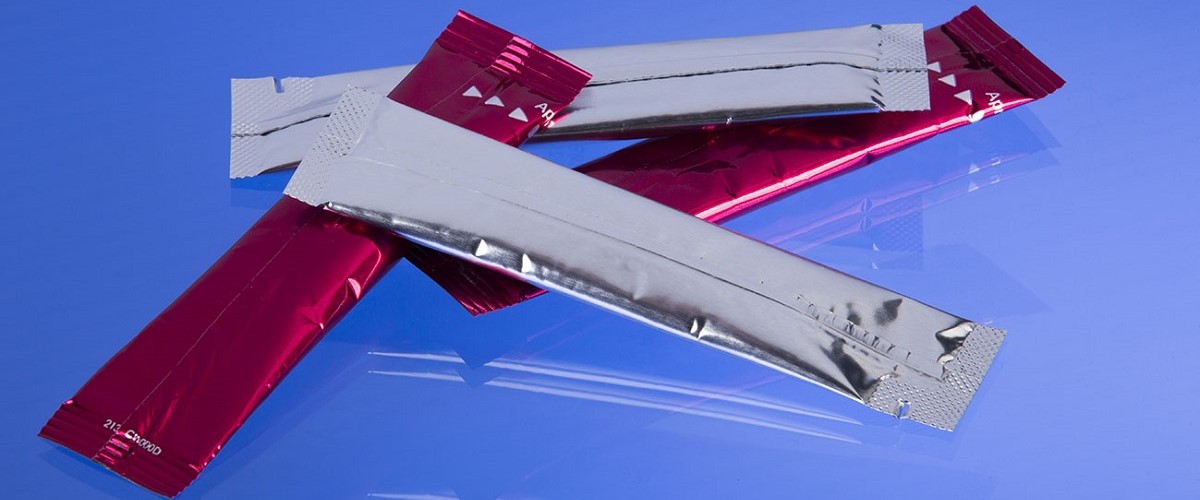
Common material structures include combinations of PET, BOPP, aluminum foil, nylon (PA), and PE or CPP. PET and BOPP provide mechanical strength and print quality, aluminum foil offers excellent barrier protection against moisture, oxygen, and light, while PE or CPP serves as the heat-sealable inner layer.
For products sensitive to moisture or oxidation, high-barrier laminates are essential to maintain shelf life. In recent years, there has also been growing interest in mono-material or recyclable stick pack structures, driven by sustainability goals and regulatory pressure.
Material selection ultimately depends on the product’s physical properties, shelf-life requirements, and distribution conditions.
5. What will the trend of stick packaging be in 2026?
By 2026, stick packaging is expected to continue expanding, driven by health-focused consumption, sustainability innovation, and digital retail growth.
One key trend is the shift toward eco-friendly materials, including recyclable laminates and reduced-material designs. Brands are actively exploring ways to maintain performance while lowering environmental impact.
Another trend is premiumization. High-end printing, matte finishes, and tactile coatings are being used to elevate the perceived value of stick packs, especially in wellness and specialty food markets.
Automation and smart manufacturing will further improve production efficiency, enabling faster turnaround times and customization for regional markets or limited editions.
Overall, stick packaging will evolve from a purely functional solution into a strategic packaging format that combines convenience, branding, and sustainability.
FAQ
Is stick packaging better than traditional sachets?
Stick packaging offers better control, easier pouring, and a more modern appearance, especially for powdered and granular products.
Can stick packs hold liquids?
Yes. With appropriate materials and sealing technology, stick packs are suitable for liquids and gels.
Is stick packaging environmentally friendly?
It can be, especially with newer recyclable or reduced-material structures, though sustainability depends on material choices.
Are stick packs expensive to produce?
They are generally cost-effective at scale and often reduce material and logistics costs.
Conclusion
The rise of stick packaging reflects broader shifts in consumer behavior, product innovation, and packaging technology. Its slim design, convenience, and efficiency make it a natural fit for modern lifestyles and fast-moving markets. As sustainability and customization continue to shape packaging strategies, stick packaging is well-positioned to remain a key solution well beyond 2026.