The Ultimate Guide to Flexible Packaging for Nuts
Anna_Yu
The Ultimate Guide to Flexible Packaging for Nuts
Flexible packaging has become the preferred choice for nut brands worldwide, from almonds and pistachios to cashews, peanuts, and mixed nuts. The reason is simple: nuts are highly sensitive products. They are rich in natural oils, easily affected by oxygen, moisture, light, and temperature, and their freshness directly determines taste, aroma, and consumer satisfaction. In today’s competitive retail environment, packaging is no longer just a container—it is a critical tool for preservation, branding, convenience, and differentiation. A well-designed nut package protects product quality, extends shelf life, improves shelf appeal, and builds trust with buyers at first glance.
As consumer habits change, flexible packaging continues to evolve. Shoppers expect resealable closures, clear information, attractive design, and increasingly, sustainable solutions. At the same time, brands face pressure to control costs, reduce waste, and adapt to e-commerce and global distribution. Flexible packaging meets all these demands with lightweight structures, excellent barrier performance, and endless customization possibilities. From small snack packs to large family-size bags, flexible nut packaging adapts easily to different markets and sales channels.
This guide explains everything you need to know about flexible packaging for nuts. We will cover what it is, which bag types work best, what materials are commonly used, what details matter when customizing nut packaging, and where the future of nut packaging is heading. Whether you are launching a new nut brand or upgrading existing packaging, this article will help you make informed and practical decisions.
1. What is flexible packaging for nuts?
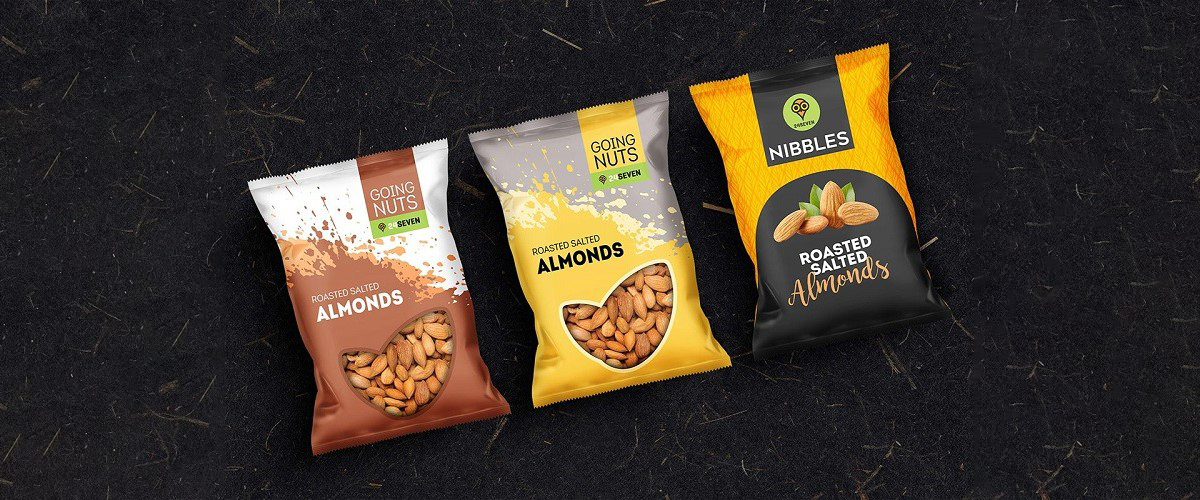
Flexible packaging for nuts refers to packaging solutions made from flexible materials—such as plastic films, laminated structures, or paper-plastic composites—that can bend and adapt to the shape of the product. Unlike rigid packaging like cans, jars, or boxes, flexible packaging uses less material, weighs less, and offers superior sealing and barrier properties.
For nuts, flexible packaging plays several critical roles:
- Protection from oxygen, which causes oxidation and rancidity
- Protection from moisture, which can soften nuts or promote mold
- Protection from light, which degrades oils and nutrients
- Preservation of aroma and flavor
- Ease of storage and transportation
Flexible nut packaging is commonly heat-sealed and often includes functional features such as resealable zippers, tear notches, clear windows, and hang holes. These features enhance user convenience and extend product usability after opening.
From a business perspective, flexible packaging allows nut brands to scale efficiently, reduce logistics costs, and adapt packaging sizes quickly. From a consumer perspective, it delivers freshness, convenience, and attractive presentation.
2. What types of bags are suitable for storing nuts?
Choosing the right bag type is essential for maintaining nut quality and meeting consumer expectations. Below are the most common bag types used in nut packaging, along with their characteristics.
Stand-Up Pouches
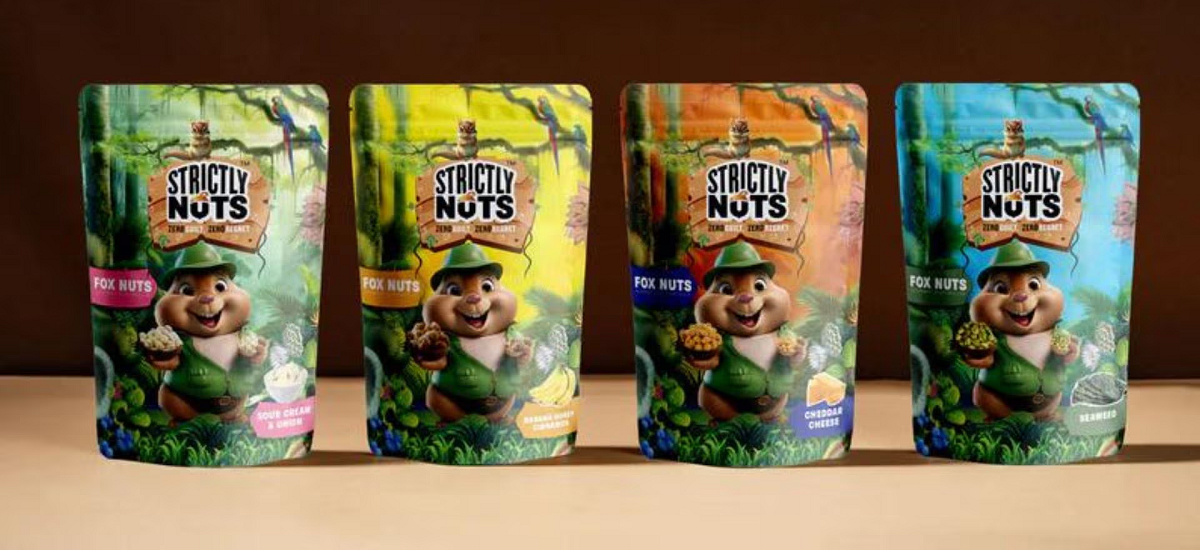
Stand-up pouches are the most popular choice for nut packaging today. They can stand upright on shelves, improving visibility and brand impact.
Advantages:
- Excellent shelf presentation
- Compatible with zippers and tear notches
- Suitable for retail and e-commerce
- Wide size range
Flat Bottom Pouches
Flat bottom pouches offer a box-like appearance with high stability and premium feel.
Advantages:
- Strong shelf stability
- Large printable surface area
- Premium appearance
- Ideal for high-end nut brands
Three-Side Seal Bags
These bags are simple, cost-effective, and often used for smaller portions or promotional packs.
Advantages:
- Lower cost
- Efficient for automatic filling
- Suitable for single-serve or sample packs
Quad Seal Bags
Quad seal bags provide strong side seals and excellent load-bearing capacity.
Advantages:
- Suitable for larger nut quantities
- Strong structure
- Premium look
Pillow Bags
Common in mass-market snack packaging, pillow bags are lightweight and efficient.
Advantages:
- Low material usage
- High-speed production
- Suitable for price-sensitive markets
Each bag type serves different market positions, from budget snacks to premium gift packaging. The choice depends on brand strategy, price positioning, and sales channels.
3. What materials are typically used in flexible packaging for nuts?
Material selection is one of the most critical aspects of nut packaging because nuts are highly sensitive to oxygen and moisture. Most nut packaging uses laminated structures rather than single-layer films.
Common materials include:
PET (Polyester)
- Excellent print quality
- Good stiffness
- Acts as a strong outer layer
BOPP (Biaxially Oriented Polypropylene)
- High clarity
- Good moisture resistance
- Often used for snacks and nuts
VMPET (Metallized PET)
- Enhanced barrier against oxygen and light
- Metallic appearance
- Cost-effective alternative to aluminum foil
Aluminum Foil
- Excellent oxygen, moisture, and light barrier
- Used for premium or long-shelf-life nuts
- Higher cost but superior protection
PE (Polyethylene)
- Food-safe inner sealing layer
- Good flexibility and seal strength
CPP (Cast Polypropylene)
- Heat-resistant
- Good sealing performance
Typical material structures:
| Structure | Application |
|---|---|
| PET / PE | Short shelf-life nuts |
| PET / VMPET / PE | Most retail nut products |
| PET / AL / PE | Premium nuts, export markets |
| BOPP / CPP | Cost-sensitive snack nuts |
The right material structure balances barrier performance, cost, sustainability goals, and brand positioning.
4. What details should be considered when customizing nut packaging?
Customizing nut packaging goes beyond choosing a bag and material. Attention to detail directly affects consumer satisfaction and brand perception.
Resealable Zippers
Nuts are often consumed over multiple occasions. A zipper helps maintain freshness after opening and improves user convenience.
Tear Notches
Tear notches allow easy opening without scissors, especially important for elderly consumers or on-the-go snacking.
Clear Windows
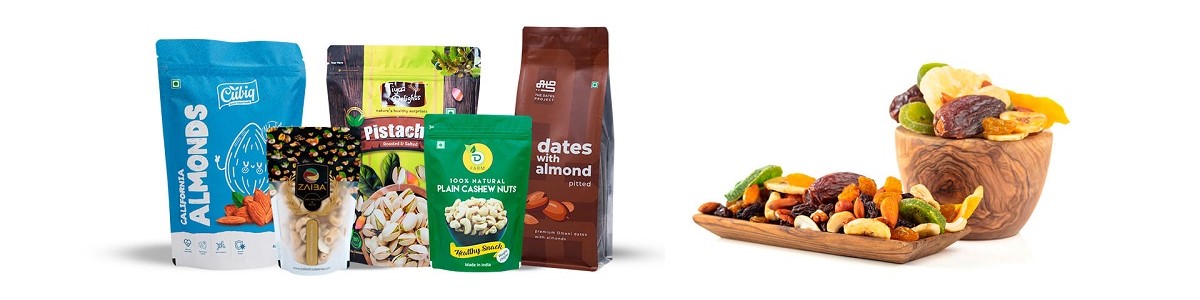
Windows let consumers see the product inside, increasing trust and purchase confidence.
Barrier Requirements
Different nuts require different protection levels. For example:
- Walnuts and almonds require higher oxygen barriers
- Roasted nuts need better moisture control
Bag Size and Portioning
- Single-serve snack packs
- Family-size packs
- Bulk packaging
Choosing the right size reduces waste and improves consumer satisfaction.
Printing and Design
High-quality printing communicates freshness and quality. Matte finishes often signal premium positioning, while glossy finishes emphasize freshness and vibrancy.
Compliance and Labeling
Nut packaging must include:
- Ingredient lists
- Allergen warnings
- Nutrition facts
- Shelf life and storage instructions
Customization is not just about appearance—it is about functionality, safety, and user experience.
5. What are the future trends in nut packaging?
The nut packaging industry is evolving rapidly, driven by sustainability, technology, and changing consumer behavior.
Sustainable Packaging
- Mono-material recyclable structures
- Reduced plastic usage
- Bio-based materials
Smarter Packaging
- QR codes for traceability
- Transparency in sourcing
- Interactive branding
Premiumization
- Matte finishes
- Embossing
- Minimalist designs
E-commerce Optimization
- Stronger seals
- Better puncture resistance
- Compact packaging for shipping
Smaller Batch Customization
- Digital printing
- Limited editions
- Seasonal designs
The future of nut packaging focuses on protecting freshness while aligning with environmental responsibility and brand storytelling.
FAQ
1. How long can nuts stay fresh in flexible packaging?
Shelf life depends on materials used, but high-barrier packaging can keep nuts fresh for 6–18 months.
2. Is flexible packaging safe for food contact?
Yes, when food-grade certified materials are used.
3. Are resealable zippers necessary for nut packaging?
They are highly recommended for maintaining freshness after opening.
4. Can nut packaging be recyclable?
Yes, mono-material flexible packaging is increasingly recyclable.
5. Do clear windows affect shelf life?
If designed correctly with barrier materials, windows do not significantly reduce shelf life.
Conclusion
Flexible packaging is the ideal solution for nuts because it combines excellent barrier protection, lightweight structure, cost efficiency, and strong visual appeal. By choosing the right bag type, materials, and functional details, brands can protect nut freshness, enhance user experience, and stand out in competitive markets. As sustainability and customization continue to shape the packaging industry, flexible nut packaging will remain the most adaptable and future-ready choice for brands worldwide.