Things You Need to Know About Dog Food Packaging
Anna_Yu
Things You Need to Know About Dog Food Packaging
Dog food packaging has quietly evolved into one of the most critical elements in the pet food industry. What once served merely as a container has now become a key decision-making factor for pet owners, a quality safeguard for manufacturers, and a branding battlefield for companies competing in an increasingly crowded market. As dogs are now widely regarded as family members rather than pets, owners are far more cautious about what they feed them—and packaging plays a decisive role in building that trust.
Modern dog food packaging must balance food safety, freshness, convenience, sustainability, and brand communication. Dry kibble, wet food, freeze-dried meals, and treats all have different storage requirements, which means packaging structures and materials must be carefully selected. At the same time, consumers expect clear labeling, attractive design, and functional features such as resealability and durability.
The rise of premium, grain-free, organic, and functional dog foods has further raised the bar. Packaging must now communicate nutritional benefits, ingredient transparency, and brand values within seconds on a retail shelf or online product page. In addition, global sustainability pressures and regulations are pushing dog food brands to rethink traditional packaging choices and explore recyclable or reduced-material solutions.
This article provides a comprehensive overview of dog food packaging—from why it matters more than you think, to material selection, design considerations, and future trends shaping the industry in 2026 and beyond.
1. Why is dog food packaging more important than you think?
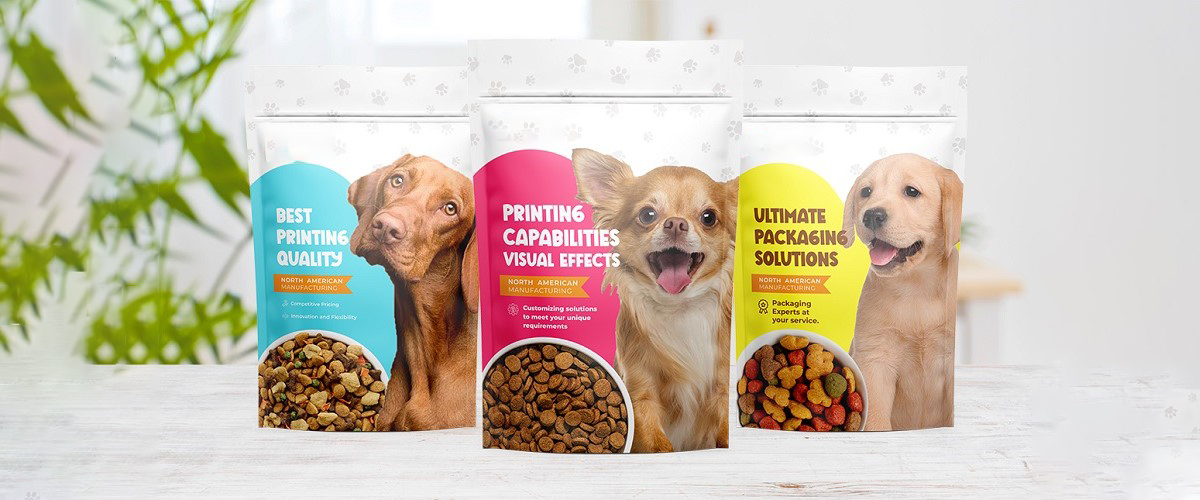
Dog food packaging is essential because it directly affects product quality, shelf life, and consumer confidence. Dog food is sensitive to moisture, oxygen, light, and contamination. Without proper barrier protection, fats can oxidize, nutrients can degrade, and flavors can deteriorate—leading to spoilage and safety concerns.
From a commercial perspective, packaging protects dog food during transportation and storage. Large bags of kibble must withstand stacking and handling, while smaller packages need puncture resistance and strong seals. Packaging failures not only cause product loss but can seriously damage brand reputation.
Equally important is perception. Pet owners associate strong, well-designed packaging with product safety and premium quality. If the packaging looks cheap or poorly sealed, consumers may question the food inside—no matter how good the formulation is.
2. What information do consumers care about on dog food packaging?
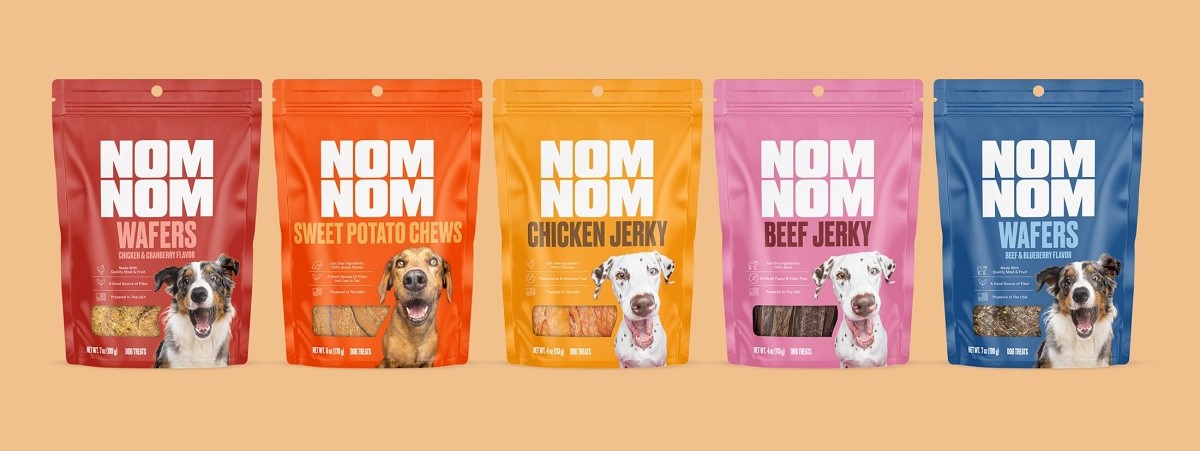
Dog food packaging serves as an information hub for consumers. Clear and transparent labeling builds trust and helps buyers make informed decisions.
Key information pet owners look for includes:
- Ingredient lists and protein sources
- Nutritional analysis and feeding guidelines
- Life-stage suitability (puppy, adult, senior)
- Certifications and quality claims
- Storage instructions and expiration dates
Modern consumers also value transparency about sourcing, manufacturing standards, and sustainability. Packaging that communicates these elements clearly has a strong advantage in competitive markets.
3. What materials are suitable for use in dog food packaging?
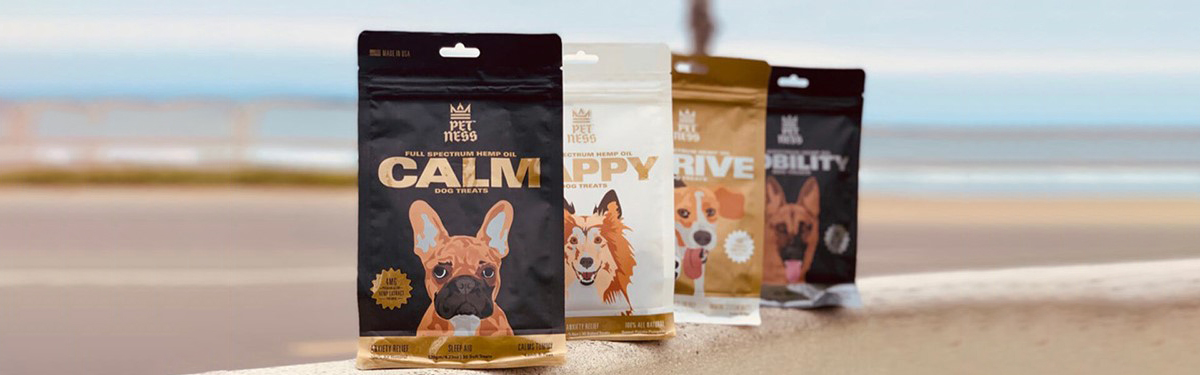
Dog food packaging materials must offer high barrier performance, durability, and food safety compliance. Flexible packaging is widely used due to its versatility and cost efficiency.
Common materials include PET, BOPP, PE, aluminum foil, and metallized films. These materials are often laminated to create multi-layer structures that block oxygen and moisture while maintaining strength.
For premium or eco-conscious brands, paper-plastic laminates and recyclable mono-material structures are gaining popularity. These options balance performance with improved sustainability profiles.
4. What should be considered when designing dog food packaging?
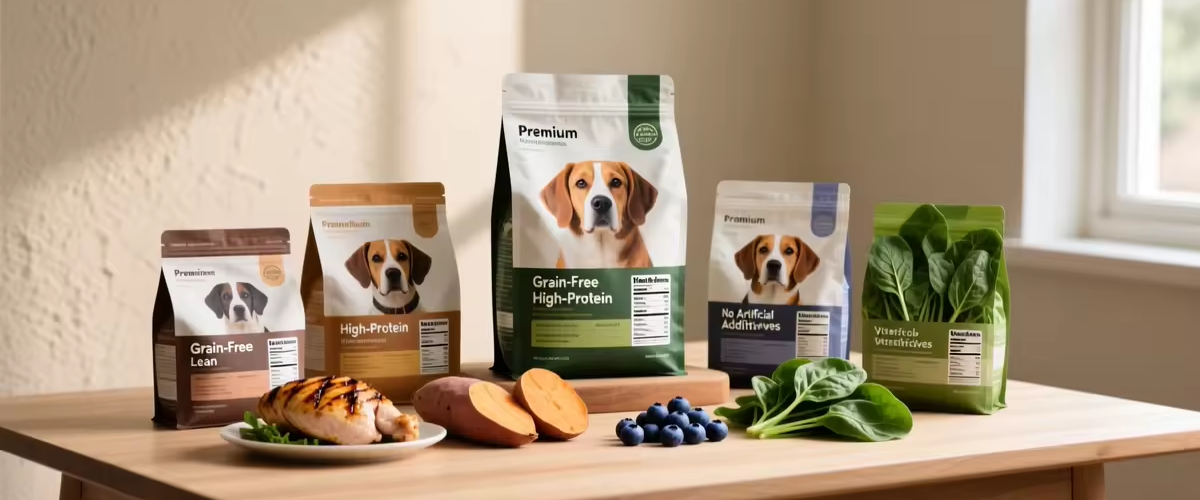
Designing dog food packaging requires a balance between functionality and branding. The packaging must be easy to handle, store, and reseal, especially for large-volume products.
Visual design is equally important. Colors, imagery, and typography should appeal to pet owners while reflecting the product’s positioning—whether premium, natural, or functional. Clear hierarchy in information layout ensures readability and trust.
Functional features such as zippers, tear notches, and reinforced seals significantly improve user experience and encourage repeat purchases.
5. Dog food packaging trends in 2026
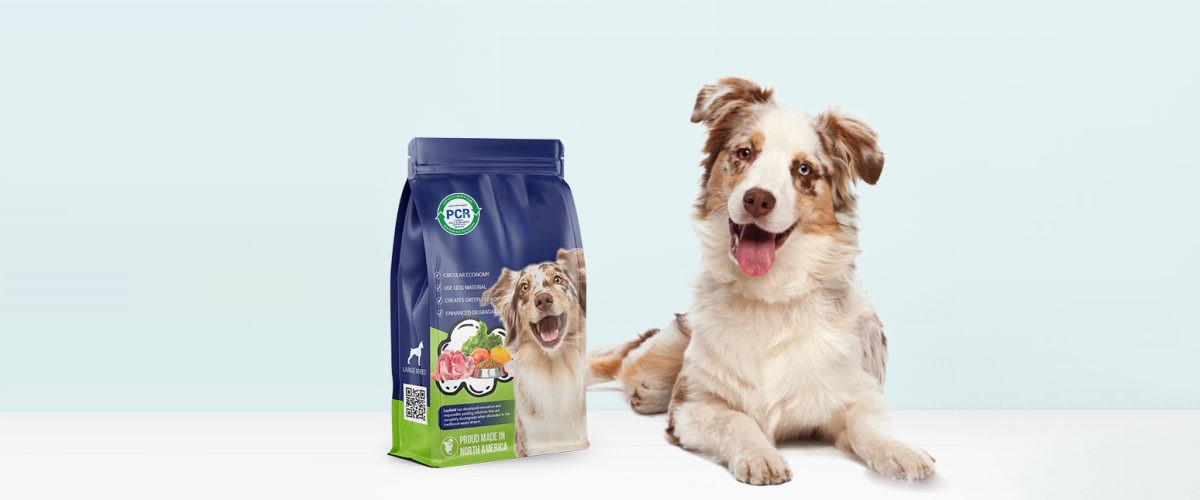
Looking ahead to 2026, dog food packaging trends will be driven by sustainability, convenience, and personalization. Recyclable and reduced-material packaging solutions will become more common as regulations tighten and consumer awareness grows.
Smart packaging features, such as QR codes for traceability and nutritional education, will gain traction. Meanwhile, premium finishes, custom shapes, and tactile effects will help brands differentiate in saturated markets.
Ultimately, dog food packaging will continue to evolve from a protective tool into a strategic brand asset.
FAQ
Why is resealable packaging important for dog food?
Resealable packaging helps maintain freshness and prevents contamination after opening.
Is flexible packaging safe for dog food?
Yes, when made with food-grade materials and proper barrier structures.
Do consumers care about sustainable dog food packaging?
Increasingly so—eco-friendly packaging can influence purchasing decisions.
Does packaging affect dog food shelf life?
Absolutely. Proper barrier materials significantly extend shelf life.
Conclusion
Dog food packaging is no longer just about containment—it is about protection, communication, and trust. By choosing the right materials, designing with both pets and owners in mind, and aligning with future trends, brands can elevate their products and stay competitive in a rapidly evolving market. In the pet food industry, great packaging is not optional—it is essential.