Things You Need to Know About Drip Coffee Bags
Anna_Yu
Things You Need to Know About Drip Coffee Bags
The global coffee industry has undergone massive transformation over the past decade. With the rise of convenience culture and specialty coffee consumption, one of the most innovative products to emerge is the drip coffee bag.
These single-serve brew systems bring together the craftsmanship of pour-over coffee and the simplicity of instant coffee, creating a perfect solution for busy lifestyles, travelers, and coffee lovers who want high-quality brews anytime, anywhere.
This comprehensive guide will explore everything you need to know about drip coffee bags — from their definition and materials to usage, benefits, and the reasons behind their surging popularity worldwide.
1. What is a drip coffee bag?
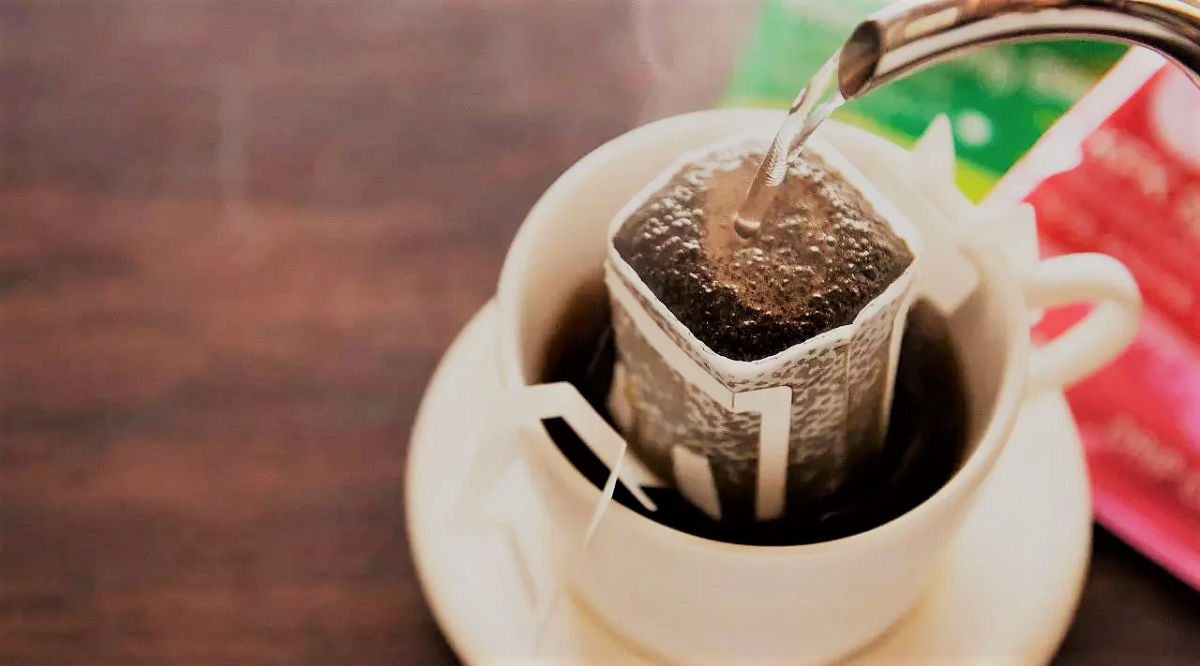
A drip coffee bag is a small, single-serving filter bag that contains freshly ground coffee. It is designed to hang over a cup or mug, allowing hot water to be poured through the grounds for a fresh and flavorful brew.
This innovation combines the taste quality of hand-brewed pour-over coffee with the ease and portability of instant coffee.
Structure of a drip coffee bag
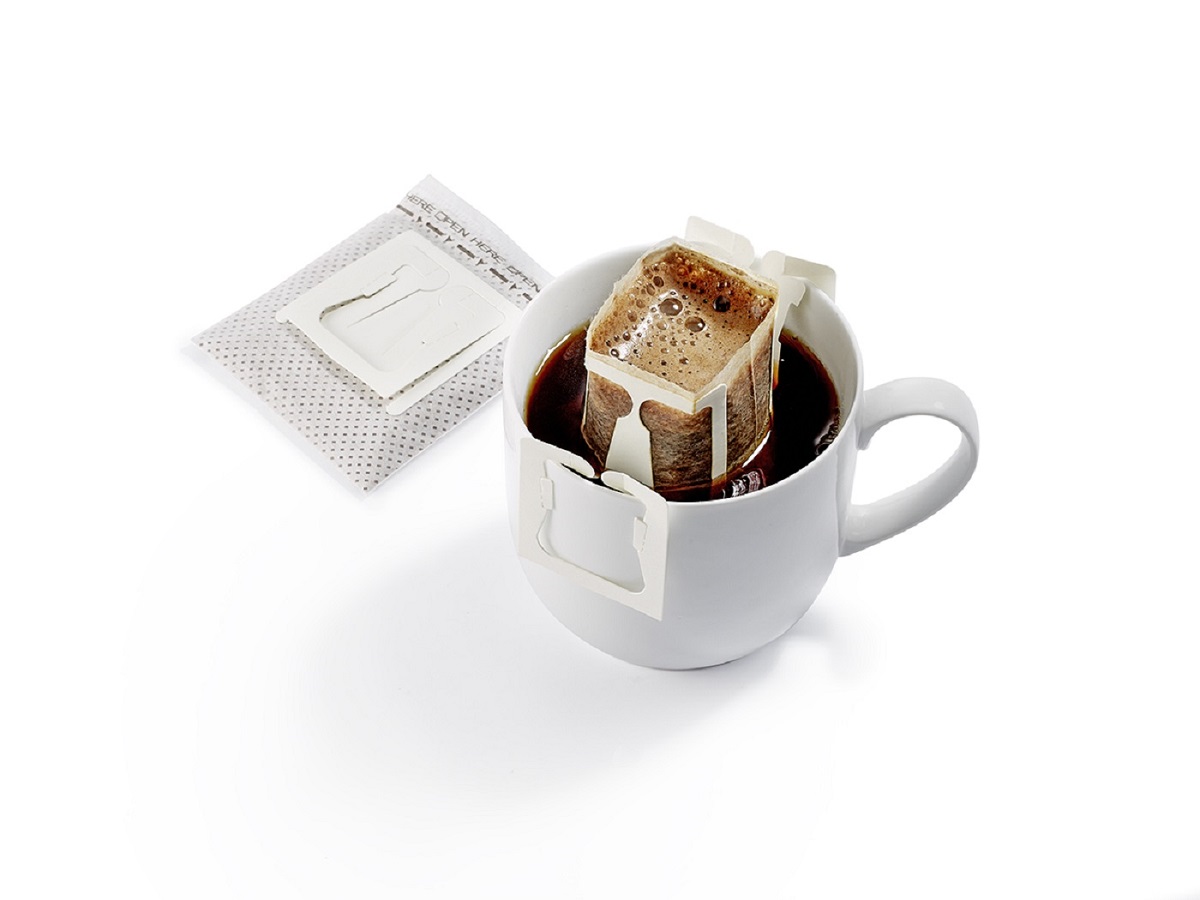
Drip coffee bags usually consist of three parts:
-
Filter Bag:
Made from a food-grade filter material (such as non-woven fabric or Japanese PET fiber mesh), this part holds the coffee grounds and allows hot water to pass through while trapping coffee particles. -
Hanging Ear Handles:
Two small paper or plastic arms that extend outward to hook onto the rim of a cup. These “wings” stabilize the bag during brewing. -
Outer Packaging Bag:
Typically made of aluminum foil laminate or other barrier materials, this outer pouch protects the coffee bag from oxygen, moisture, and light, maintaining freshness and aroma.
Coffee inside
Each drip bag generally contains 8–12 grams of ground coffee, perfectly portioned for a single 180–220ml cup.
The grind size is usually medium-fine, similar to pour-over, ensuring optimal extraction during brewing.
Evolution and innovation
Drip coffee bags were first invented in Japan in the 1990s by UCC Ueshima Coffee Co. Since then, they’ve become a staple in Japan and South Korea, and in recent years, they’ve expanded into the Western markets, driven by specialty coffee roasters and online subscription services.
In 2024, the global drip coffee bag market exceeded USD 500 million, and it’s projected to grow at a CAGR of over 7% from 2025–2030 as consumers increasingly prefer convenient premium coffee formats.
2. How to use a drip coffee bag?
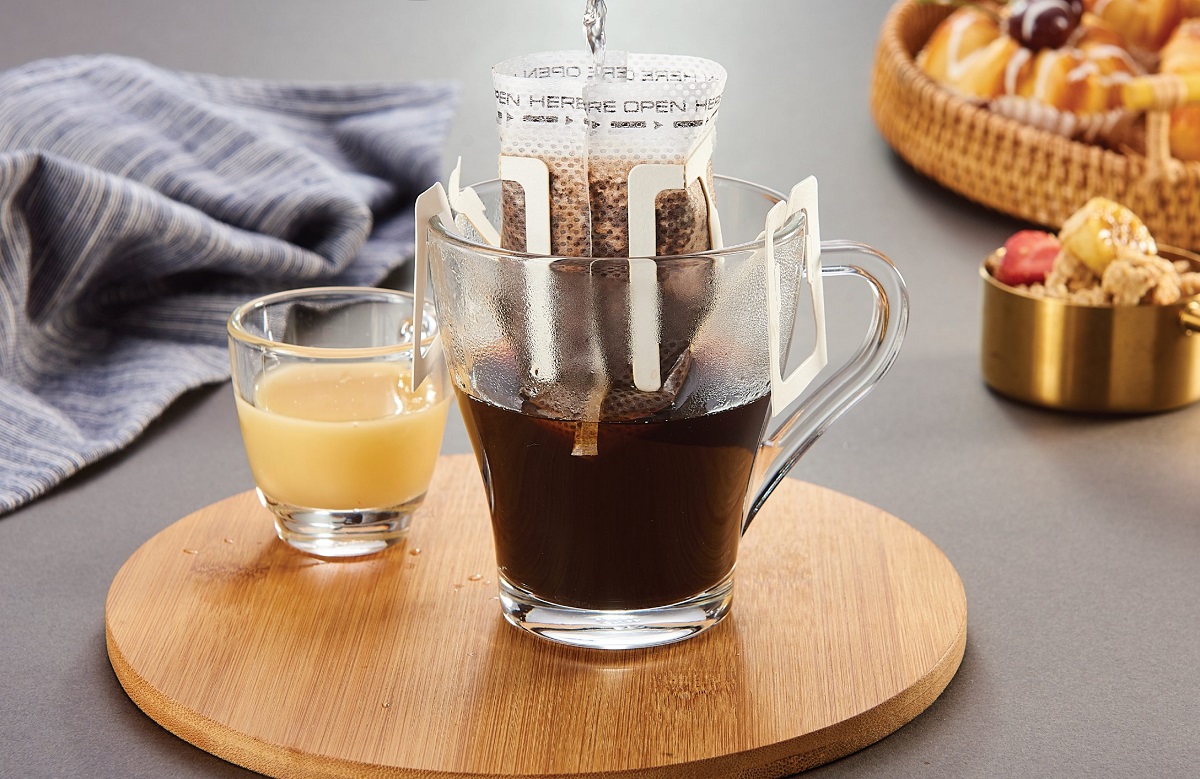
The beauty of the drip coffee bag lies in its simplicity. You don’t need machines, grinders, or special brewing skills. A cup, hot water, and a few minutes of patience are all it takes.
Step-by-step brewing guide
-
Open the outer foil pack
Tear along the top edge to reveal the sealed coffee filter bag. The fresh aroma of ground coffee will be immediately noticeable. -
Tear open the filter bag
Most drip bags have a perforated top seal. Tear it carefully to open the bag and expose the coffee grounds. -
Unfold and place on cup
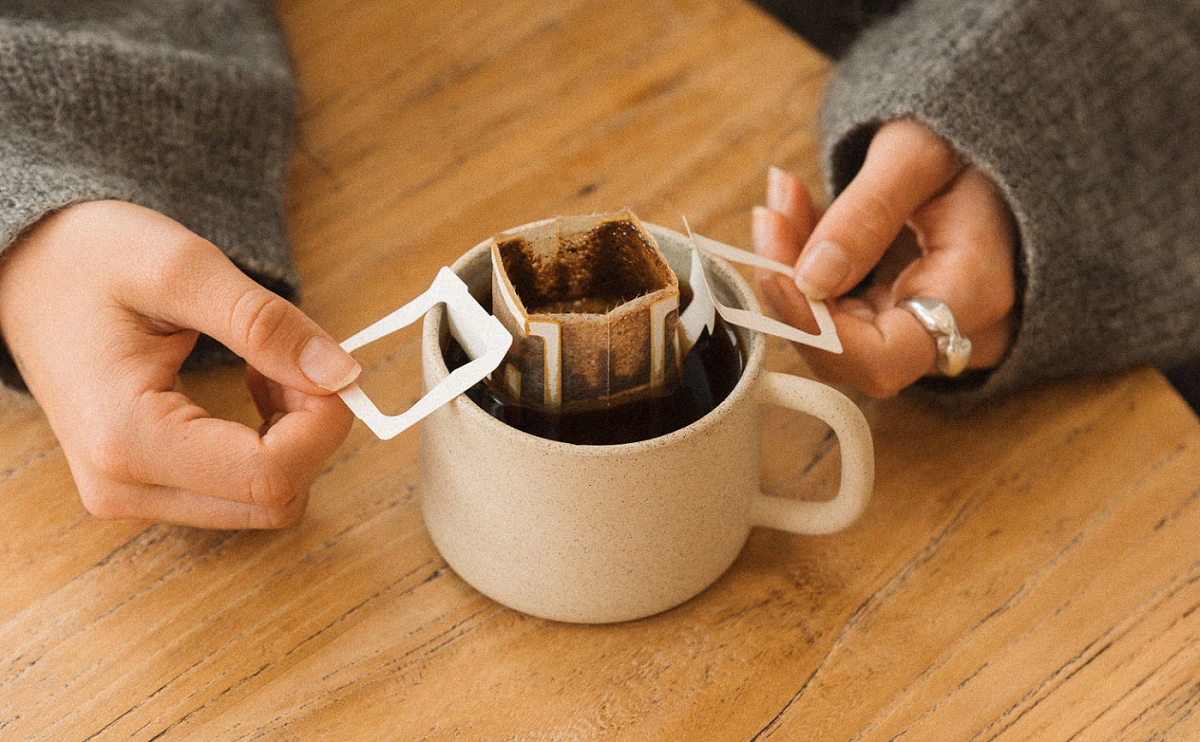
Extend the hanging ear handles and position them securely on both sides of your cup or mug. -
Pour hot water slowly
- Recommended water temperature: 90–95°C (194–203°F)
- First pour: Gently add about 20–30ml of hot water to allow the coffee to “bloom” for 20 seconds.
- Second and third pours: Slowly add water in small circular motions until you reach around 180–220ml.
-
Remove and enjoy
Once the dripping slows, remove the bag and discard it. You now have a fresh, aromatic cup of coffee — no machine needed.
Brewing tips for the best flavor
- Use freshly boiled, filtered water for clean taste.
- Don’t overfill the cup — balance extraction and strength.
- Gently tap the bag after final pour to extract remaining essence.
- Enjoy immediately for the best aroma and flavor.
3. What are the raw materials for drip coffee bags?
The performance and safety of a drip coffee bag depend heavily on the materials used in both the filter and the outer packaging. High-quality materials not only affect flavor clarity but also determine shelf life and sustainability.
3.1 Filter bag materials
| Material Type | Description | Advantages | Disadvantages |
|---|---|---|---|
| Non-woven fabric (PP/PET composite) | Commonly used in most commercial drip bags. | Economical, good filtration, heat-resistant. | Limited biodegradability. |
| Japanese PET fiber mesh | High-quality, food-grade mesh from Japan. | Excellent permeability, consistent flow, pure flavor. | Slightly more expensive. |
| Biodegradable PLA (polylactic acid) | Derived from corn starch, an eco-friendly alternative. | Compostable, reduces plastic waste. | Lower heat resistance than PET. |
| Paper-based filter | Made from natural pulp fiber, similar to traditional pour-over filters. | Great aroma retention, fully biodegradable. | Can break easily if soaked too long. |
3.2 Hanging ear handles
Typically made of:
- PET laminated paper for strength and water resistance.
- PE-coated paper for flexibility and eco-friendliness.
3.3 Outer packaging materials
The outer pouch plays a crucial role in maintaining freshness. Common structures include:
| Layer | Material | Function |
|---|---|---|
| Outer | PET or Kraft Paper | Provides structure, print surface, brand design. |
| Middle | Aluminum Foil or Metallized Film | Blocks oxygen, light, and aroma loss. |
| Inner | PE or CPP | Ensures heat sealing and moisture resistance. |
Some premium brands use nitrogen-flushed aluminum foil bags to preserve coffee freshness for up to 12 months.
4. What are the advantages and benefits of using these materials?
The choice of materials in drip coffee bags affects taste, freshness, sustainability, and user experience. Below are key benefits and how they impact both brands and consumers.
4.1 For flavor and freshness preservation
- Oxygen and moisture barriers:
Aluminum foil and metallized films protect against oxidation, preserving volatile aroma compounds and oils. - Consistent extraction:
Fine PET or PLA filters ensure uniform water flow, preventing over- or under-extraction. - Hygiene:
Food-grade certified materials reduce contamination risk during storage and transport.
4.2 For user convenience
- Lightweight and portable:
Perfect for travel, office, or outdoor activities. - Easy disposal:
Single-use bags mean no cleaning required. - Compact packaging:
Ideal for e-commerce and subscription models — easy to ship and store.
4.3 For sustainability
Sustainability is becoming a major purchasing factor for modern consumers:
- PLA and paper-based filters provide compostable options.
- Some brands now use mono-material PE packaging for easier recycling.
- Major coffee companies are transitioning toward eco-certified packaging, reducing carbon footprints.
A report by Allied Market Research (2024) revealed that over 48% of consumers prefer coffee packaging that explicitly highlights environmental benefits.
4.4 For brands and manufacturers
- Cost efficiency:
Producing drip coffee bags requires less energy and material than capsule systems. - Brand differentiation:
Custom printing, foil stamping, and matte finishes enhance brand identity. - Long shelf life:
Nitrogen sealing maintains coffee flavor for up to a year without preservatives.
5. Why have drip coffee bags become popular in recent years?
The popularity of drip coffee bags reflects a global lifestyle shift toward convenience, personalization, and quality. They bridge the gap between instant coffee and specialty brewing, appealing to both casual drinkers and coffee enthusiasts.
5.1 The convenience factor
Modern consumers want barista-quality coffee without equipment.
Drip coffee bags meet this need perfectly — portable, fast, and clean.
They fit seamlessly into office settings, hotel amenities, and travel kits.
5.2 Quality over instant coffee
Unlike instant coffee (which is freeze-dried or spray-dried extract), drip bags use freshly ground beans. The result is a cup with:
- Authentic aroma and flavor notes
- Full body and crema-like texture
- No artificial additives
Many roasters now highlight origin and roast profiles on packaging, just like high-end coffee beans.
5.3 Pandemic-driven demand
The COVID-19 pandemic accelerated the trend.
With more people working from home, demand for home-brewed premium coffee surged.
According to Euromonitor (2024), drip coffee bag sales increased by over 40% in Asia and 25% globally between 2020–2023.
5.4 Sustainability awareness
Capsule waste has become a global issue. Consumers are seeking alternatives that combine quality and eco-friendliness.
Drip bags, especially those made from biodegradable materials, are considered a greener choice.
Brands adopting compostable filters saw sales increase up to 30% compared to non-sustainable competitors.
5.5 E-commerce and gift packaging boom
The visually appealing, customizable nature of drip coffee bags has made them a favorite for gift boxes and online retail.
Many boutique roasters design limited-edition packs, seasonal blends, or personalized labels for corporate gifting.
5.6 Global cultural appeal
In Japan, drip coffee bags are a symbol of refined minimalism.
In Europe and the U.S., they represent the fusion of convenience and craftsmanship.
This cultural adaptability has allowed the product to gain traction in over 60 countries by 2025.
Conclusion
Drip coffee bags have revolutionized how people enjoy coffee — offering a perfect mix of convenience, quality, and sustainability.
From material innovation to evolving consumer preferences, this brewing method represents the future of portable specialty coffee.
Whether you’re a roaster looking to expand product lines or a coffee lover seeking the perfect on-the-go brew, understanding the structure, materials, and market trends of drip coffee bags is essential.
As environmental concerns and lifestyle shifts continue shaping the beverage industry, the humble drip coffee bag stands out as one of the most versatile, eco-friendly, and premium solutions in the modern coffee world.
In essence, drip coffee bags combine tradition, technology, and sustainability — all in one cup.