Today’s Frozen Food Packaging Bags
Anna_Yu
Today's Frozen Food Packaging Bags
Frozen food has become an essential part of modern life. From busy families stocking up on ready-to-cook meals to restaurants relying on consistent, long-shelf-life ingredients, frozen foods now occupy a permanent place in global food systems. Behind this rapid growth lies a critical but often overlooked factor: frozen food packaging bags. These packaging solutions are not just containers; they are protective systems designed to preserve taste, texture, nutrition, and safety under extreme temperature conditions.
Unlike ambient or refrigerated products, frozen foods face unique challenges. Low temperatures, ice crystal formation, moisture migration, and long-distance cold-chain transportation all place heavy demands on packaging performance. A poorly designed frozen food bag can lead to freezer burn, flavor loss, package cracking, or seal failure—ultimately damaging brand reputation and increasing waste.
At the same time, frozen food brands are under pressure to improve sustainability, enhance shelf appeal, and reduce costs. Consumers expect packaging that is durable, easy to open, resealable, visually appealing, and environmentally responsible. As a result, frozen food packaging bags have evolved into highly engineered flexible packaging solutions that balance protection, convenience, branding, and efficiency.
In this article, we will take a detailed look at today’s frozen food packaging bags. We’ll explain what they are, examine their commercial value, explore common bag types, analyze the challenges they face, and provide practical guidance on how to choose the right frozen food packaging for your product.
What Are Frozen Food Packaging Bags?
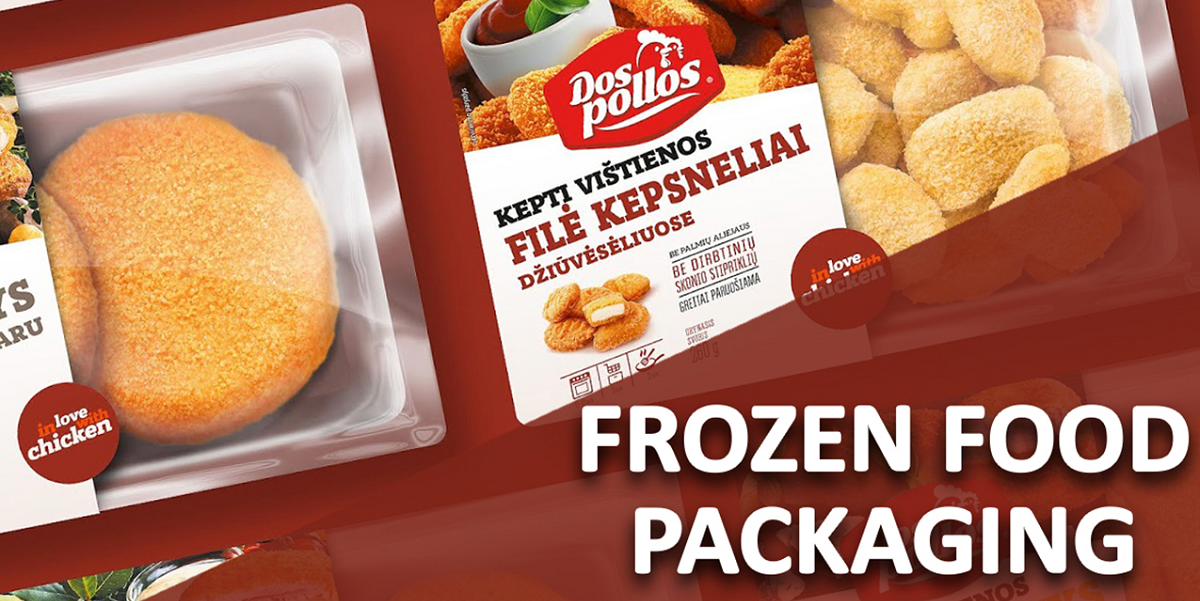
Frozen food packaging bags are flexible packaging solutions specifically designed to store, protect, and preserve food products at freezing temperatures, typically ranging from -18°C to -40°C. Their primary function is to maintain product quality throughout freezing, storage, transportation, and consumer use.
Core Functions of Frozen Food Packaging Bags
Frozen food packaging bags must:
- Prevent moisture loss and freezer burn
- Block oxygen to slow oxidation
- Resist cracking and brittleness at low temperatures
- Maintain seal integrity during freezing and thawing cycles
- Protect food from contamination and odor absorption
Common Products Using Frozen Food Packaging Bags
These bags are widely used for:
- Frozen vegetables and fruits
- Frozen meat, seafood, and poultry
- Ready-to-eat frozen meals
- Dumplings, pastries, and bakery items
- Ice cream inclusions and frozen snacks
Unlike rigid containers, flexible frozen food bags offer lightweight construction, space efficiency, and excellent adaptability to different product shapes and volumes.
What Is the Commercial Value of Frozen Food Packaging Bags?
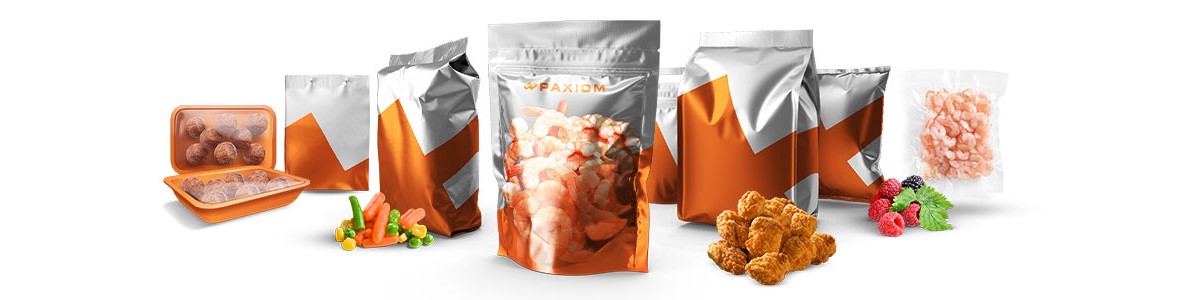
Frozen food packaging bags play a crucial role in the commercial success of frozen food brands. Their value extends far beyond basic containment.
Extending Shelf Life and Reducing Waste
High-barrier frozen food packaging significantly reduces product degradation. By minimizing oxygen and moisture transmission, these bags help brands:
- Extend shelf life
- Reduce freezer burn
- Minimize product returns and complaints
Enhancing Brand Image and Shelf Appeal
Modern frozen food packaging bags support:
- High-quality printing and graphics
- Clear product windows or frosted effects
- Premium matte or glossy finishes
Attractive packaging directly influences purchasing decisions in competitive freezer aisles.
Improving Logistics and Cost Efficiency
Compared to rigid packaging, flexible frozen food bags:
- Reduce transportation costs due to lighter weight
- Optimize storage space in freezers
- Lower material and shipping expenses
Supporting Product Differentiation
With customizable sizes, shapes, and features (such as resealable zippers or tear notches), brands can tailor packaging to specific market segments and usage scenarios.
What Types of Bags Are Commonly Used for Packaging Frozen Foods?
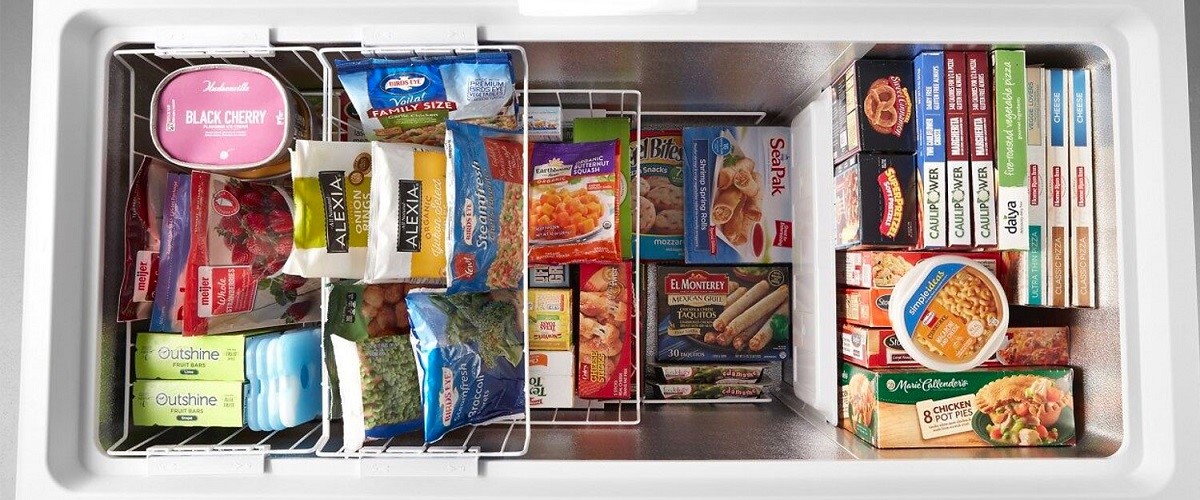
Different frozen foods require different packaging formats. Below are the most commonly used frozen food packaging bag types.
Flat Frozen Food Bags
Flat bags are widely used for frozen vegetables, fruits, and seafood. They are cost-effective and easy to stack in freezers.
Key features:
- Simple structure
- Strong seals
- High production efficiency
Stand-Up Pouches (Doypack)
Stand-up pouches are increasingly popular for frozen fruits, snacks, and ready-to-cook products.
Advantages:
- Excellent shelf visibility
- Resealable options
- Premium brand presentation
Zipper Frozen Food Bags
Zipper bags allow consumers to open and reseal packaging multiple times without compromising freshness.
Best for:
- Frozen berries
- Frozen snacks
- Family-size portions
Vacuum and High-Barrier Bags
Vacuum-sealed frozen food bags remove excess air to reduce oxidation and freezer burn.
Common applications:
- Frozen meat
- Seafood
- Premium protein products
Custom-Shaped Frozen Food Bags
Some brands use uniquely shaped bags to enhance brand recognition and stand out in freezer displays.
What Are the Challenges Facing Frozen Food Packaging Bags?
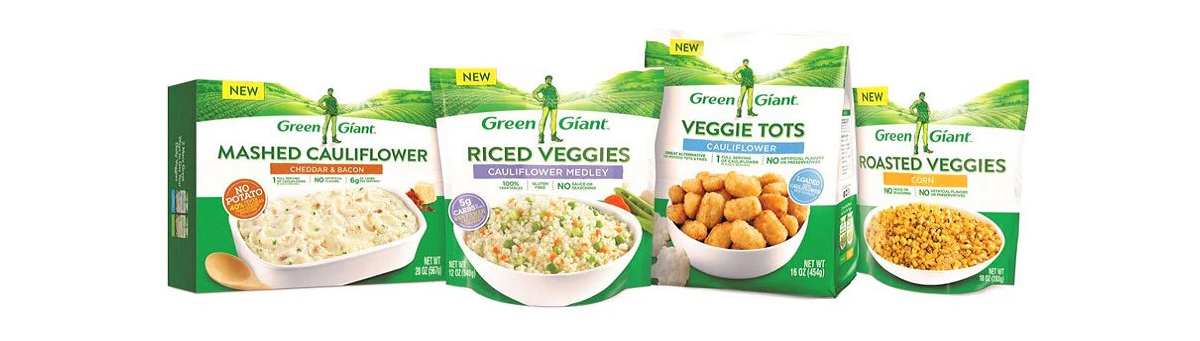
Frozen food packaging must overcome a set of demanding technical and environmental challenges.
Low-Temperature Brittleness
Some plastic materials become brittle at freezing temperatures, increasing the risk of cracking and seal failure.
Moisture and Freezer Burn
Inadequate moisture barriers lead to dehydration and texture damage, commonly known as freezer burn.
Seal Integrity Under Stress
Packaging must maintain strong seals despite:
- Temperature fluctuations
- Mechanical stress during transport
- Expansion and contraction during freezing
Sustainability Pressures
Brands face increasing pressure to:
- Reduce plastic usage
- Improve recyclability
- Shift toward mono-material structures
Balancing sustainability with performance remains one of the biggest challenges in frozen food packaging design.
How to Choose the Right Frozen Food Packaging for Your Product?
Selecting the right frozen food packaging bag requires a systematic approach.
Understand Your Product Characteristics
Consider:
- Moisture content
- Fat content
- Sensitivity to oxygen
- Portion size and usage frequency
Choose the Right Material Structure
Common material combinations include:
- PE-based laminations for flexibility and sealability
- PET/PE structures for strength and printability
- Metallized films for enhanced barrier performance
Consider Consumer Convenience
Features such as:
- Easy-tear notches
- Resealable zippers
- Clear labeling
greatly improve user experience and brand loyalty.
Balance Cost and Performance
Not every frozen food requires ultra-high barrier materials. Choose packaging that meets performance needs without unnecessary cost.
Ensure Regulatory Compliance
All materials must meet food safety standards and cold-chain regulations in target markets.
FAQ
Why do frozen food packaging bags need special materials?
Because standard materials may crack, lose flexibility, or fail to protect food at freezing temperatures.
Are frozen food packaging bags recyclable?
Some are recyclable, especially mono-material PE structures, but recycling depends on local infrastructure.
Can frozen food packaging include resealable features?
Yes, zippers and press-to-close systems are widely used and highly valued by consumers.
What causes freezer burn even with packaging?
Freezer burn usually results from insufficient moisture and oxygen barriers or damaged seals.
Conclusion
Today’s frozen food packaging bags are highly specialized flexible packaging solutions engineered to perform under extreme conditions. They protect food quality, extend shelf life, support branding, and improve supply chain efficiency. As frozen food consumption continues to grow worldwide, packaging innovation will focus on stronger performance, better sustainability, and enhanced consumer convenience. Choosing the right frozen food packaging is not just a technical decision—it is a strategic investment in product success.