Transparent Packaging Bags: Enhance Product Visibility
Anna_Yu
Transparent Packaging Bags: Enhance Product Visibility
Transparent packaging bags have become one of the most influential solutions in modern packaging, especially in industries where appearance, clarity, and the ability to “show the product directly” are critical to attracting consumers. As global markets shift toward visual-driven purchasing behavior, transparent packaging continues to gain importance. The widespread use of transparent materials, including various plastics and multi-layer composites, reflects a broader shift toward authenticity, consumer trust, and visual merchandising. Today’s brands rely heavily on transparent packaging not only to present product quality but also to reinforce clean, modern, and minimalist design trends. At the same time, manufacturers recognize that transparency must be paired with durability, barrier protection, and structural strength to ensure that products remain safe and stable throughout transportation, storage, and display. This makes transparent packaging bags a unique combination of aesthetic value and engineering performance.
Furthermore, as e-commerce, retail, food service, health products, and beauty industries continue to expand, consumer expectations for packaging transparency have risen significantly. Customers want to see what they are buying, evaluate freshness or authenticity, and feel confident in the product’s quality. Transparent bags provide exactly this experience while maintaining strong practicality. With technological advancements in materials science, such as improved OPP, PET, PA, and CPP laminations, transparent packaging today performs far better than early versions that lacked strength or barrier control. Innovation also supports sustainability, with recyclable and mono-material transparent packaging now becoming more accessible. Overall, transparent packaging bags are not only visually appealing but also an integral part of a brand’s identity, offering clear competitive advantages in a crowded marketplace.
1. What are transparent packaging bags?
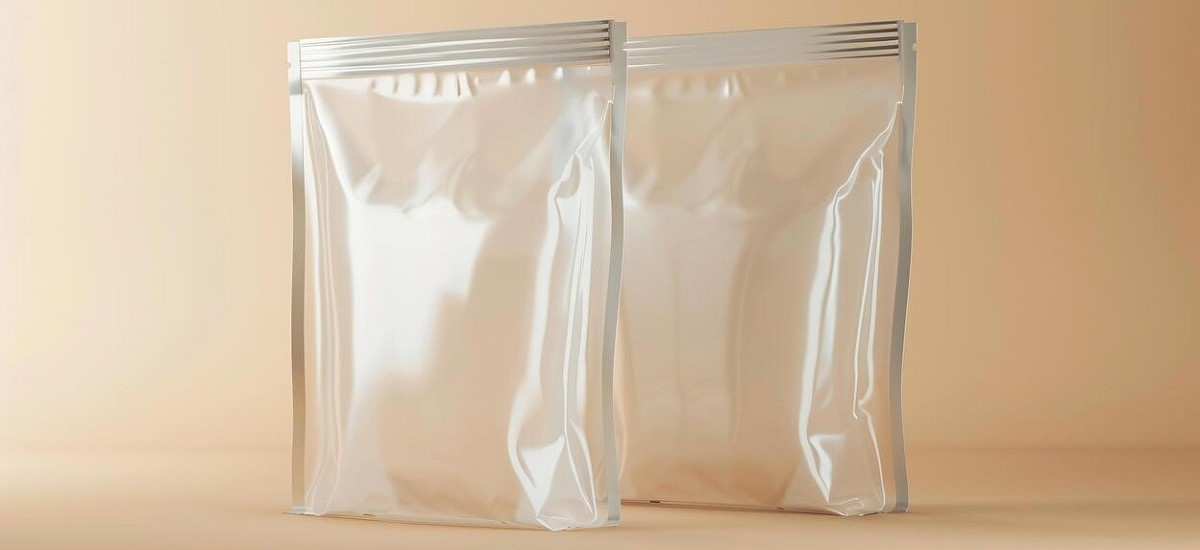
Transparent packaging bags refer to flexible packaging solutions made from clear or partially clear films that allow consumers to see the contents directly. They can be fully transparent, half-transparent, or include transparent windows embedded in an otherwise opaque structure.
Common forms include:
- Flat bags
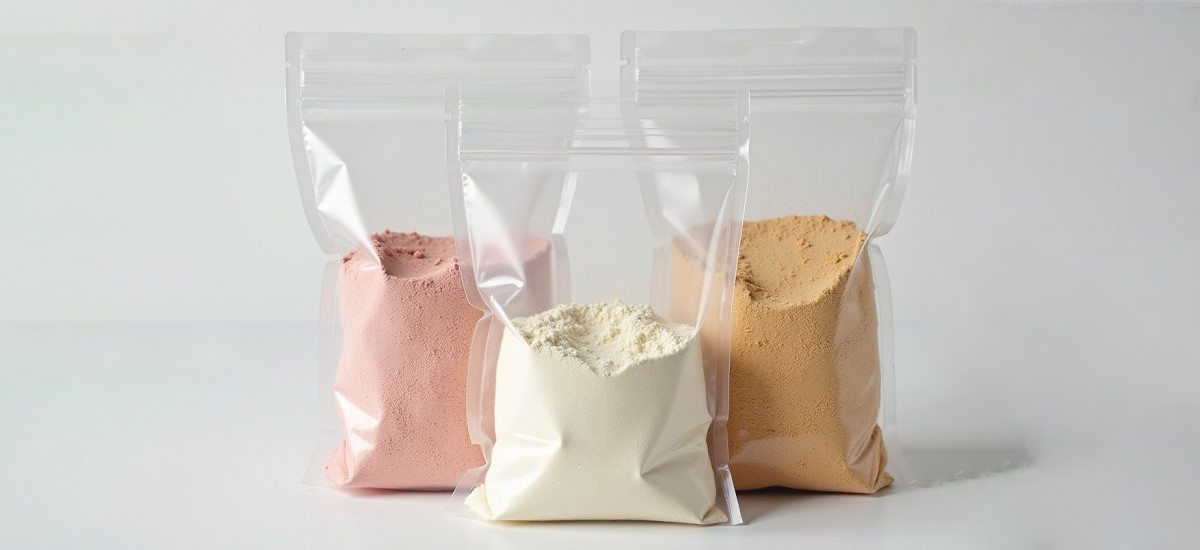
- Ziplock bags
- Stand-up pouches
- Side-gusset bags
- Roll film with transparent material
- Window pouches for food, beauty products, and snacks
The primary purpose of transparent bags is to enhance product visibility, build consumer trust, and improve shelf appeal by allowing the natural appearance of the product to become part of the packaging design.
2. What are the commonly used materials for transparent packaging bags?
Transparent packaging bags are typically made of high-clarity plastic films, either as single-layer or laminated structures.
Common transparent materials include:
| Material | Characteristics | Common Uses |
|---|---|---|
| OPP (Oriented Polypropylene) | High transparency, good stiffness | Snacks, bakery goods, lightweight items |
| PET (Polyester Film) | Strong clarity, high strength, excellent printability | Food, cosmetics, pharmaceuticals |
| PA (Nylon) | Tough, puncture-resistant, moderate transparency | Vacuum bags, meat, nuts, dried foods |
| CPP (Cast Polypropylene) | Soft, heat-sealable, high clarity | Food packaging seals, inner layers |
| PE (Polyethylene) | Flexible, safe for food, moderate clarity | Frozen food, produce, bread bags |
Lamination Examples:
- PET/PE → high clarity + strength + heat sealing
- OPP/CPP → crinkly texture with excellent transparency
- PA/PE → good for vacuum packaging with visible contents
The selection of materials depends on the product’s barrier needs, weight, shelf-life requirements, and display preferences.
3. What are the advantages and benefits of transparent packaging bags?
Transparent packaging bags offer several key advantages, making them highly suitable for modern retail environments.
A. Visibility & Consumer Trust
Consumers can see the actual product, which:
- Helps build confidence in product quality
- Reduces hesitation and uncertainty
- Improves decision-making during shopping
B. Increases Shelf Appeal
Transparent designs elevate product presentation by allowing natural colors, textures, or shapes to play a role in branding.
C. Versatile for Branding
Transparent bags can incorporate:
- Printed logos
- Minimalist layouts
- Colored edges
- Product windows
- Matte + clear combinations
This allows brands to maintain a premium look while showcasing the product.
D. Supports Product Verification
Transparency helps consumers inspect:
- Freshness
- Quantity
- Quality consistency
- Color
- Texture
Especially important for food, cosmetics, and specialty products.
E. Cost-Effective
Transparent materials are generally:
- Easy to source
- Affordable
- Simple to convert into various bag shapes
This makes them suitable for businesses of any size.
F. Compatible With Many Bag Types
Transparent materials can be applied to nearly all flexible packaging formats, providing high design flexibility.
4. Which industries use transparent packaging bags?
Transparent packaging bags are widely used across many sectors due to their versatility and strong consumer appeal.
A. Food Industry
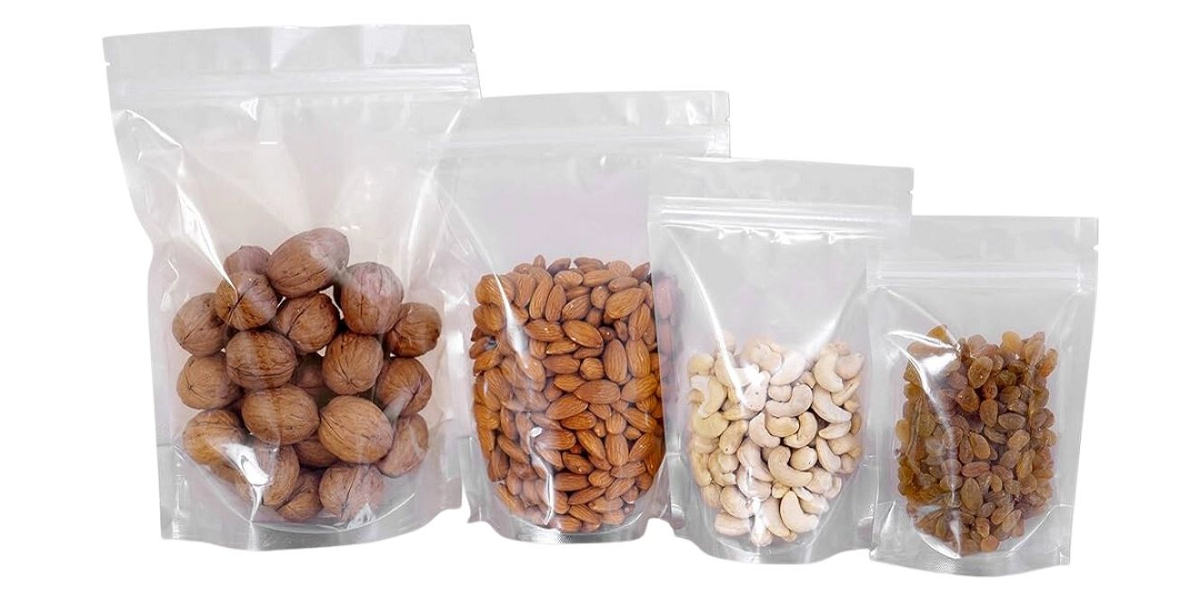
- Snacks
- Dried fruits
- Nuts
- Pasta
- Rice
- Coffee beans (with clear window)
- Bakery goods
- Candy and confectionery
B. Beauty & Cosmetics
- Facial masks
- Beauty tools
- Cosmetic accessories
- Sample sachets
C. Health & Wellness
- Vitamins
- Supplements
- Herbal products
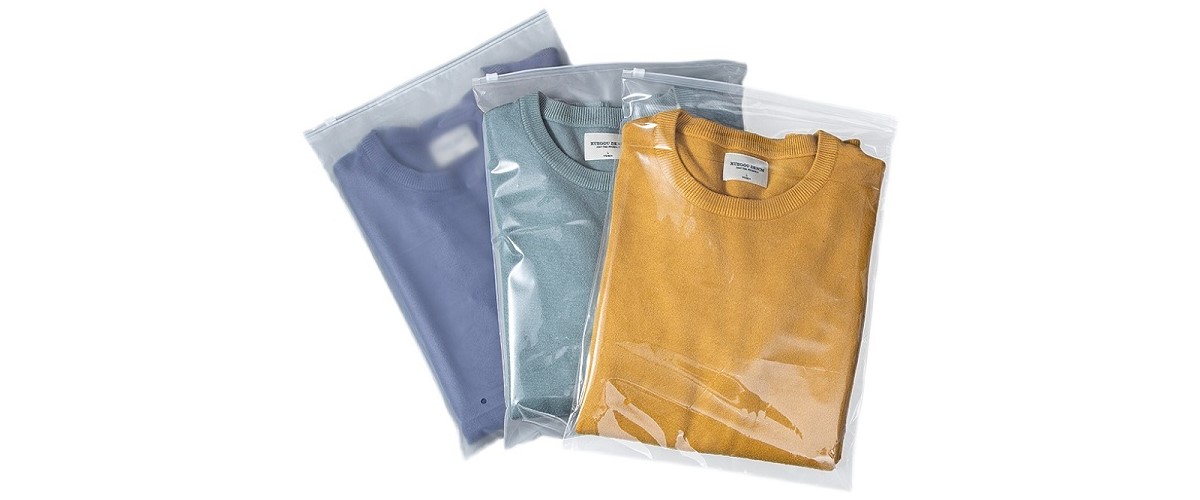
D. Clothing & Accessories
- Socks
- Underwear
- Small textile goods
- Jewelry
E. Pet Food
- Small treats
- Chews
- Biscuits
F. Hardware & Tools
- Screws
- Components
- Small repair kits
G. E-Commerce
Transparent packaging is popular for online sellers due to its professional visual impact while maintaining low production costs.
Overall, any industry that values product visibility benefits from transparent packaging.
5. What are the future trends for transparent packaging bags?
As technology and consumer preferences evolve, transparent packaging continues to develop in both function and aesthetic design.
1. Sustainable Transparent Packaging
Trend includes:
- Mono-material PP or PE solutions
- Recyclable transparent films
- Biodegradable clear packaging
- Reduced ink to maintain clarity
2. Improved Barrier Transparent Films
New materials offer:
- Better oxygen/moisture resistance
- Longer product shelf life
- Enhanced durability without sacrificing clarity
3. Transparent Matte & Soft-Touch Effects
Premium aesthetics through:
- Frosted windows
- Matte + clear hybrid designs
- Minimalist styles becoming mainstream
4. Intelligent Transparent Packaging
Future possibilities:
- QR code integration
- Temperature-sensitive indicators
- Anti-counterfeit transparent elements
5. Customizable Window Shapes
More brands are creating:
- Heart-shaped windows
- Circular or geometric windows
- Product-silhouette windows
These strengthen brand identity and differentiate products on crowded shelves.
6. Transparent Packaging in Luxury Markets
High-end brands are using transparent packaging for:
- Specialty foods
- Cosmetics
- Premium teas
- Boutique handmade goods
Clear presentation helps communicate authenticity and craftsmanship.
Conclusion
Transparent packaging bags have become a dominant force in modern packaging thanks to their superior visibility, strong aesthetic value, and alignment with consumer expectations for honesty and clarity. They combine practicality with branding power, enhancing trust and elevating product presentation. As industries move toward sustainability, transparency continues to play a vital role in packaging innovation through recyclable materials, improved barrier films, and creative window designs. Whether for food, beauty products, e-commerce, or specialty goods, transparent packaging is a strategic choice that offers both functional advantages and emotional appeal. With future trends leaning toward eco-friendly solutions and smart packaging technologies, transparent bags will remain essential in shaping the next generation of flexible packaging.
FAQ
1. Are transparent packaging bags food-safe?
Yes. Most transparent films like PET, PE, OPP, and CPP are food-grade and approved for direct contact.
2. Do transparent bags have strong barrier protection?
Some materials do, such as PET/PE or PA/PE laminations. Single-layer OPP may have lower barrier properties, so laminated structures are often used.
3. Can transparent bags be customized?
Absolutely. You can customize size, thickness, windows, printing, zippers, hang holes, matte finishes, and more.
4. Are transparent bags recyclable?
Mono-material PE or PP transparent bags are recyclable. Laminated structures depend on local regulations.
5. Can transparent bags work with vacuum or high-barrier products?
Yes, as long as reinforced materials like PA/PE or PET-based laminations are used.