Trends and Opportunities in Snack Food Packaging
Anna_Yu
Trends and Opportunities in Snack Food Packaging
The snack food market is evolving faster than ever. Consumer lifestyles are becoming more fragmented, purchasing channels more diversified, and brand competition more intense. In this environment, snack food packaging is no longer just a container, but a strategic tool that connects products, brands, and consumers. Packaging now carries responsibilities that go far beyond protection—it must communicate value, attract attention, ensure convenience, and align with sustainability expectations.
By 2026, snack packaging is expected to reflect several major shifts: flexible structures replacing rigid ones, digital printing enabling rapid brand iteration, and eco-friendly materials moving from “nice-to-have” to “must-have.” At the same time, consumers are demanding packaging that fits into their daily lives—easy to open, easy to carry, and easy to reseal.
This article explores the key trends and opportunities in snack food packaging, why flexible packaging continues to dominate the category, the most common flexible bag types used today, and how digital printing is reshaping snack packaging strategies for brands of all sizes.
1. What Are the Trends in Snack Food Packaging in 2026?
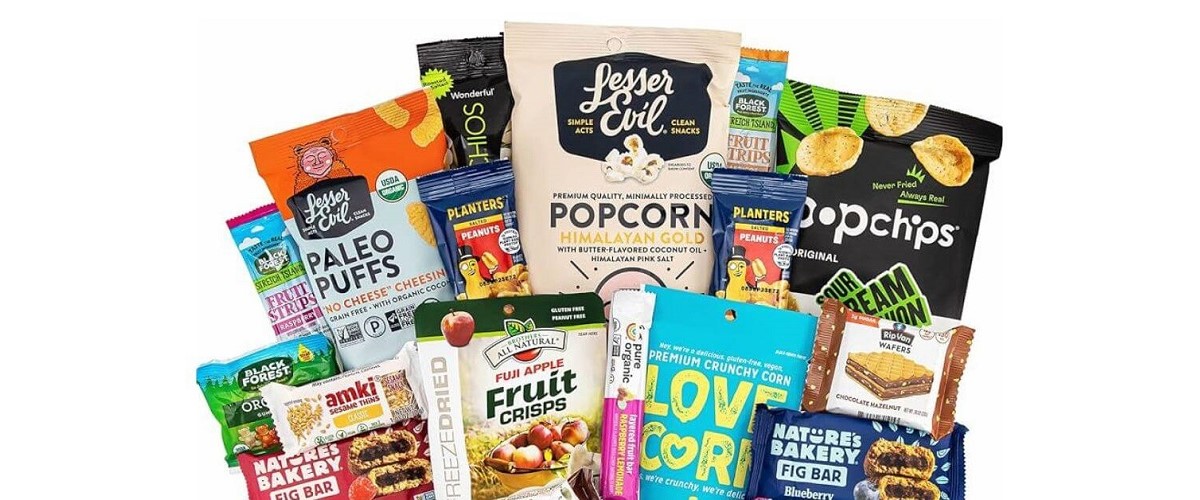
By 2026, snack food packaging trends are shaped by consumer behavior, technology, and sustainability pressure. One of the most visible trends is the move toward lighter, more compact packaging. Brands are reducing material usage while maintaining performance, helping lower transportation costs and carbon footprints.
Another strong trend is sustainability-driven design. Recyclable mono-material structures, bio-based films, and reduced ink coverage are becoming mainstream rather than experimental. Consumers increasingly expect brands to demonstrate environmental responsibility through packaging choices.
Personalization and limited editions are also growing. Seasonal designs, regional flavors, and influencer collaborations require packaging solutions that support short runs and fast turnaround—something traditional printing struggled to deliver in the past.
Finally, convenience-focused features such as resealable zippers, easy-tear notches, and portion-controlled packs are no longer premium extras. They are becoming standard expectations, especially for on-the-go snacks.
2. Why Is Flexible Packaging the Best Choice for Snack Packaging?
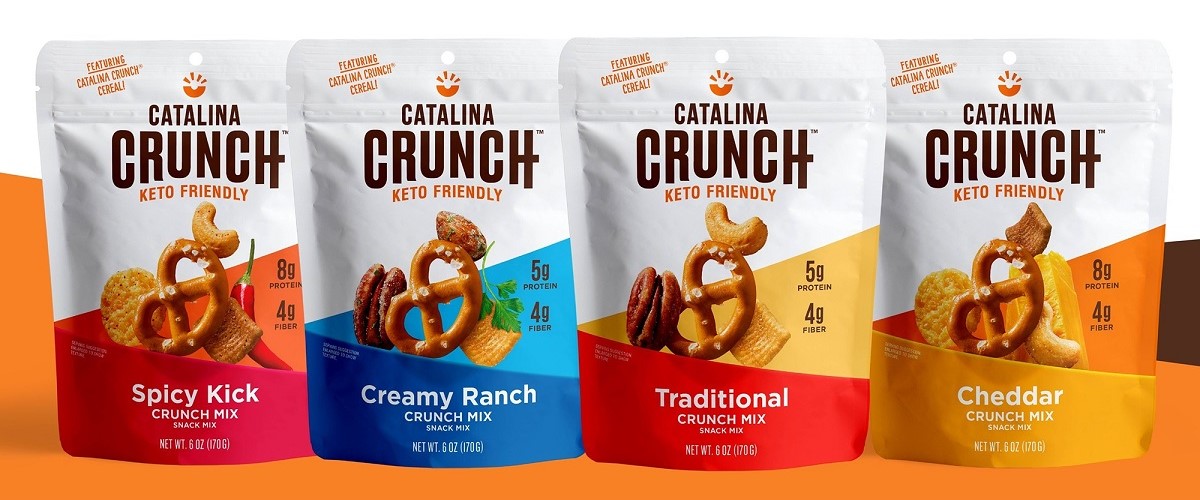
Flexible packaging has become the dominant format for snack foods because it aligns perfectly with modern snack consumption habits. Compared with rigid packaging, flexible packaging is lighter, takes up less space, and offers better cost efficiency throughout the supply chain.
From a functional standpoint, flexible packaging provides excellent barrier protection against moisture, oxygen, and light—three major factors that affect snack freshness and shelf life. Multi-layer laminate structures can be customized based on the specific needs of chips, nuts, candies, baked snacks, or dried fruits.
Flexible packaging also offers unmatched design freedom. High-quality graphics, matte or gloss finishes, transparent windows, and special effects can all be easily integrated, helping brands stand out in crowded retail environments.
Most importantly, flexible packaging supports consumer convenience. Resealable features, lightweight portability, and easy storage make it ideal for snacks consumed across multiple occasions.
3. What Are Some Common Types of Flexible Packaging Bags?
Several flexible packaging bag types are widely used in the snack food industry, each serving different product and marketing needs.
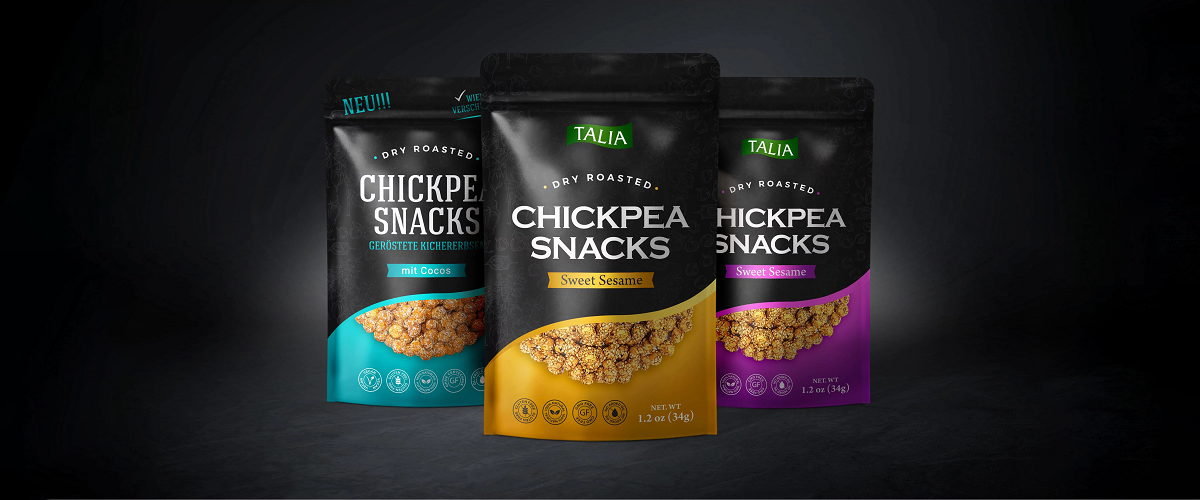
Stand-up pouches are one of the most popular choices. Their ability to stand upright on shelves enhances visibility, while features like zippers and tear notches improve usability.
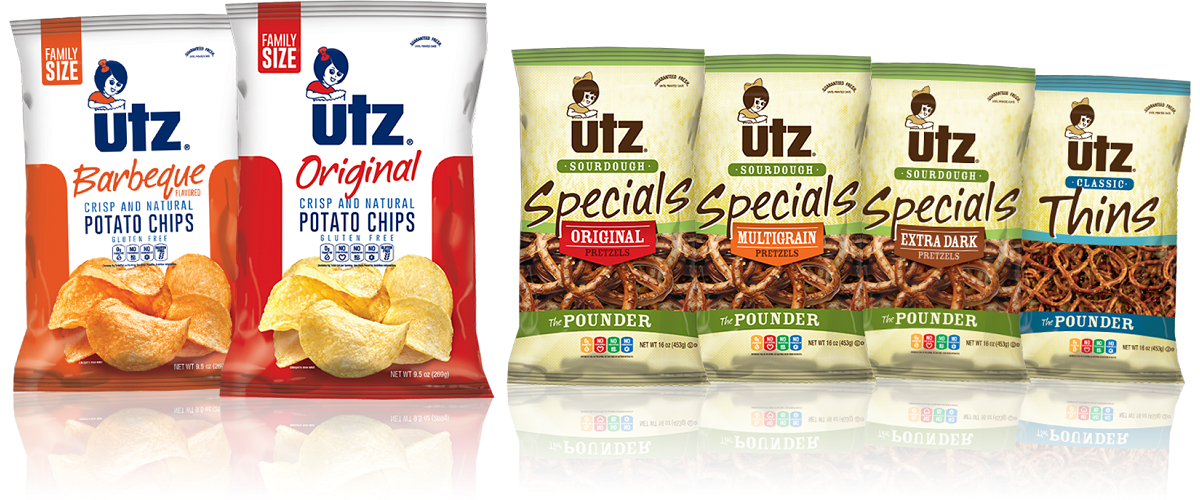
Pillow bags (flow wrap packaging) are commonly used for chips, cookies, and single-serve snacks. They are cost-effective, efficient for high-speed production, and ideal for large-volume distribution.
Three-side seal bags are often used for flat snacks or sample-size packaging. Their simple structure keeps costs low while providing sufficient protection.
Quad seal bags and flat-bottom bags are gaining popularity in premium snack segments. These bags offer a box-like appearance, strong shelf presence, and larger printable areas for branding.
Each bag type can be customized with different materials, finishes, and functional features depending on product positioning.
4. How Does Digital Printing Affect the Packaging of Snack Foods?
Digital printing is transforming snack food packaging by making it faster, more flexible, and more responsive to market trends. Unlike traditional gravure or flexographic printing, digital printing does not require plates, which significantly reduces setup time and costs for short runs.
This allows snack brands to:
- Launch limited editions quickly
- Test new flavors or markets with minimal risk
- Personalize packaging for promotions or events
Digital printing also supports variable data printing, enabling different designs within the same production run. This is especially valuable for brand storytelling, regional marketing, and interactive campaigns.
From a design perspective, digital printing delivers high-resolution graphics and consistent color quality, helping even small brands achieve a premium look. As the technology continues to mature, digital printing is becoming a powerful tool for innovation and differentiation in snack food packaging.
FAQ
Is flexible packaging suitable for all types of snacks?
Yes. With the right material structure, flexible packaging can be adapted for dry, oily, crunchy, or soft snacks.
Will sustainable snack packaging cost more?
Initially, some eco-friendly materials may be slightly higher in cost, but long-term benefits and consumer preference often outweigh the difference.
Can digital printing replace traditional printing completely?
Not entirely. Digital printing excels at short runs and customization, while traditional printing remains cost-effective for very large volumes.
Which snack packaging format is best for new brands?
Stand-up pouches with digital printing are often ideal due to low minimum order quantities and strong shelf appeal.
Conclusion
Snack food packaging in 2026 is defined by flexibility, sustainability, and speed. Flexible packaging continues to dominate because it meets functional needs while supporting creative branding and consumer convenience. With the rise of digital printing and eco-conscious materials, snack brands now have more opportunities than ever to innovate, differentiate, and respond quickly to changing market demands. The brands that succeed will be those that view packaging not as a cost, but as a strategic growth tool.