Understanding Mylar: Is It Truly Recyclable?
Anna_Yu
Understanding Mylar: Is It Truly Recyclable?
Mylar has become a buzzword in modern packaging. From food storage and electronics to pharmaceuticals and emergency blankets, this versatile material has shaped industries worldwide. Its shimmering surface and durable structure make it an ideal choice for protecting products against moisture, oxygen, and light. Yet as sustainability becomes a top concern, one question looms large: Is Mylar truly recyclable?
In this comprehensive guide, we’ll explore what Mylar really is, its advantages and applications, and most importantly, how the packaging industry is adapting to meet eco-friendly demands. With detailed insights into the material’s structure and recycling challenges, you’ll gain a clear understanding of both its benefits and its environmental implications.
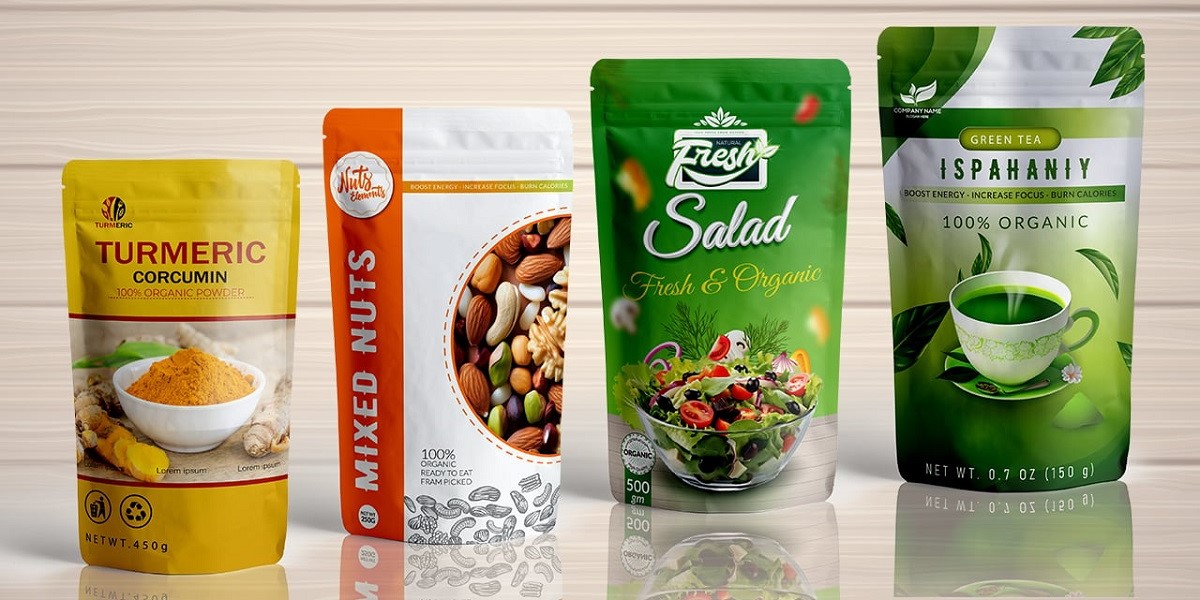
1. What is Mylar?
Mylar is a brand name for a type of stretched polyester film known scientifically as BoPET (biaxially-oriented polyethylene terephthalate). It was originally developed by DuPont in the 1950s and quickly became a mainstay in multiple industries. The “biaxially oriented” process means the film is stretched in two directions during manufacturing, giving it superior strength, clarity, and chemical resistance.
This structure makes Mylar much stronger and more stable than ordinary plastic films. It doesn’t stretch easily, resists tearing, and offers excellent barrier properties against gas and moisture. These features make it one of the most dependable flexible packaging materials available today.
1.1 How Mylar is Made
The production process involves several precise stages:
- Extrusion: PET resin pellets are melted and extruded into thin sheets.
- Orientation: The film is stretched lengthwise (machine direction) and crosswise (transverse direction), aligning its molecular structure for greater durability.
- Heat Setting: The film is heated under tension to stabilize it, ensuring dimensional stability even at high temperatures.
- Surface Treatment: Depending on the application, coatings or metallization may be added to improve reflectivity, printability, or barrier performance.
1.2 Types of Mylar Films
Not all Mylar is the same. Manufacturers produce various grades for specific uses:
- Clear Mylar: Transparent and strong, often used for windows, labels, and protective laminations.
- Metallized Mylar: Coated with a thin layer of aluminum to enhance light and oxygen barrier properties; this is the type commonly seen in food packaging.
- Matte Mylar: Textured surface for a premium look, frequently used in high-end packaging and cosmetics.
- White or Opaque Mylar: Used when light protection is crucial, such as for pharmaceuticals or light-sensitive foods.
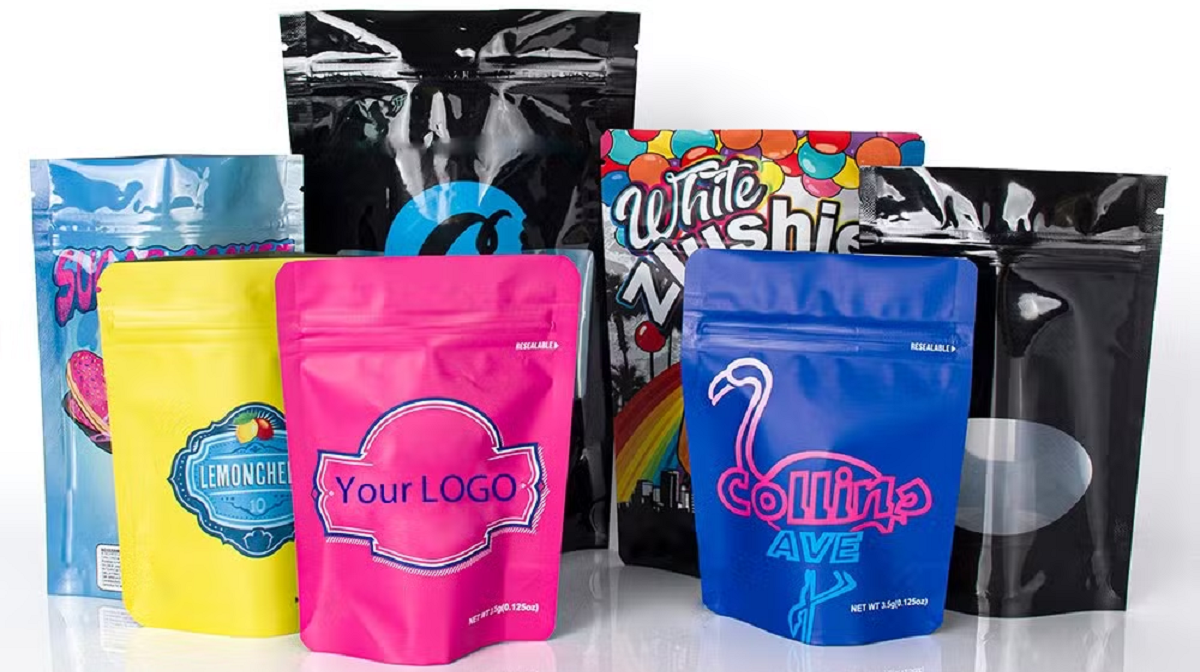
2. What Advantages and Characteristics Does It Have?
The widespread use of Mylar stems from its unique combination of mechanical, thermal, and chemical properties. Below are the key advantages that have made it indispensable across industries.
2.1 Exceptional Barrier Properties
One of Mylar’s greatest strengths lies in its barrier performance. It effectively blocks:
- Oxygen: Prevents oxidation of foods and other sensitive products.
- Moisture: Keeps contents dry, essential for preserving freshness.
- Light: Protects from UV damage, maintaining product integrity and shelf life.
- Odors: Prevents flavor and aroma loss in food products.
This makes Mylar the ideal choice for packaging goods like coffee, dried fruit, pet food, and pharmaceuticals where freshness is paramount.
2.2 Strength and Durability
Mylar is incredibly tough for its thickness. It resists tearing, puncturing, and shrinking, even in extreme temperatures ranging from -70°C to 150°C. This makes it ideal for both freezer storage and heat-sealed packaging.
2.3 Lightweight and Flexible
Despite its strength, Mylar remains lightweight and flexible, making it cost-effective for shipping and storage. It conforms easily to product shapes, allowing for space-efficient packaging and reducing material waste.
2.4 Chemical and Thermal Stability
Unlike many plastics, Mylar doesn’t easily react with oils, acids, or solvents. It also withstands heat, allowing it to be used for both retort packaging (which requires high temperatures for sterilization) and frozen storage without performance degradation.
2.5 Printability and Aesthetic Appeal
Mylar’s surface accepts a wide variety of inks and finishes. It can be printed with vivid colors, metallic textures, and high-definition graphics, making it ideal for visually appealing product designs.
2.6 Long Shelf Life and Protection
Due to its high barrier efficiency, Mylar helps extend product shelf life. For instance, properly sealed Mylar bags can keep dried foods fresh for up to 25 years when stored with oxygen absorbers. This has made them a popular choice in emergency food storage and military rations.
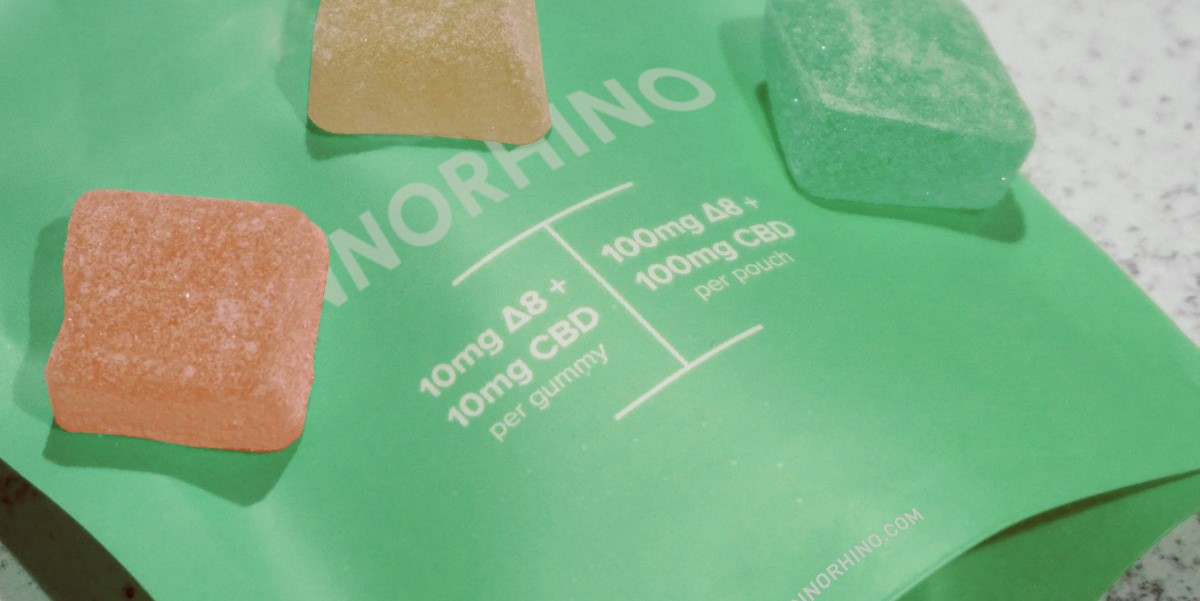
3. What Are Its Common Uses?
Because of its strength and versatility, Mylar is used across a diverse range of industries. Below are some of the most prominent applications.
| Industry | Application | Benefits |
|---|---|---|
| Food & Beverage | Snack pouches, coffee bags, dried fruit packaging | Retains aroma, blocks moisture and oxygen |
| Pharmaceuticals | Medicine blister packs, sachets, medical device pouches | Ensures hygiene and long shelf life |
| Electronics | Insulation, capacitor films, cable wraps | High dielectric strength and temperature resistance |
| Aerospace | Thermal insulation blankets, mirror coatings | Reflects radiant heat effectively |
| Emergency & Outdoor | Survival blankets, rescue tents | Lightweight, heat-reflective, waterproof |
| Printing & Graphics | Labels, displays, art preservation | Smooth, durable surface with high clarity |
| Pet Food & Agriculture | Nutrient packaging, feed supplements | High durability and odor resistance |
3.1 Food Packaging
Food remains the most dominant application for Mylar films. Its ability to resist punctures and provide a superior barrier to oxygen and light makes it essential for coffee beans, jerky, nuts, and dried fruit. The reflective surface also adds visual appeal while ensuring freshness.
3.2 Pharmaceutical Packaging
Mylar’s hygienic properties make it suitable for pharmaceutical sachets and sterile pouches. Its ability to withstand high sterilization temperatures ensures medicine safety during long-term storage and transportation.
3.3 Industrial and Electronic Use
In electronics, Mylar acts as an insulating layer in capacitors and transformers. It’s non-conductive, dimensionally stable, and can resist heat up to 150°C. In the aerospace sector, metallized Mylar is used in spacecraft insulation, where lightweight reflective barriers are crucial.
3.4 Emergency Equipment
Metallized Mylar blankets—commonly known as space blankets—reflect up to 97% of body heat, helping prevent hypothermia. These are compact, reusable, and widely distributed in disaster relief kits worldwide.
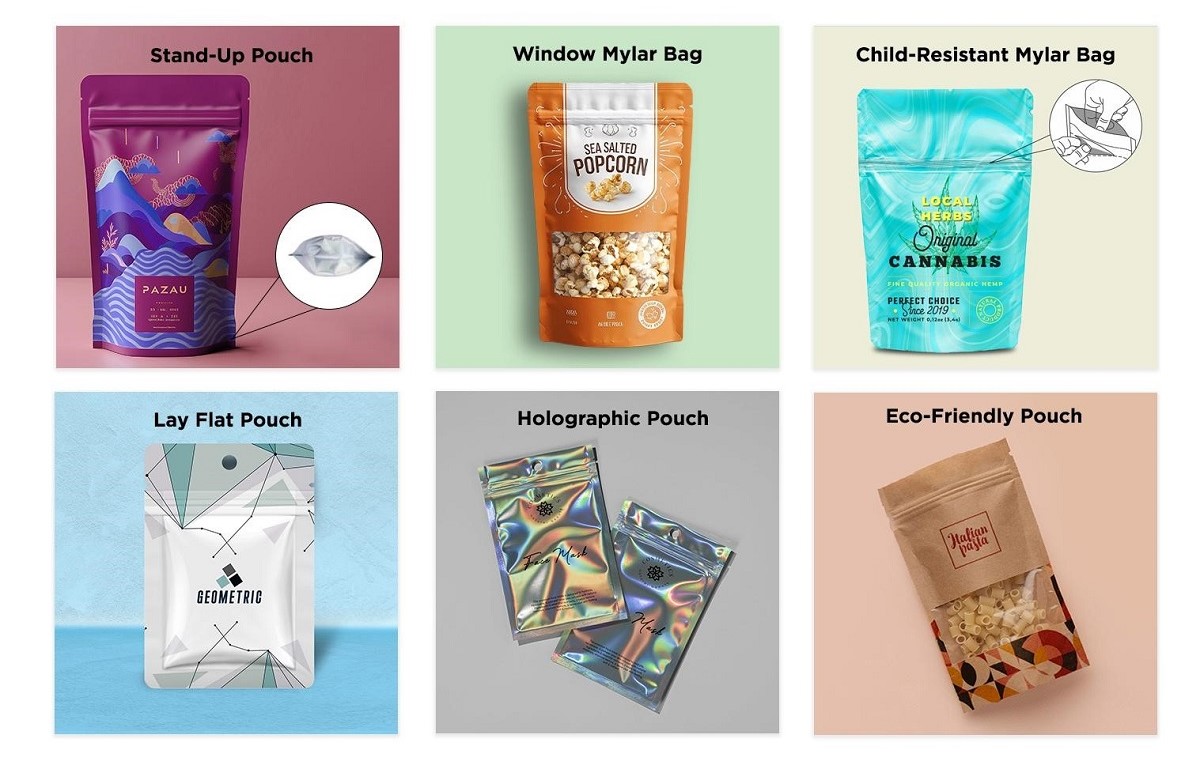
4. Which Materials of Mylar Bag Can Be Recycled?
This is where the debate intensifies. Mylar, in its pure form, is made from PET—a recyclable plastic. However, most Mylar bags are not made from pure PET film. Instead, they are multi-layer composites combining PET with other materials like polyethylene (PE), polypropylene (PP), or aluminum foil. These multi-material laminates offer great performance but pose recycling challenges.
4.1 The Recycling Challenge
The main difficulty lies in separating the layers. Mylar bags are often laminated with different films to provide extra strength or barrier protection. Unfortunately, recycling facilities are not equipped to separate these thin layers effectively, rendering the bags non-recyclable in conventional systems.
4.2 What Can Be Recycled
- Mono-material Mylar (PET) films: These are easier to recycle, provided they are not metalized or coated with other polymers.
- PET-only laminates: Some new packaging innovations focus on using single-type PET layers, allowing the product to enter existing PET recycling streams (like water bottles).
- Clean, non-contaminated films: Bags free from food residue or adhesives have a better chance of being recycled.
4.3 What Cannot Be Recycled
- Metalized Mylar bags: Aluminum-coated films cannot be processed through standard plastic recycling.
- Multi-layer composites: PET/PE or PET/AL/PE laminates are too complex for current recycling methods.
- Colored or printed films: Heavy inks and dyes can contaminate recycling streams.
4.4 Global Recycling Statistics
According to 2024 data from the Ellen MacArthur Foundation:
- Only 9% of global plastic waste is actually recycled.
- Less than 1% of laminated flexible packaging (including Mylar) is effectively recycled.
- However, new innovations in chemical recycling (such as depolymerization) could increase recyclability rates by 50% within the next decade.
5. For Eco-Friendly, What Changes Will Mylar Bags Need to Make in Materials in the Future?
As sustainability pressures rise, the packaging industry is undergoing a revolution. Governments, consumers, and corporations are all demanding eco-friendly solutions without sacrificing performance. Mylar packaging must evolve accordingly.
5.1 Transition to Mono-Material Structures
The most promising step is the move toward mono-material PET packaging. Instead of layering different plastics, advanced engineering now allows single-type PET films to achieve similar barrier properties. These are fully recyclable and can be processed through standard PET recycling streams.
5.2 Development of Biodegradable Alternatives
Research is accelerating in biodegradable and compostable films that mimic Mylar’s performance. Materials like PLA (polylactic acid), cellulose-based films, and PHA (polyhydroxyalkanoates) are emerging as replacements for non-recyclable composites. However, these currently come at higher costs and require specialized composting facilities.
5.3 Chemical Recycling Technologies
Unlike mechanical recycling, chemical recycling breaks down plastics into their molecular components, allowing them to be reused as virgin-grade materials. This technology could make mixed-material Mylar bags recyclable in the near future.
5.4 Designing for Circularity
To achieve true sustainability, Mylar bags must be designed for reuse, reduction, and recyclability:
- Simplified layer composition (fewer materials).
- Easily removable labels or zippers.
- Clear recycling instructions for consumers.
- Reusable Mylar pouches for household storage or refills.
5.5 Government Regulations and Industry Commitments
Countries worldwide are enacting policies to reduce non-recyclable plastic packaging. The EU Packaging and Packaging Waste Regulation (PPWR) and U.S. Extended Producer Responsibility (EPR) laws require manufacturers to take accountability for packaging end-of-life. Major companies like Nestlé and Unilever have pledged to make 100% of packaging recyclable or reusable by 2030, pushing the entire supply chain toward innovation.
5.6 The Rise of Digital Printing and Eco-Inks
Future Mylar packaging will incorporate eco-friendly water-based inks, reducing VOC emissions. Digital printing allows short-run customization without waste, supporting sustainability goals and reducing energy use in production.
5.7 Circular Economy Vision
Ultimately, the goal is a closed-loop packaging system, where every Mylar bag becomes the raw material for the next. This requires collaboration across industries—film producers, recyclers, and brands—to create traceable, mono-material, and responsibly sourced solutions.
Conclusion
Mylar is a remarkable material—lightweight, durable, and protective. Its role in food safety, preservation, and industrial innovation cannot be overstated. However, the same properties that make Mylar valuable also make it challenging to recycle. The combination of multiple material layers has created one of the most complex recycling dilemmas in modern packaging.
To ensure a sustainable future, the industry must move toward mono-material PET designs, biodegradable films, and chemical recycling innovations. Brands must also educate consumers on proper disposal and promote refillable or reusable packaging models.
While Mylar may not yet be fully recyclable today, the future holds promise. With ongoing research, responsible design, and global commitment to circularity, the next generation of Mylar could be both high-performing and environmentally harmonious—preserving not only the products within but also the planet that sustains them.